What a Heavy-Duty Welded Pulley Is
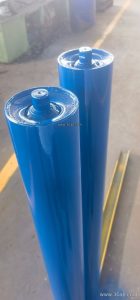
A heavy-duty welded pulley is the robust drum at the heart of many bulk material conveyor systems. Unlike a light rolled shell, its body is fabricated from steel plate and joined by continuous welding, then machined to run true. This construction gives the drum the stiffness and fatigue resistance needed where a conveyor belt carries dense, abrasive or sharply graded material. In a quarry, a cement plant or a coal handling circuit, the welded pulley often sits at the head or tail of the line, transmitting drive torque or redirecting the belt under tension.
The same product is also described as a welded conveyor drum or welded belt pulley, and these names refer to one and the same component. Drive, tail and bend pulleys are distinct positions in a conveyor and are not interchangeable terms; the welded pulley family can serve any of them, but each position has its own duty.
How the Welded Body Is Built
The typical shell starts as a rolled steel cylinder, with end discs and a hub welded in place. Shafts are fitted and the assembly is machined so the drum face and shaft centres stay concentric. Because the welds carry the load between shell, discs and hub, weld quality and stress relief matter as much as the steel grade.
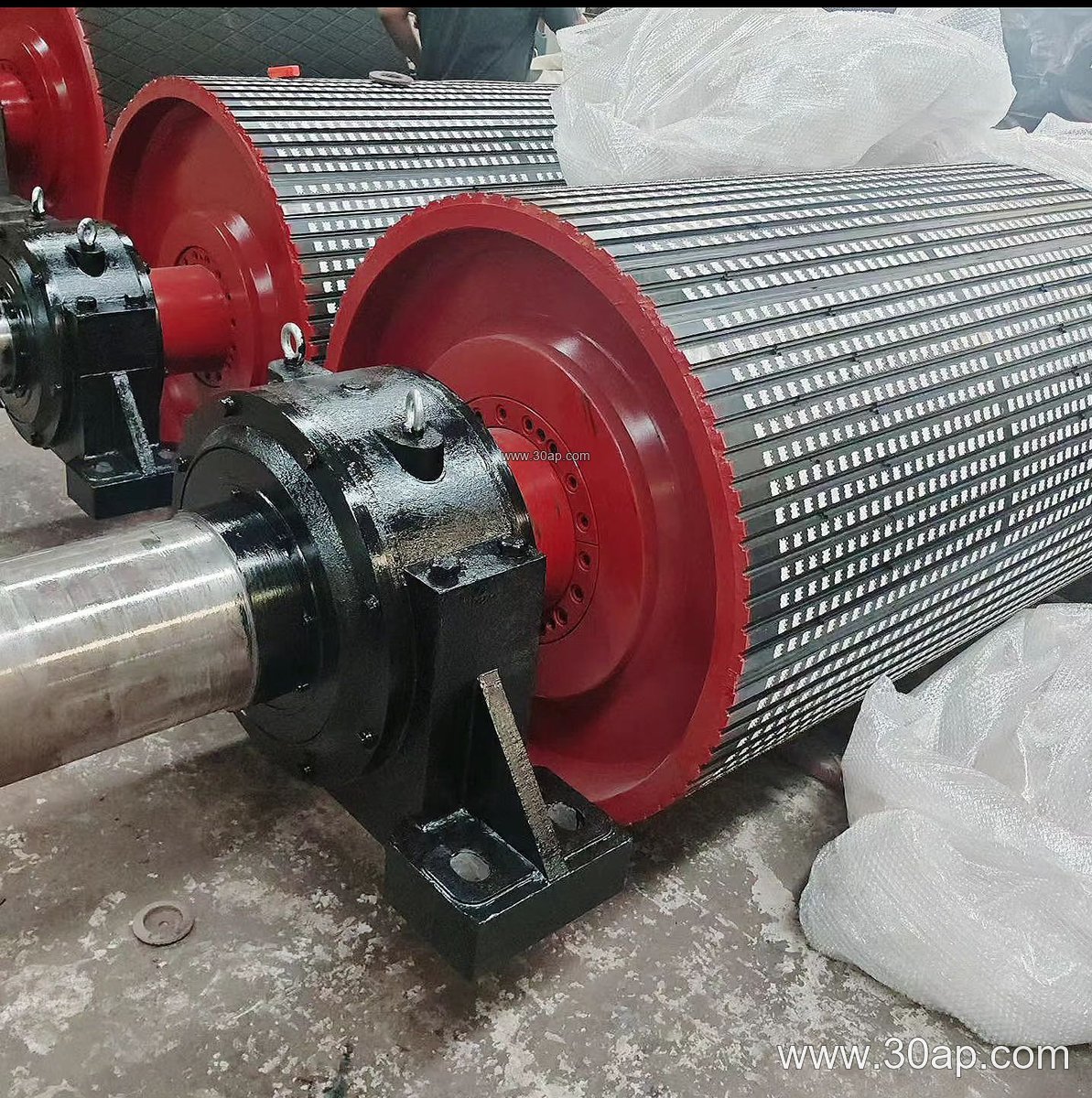
- Shell from rolled steel plate, welded to end discs and hub
- Machined face to keep belt tracking stable
- Choice of shaft ends for bearing housings, pillow blocks and conveyor brackets
- Optional lagging to raise friction and protect the shell
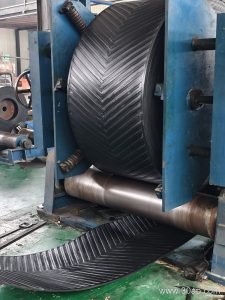
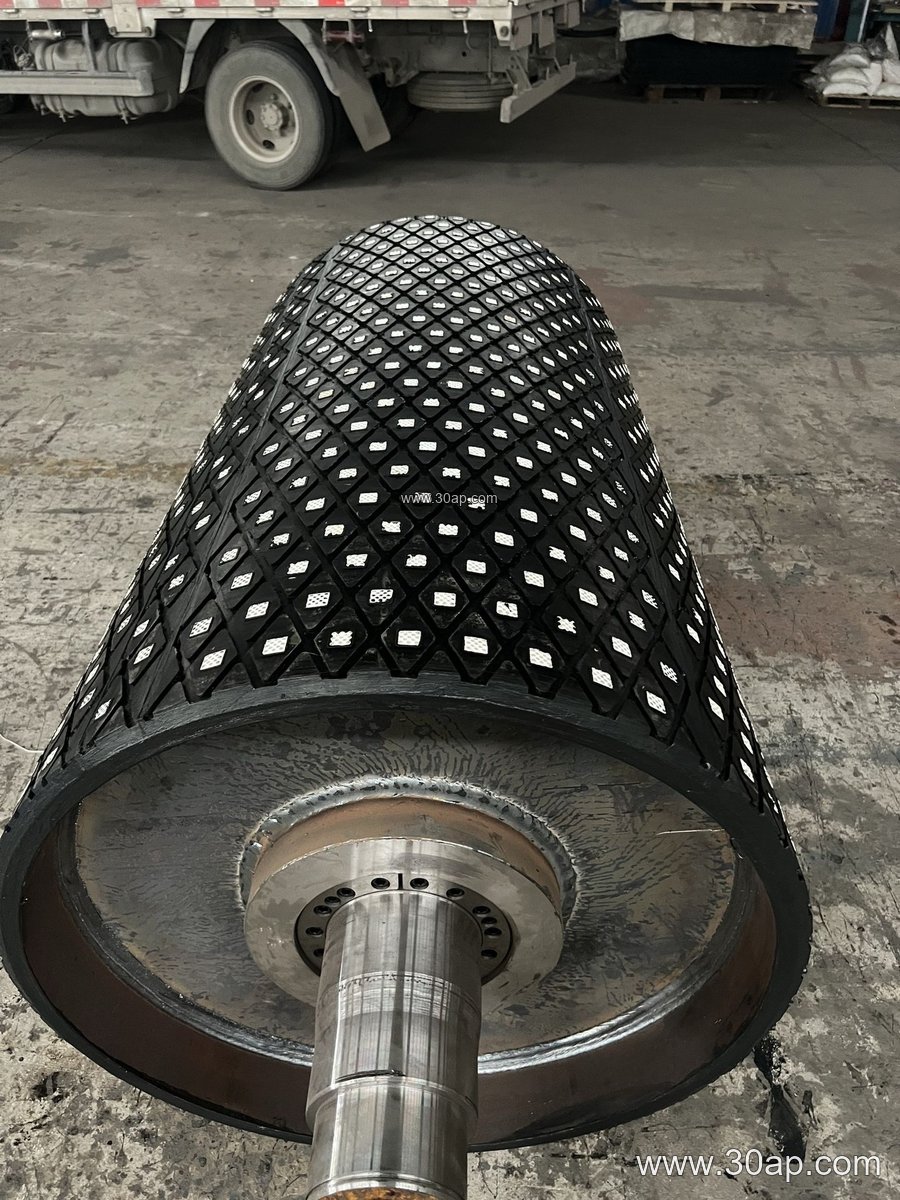
Surface finish is often selected by position. A drive pulley may carry cast or hot-sulphur rubber lagging in a diamond or herringbone pattern, while a bend pulley often runs smooth or with a thin cold-bonded lagging. Lagging thickness commonly ranges from 8 to 20 mm, chosen according to belt tension and slip risk. For reference, typical diameter and belt width pairings include B800 with Ø500, B1200 with Ø1000 and B1400 with Ø800, though the right combination is fixed by the conveyor design, not by a table alone.
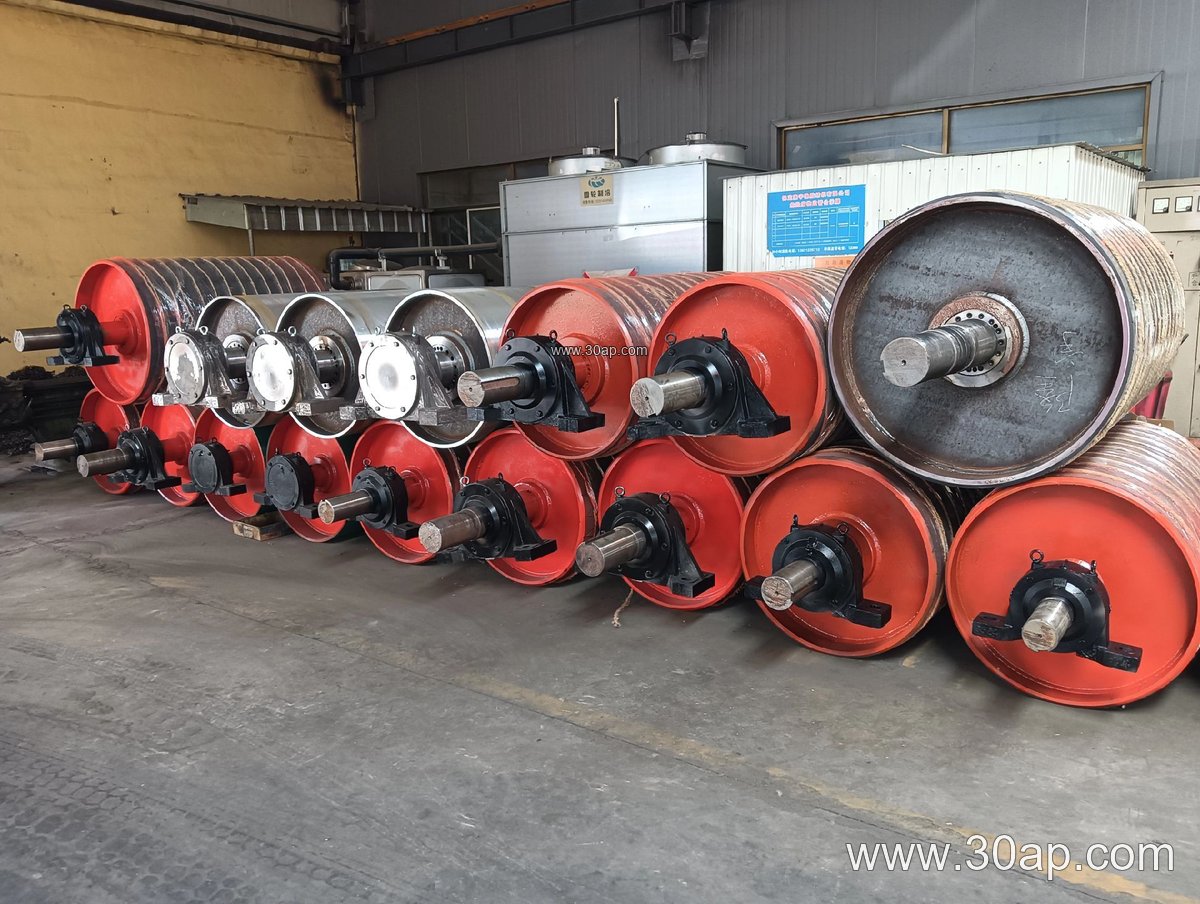
Where It Fits on the Conveyor
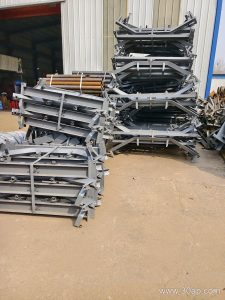
Position changes the job. A head or drive pulley takes the highest torque and must grip the belt, so it is often lagged. A tail pulley guides the belt on its return and may include a self-cleaning profile. A bend or snub pulley changes belt direction with low wrap angle, so a smooth face is usually enough. Tension pulleys are frequently arranged in a take-up frame, and here the welded drum must withstand repeated axial loads as the belt is tightened.
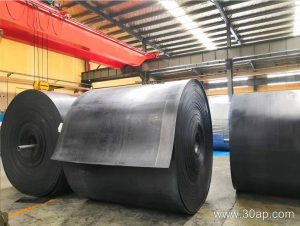
This makes the welded pulley common in stone crushing lines, sand and aggregate plants, iron ore and copper ore dressing, coal washing plants and power station coal yards. It also appears where a rubber conveyor belt runs long distances at high tension, and where heat, oil or abrasion demand a suitable belt grade working with the drum.
Buyer Checklist Before Ordering
Give the supplier the belt width, the pulley diameter, the shaft diameter and the duty position. Shaft size is set by torque and bearing load, not by belt width alone, so never assume a fixed shaft from B width. The drum face is normally slightly wider than the belt, for example B650 around 750 mm and B1000 around 1150 mm.
| Parameter | Common Range | Note |
|---|---|---|
| Belt width B | B400 to B2400 | Face width usually exceeds belt width |
| Pulley diameter | Ø200 to Ø1800 | Selected by belt tension and wrap angle |
| Shaft diameter | Ø50 to Ø200 | Determined by torque and load |
| Lagging thickness | 8, 10, 12, 15, 20 mm | Drive pulleys often lagged |
| Surface form | Smooth, diamond, herringbone, ceramic, plane rubber | Matched to slip and material conditions |
Confirm the bearing type and mounting arrangement, since the pulley must align with the conveyor bracket and frame. On abrasive duties, pair the drum with a high abrasion resistant conveyor belt and check that lagging hardness suits the belt cover. In coal or underground work, flame retardant and anti-static belt grades are often specified, and the pulley finish should avoid sharp edges that damage the cover. For long overland lines, a steel cord conveyor belt may run over larger diameter pulleys to limit bending stress.
Installation and Maintenance Notes
Alignment is the first defence against edge wear. Check that the pulley shaft is parallel to the adjacent idler roller frames and that the belt is centred before tensioning. Inspect welds, lagging and bearing seals at scheduled stops; worn lagging reduces grip and can lead to slip and belt damage. Keep the drum face clean, especially in wet or sticky material, and replace damaged lagging before it scores the belt.
For plants handling bulk material conveyor belt loads, a well-built welded drum is a long-service investment. Match it to the belt, the frame and the duty, and it will keep the line running through shifts in the quarry, the cement kiln feed or the coal yard.