What a Return Idler Bracket Does
A return idler bracket, also called a return roller bracket or lower support bracket, is the mounting component that holds the return-side idler rollers beneath a conveyor belt. While the carrying side gets most of the attention, the return run needs steady support too, and this bracket is what keeps the return idler roller in position, at the right height, and aligned with the belt path. In a quarry, a coal preparation plant, or a cement clinker line, a loose or worn return bracket quickly shows up as belt wander, edge wear, and noisy operation.
The bracket is not a glamorous part, but it is a structural one. It transfers the weight of the return belt and any material carryback down to the conveyor frame, and it sets the geometry that the return idler roller works within.
How the Bracket Is Built
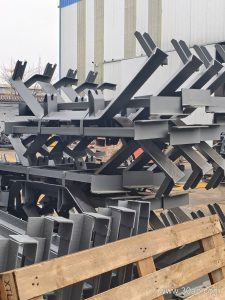
Most return idler brackets are fabricated from angle steel, channel steel, or folded steel plate. The choice depends on load, frame style, and the environment. A dusty limestone mine may call for a heavier folded plate design, while a lighter sand and gravel line can use angle steel brackets. Typical construction features include:
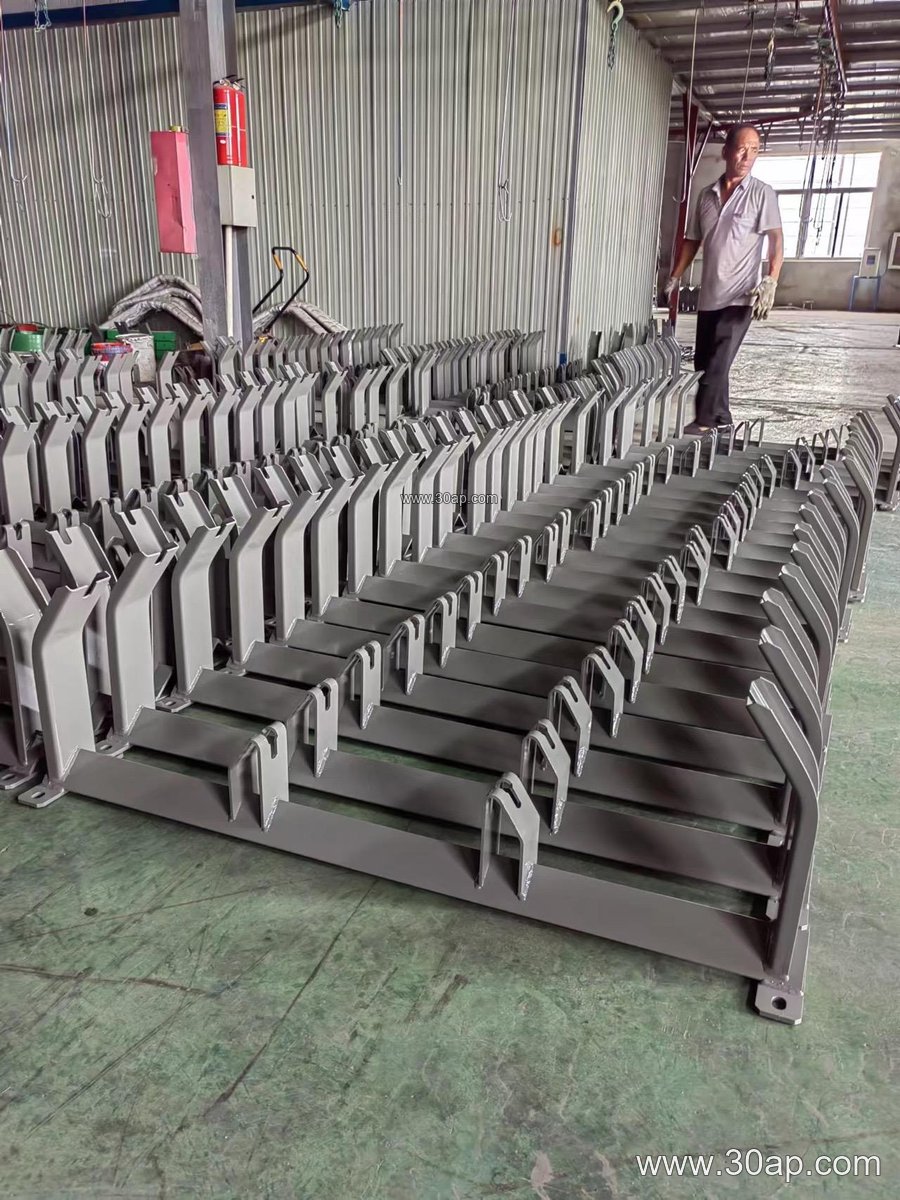
- Slotted or drilled mounting holes for frame attachment
- A cradle or hook that accepts the idler roller shaft
- Reinforcing gussets where the load path is concentrated
- Galvanized or painted finish for corrosion resistance
Mounting hole spacing and crossbeam length vary with belt width and bracket style, so they are determined by design rather than fixed figures.
Common Types and Where They Fit
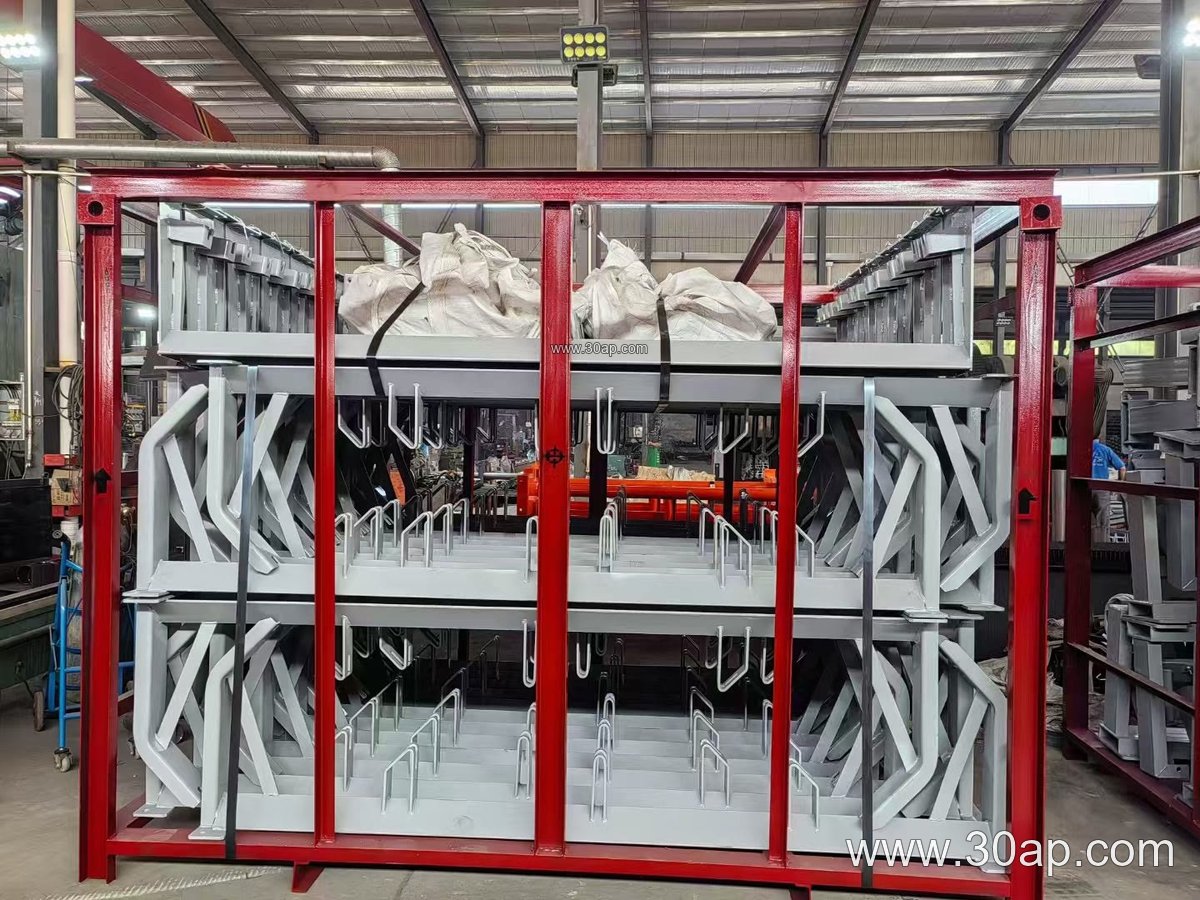
The return side is not one uniform task. A flat return bracket supports a single horizontal idler roller, which suits many standard conveyor runs. A V-type return bracket holds two rollers in a V shape, which helps center the belt and shed carryback. A self-aligning return bracket adds a pivot so the idler can correct belt tracking. Adjustable brackets let maintenance staff tune height or angle without replacing the frame section.
For comparison, a troughing bracket on the carrying side uses 20, 30, 35, or 45 degree trough angles to shape the belt into a trough. The return bracket does a different job and should not be treated as a substitute for a troughing or transition bracket.
Matching Bracket, Belt Width, and Roller Diameter
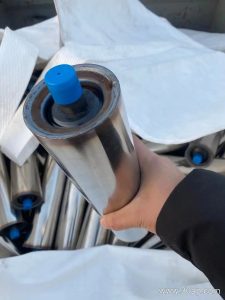
Belt width and roller diameter are related but not locked together. Common belt widths include B500, B650, B800, B1000, B1200, B1400, B1600, B1800, B2000, B2200. Common return idler roller diameters include Ø89, Ø108, Ø133, Ø159, and Ø194. A bracket may be designed for B800 with Ø108, or for B1200 with Ø133, but these are examples, not fixed pairings. The bracket must match the shaft end and mounting pattern of the idler roller it carries.
| Belt Width | Typical Return Roller Diameter | Bracket Consideration |
|---|---|---|
| B500 | Ø89 | Light frame, compact mounting |
| B650 | Ø89 or Ø108 | Check shaft end style |
| B800 | Ø108 | Standard flat or V return |
| B1000 | Ø108 or Ø133 | Reinforced cradle |
| B1200 | Ø133 | Heavier plate or channel |
| B1400 | Ø133 or Ø159 | Confirm frame hole spacing |
| B1600 | Ø159 | High load, check gussets |
| B1800 | Ø159 or Ø194 | Heavy duty fabrication |
| B2000 | Ø194 | Engineered mounting |
| B2200 | Ø194 | Custom frame interface |
These values are common references. Actual selection depends on the conveyor pulley arrangement, belt tension, and frame design.
Buying Advice
Before ordering, confirm the belt width, the return idler roller diameter, the shaft end shape, and the existing frame hole pattern. Ask whether the bracket is fixed, adjustable, or self-aligning, and whether the finish suits the site. In a power plant coal handling system or a fertilizer warehouse, corrosion and dust both matter. A return idler bracket that fits properly will keep the conveyor belt tracking straight and reduce wear on the idler roller and the belt itself.