What Is an EP Fabric Core Conveyor Belt
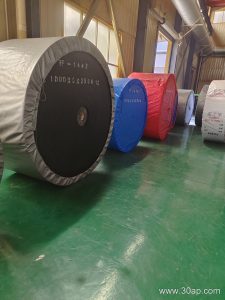
An EP fabric core conveyor belt is a rubber conveyor belt whose load-bearing skeleton is made from polyester (E) and nylon (P) warp and weft yarns. This construction is often called an EP belt, polyester-nylon belt, or simply EP conveyor belt. It sits in the fabric-core family of belts, alongside NN nylon belts and solid-woven or PVC/PVG belts, while steel cord belts form a separate heavy-duty category. The EP carcass gives the belt high tensile strength, low elongation, and good resistance to fatigue and moisture, making it a common choice for long hauling runs in mining, coal, cement, power plants, and aggregate yards.
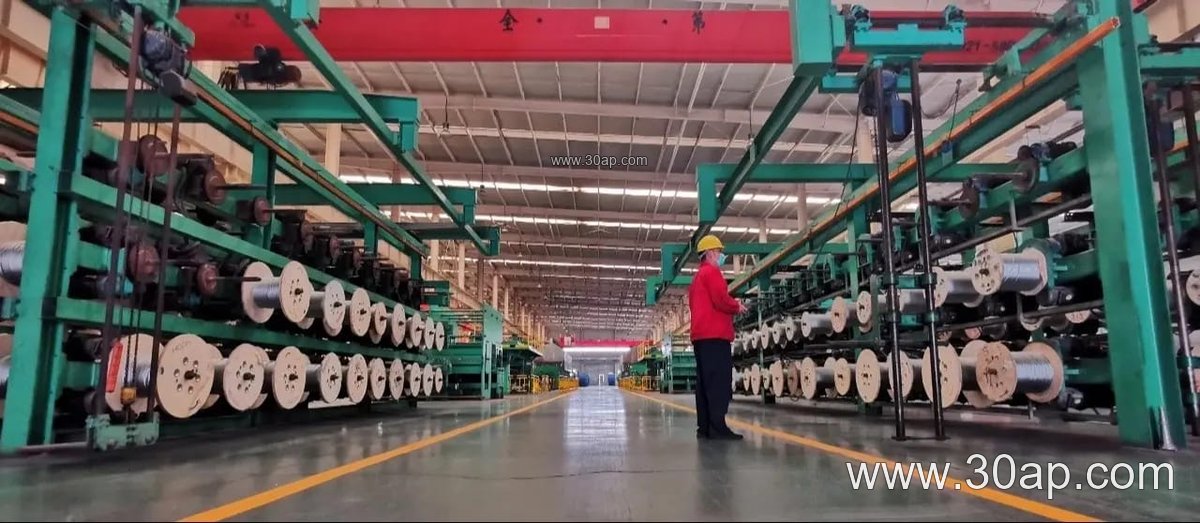
How the Belt Is Built
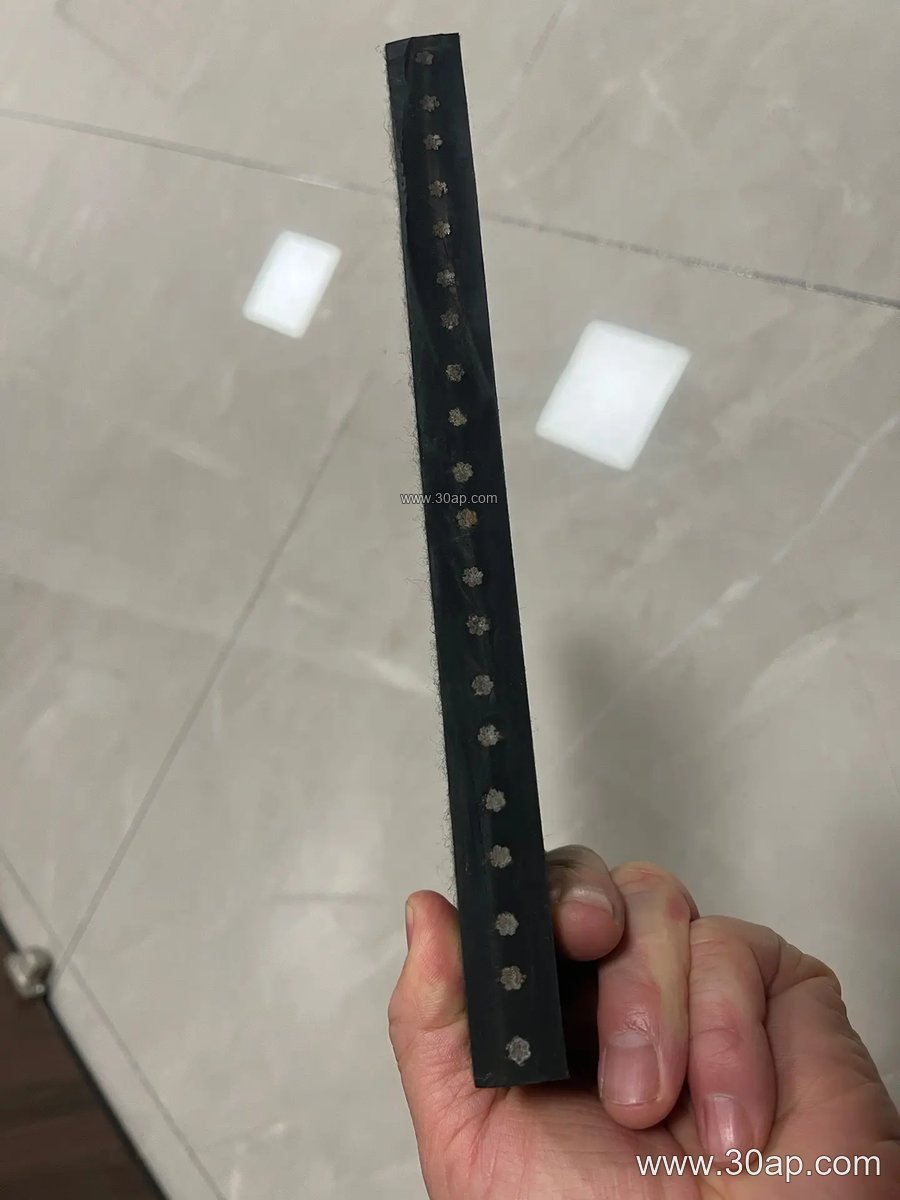
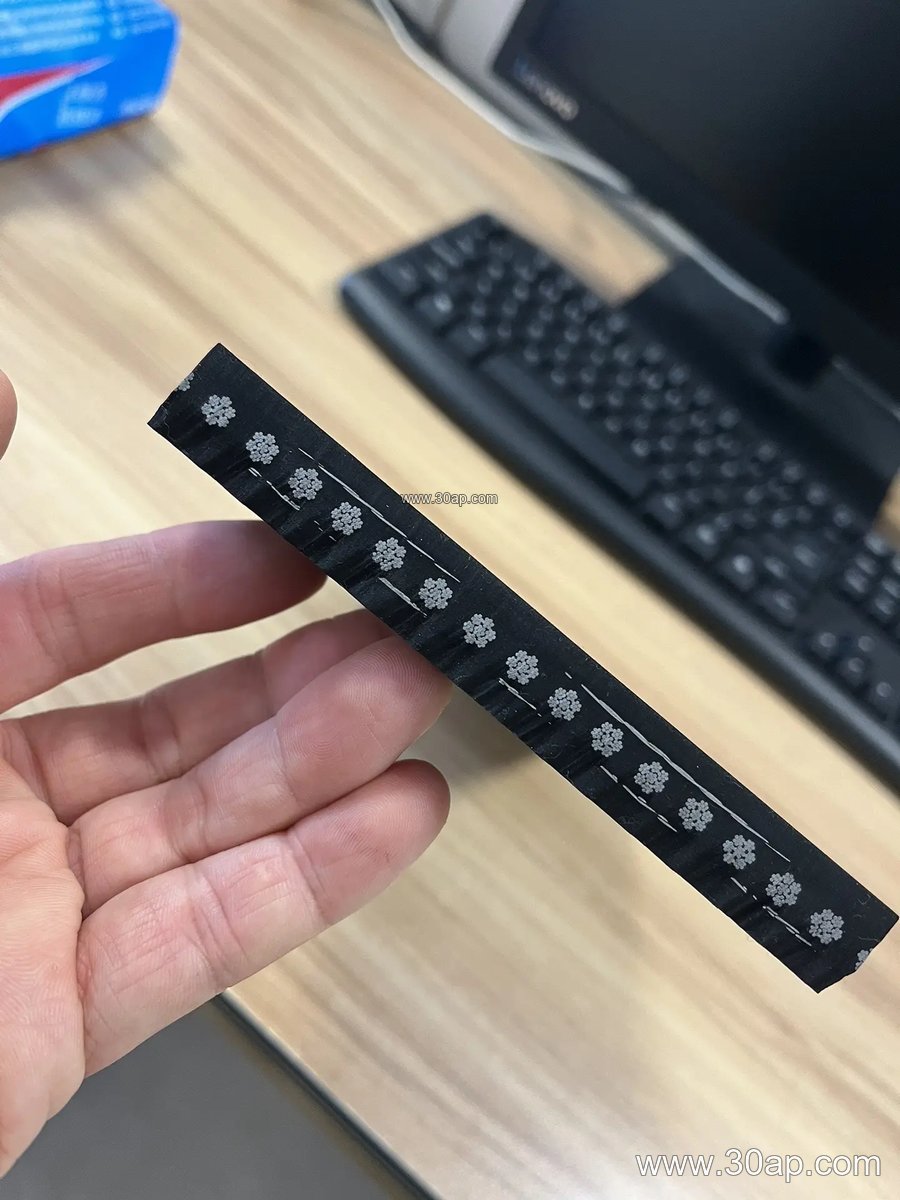
The EP fabric core conveyor belt is built in layers. The carcass consists of multiple plies of EP fabric, usually 2 to 6 layers, bonded together with rubber skim compound. Top and bottom cover rubber protect the carcass from abrasion, impact, oil, heat, or chemicals depending on the grade selected. The cover thickness is commonly written as a pair, such as 3+1.5 mm, 4+2 mm, 5+2 mm, 6+2 mm, or 8+3 mm, where the first figure is the top cover and the second is the bottom cover. Each belt is finished with cut or moulded edges, and for specific duties, the compound can be supplied as wear-resistant, heat-resistant, oil-resistant, flame-retardant, antistatic, cold-resistant, or acid and alkali resistant.
Typical Strength and Width Range
EP belts are available in a range of tensile strengths and widths. The table below shows common reference values; actual belt selection should follow the conveyor design and the manufacturer’s data.
| Parameter | Common reference values |
|---|---|
| Strength grades | EP200, EP315, EP400, EP500, EP630, EP800, EP1000, EP1250, EP1600, EP2000 |
| Belt widths | B500, B650, B800, B1000, B1200, B1400, B1600, B1800, B2000 |
| Cover thickness | 3+1.5 mm, 4+2 mm, 5+2 mm, 6+2 mm, 8+3 mm |
| Carcass plies | Usually 2 to 6 layers |
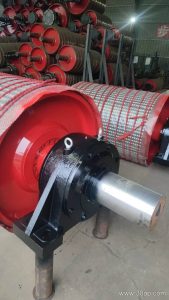
These figures are reference data, not a fixed match between one belt width and one pulley diameter. The drive pulley, tail pulley, and bend pulley are selected from the conveyor’s tension and shaft load calculations, not from belt width alone.
Where EP Belts Are Used
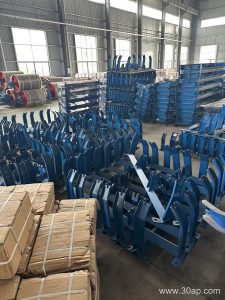
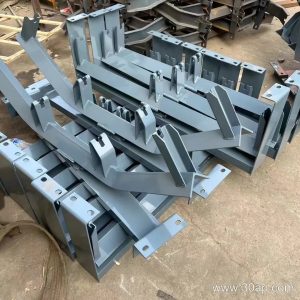
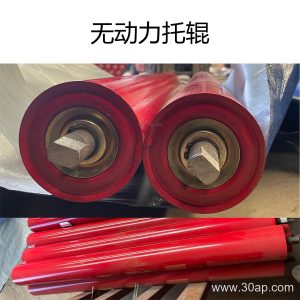
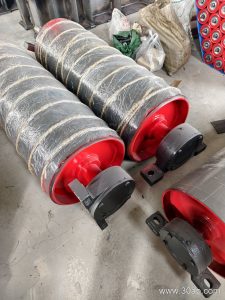
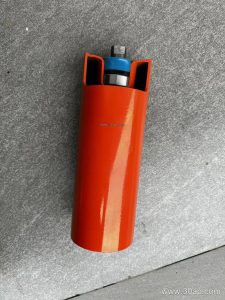
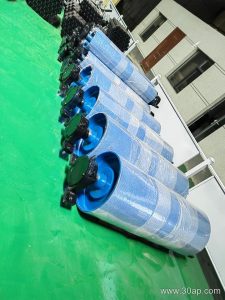
The EP fabric core conveyor belt is widely used in bulk material handling. In coal mines and power plants it carries coal from stockyard to crusher and boiler. In cement plants it moves limestone, clinker, and cement. In sand and gravel yards it hauls crushed stone and sand. In iron ore and other mining operations it handles ore and waste rock. The belt runs over conveyor idler rollers that support the load, wraps around head and tail pulleys that drive and tension it, and is held in line by conveyor brackets and frame structures. For dusty or flammable locations, a flame-retardant and antistatic EP belt is often specified.
What a Buyer Should Know
- Match the belt to the duty. Abrasive rock calls for a thicker wear-resistant cover, while hot clinker needs a heat-resistant grade. Oil and chemical exposure require the appropriate resistant compound.
- Check the carcass strength. EP200 to EP2000 grades cover a wide tension range. The required grade depends on the conveyor length, incline, capacity, and starting conditions.
- Consider the pulley and idler layout. Belt thickness, cover grade, and carcass stiffness affect how the belt trains on conveyor idler rollers and wraps around the drive pulley.
- Plan for splicing and maintenance. Fabric-core belts can be spliced mechanically or vulcanized. Keep spare belt, splice kits, and idler rollers on hand to reduce downtime.
- Compare subtypes only when relevant. A steel cord belt may suit very long, high-tension runs, and a PVC/PVG belt may suit underground flame-retardant duties, but neither replaces the EP fabric core belt for general fabric-core hauling.
For a reliable EP fabric core conveyor belt, buyers should confirm the strength grade, width, cover thickness, ply count, and compound type with the supplier, and check that the belt fits the conveyor’s pulley and idler roller arrangement.