What an EP1000 1200mm Conveyor Belt Is
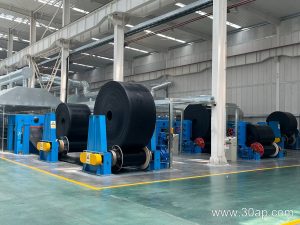
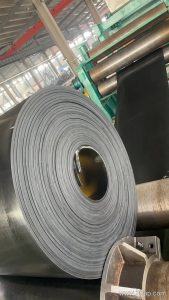
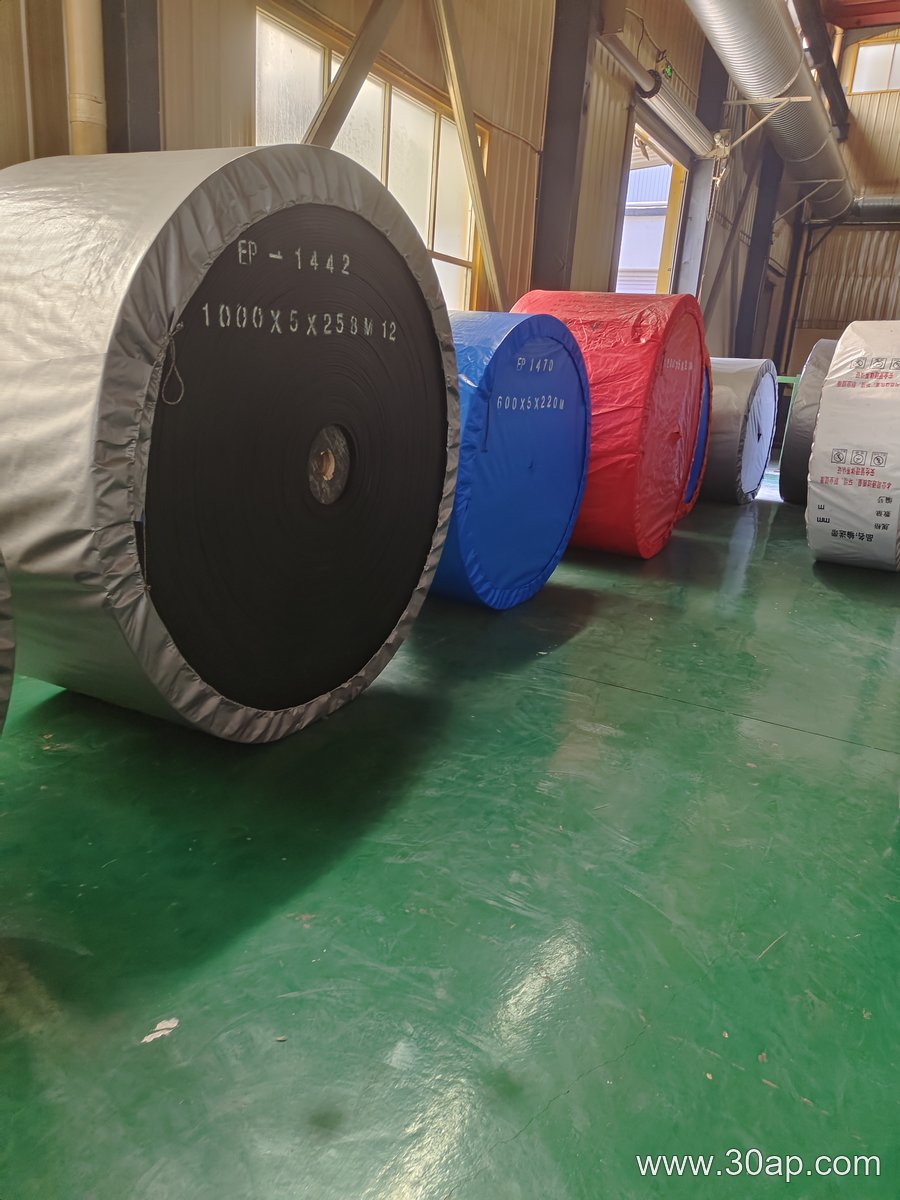
An EP1000 1200mm conveyor belt is a heavy-duty rubber belt built on a polyester and nylon fabric carcass, commonly called an EP carcass, with a nominal breaking strength of 1000 N/mm and a belt width of 1200 millimetres. In everyday workshop language it may simply be called an EP conveyor belt, and the 1200mm figure refers to the cut width that matches the carrying side of the conveyor structure. Buyers who need a lighter construction often compare it with an NN200 conveyor belt, while those working with very long runs or high tensions may look at an EP1250 belt instead. The EP1000 grade sits in the middle of that range and is widely chosen for general bulk handling.
Width matters as much as strength. A 1200mm belt is a common size for medium and large conveying systems because it can carry a reasonable depth of material without becoming difficult to handle during installation. It also fits standard troughing idler roller sets and pulley faces, so replacement and maintenance are straightforward when the rest of the conveyor is built to match.
How the Belt Is Built
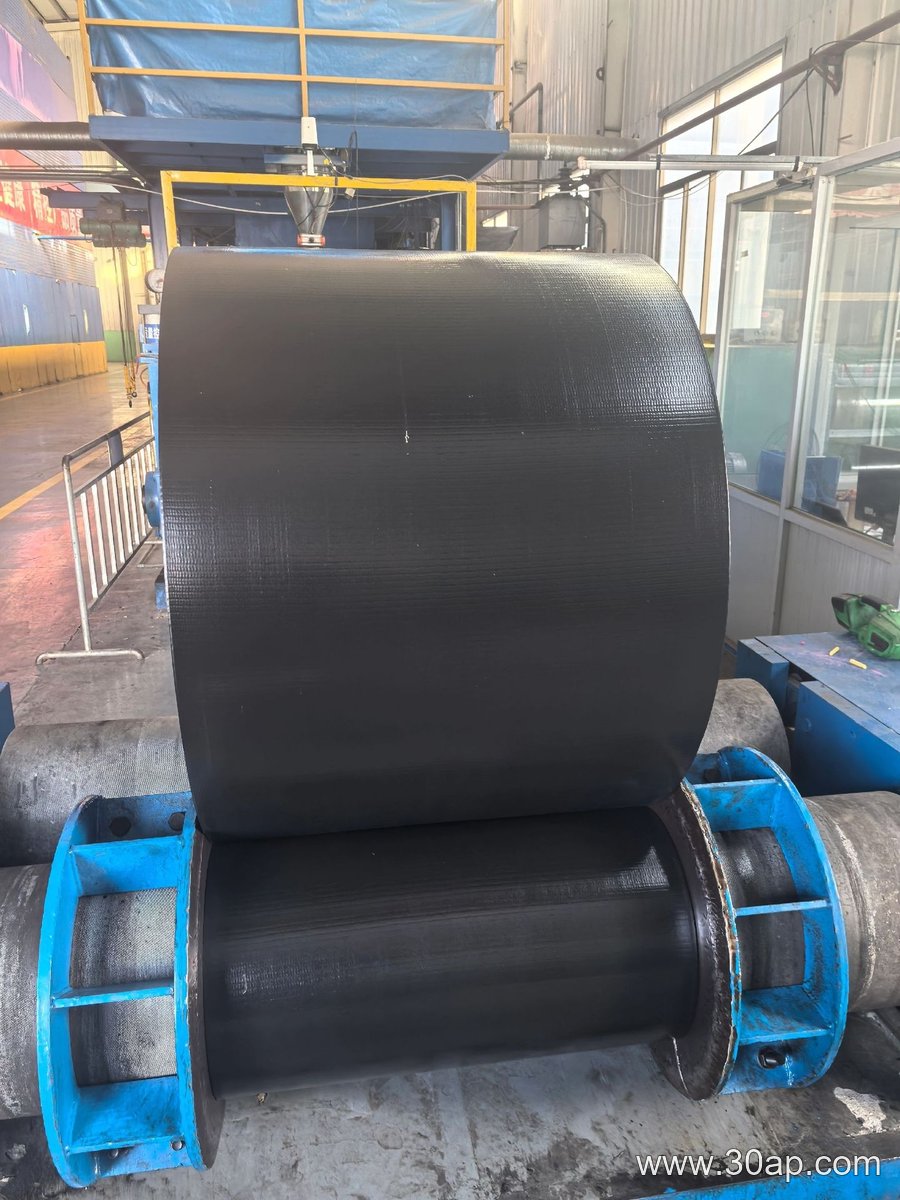
The carcass gives the belt its tensile strength, and the covers protect the fabric from abrasion, cutting, and moisture. A belt of this class is normally supplied with cut edges or moulded edges, depending on the manufacturer and the application. The splice is a critical part of the finished system: a properly stepped and vulcanised joint helps the belt reach its expected service life, while a poor splice can become the first point of failure.
Key components around the belt
- The conveyor belt itself, which carries the load.
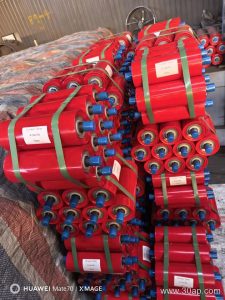
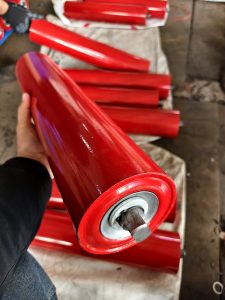
- The idler roller set, which supports the belt and shapes it into a trough.
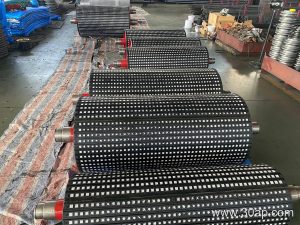
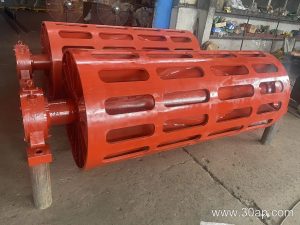
- The conveyor pulley, often the drive pulley at the head and the tail or bend pulley at the return end.
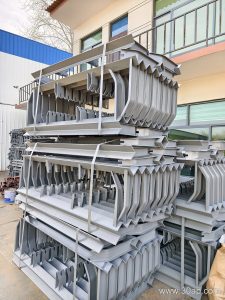
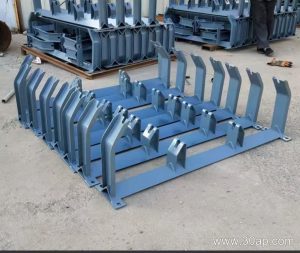
- The conveyor bracket, which holds idlers and pulleys in alignment on the frame.
Where It Is Used
A 1200mm EP1000 belt is common in stone crushing plants, sand and gravel operations, cement works, and bulk material yards. In a stone crushing conveyor belt line, the belt must survive sharp aggregate, uneven loading, and frequent starts. The EP carcass offers good resistance to impact and fatigue, which is why it is often chosen for primary and secondary crushing circuits. The same belt can also be found in coal handling, fertiliser plants, and general industrial conveying where a reliable medium-strength belt is needed.
When the conveyor is long or the tonnage is high, engineers may step up to an EP1250 conveyor belt to gain extra tensile capacity. For lighter duties, an NN200 conveyor belt can be a more economical option. The choice depends on the calculated belt tension, the lump size, the loading method, and the environment. A 1200mm width is often paired with three-roll troughing idlers and a drive pulley sized to the required torque.
What a Buyer Should Check
Before ordering an EP1000 1200mm conveyor belt, confirm the actual belt width, the number of plies, the cover thickness, and the rubber grade. Ask how the belt will be joined, because the splice method affects lead time and on-site work. Check that the conveyor pulley diameter is suitable for the belt carcass, since too small a pulley can stress the fabric. Also verify the idler roller spacing and the condition of the conveyor bracket, because worn or misaligned hardware can damage a new belt quickly.
- Belt width and cut length required for the conveyor.
- Tensile grade and ply construction, such as EP1000 or EP1250.
- Top and bottom cover thickness for abrasion and impact.
- Material temperature, moisture, and chemical exposure.
- Pulley diameters and the type of splice to be used.
- Compatibility with existing idler rollers and brackets.
It also helps to think about the operating environment. A belt running outdoors in strong sun may need a cover compound with good UV resistance. A belt carrying oily or hot material may need a special cover. In cold climates, the rubber should remain flexible at low temperatures. These details are usually discussed with the belt supplier before the order is placed.
Installation and Maintenance Notes
Correct installation protects the investment. The belt should be centred on the pulleys, and the troughing idlers should be aligned so the belt runs without edge damage. The take-up system should provide enough travel to compensate for normal stretch. During operation, inspect the belt for edge wear, cover gouges, and splice opening. Lubricate and rotate pulleys and idlers as recommended, and replace a seized idler roller before it wears a groove in the belt.
Storage also matters. Keep spare belts in a dry, shaded place, away from ozone sources such as electric motors, and avoid sharp folds. A belt stored flat or on a suitable core will be easier to install when needed. With reasonable care, an EP1000 1200mm conveyor belt can give long service in demanding bulk handling duties.