What a High-Capacity Trough Idler Does
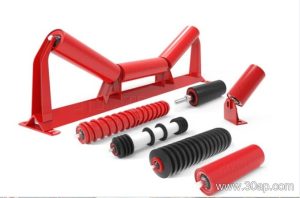
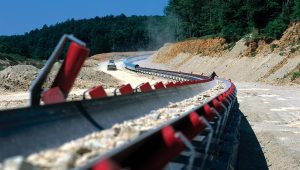
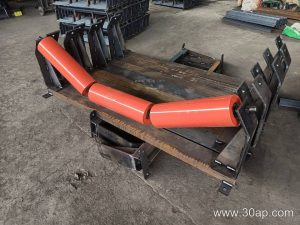
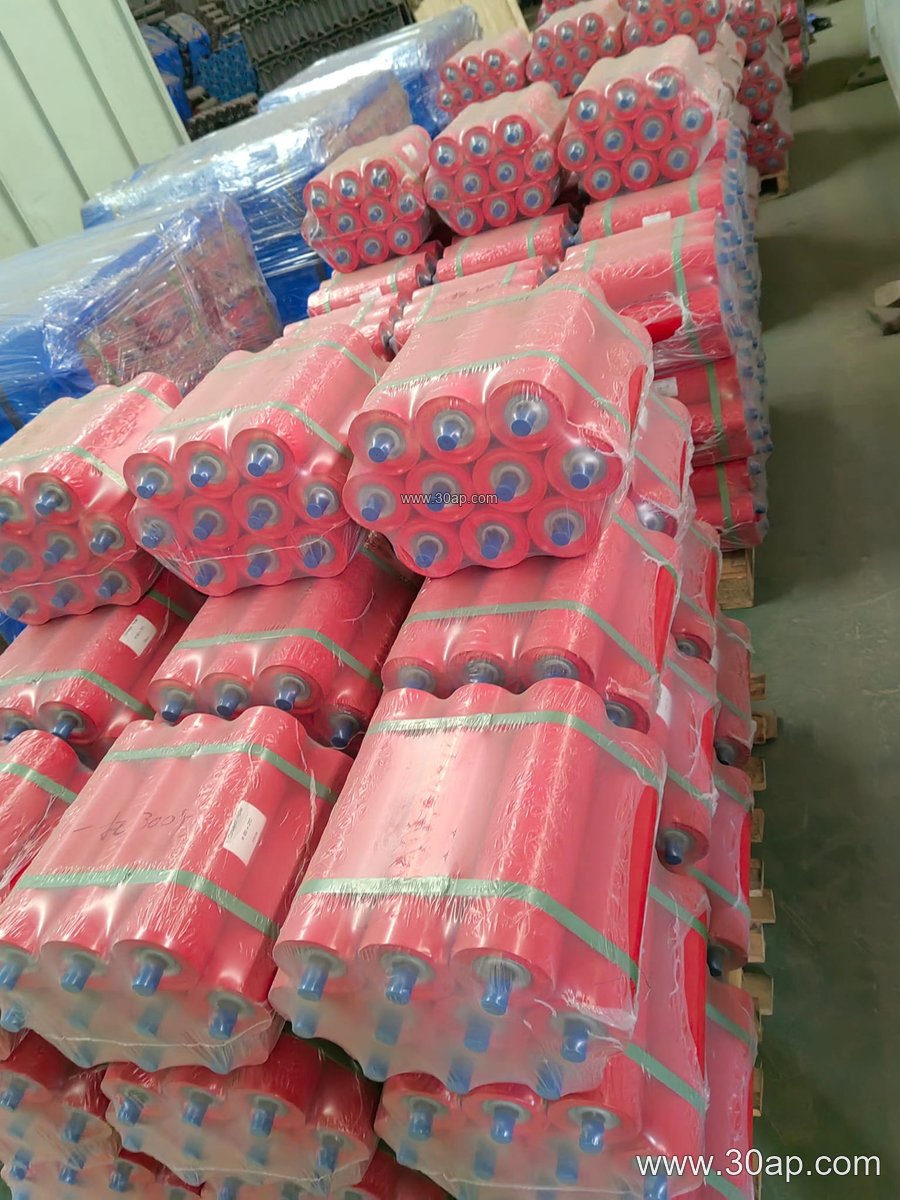
A high-capacity trough idler is the carrying component that shapes a conveyor belt into a trough so bulk material stays centered and moves efficiently. In a quarry, limestone mine, or sand and gravel line, the idler must handle abrasive rock, uneven loading, and long shifts. The trough idler assembly usually consists of two or three idler rollers mounted on a frame with a specific trough angle. The high-capacity version is built with thicker shells, larger bearings, and reinforced brackets to support heavier belts and higher material loads.
Construction and Key Components
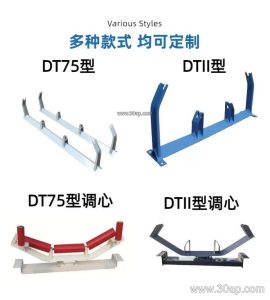
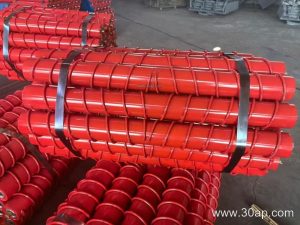
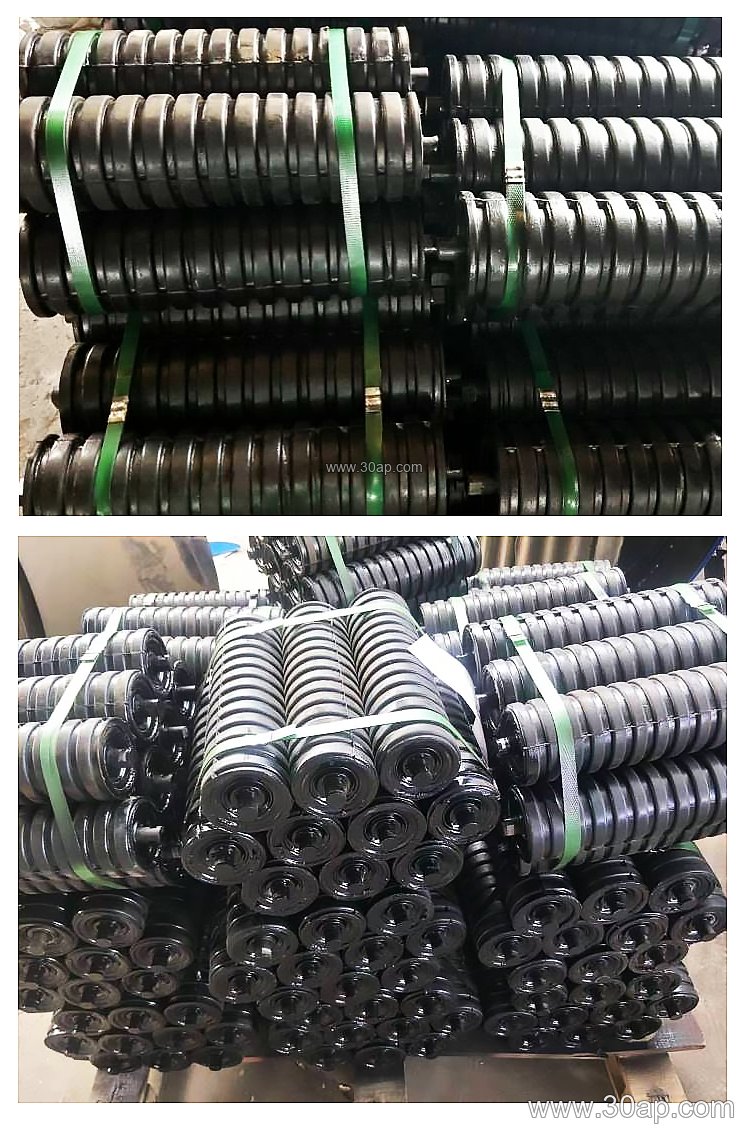
The main parts are the idler roller shell, bearing housing, shaft, and conveyor bracket. Shells are commonly steel tube, but nylon, ceramic, or rubber-covered surfaces are available for different wear conditions. Bearings such as 6205, 6305, or 6308 are selected based on load and speed, not simply matched to one roller diameter. The trough angle—20, 30, 35, or 45 degrees—affects how deep the belt sits and how well material is contained. A three-roll trough idler is typical for high-capacity service, while a two-roll set may suit narrower belts or lighter duties.
Common Reference Dimensions
Roller diameter and belt width are related but not fixed pairs. The table below shows typical examples for planning; final selection depends on belt tension, load, and conveyor design.
| Belt Width | Typical Roller Diameter Range | Example Bearing | Common Trough Angle |
|---|---|---|---|
| B500 | Ø63 to Ø89 | 6204 / 6205 | 20°–30° |
| B650 | Ø76 to Ø102 | 6205 / 6305 | 30°–35° |
| B800 | Ø89 to Ø108 | 6305 / 6306 | 30°–35° |
| B1000 | Ø102 to Ø127 | 6306 / 6308 | 35°–45° |
| B1200 | Ø108 to Ø133 | 6308 / 6310 | 35°–45° |
| B1400 | Ø127 to Ø159 | 6308 / 6310 | 35°–45° |
| B1600 | Ø133 to Ø178 | 6310 | 35°–45° |
| B1800 | Ø159 to Ø194 | 6310 | 35°–45° |
| B2000 | Ø178 to Ø219 | 6310 | 35°–45° |
Roll length also varies with belt width and trough angle. For a three-roll set, common examples are about 200 mm for B500, 315 mm for B800, 465 mm for B1200, and 600 mm for B1600. These are reference values, not mandatory matches.
Where High-Capacity Trough Idlers Are Used
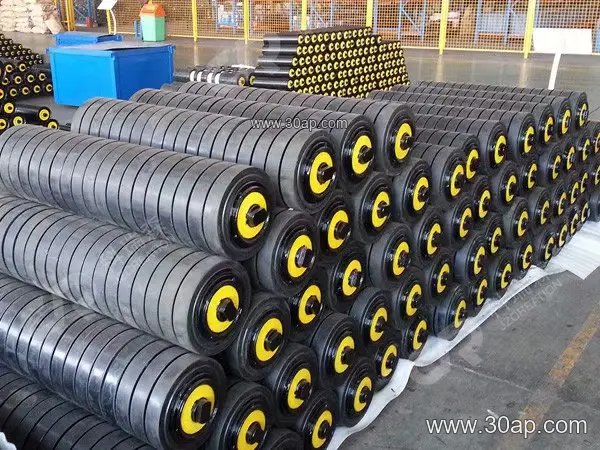
These idlers are common in coal washing plants, power plant coal handling, cement plants, and crushing and screening circuits. In a sand and gravel operation, they support the main belt after primary crushing, where lumps and sharp edges demand a robust trough idler. In a port or steel plant, high-capacity trough idlers help maintain belt alignment under continuous loading. They are not a replacement for conveyor pulleys such as drive, tail, or bend pulleys; those components serve different functions at the belt ends and curves.
Selection and Maintenance Notes
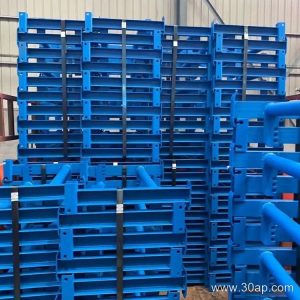
A buyer should consider belt width, material lump size, throughput, and ambient conditions. For dusty or wet environments, sealed bearing housings and adequate clearance matter. The conveyor bracket must align with the idler frame and allow easy roller replacement. Regular inspection of roller rotation, shell wear, and bearing noise helps prevent belt damage. When comparing alternatives, a high-capacity trough idler differs from a standard trough idler mainly in load rating and construction thickness. It should not be confused with a return idler, impact idler, or self-aligning idler, which address other belt zones or problems.
Choose the trough angle and roller diameter based on the conveyor design and material behavior. A 45-degree trough contains material better on steep or heavily loaded belts, while a 20-degree trough may suit flatter profiles. Keep spare rollers and brackets consistent with the original specification to avoid mismatched wear.