Understanding Conveyor Bracket Pricing
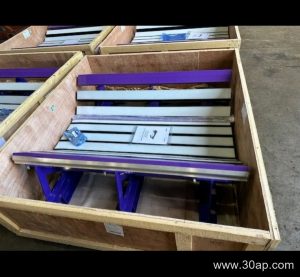
In a quarry, a coal washing plant, or a cement kiln line, the conveyor bracket price is a line item that quietly affects both the initial budget and the long-term reliability of the whole conveyor. A conveyor bracket is the steel frame that holds the idler roller in place, maintaining the belt profile and absorbing the load from the conveyed material. Unlike the conveyor belt or the drive pulley, the bracket is a static component, but its design and material quality determine how well the rollers stay aligned and how often maintenance crews need to intervene.
Construction and Common Types
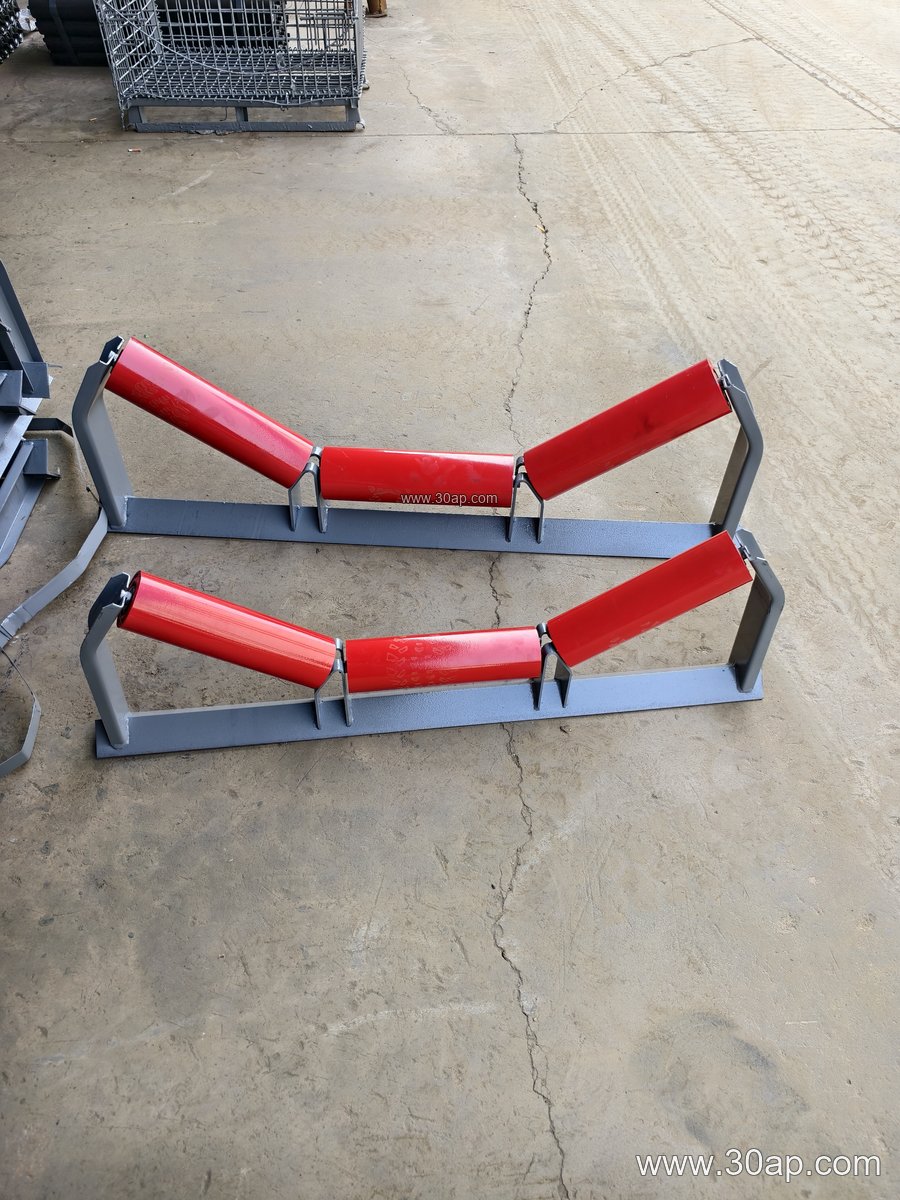
Most brackets are fabricated from angle steel, channel steel, or folded steel plate. The choice of material and thickness directly influences the unit price. A heavy-duty bracket for a primary crushing station will cost more than a light-duty version for a grain silo, simply because it uses more steel and may include reinforcement gussets.
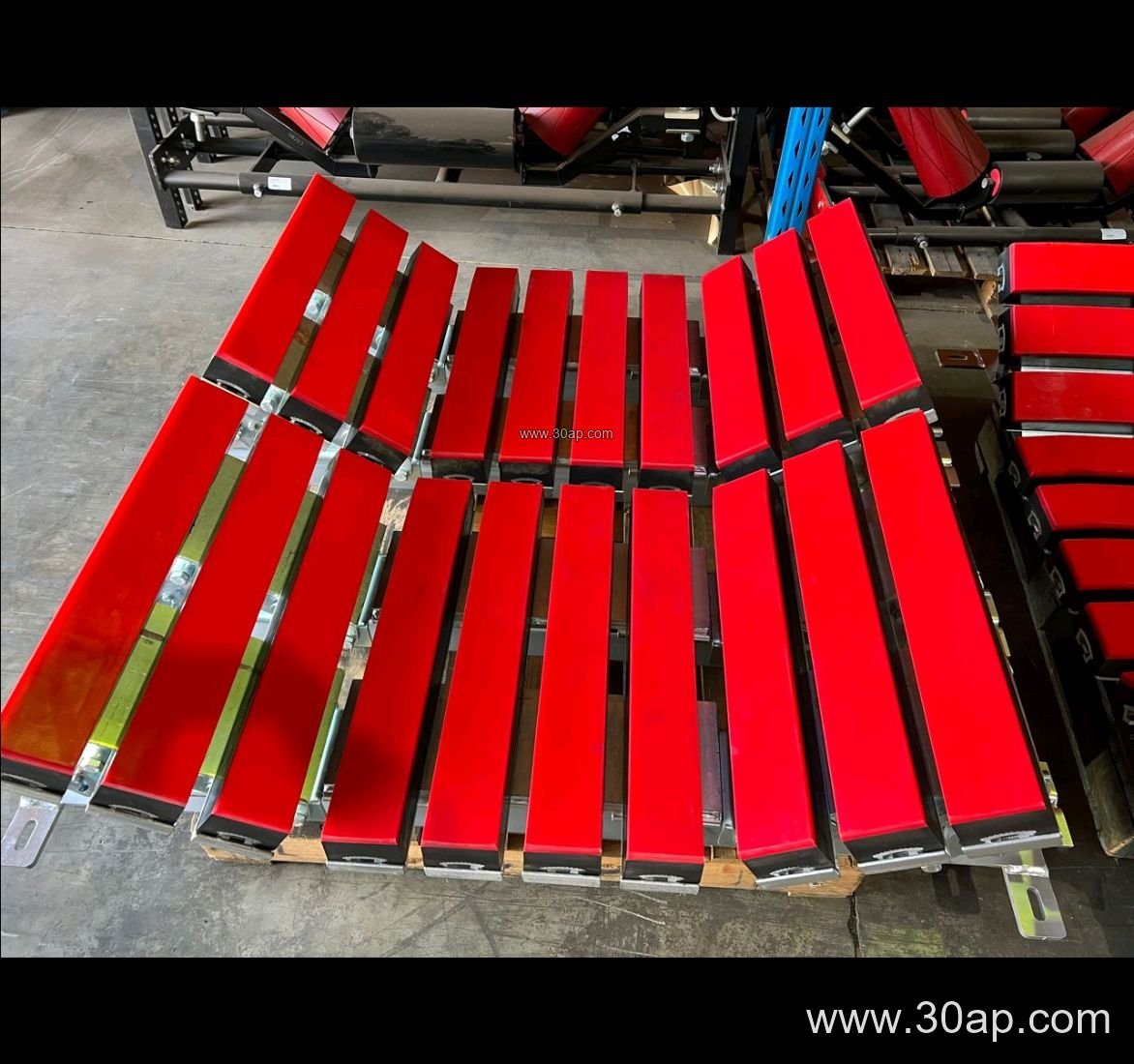
The type of bracket also drives cost. Common configurations include:
- Troughing brackets (upper carrying side)
- Transition brackets near the head or tail
- Return brackets and V-return brackets
- Impact brackets for loading points
- Self-aligning brackets
- Forward-leaning brackets (often around 1.5 to 2 degrees)
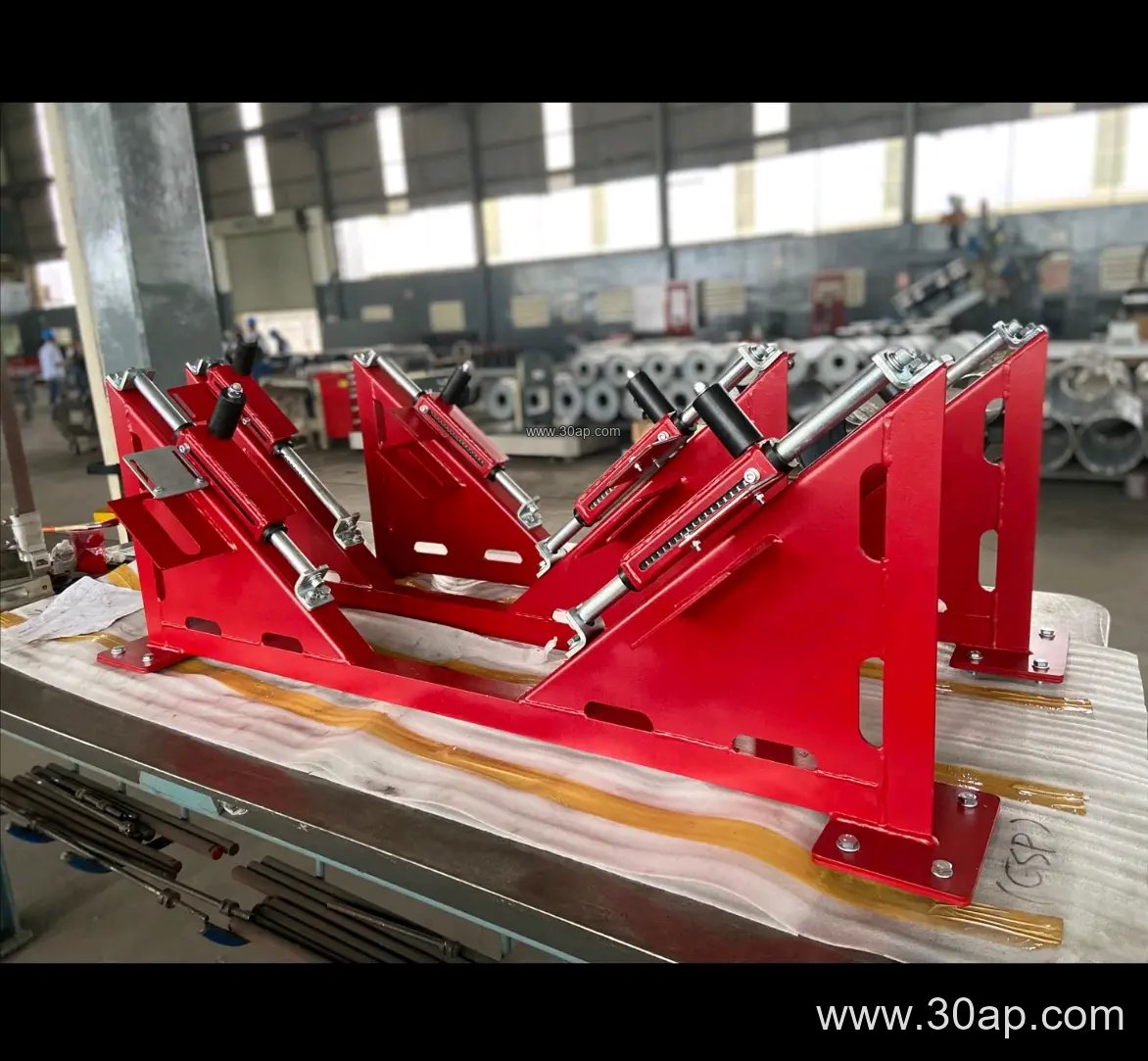
- Adjustable brackets with variable trough angles
An adjustable bracket usually costs more than a fixed one because of the extra hinge or slotted components, but it offers flexibility in operations where the belt loading pattern changes.
How Specifications Affect Price
Belt width and trough angle are the two variables that most often change the bracket price. A bracket for B500 is smaller and lighter than one for B2000, and the price scales accordingly. Trough angles of 20, 30, 35, and 45 degrees are common; the bracket must match the required angle unless it is an adjustable design. Roller diameter (Ø89, Ø108, Ø133, Ø159, Ø194) also matters because the bracket’s mounting slots and overall height must accommodate the roller shaft.
Below is a reference table showing typical combinations; these are examples, not fixed rules, and actual mounting hole spacing and beam length are determined by the conveyor design.
| Belt Width | Common Trough Angle | Typical Roller Diameter | Bracket Style |
|---|---|---|---|
| B500 | 20° – 30° | Ø89 | Fixed trough |
| B650 | 30° | Ø89 – Ø108 | Fixed or adjustable |
| B800 | 35° | Ø108 | Troughing |
| B1000 | 35° – 45° | Ø108 – Ø133 | Troughing or impact |
| B1200 | 45° | Ø133 | Transition or self-aligning |
| B1400 | 35° – 45° | Ø133 – Ø159 | Heavy-duty troughing |
| B1600 | 35° – 45° | Ø159 | Impact or return |
| B1800 | 35° – 45° | Ø159 – Ø194 | Heavy-duty |
| B2000 | 45° | Ø194 | Heavy-duty |
| B2200 | 45° | Ø194 | Heavy-duty |
Keep in mind that a single belt width does not dictate a single trough angle or roller diameter. The bracket price should be quoted against the actual conveyor duty, not a generic size.
Where the Money Goes
Several factors explain why two brackets that look similar can have different prices:
- Steel grade and thickness – thicker plate or channel steel costs more.
- Surface treatment – painted, galvanized, or hot-dip galvanized finishes add cost but extend service life in wet or corrosive environments.
- Adjustability – slotted holes, pivots, and locking mechanisms increase fabrication time.
- Quantity – bulk orders naturally reduce the per-unit price, but this is a commercial matter between buyer and supplier.
- Custom features – special mounting patterns, extra reinforcement for impact zones, or non-standard angles.
In a sand and gravel line or a power plant coal yard, the bracket price is often a small fraction of the total conveyor cost, but it pays to compare the material specification and fabrication quality rather than only the headline number.
Buying Advice
When requesting quotes for conveyor brackets, provide the belt width, required trough angle, roller diameter, and the mounting dimensions if available. Specify whether the bracket is for carrying, return, or impact service. For a tunnel boring operation or a fertilizer plant, environmental conditions such as dust, moisture, or corrosive atmosphere should be mentioned so the supplier can recommend an appropriate finish. Remember that the conveyor bracket works together with the conveyor belt, idler roller, and conveyor pulley; a well-matched bracket keeps the belt tracking properly and reduces wear on all these components.
Finally, treat the conveyor bracket price as one part of the total cost of ownership. A slightly higher-priced bracket with better steel and a proper finish may last longer and require fewer replacements, especially in remote sites where maintenance access is difficult.