What a 2200mm Conveyor Belt Is
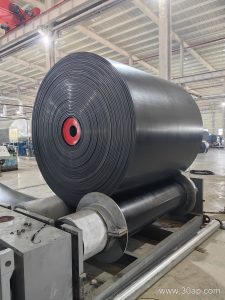
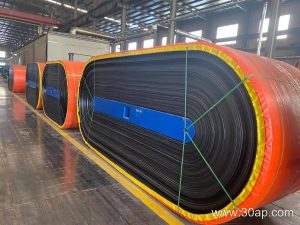
A 2200mm conveyor belt is a wide rubber belt built for high-capacity conveying systems. Measured across the full belt width, 2200 mm suits main haulage lines where large tonnages and bulky materials must move continuously. In practice, plants often describe the same product as a 2.2m wide conveyor belt or a 2200 mm wide rubber belt, and these names refer to one and the same item. The width is only one part of the specification; carcass type, cover grade, tensile strength and splice method all shape how the belt performs on site.
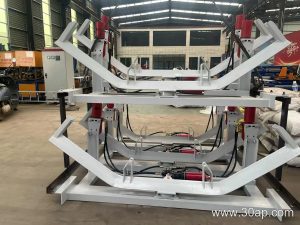
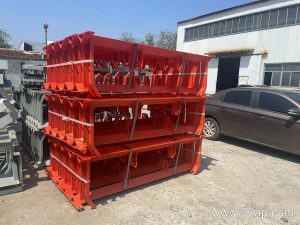
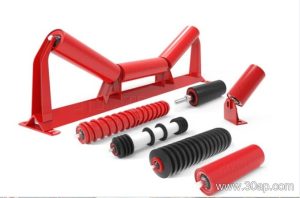
Such a belt is commonly found in mines, coal preparation plants, cement works, power stations and sand and gravel yards, where it runs over conveyor pulleys and idler rollers mounted on sturdy conveyor brackets. Because the belt is wide, alignment and support become especially important, so the whole conveyor, not just the belt, needs to be considered during design.
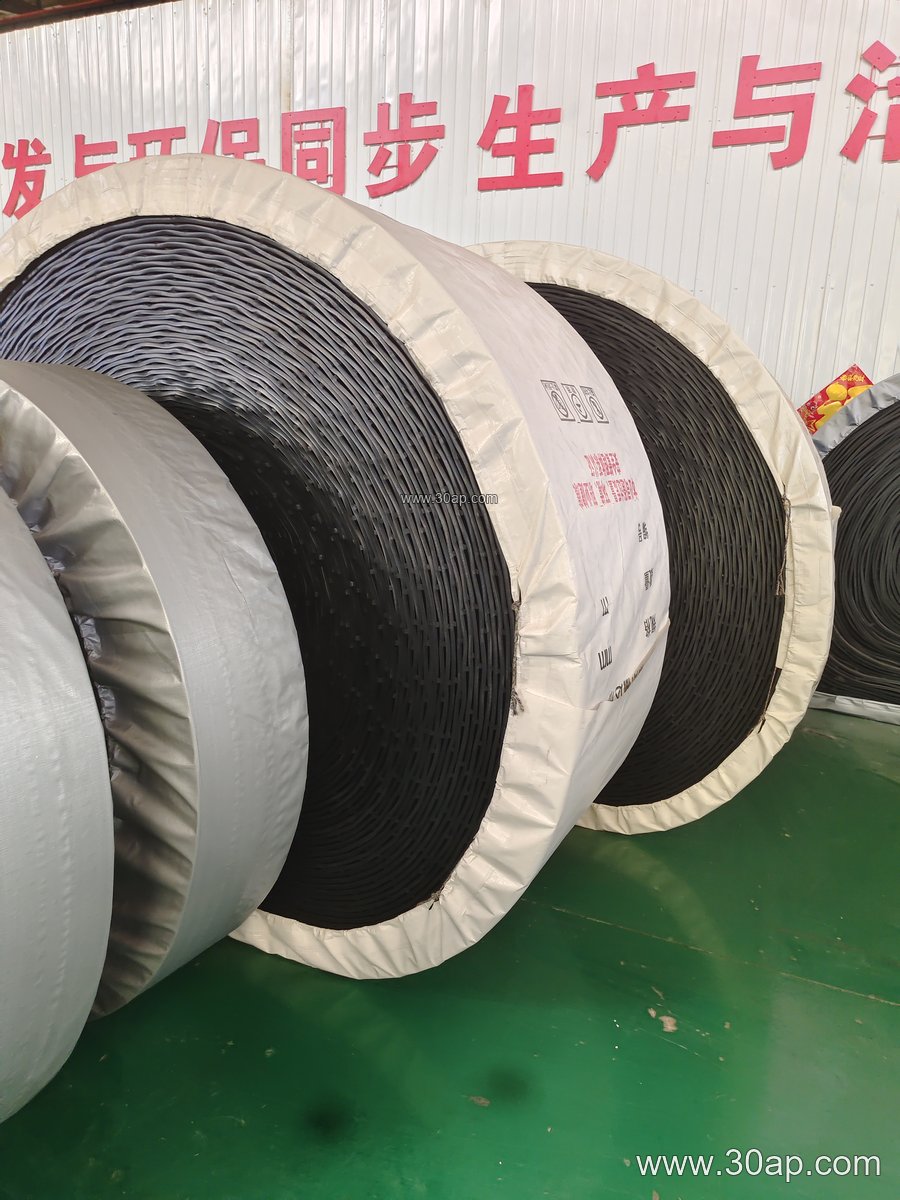
Construction and Typical Specifications
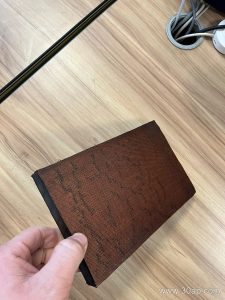
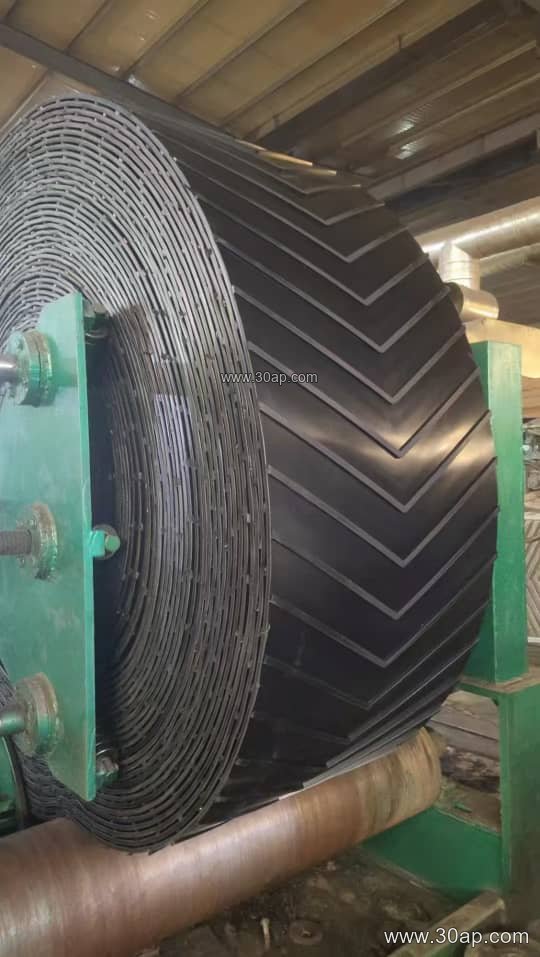
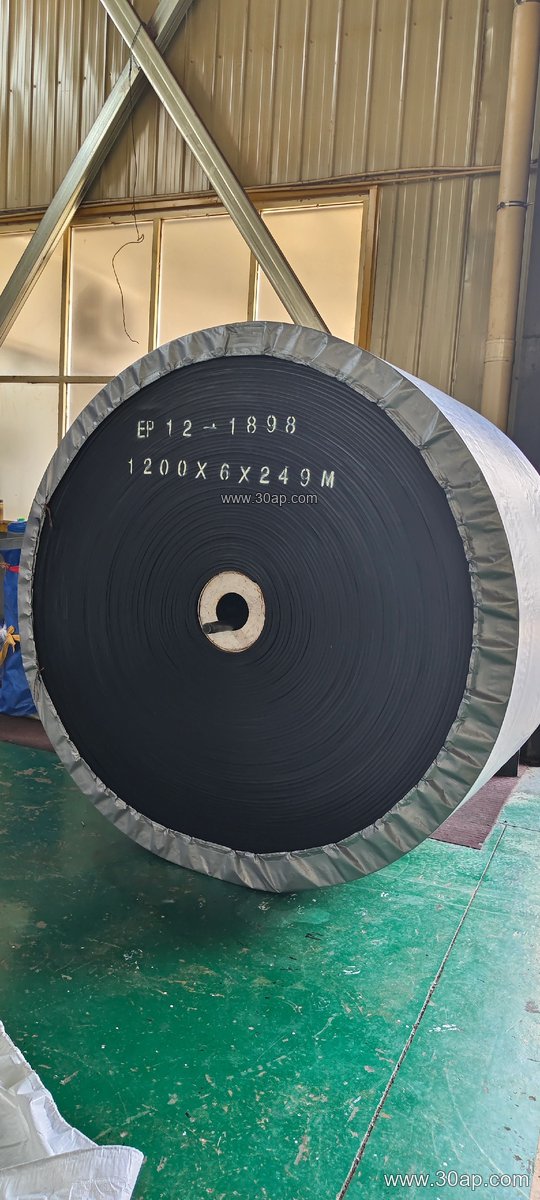
Most wide belts use a fabric carcass or a steel cord carcass. Fabric types include EP and NN nylon constructions, while steel cord belts are chosen for very long runs and high tension. Rubber covers protect the carcass from abrasion, heat, oil or moisture, and special grades are available for flame resistance, antistatic service, cold climates and chemically aggressive environments.
The table below shows common reference values. These are typical ranges, not fixed rules, and final values should follow the conveyor design and the belt maker’s data.
| Parameter | Common reference values |
|---|---|
| Belt width | 2200 mm |
| Carcass type | EP, NN nylon, steel cord |
| Tensile strength (EP) | EP200 to EP2000 |
| Cover thickness | 4+2, 5+2, 6+2, 8+3 mm |
| Fabric plies | 2 to 6 layers |
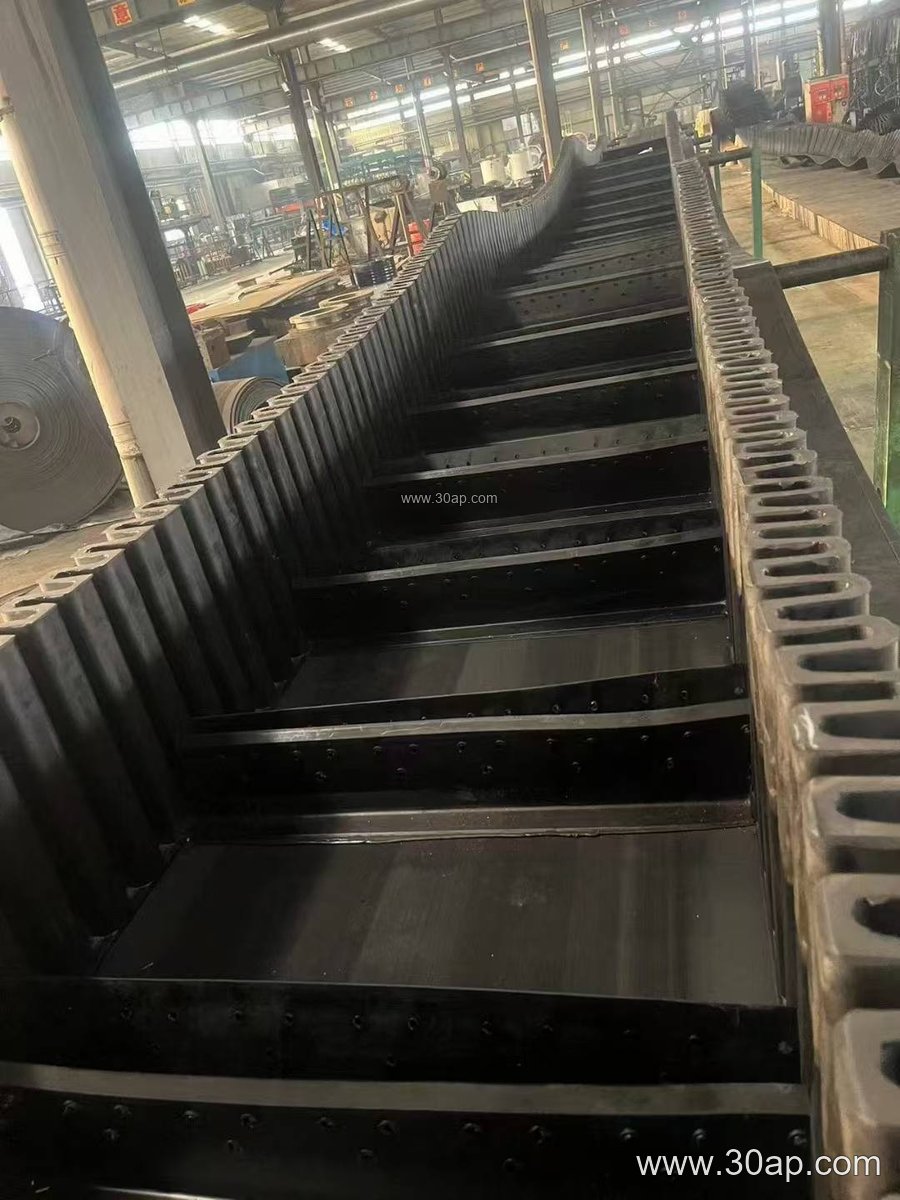
| Surface forms | Plain, patterned, chevron, corrugated sidewall |
Cover thickness is usually written as top cover plus bottom cover, for example 6+2 mm. Thicker covers last longer in abrasive duty such as iron ore or crushed stone, while thinner covers may be enough for cleaner, lighter loads. Flame-resistant and antistatic grades are often requested for coal handling, and heat-resistant grades for cement clinker or sinter duty.
Where the Width Matters
A 2200mm belt allows a deep material bed and high throughput, which is why it appears on main trunk conveyors rather than small transfer lines. In a coal mine it may carry run-of-mine coal from the shaft area to the preparation plant; in a cement plant it may feed limestone from the quarry stockpile to the crusher; in a power station it may handle fuel on a long inclined route. Sand and gravel operations also use wide belts when a single stream must handle a large output.
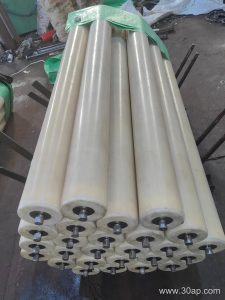
On these systems the belt works together with conveyor pulleys, idler rollers, conveyor brackets and the take-up arrangement. Drive pulleys transmit the motion, tail pulleys return the belt, and bend pulleys guide it around curves and tensioning devices. Each has its own role and should be specified separately. A wide belt usually calls for well-supported troughing idlers and careful transition distances so the edges are not overstressed.
Selection and Buyer Checklist
- Confirm the actual belt width and the conveyor’s rated capacity, since 2200 mm is a design choice, not a universal requirement.
- Match tensile strength to the calculated belt tension, allowing for starting and stopping loads.
- Choose the cover grade for the real duty: abrasion, heat, oil, flame or cold.
- Decide between fabric and steel cord carcass based on run length and tension.
- Check pulley diameters and shaft sizes against the conveyor designer’s figures rather than assuming a fixed relationship with belt width.
- Plan the splice: vulcanized splices are common for high-tension wide belts, and splice quality strongly affects service life.
- Review storage, installation and training procedures so the belt runs centered on the idlers.
Maintenance Notes
Wide belts reward routine attention. Inspect idler rollers for seizures that can score the belt surface, check pulley lagging for wear, and keep the belt tracking straight. Look for edge damage, cover gouges and splice separation, and clean spillage from return runs. In dusty plants such as cement works or coal handling, antistatic and flame-resistant properties should be maintained, and any repair should use compatible materials.
Buyers should ask for the belt’s data sheet, splice recommendations and handling instructions, and should treat published sizes as reference points to be confirmed for each project. A 2200mm conveyor belt is a serious investment, and matching it correctly to the conveyor pulleys, idlers and brackets is the surest way to get long, quiet service.