What a 630mm Diameter Conveyor Pulley Is
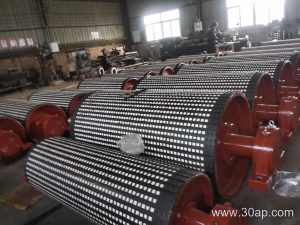
A 630mm diameter conveyor pulley is a large-diameter drum used to support and drive the conveyor belt in bulk material handling systems. With a nominal shell diameter of Ø630 mm, this pulley sits in the mid-to-large range of the standard pulley series, making it a practical choice for mainline conveyors in stone quarries, cement plants, coal preparation facilities, and power station coal yards. It is often specified as a drive pulley, head pulley, or tail pulley depending on where the belt loop needs power transmission or direction change.
The same product is also described as a Ø630 conveyor drum or 630 mm belt pulley. These are equivalent names for the same item, not different components. A drive pulley, a tail pulley, and a bend pulley remain distinct roles, and a 630mm diameter conveyor pulley can serve any of them when the duty calls for it.
How the Pulley Is Built
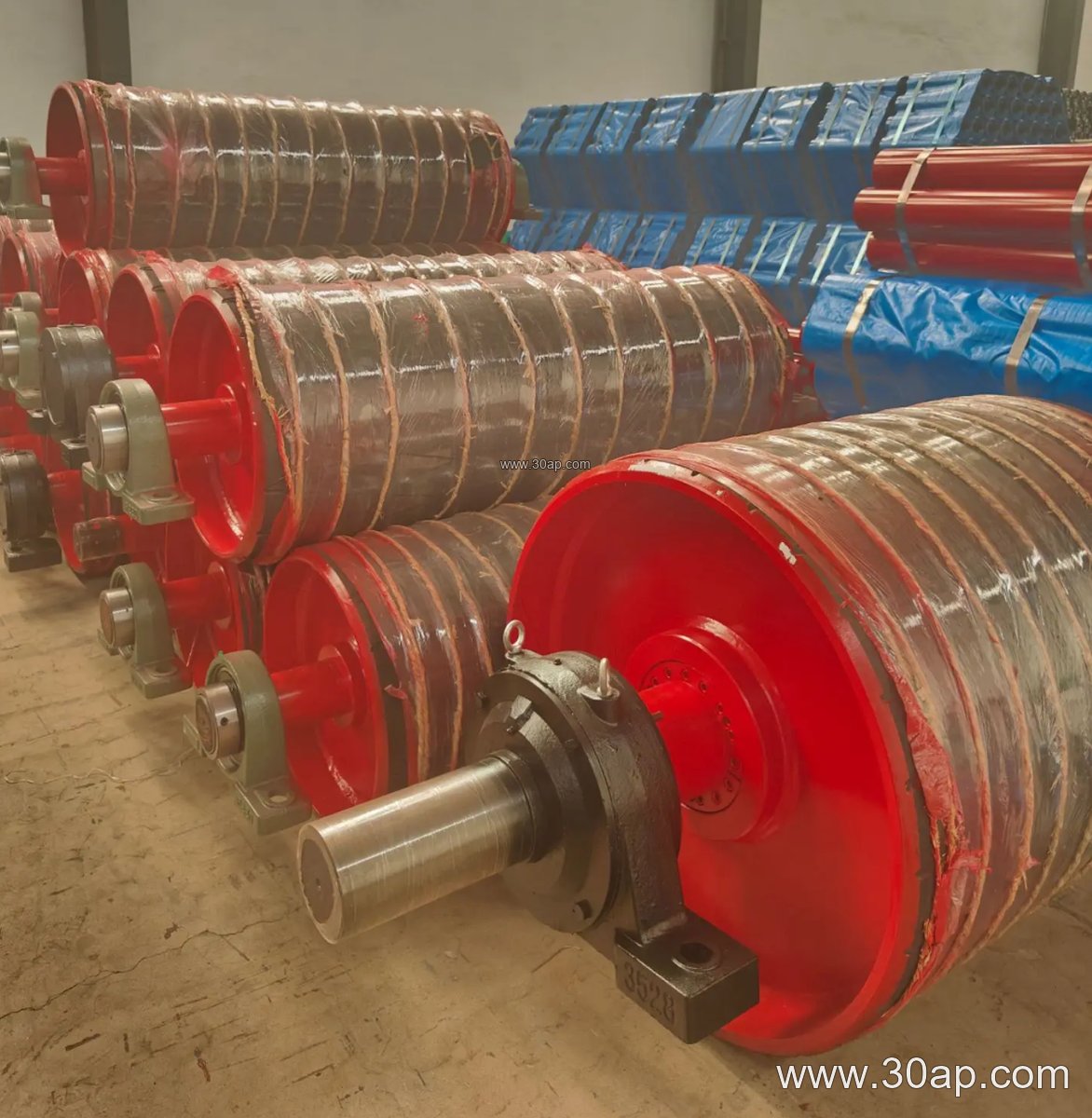
The typical construction combines a rolled steel shell, welded end discs, a shaft, and bearing housings. Shell thickness and shaft diameter are determined by torque and belt tension rather than by belt width alone. Common shaft sizes in this class include Ø120, Ø140, Ø160, and Ø180 mm, but the final value follows the design calculation.
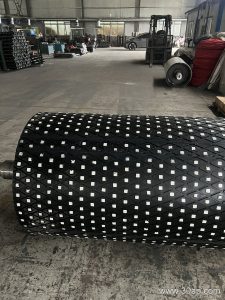
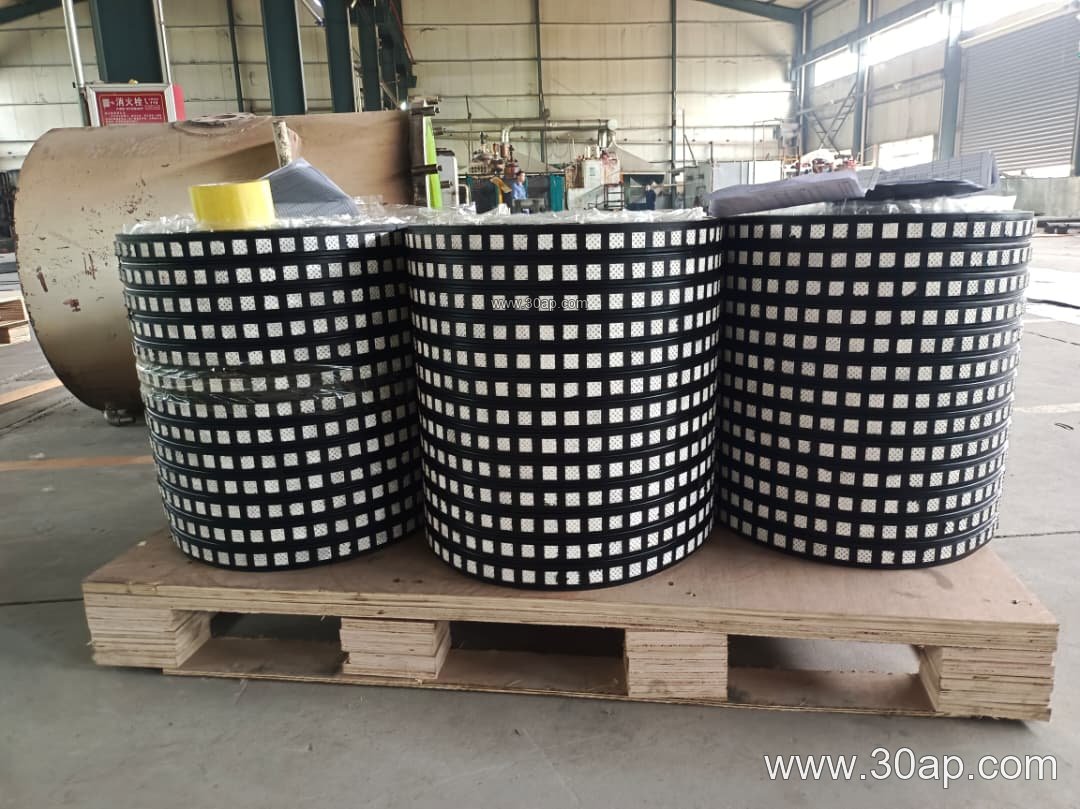
Surface treatment is a major specification. A 630mm diameter conveyor pulley may be supplied plain, or covered with rubber lagging applied by hot vulcanizing, cold bonding, or casting. Diamond grooved lagging and herringbone lagging improve grip on wet or dusty belts, while ceramic lagging suits abrasive service. Lagging thickness commonly falls between 8 mm and 20 mm.
Face width usually exceeds belt width so the belt is fully supported. Reference values include:
| Belt width | Typical pulley face width |
|---|---|
| B800 | about 950 mm |
| B1000 | about 1150 mm |
| B1200 | about 1400 mm |
| B1400 | about 1600 mm |
These are reference figures, not fixed pairings. A B1200 belt may run on a Ø630 pulley in one conveyor and on a Ø800 or Ø1000 pulley in another, because diameter also depends on wrap angle, belt speed, and tension.
Where It Fits in the Conveyor
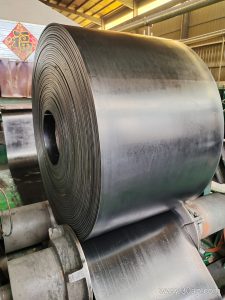
In a limestone quarry or aggregate crushing line, a 630mm diameter conveyor pulley often serves as the head pulley at the discharge point, where high tension and continuous operation demand a robust shell and reliable lagging. In a coal preparation plant it may act as a tail pulley or tension pulley, guiding the return side of the conveyor belt. Similar duties appear in clinker handling at cement works and in coal conveying at power stations.
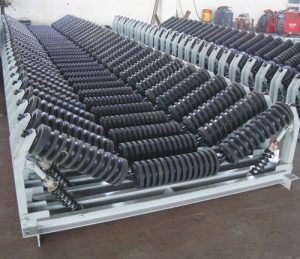
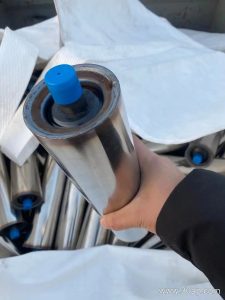
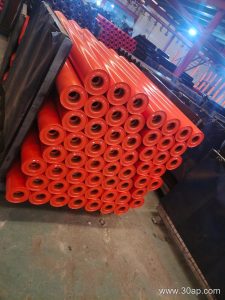
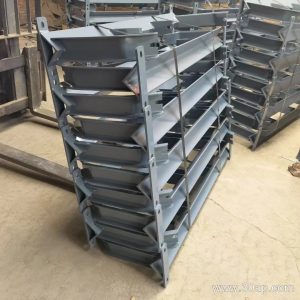
Large diameters like Ø630 reduce belt bending stress and improve wrap around the drum, which helps in long-center conveyors. They also pair well with heavy idler roller sets and sturdy conveyor brackets that keep the belt aligned through the transition zone.
Buyer Checklist
- Confirm the pulley role: drive, tail, bend, take-up, or snub, since each has different load expectations.
- State belt width, belt speed, and maximum tension so the shell and shaft can be sized correctly.
- Choose lagging based on environment: plain for clean dry service, diamond or herringbone rubber for wet conditions, ceramic for highly abrasive material.
- Check bearing type and housing fit, plus shaft diameter and keyway dimensions.
- Ask for dynamic balancing data for high-speed applications.
- Plan inspection of lagging wear and bearing condition as part of routine maintenance.
A 630mm diameter conveyor pulley is a versatile mid-range drum that suits many mainline and transfer conveyors. Matching it to the actual belt tension, speed, and material conditions is more important than copying a size from another plant.