What a 2000mm Conveyor Belt Is
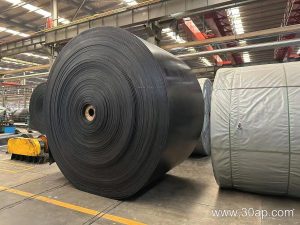
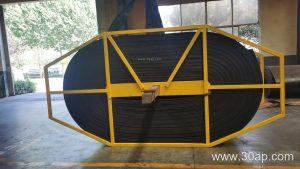
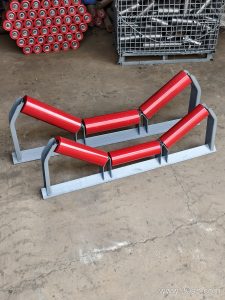
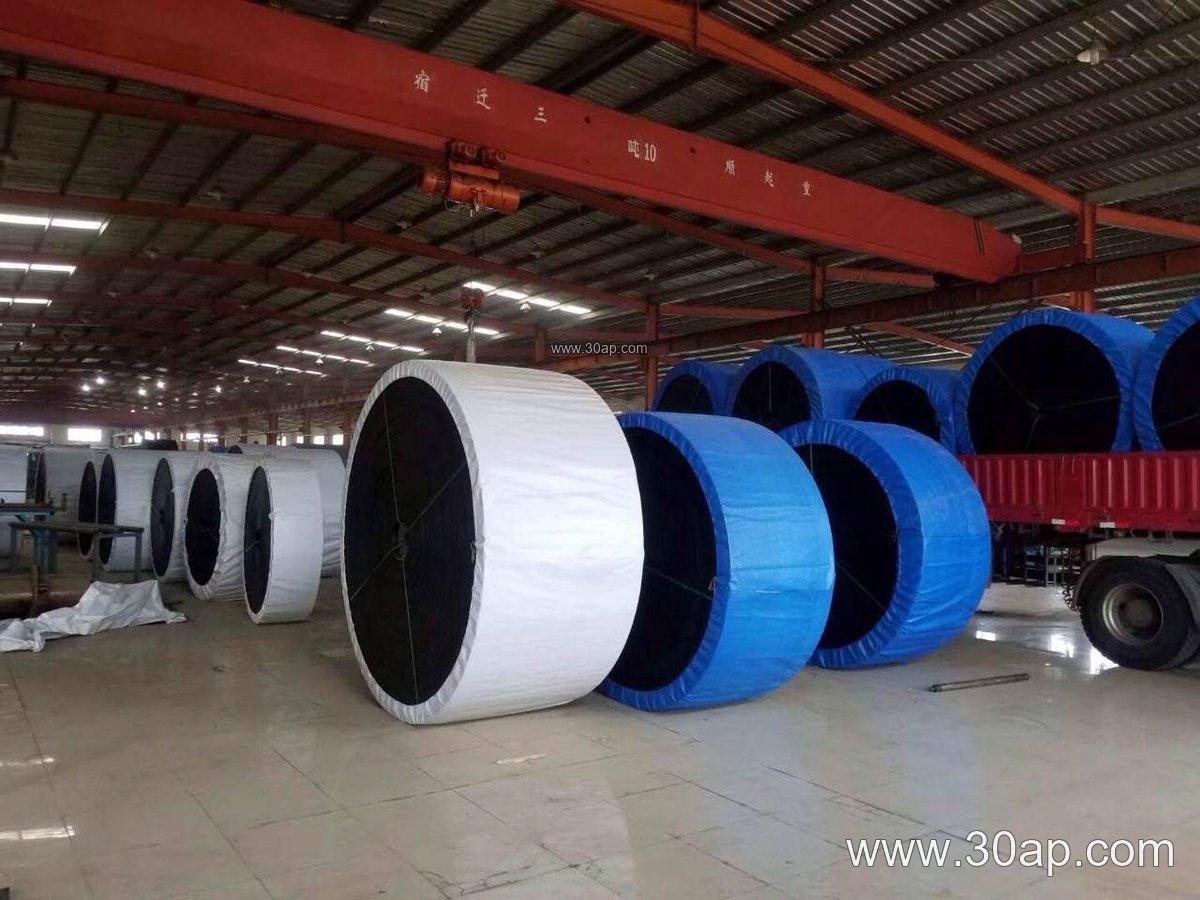
A 2000mm conveyor belt is a heavy-duty belt with a nominal width of 2000 millimeters, designed for conveyor systems that need to move large volumes of bulk material. In industrial settings such as mining, coal preparation, cement plants, power stations, and sand and gravel yards, this extra-wide belt helps reduce the number of parallel conveyor lines and can simplify transfer points. The belt itself is only one part of the system; it works together with idler rollers, conveyor pulleys, and conveyor brackets to form a complete conveying solution.
Because of its width, a 2000mm conveyor belt is often specified for main haulage or high-capacity feeding lines rather than small in-plant circuits. The exact load it can carry depends on the belt construction, the drive arrangement, the idler spacing, and the material characteristics.
Construction and Common Specifications
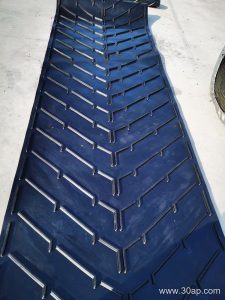
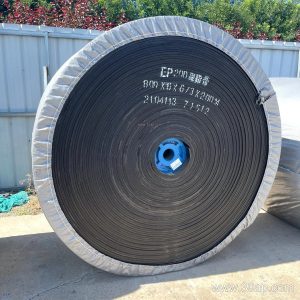
Most 2000mm conveyor belts use a fabric or steel cord carcass covered with rubber or PVC compounds. The carcass provides tensile strength and resistance to impact, while the cover protects against abrasion, heat, oil, or chemicals depending on the application. Buyers can choose from several common constructions:
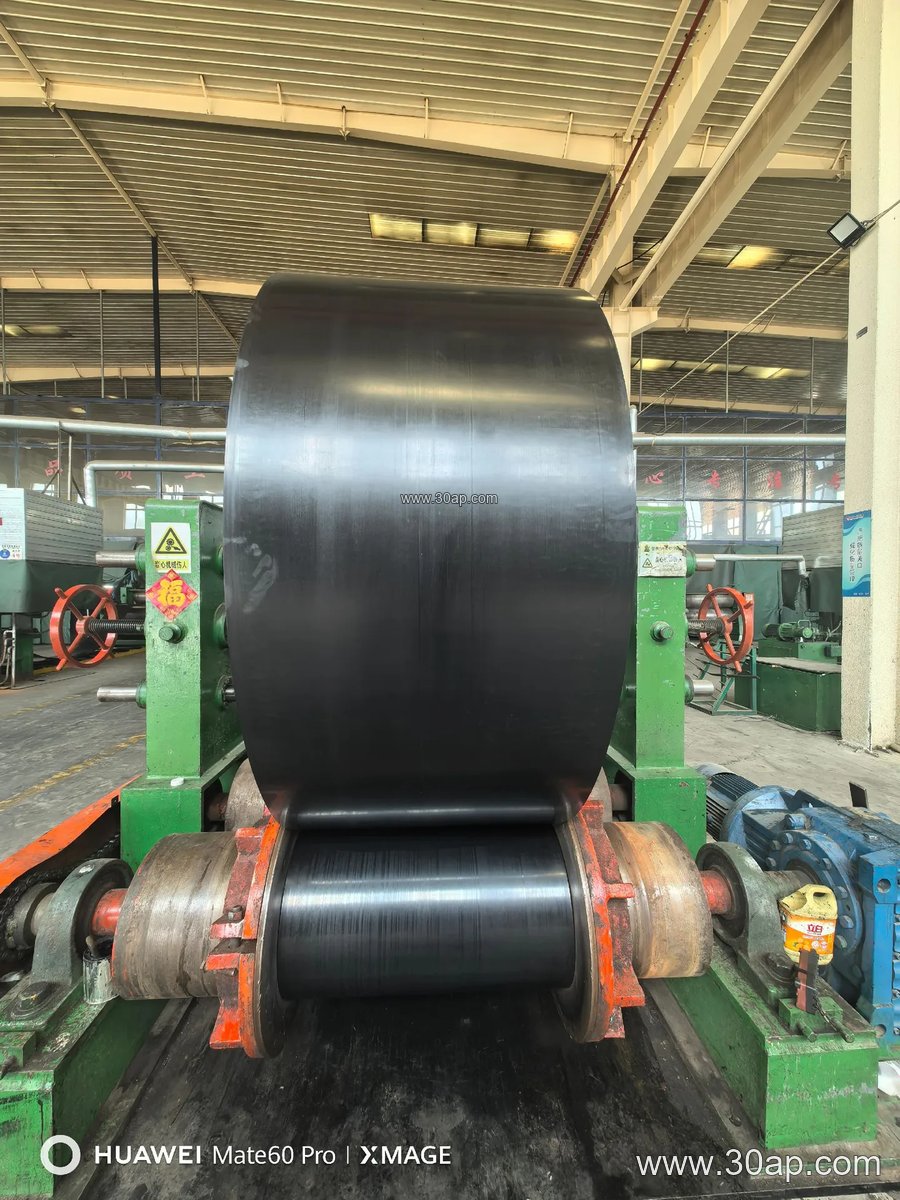
- EP conveyor belt – polyester-cotton fabric carcass, often used in general bulk handling.
- NN nylon conveyor belt – nylon fabric carcass with good flexibility and fatigue resistance.
- Steel cord conveyor belt – high tensile strength for long-distance or high-capacity lines.
- PVC or PVG conveyor belt – solid-woven or rubber-covered belts for underground coal or fire-sensitive areas.
For a 2000mm belt, common strength grades include EP200, EP315, EP400, EP500, EP630, EP800, EP1000, EP1250, EP1600, and EP2000, though the final choice depends on the conveyor design. Cover rubber thickness is usually given as top cover plus bottom cover, for example 4+2 mm, 5+2 mm, 6+2 mm, or 8+3 mm. The number of fabric plies typically ranges from 2 to 6 layers. Special grades such as wear-resistant, heat-resistant, oil-resistant, flame-retardant, antistatic, cold-resistant, and acid-alkali resistant belts are available for specific operating conditions.
Where It Is Used
This belt width is frequently found in mines, coal washing plants, cement production lines, power plant coal yards, and large sand and gravel operations. A 2000mm conveyor belt can handle high tonnage with a single stream, which helps reduce spillage and maintenance at transfer points. It is also used in port bulk terminals and steel mills where large feed openings are required.
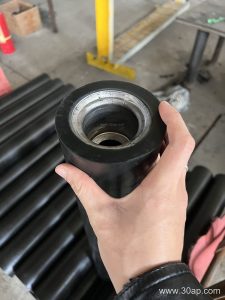
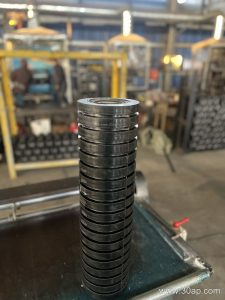
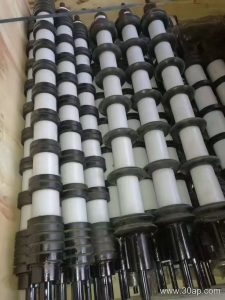
In these systems, the belt runs over idler rollers that support the load and maintain the trough shape. Conveyor pulleys at the head and tail drive and tension the belt, while conveyor brackets hold the idlers and pulleys in alignment. Proper matching of these components is essential; a wide belt should not be treated as a simple drop-in replacement for a narrower one without checking the entire conveyor structure.
Buyer Checklist
Before ordering a 2000mm conveyor belt, gather the following information:
- Belt width and required strength grade (for example EP630 or EP1000).
- Cover rubber thickness and special properties such as heat, oil, or flame resistance.
- Carcass type and number of plies, if applicable.
- Pulley diameters and idler spacing on the existing conveyor.
- Material size, temperature, and any chemical exposure.
Keep in mind that belt width alone does not determine pulley diameter or shaft size. Those values must be confirmed by the conveyor designer. A 2000mm belt is a substantial investment, so it is wise to verify the load capacity, take-up arrangement, and transition distance before installation.
Maintenance Notes
Regular inspection of the belt surface, splice condition, and edge wear helps prevent unexpected downtime. Check idler rollers for seizure and ensure conveyor pulleys remain aligned. Keep the belt tension within the manufacturer’s recommended range, and clean spillage promptly to avoid material build-up on the return side. With proper care, a 2000mm conveyor belt can provide reliable service in demanding industrial environments.