What the EP1000 1200mm Conveyor Belt Is
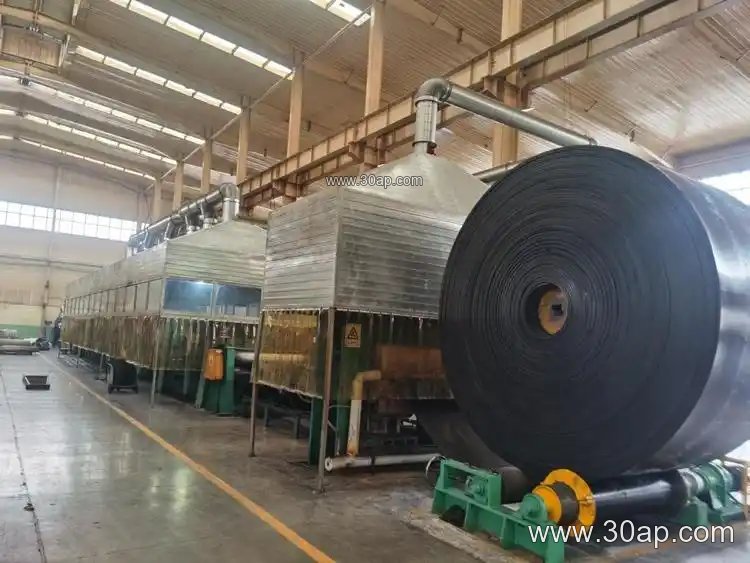
The EP1000 1200mm conveyor belt is a heavy-duty fabric-reinforced rubber belt built around polyester-nylon (EP) carcass layers. The designation combines two things: EP1000 refers to the nominal tensile strength of the carcass, and 1200mm is the belt width, commonly written as B1200. This is the kind of belt chosen for main haulage lines where a wide, strong and fatigue-resistant belt must move large tonnages of bulk material over long distances.
The EP carcass is the reason this belt suits demanding duty. Polyester warp yarns carry the pull and resist stretch, while nylon weft yarns absorb impact and flexing. Compared with an NN nylon conveyor belt of the same strength class, an EP belt usually shows lower elongation under load, which helps keep take-up travel and belt tracking under control on long conveyors.
Construction and Typical Specifications
An EP1000 belt is generally built from two to six fabric plies, with cover rubber selected for the duty. Buyers often see the cover expressed as top plus bottom thickness in millimetres. The values below are common industry references, not a fixed supply promise; actual construction is confirmed per design and per manufacturer.
| Parameter | Typical reference values |
|---|---|
| Strength grade | EP1000 (other grades in the range include EP200 to EP2000) |
| Belt width | 1200mm (B1200) |
| Carcass plies | Commonly 2 to 6 layers, depending on grade and design |
| Cover thickness | Common combinations such as 3+1.5, 4+2, 5+2, 6+2 or 8+3 mm |
| Cover compounds | Plain, abrasion-resistant, heat-resistant, oil-resistant, flame-retardant, antistatic, cold-resistant, acid and alkali resistant |
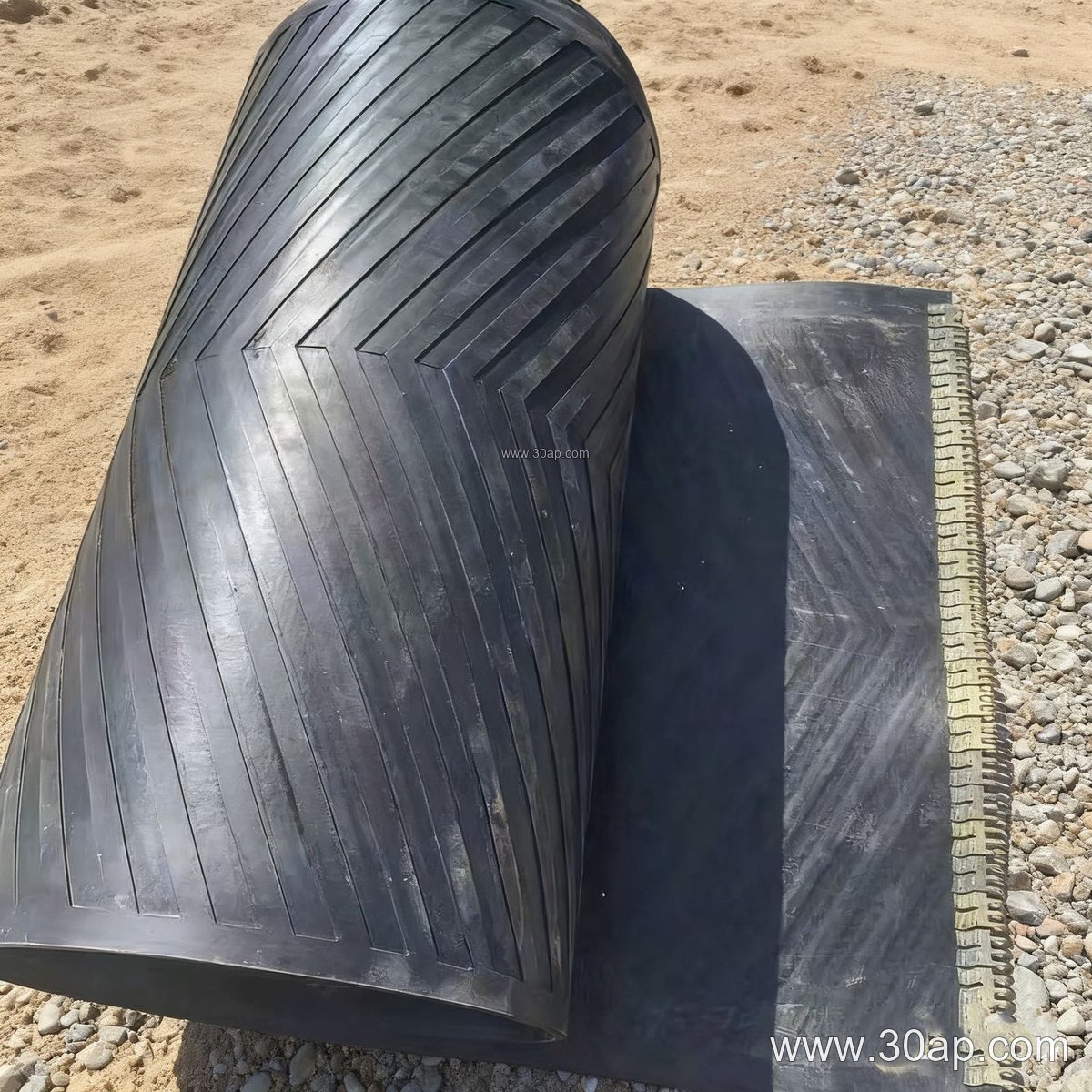
| Surface forms | Smooth, patterned or chevron (cleated and corrugated sidewall belts are separate designs) |
A 1200mm width is a common choice for high-capacity main lines, and it pairs with a range of conveyor pulley diameters and idler roller sizes according to the conveyor design. Belt width alone does not dictate one pulley diameter or one shaft size; those follow from the belt tension, load and engineering calculation.
Where It Fits in the Plant
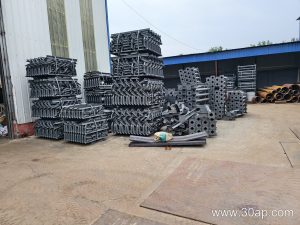
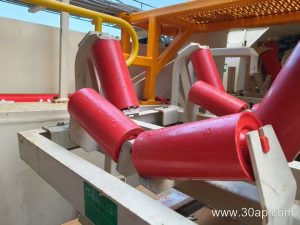
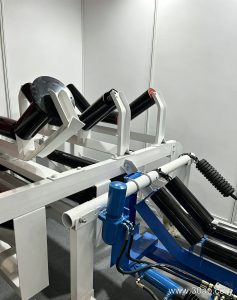
This strength-and-width combination turns up in mines and coal preparation plants, cement works, power stations and sand and gravel yards. In a crushing circuit it may run as a primary discharge belt; in a cement plant it can serve clinker or raw material transport; in a coal yard it may feed stockpiles or bunkers. When the route includes a curve, a bend pulley helps redirect the belt, while a drive pulley and tail pulley handle power transmission and return. Support comes from the conveyor frame, conveyor brackets and idler rollers spaced along the carry and return sides.
For dusty or potentially explosive atmospheres, a flame-retardant and antistatic grade is often specified. For hot clinker or sinter, a heat-resistant cover is used instead of a standard compound. These are cover-grade choices, not different belt types.
Selection Points for Buyers
Start with the actual duty: material, lump size, tonnage per hour, incline, centre distance and ambient conditions. Then confirm the strength class and cover grade. A belt with a thicker cover may last longer under abrasion, but it also adds weight and cost, so the cover should match the wear mechanism rather than simply being maximised.
- Check that the quoted cover thickness is stated as top plus bottom, and confirm which compound is offered.
- Ask for the ply number and carcass grade so the belt can be compared fairly with alternatives.
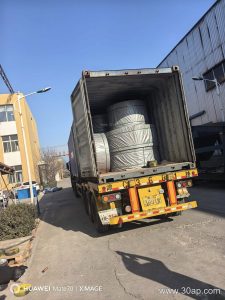
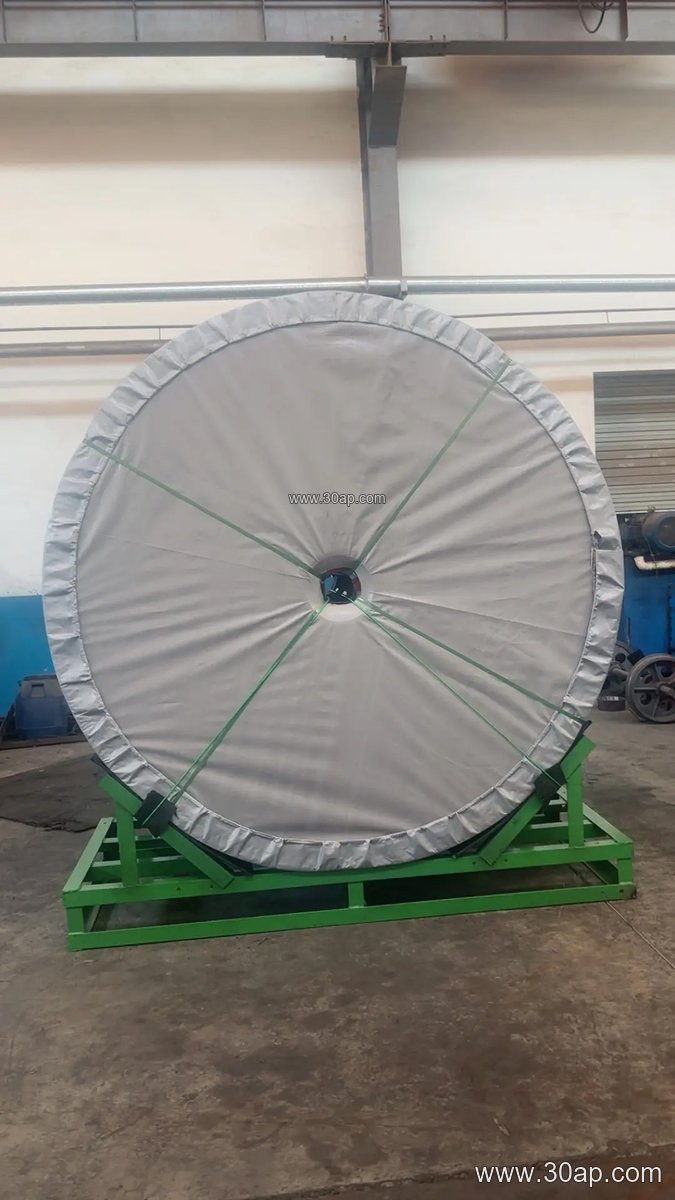
- Confirm splicing method and whether the belt is supplied in rolls or cut to length.
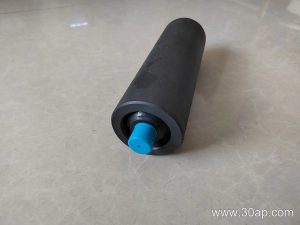
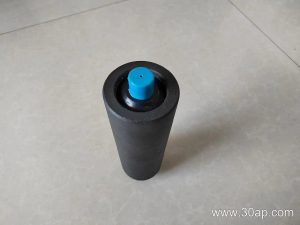
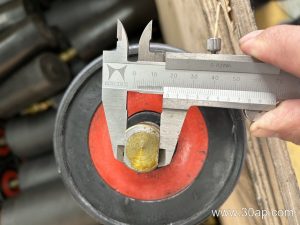
- Review pulley and idler roller specifications together with the belt, since they interact in tracking and belt life.
- For inclined sections, consider a patterned or chevron surface only where it genuinely helps material retention.
Installation and Maintenance Notes
Correct storage matters: keep rolls dry, upright and away from direct sunlight and ozone sources. During installation, align the conveyor pulley and idler roller frames before tensioning, and check that the belt runs centred through the whole length. A belt that mistracks at start-up usually points to frame alignment, pulley squareness or uneven loading rather than the belt itself.
In service, inspect the belt regularly for edge damage, cover wear, ply separation and splice condition. Keep the conveyor brackets and rollers clean and free-turning, because a seized idler roller can score the cover and shorten belt life. Retension only to the level the design requires; excessive tension loads the carcass and the drive pulley bearings without improving grip.
Used within its design envelope, an EP1000 1200mm conveyor belt offers a practical balance of strength, width and fatigue resistance for heavy bulk handling in mining, cement, power and aggregate operations.