What a Double-Row Return Idler Does
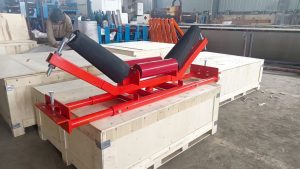
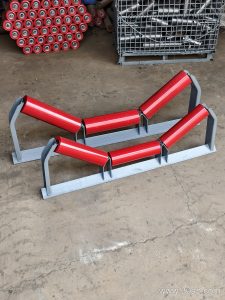
On the return strand of a conveyor belt, the belt has already discharged its load and is traveling back toward the tail pulley. A double-row return idler is a two-roller assembly that supports this empty belt from below. Rather than using a single full-width roller, it places two shorter idler rollers side by side on a common frame. This arrangement is also known as a two-roller return idler set or a double-roll return station. The two rollers share the belt load and help keep the belt tracking in a stable path, especially where the belt is wide or where the return strand carries some residual material.
Construction and Key Components
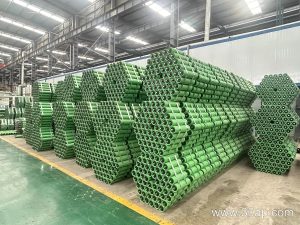
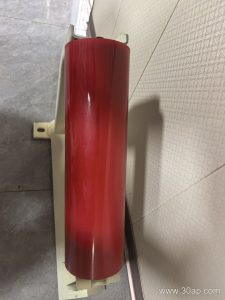
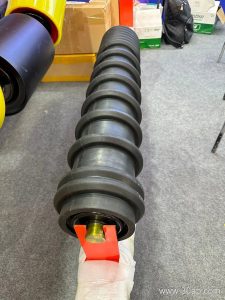
The assembly typically consists of a sturdy steel frame, two idler rollers, and the necessary shaft and bearing housings. Each roller usually has a steel tube shell, though nylon, ceramic, or rubber-covered surfaces may be selected for specific conditions. The rollers are mounted at a slight angle or parallel to each other, depending on the design and the belt tracking requirements. Common bearing sizes for these rollers include 6204, 6205, 6305, 6306, 6308, and 6310, but the bearing is matched to the roller diameter and load, not chosen by belt width alone.
Roller diameters for return idlers commonly range from Ø63 mm up to Ø219 mm. The frame is often bolted to the conveyor structure using conveyor brackets, which allow for height adjustment and alignment. The shaft may be a through-shaft design or a stub-shaft design, and the sealing arrangement is important to keep dust and moisture out of the bearings, particularly in dusty environments like coal mines, cement plants, or aggregate yards.
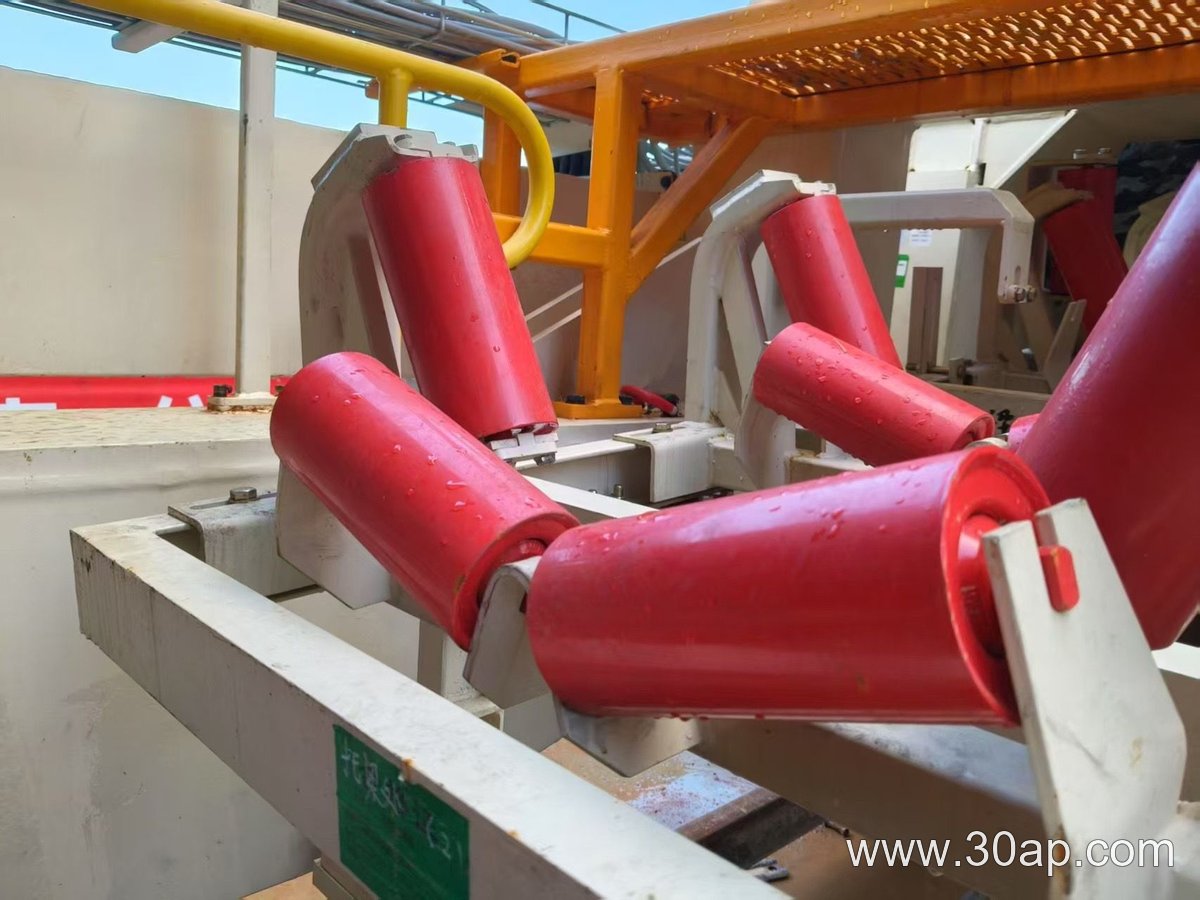
Where Double-Row Return Idlers Are Used
These return idlers are found in many bulk material handling systems. In a coal-fired power plant, they support the return belt on the coal conveyor. In a limestone quarry or sand and gravel line, they help manage the belt after the crusher discharge. They are also used in iron ore, copper ore, and bauxite operations, as well as in fertilizer and grain handling facilities. The double-row design is particularly useful when the belt is wide, when the return strand has a tendency to misalign, or when there is limited space for a single large roller.
Relationship to Belt Width and Roller Dimensions
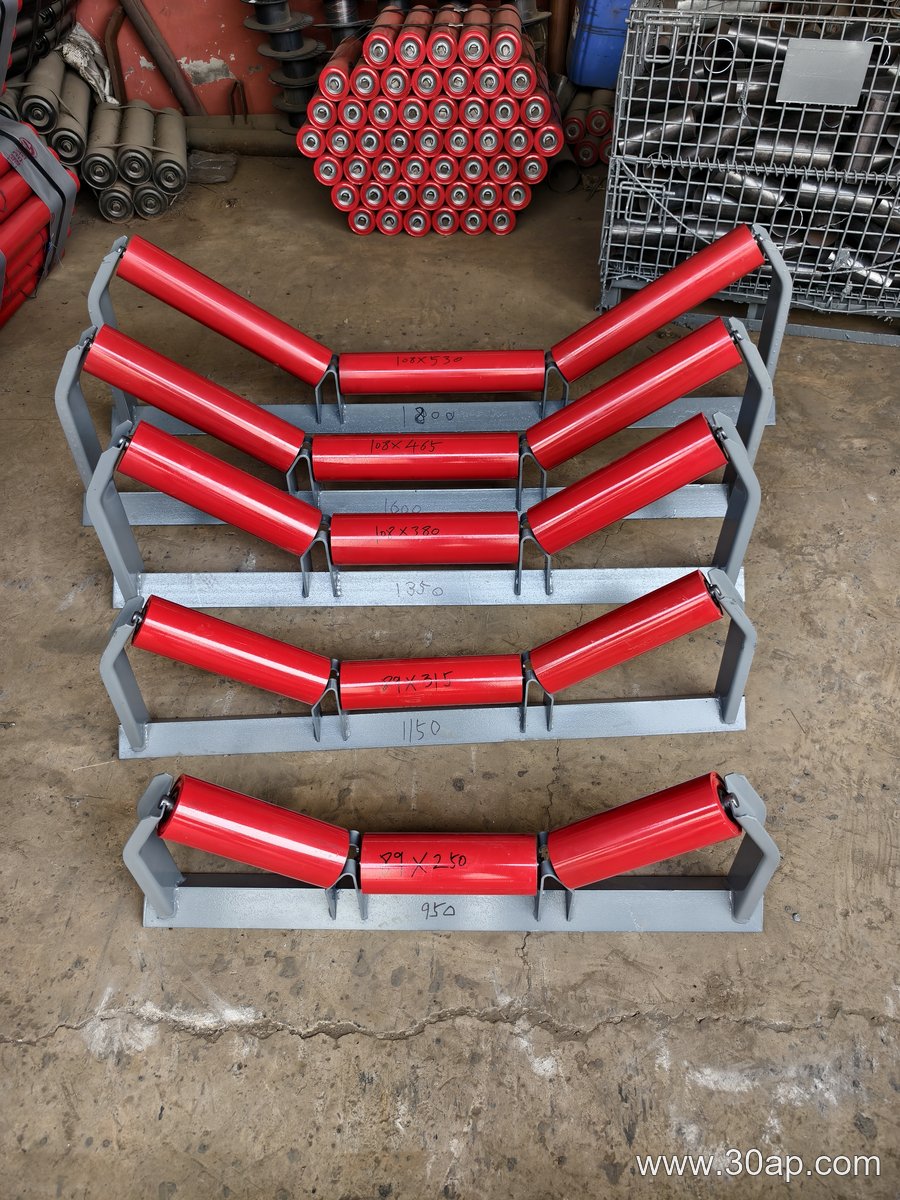
The length of each roller and the overall assembly width are matched to the conveyor belt width and the return idler configuration. For reference, common roller lengths for three-roll troughing sets on the carrying side are approximately 200 mm for B500, 250 mm for B650, 315 mm for B800, 380 mm for B1000, 465 mm for B1200, 530 mm for B1400, 600 mm for B1600, 670 mm for B1800, and 750 mm for B2000. These values are examples only and apply to carrying idlers; return idler roller lengths follow their own design rules and should be confirmed with the manufacturer. Side rollers and center rollers can differ, and a given belt width does not dictate a single pulley diameter or shaft size.
Selection and Maintenance Notes for Buyers
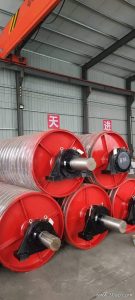
When specifying a double-row return idler, consider the belt width, the maximum lump size on the return strand, the ambient conditions, and the required service life. In dusty or wet environments, choose rollers with effective labyrinth seals and corrosion-resistant bearing housings. The roller surface can be plain steel, nylon, ceramic, or rubber-covered; rubber-covered rollers can reduce noise and protect the belt in some applications. For comparison, a V-type return idler uses angled rollers to center the belt, while a flat single-roller return idler is simpler but may not handle wide belts as effectively. A double-row return idler is not a replacement for a drive pulley, tail pulley, or bend pulley; those are different components with different functions.
Regular inspection should check for roller rotation, seal condition, and frame alignment. Worn or seized rollers can damage the conveyor belt and increase power consumption. Replacing rollers before they fail helps avoid unplanned downtime in continuous operations such as mines, ports, and steel plants.