What a Chemical Resistant Conveyor Belt Is
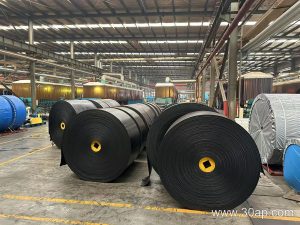
A chemical resistant conveyor belt is a rubber or polymer conveyor belt designed to carry materials that would attack standard belt compounds. In plants handling acids, alkalis, salts, fertilizers, or oily and solvent-bearing slurries, the belt cover must resist swelling, cracking, hardening, and surface breakdown. The product is usually specified as an acid and alkali resistant conveyor belt, and both names describe the same item. It is not a heat resistant belt, an oil resistant belt, or a flame retardant belt, although a single belt may combine more than one of these properties when the duty calls for it.
How the Belt Is Built
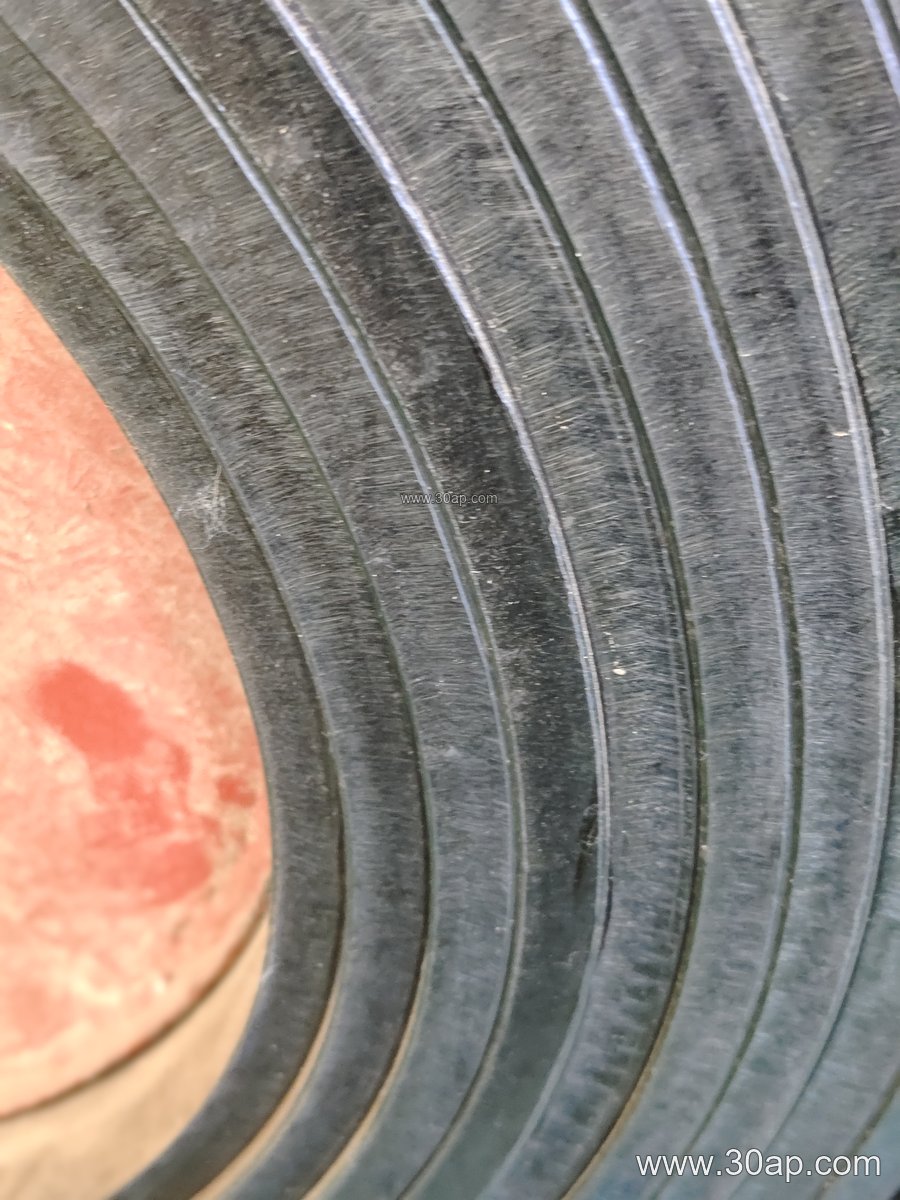
Construction follows the usual layered pattern. A tension-bearing carcass carries the load, and chemical resistant cover rubber protects both faces. The carcass is commonly EP fabric or nylon fabric, with two to six plies for general duties. Steel cord construction is used when very high tension and long center distances are required, though the cover compound still decides chemical performance.
Cover thickness is stated as top plus bottom, for example 3+1.5 mm, 4+2 mm, 5+2 mm, 6+2 mm, or 8+3 mm. Thicker covers extend service life where abrasion and chemical attack act together. Buyers should confirm the actual compound, since the label acid and alkali resistant conveyor belt can cover different formulations from different manufacturers.
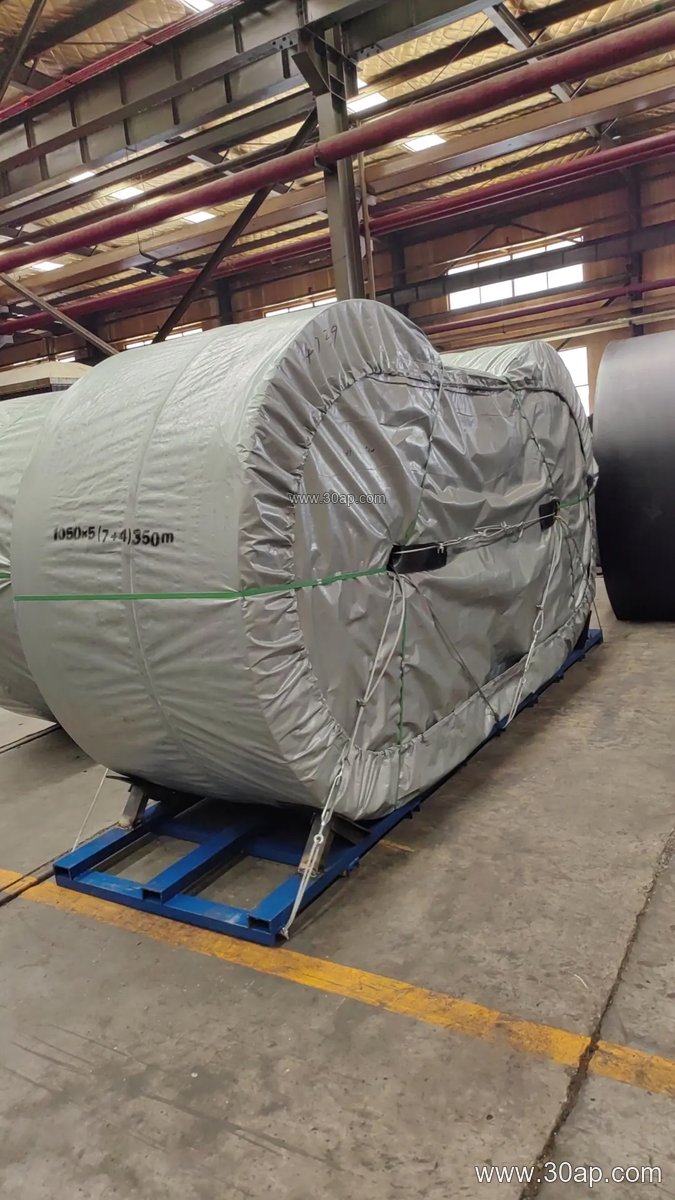
Typical Specifications
The table below shows common reference values, not a fixed supply promise. Final values are confirmed by the manufacturer against the actual duty.
| Parameter | Common reference values |
|---|---|
| Belt type | EP, NN nylon, steel cord core; acid and alkali resistant cover grades |
| Longitudinal strength | EP200, EP315, EP400, EP500, EP630, EP800, EP1000, EP1250, EP1600, EP2000 |
| Belt width | B500, B650, B800, B1000, B1200, B1400, B1600, B1800, B2000 |
| Cover thickness | 3+1.5 mm, 4+2 mm, 5+2 mm, 6+2 mm, 8+3 mm |
| Carcass plies | Typically 2 to 6 layers |
Where It Is Used
These belts appear in fertilizer plants, chemical processing lines, wastewater and desalination facilities, mining and coal preparation plants where acidic water is present, cement plants handling damp alkaline material, and power plants moving gypsum or lime slurry residues. In sand and gravel yards, a chemical resistant belt may be chosen where wash water or ground contamination attacks ordinary covers.
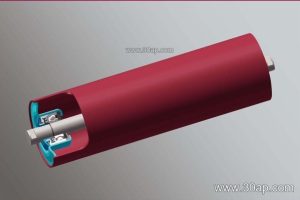
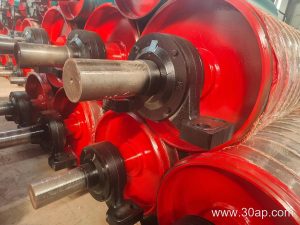
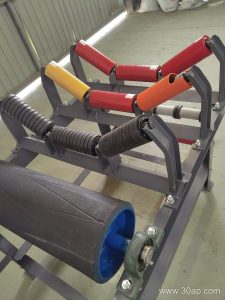
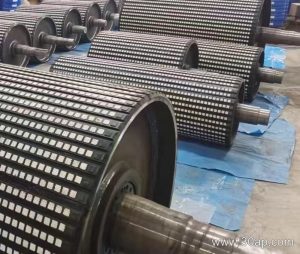
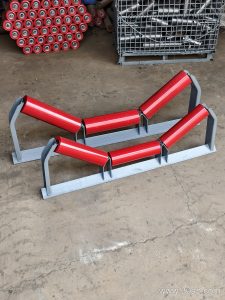
The belt does not work alone. A complete conveyor includes the conveyor pulley at the drive and tail positions, idler roller sets along the carrying and return runs, and conveyor bracket assemblies that hold the idlers in line. Drive, tail, and bend pulleys each do a different job and are not interchangeable; the belt specification should be matched to the pulley diameters chosen for the conveyor design, not assumed from belt width.
What Buyers Should Check
- Chemical exposure. Name the substances, their concentration, and the working temperature. A belt that handles dilute alkali may fail in concentrated acid.
- Cover grade and thickness. Thicker cover rubber generally gives more reserve, but the compound matters more than the thickness alone.
- Carcass strength and width. Select from the EP or nylon strength series and belt width that match the calculated tension and the troughing arrangement.
- Related equipment. Confirm pulley diameters, idler roller spacing, and conveyor bracket dimensions so the belt runs straight and avoids edge damage.
- Surface form. Smooth covers are usual for chemical duty; patterned covers such as herringbone may be considered only where the incline demands extra grip and the compound still suits the chemical environment.
Installation and Care
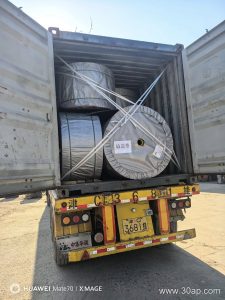
Store belts away from sunlight, ozone sources, and pooled chemicals. Keep the conveyor frame clean so spilled reagents do not sit on the return run. Check idler roller rotation and pulley lagging regularly, because a seized roller or worn pulley face can damage the cover faster than the chemical exposure itself. Align the structure and brackets so the belt tracks centrally, and repair small cover cuts before aggressive liquids reach the carcass.