What a Power Plant Conveyor Idler Does
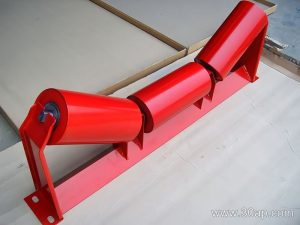
In a power plant, coal, ash, limestone, and other bulk materials move continuously on a conveyor belt. The belt itself is supported and guided by a series of rotating cylinders called idlers, or idler rollers. A power plant conveyor idler is not a motor or a drive component. It is a passive support that reduces friction, keeps the belt aligned, and protects the belt from excessive sag between the head and tail pulleys.
Without these rollers, the belt would drag against the structure, consume far more power, and wear out quickly. The idler also shapes the belt into a trough, which helps contain the material and increases capacity. Because power plants often run 24 hours a day, idler reliability directly affects uptime, maintenance cost, and safety.
How a Conveyor Idler Is Built
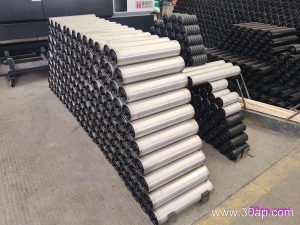
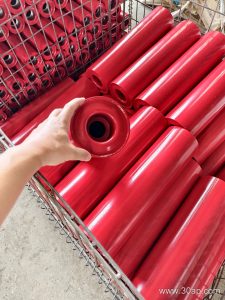
A typical idler roller consists of a steel tube, a shaft, bearing housings, and sealed bearings. The tube is usually made from seamless or welded steel, machined at both ends to accept the bearing housing. The shaft runs through the center and is held by a conveyor bracket or frame at each end. Bearings are often deep groove ball bearings or tapered roller bearings, protected by labyrinth seals or contact seals to keep out dust and water.
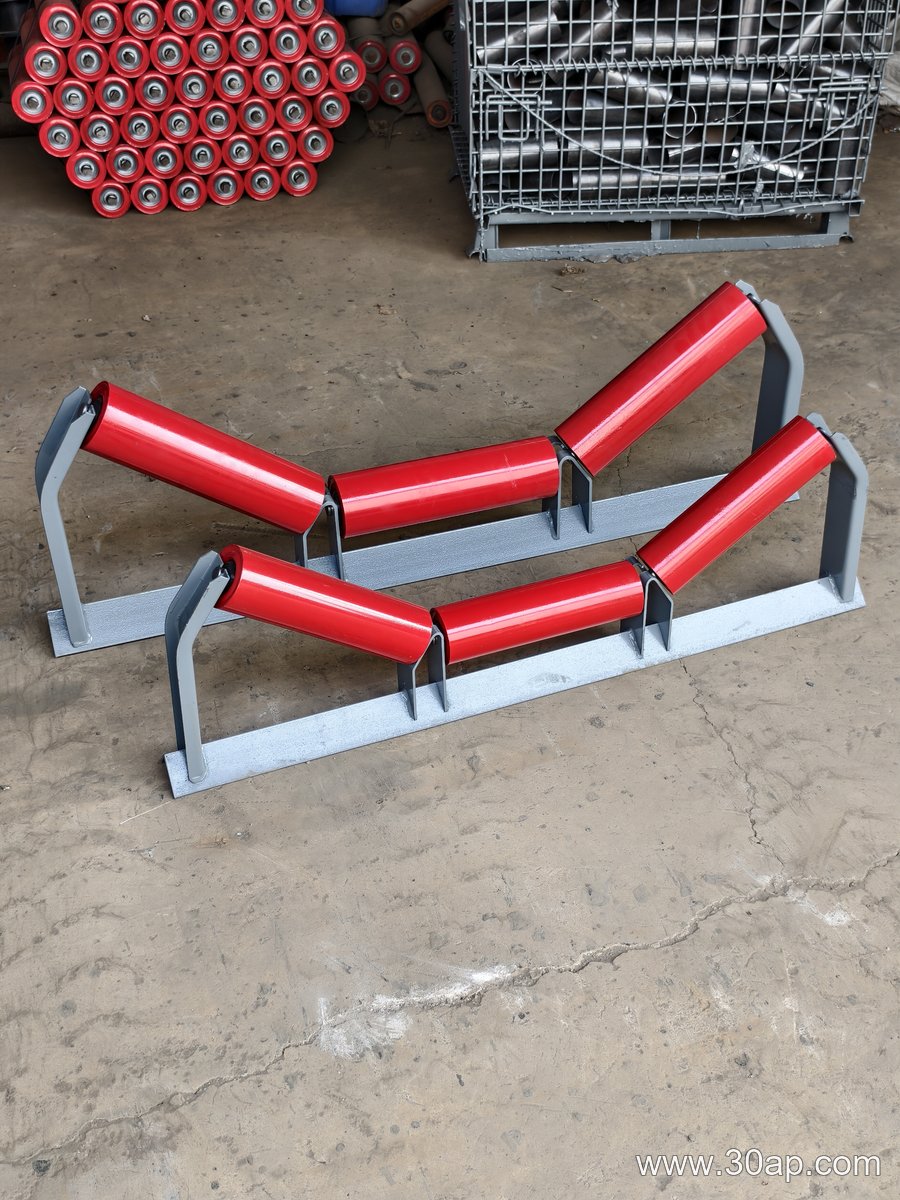
The quality of the seal is critical. In a power plant, coal dust and ash are abrasive and can penetrate poorly sealed bearings. Once grit enters, the bearing fails, the roller stops turning, and the belt slides over a stationary tube. That creates flat spots, belt damage, and eventually a forced outage. Good idlers use multiple-stage sealing, high-quality grease, and precise bearing fit to achieve long service life.
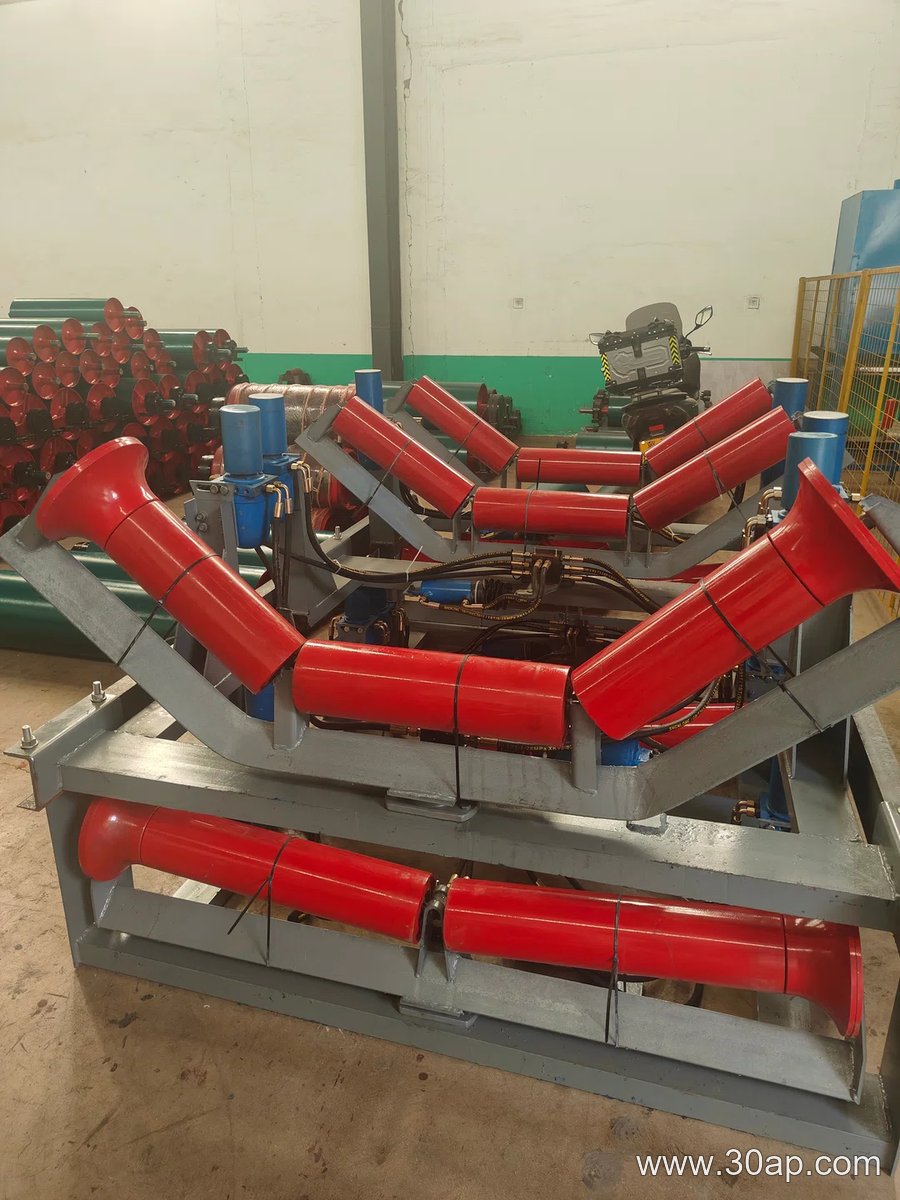
Roller diameter, wall thickness, shaft diameter, and bearing type are selected based on belt width, belt speed, material density, and load. Larger diameters and thicker walls generally handle more weight and last longer, but they also add weight and cost. The idler must be balanced to avoid vibration at high speed.
Where Power Plant Conveyor Idlers Are Used
Power plants use idlers in several locations. The most common are carrying idlers on the loaded side and return idlers on the empty side. Impact idlers are placed under the loading chute to absorb the shock of falling material. Training idlers, including the friction self-aligning idler, correct belt misalignment by using the belt’s own friction to pivot the roller frame. Transition idlers support the belt as it changes from flat to troughed shape near the pulleys.
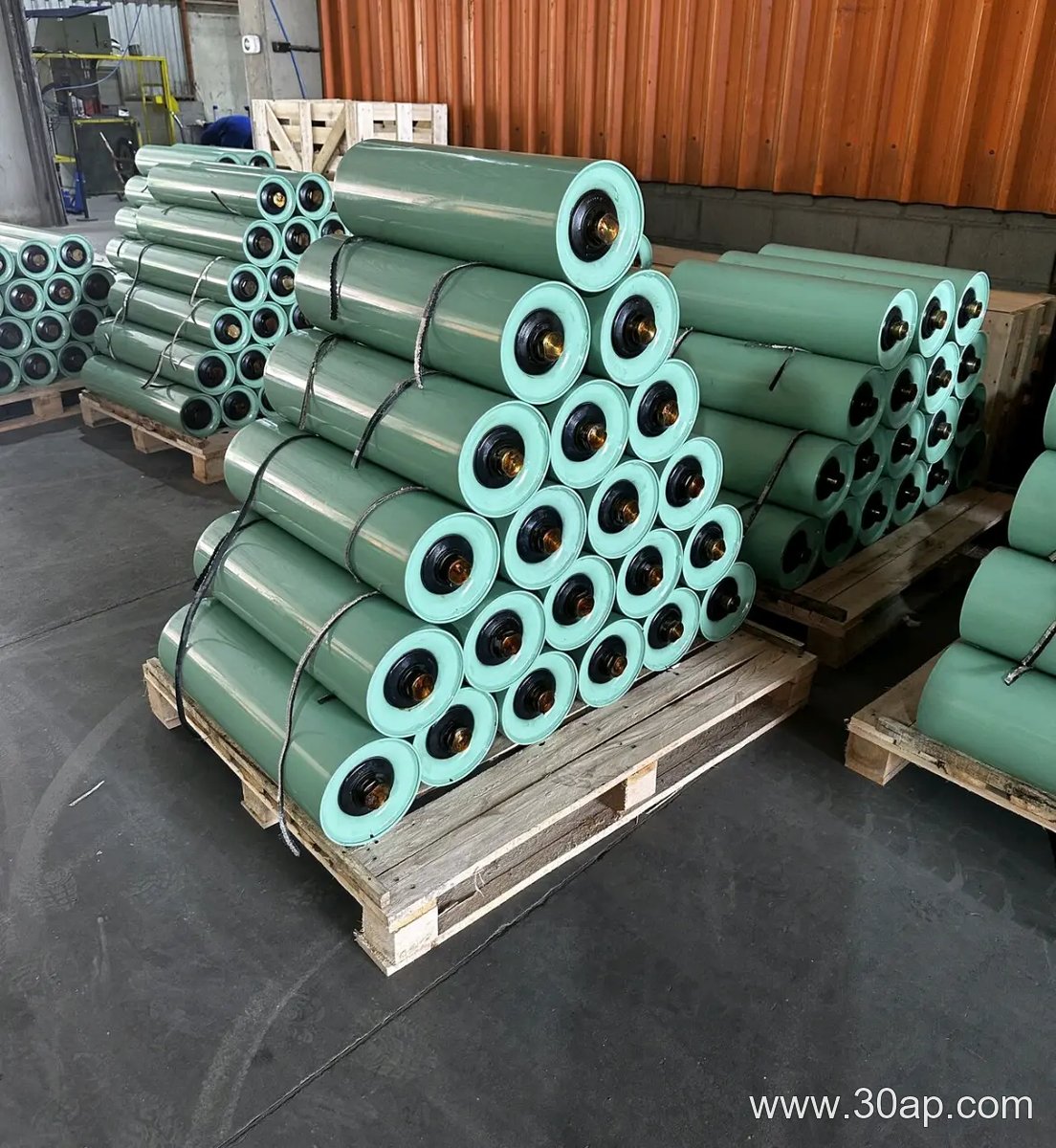
Other industries use similar equipment. A steel plant conveyor idler must handle hot sinter, coke, or iron ore, so heat resistance and heavy-duty bearings matter. A coal mine conveyor idler faces abrasive coal, moisture, and uneven loading. A high-capacity idler is chosen for wide belts and high tonnage, while a high-angle conveyor idler helps on steep inclines where material tends to roll back. The same basic design principles apply, but the details change with the duty.
Key Selection Factors for Buyers
When specifying a power plant conveyor idler, buyers should start with the conveyor design data. Belt width, belt speed, trough angle, idler spacing, and material characteristics determine the required load rating. The idler must also match the shaft and bracket dimensions of the existing conveyor frame. A roller that is mechanically correct but does not fit the bracket will not work.
- Bearing type and seal class: choose sealed-for-life bearings for dusty environments, and consider regreasable designs only where maintenance access is reliable.
- Tube wall thickness and straightness: thin tubes deflect under load, causing belt tracking problems and premature wear.
- Balance and concentricity: poor balance increases vibration, noise, and bearing load.
- Material of the roller shell: painted steel is common, but galvanized or stainless options may suit corrosive ash or wet coal.
- Compatibility with the conveyor pulley and belt: the idler must not create a sharp transition that damages the belt.
Buyers should also ask about the manufacturer’s quality control process. A good supplier can provide dimensional inspection records, bearing brand details, and load test data. Avoid vague claims. Instead, request samples or small trial orders to verify performance before committing to a large purchase.
Maintenance and Replacement Notes
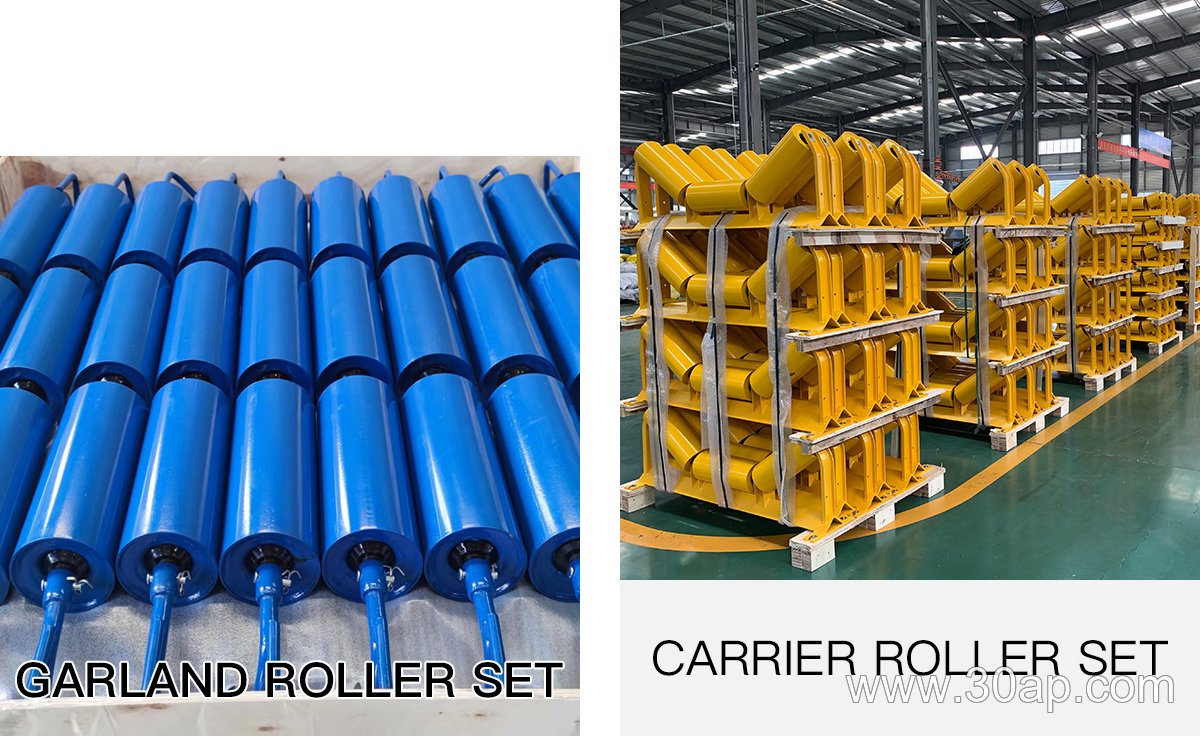
Even the best idler roller will eventually wear out. Maintenance teams should inspect for abnormal noise, seized rollers, damaged seals, and belt misalignment. Replacing a failed idler early prevents belt damage and reduces the risk of a fire from a stalled roller. Keep a small stock of common sizes on site, because lead times for special idlers can be long.
When replacing idlers, always follow the conveyor manufacturer’s spacing and alignment instructions. Do not mix different roller diameters on the same conveyor section, as this changes the belt line and can cause tracking issues. Use a proper conveyor bracket and ensure the shaft is fully seated. After replacement, run the belt empty for a short time and check for vibration or drift.
In summary, the power plant conveyor idler is a small but vital component. It affects energy consumption, belt life, and plant availability. By understanding how it is built, where it is used, and what to check before buying, engineers and procurement teams can make better decisions and keep material handling systems running smoothly.