What an 800mm Conveyor Belt Is
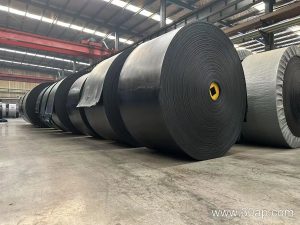
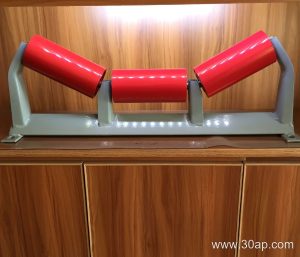
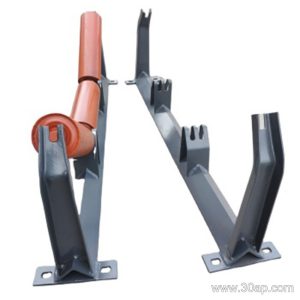
An 800mm conveyor belt is a belt with a nominal width of 800 millimeters, often written as B800 in specifications and order lists. It sits in the middle of the common width range, above B650 and below B1000, which makes it a practical choice for medium-capacity runs in mining, coal preparation, cement plants, power stations and sand and gravel yards. The belt is the load-carrying surface of a belt conveyor, working together with idler rollers, conveyor pulleys and conveyor brackets to move bulk material continuously.
The same product is also called a B800 conveyor belt or an 800 mm wide conveyor belt. These are equivalent names for the same item; they are not different belt types. The width alone does not define the belt. A buyer should always pair the width with carcass type, strength grade and cover rubber specification.
Construction and Common Specifications
Most 800mm belts use a fabric carcass or a steel cord carcass. Fabric belts are usually built from EP (polyester-cotton) or NN (nylon-nylon) plies, while steel cord belts use a single layer of steel cords for heavy-duty, long-distance conveying. Cover rubber protects the carcass from abrasion, impact, heat, oil or chemicals, depending on the duty.
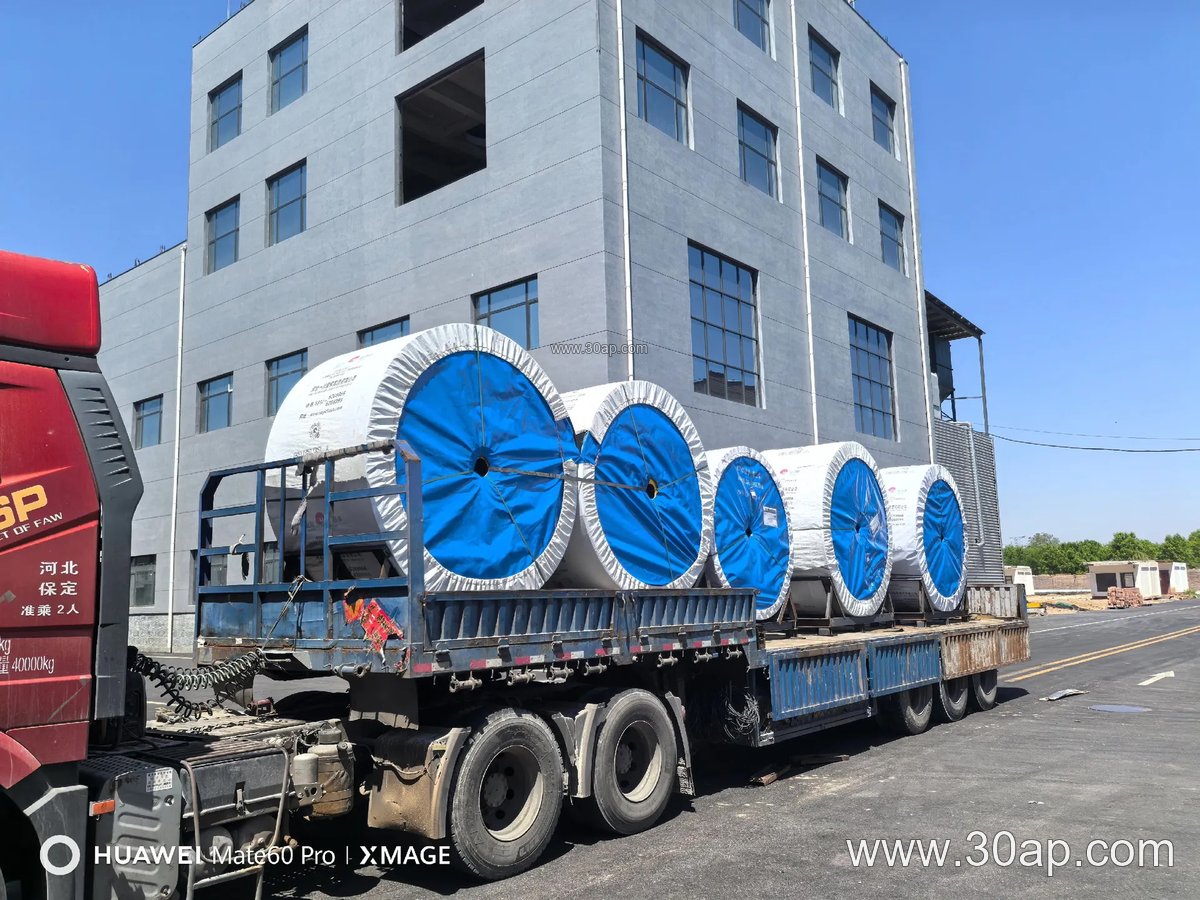
Reference Data for 800mm Belts
The following values are common reference points, not fixed combinations or supply promises. Final specifications are determined by the conveyor design and the material being handled.
| Parameter | Typical Options |
|---|---|
| Belt width | B800 (800 mm) |
| Carcass type | EP, NN, steel cord, PVC, PVG |
| Strength grade | EP200, EP315, EP400, EP500, EP630, EP800, EP1000 |
| Number of plies | 2 to 6 layers, commonly 3 to 5 for B800 |
| Top cover / bottom cover | 3+1.5, 4+2, 5+2, 6+2, 8+3 mm |
| Surface form | smooth, patterned, chevron, corrugated sidewall |
| Special properties | wear resistant, heat resistant, oil resistant, flame retardant, antistatic, cold resistant, acid and alkali resistant |
For a coal mine or a cement kiln feed line, flame retardant and antistatic grades are often requested. In a sand and gravel plant, abrasion-resistant covers such as 6+2 or 8+3 mm may suit sharp, heavy material. Heat-resistant belts are common near clinker coolers and sinter lines in power plants and cement works.
Where 800mm Belts Are Used
The 800mm width fits many medium-duty conveying lines. It is often seen on main haulage belts in small and medium mines, on coal transfer conveyors, on clinker and limestone transport in cement plants, on coal yard and ash handling systems in power stations, and on aggregate conveyors in sand and gravel plants. The belt also appears in ports, fertilizer plants and general bulk handling facilities.
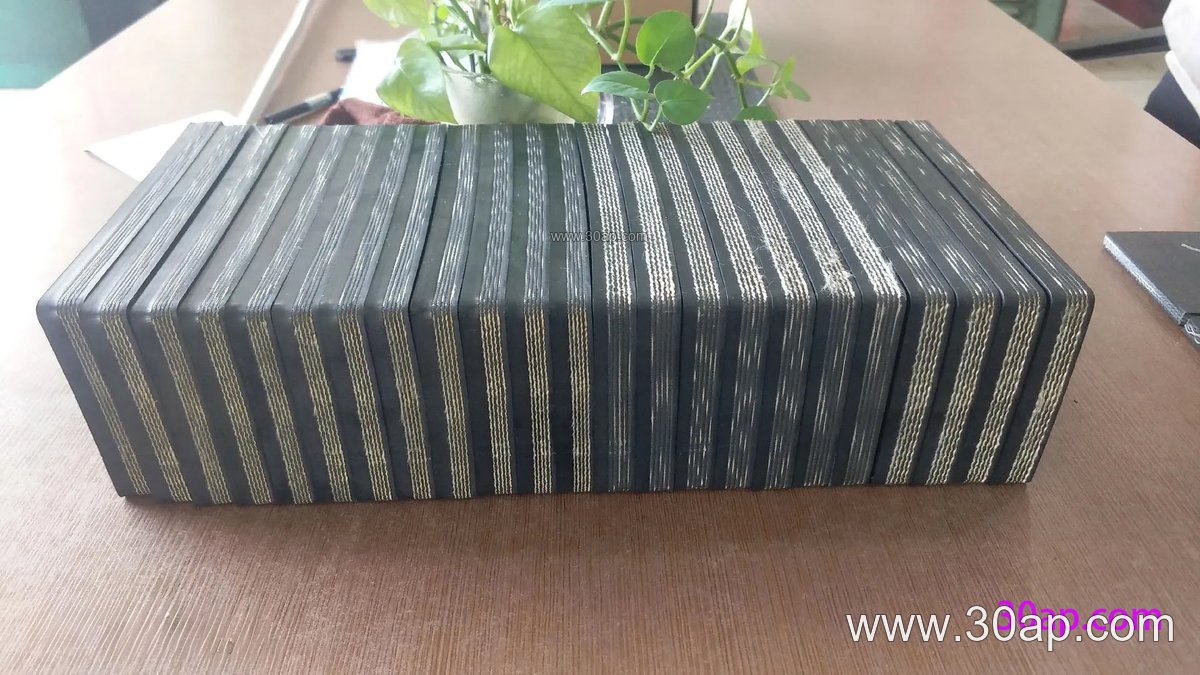
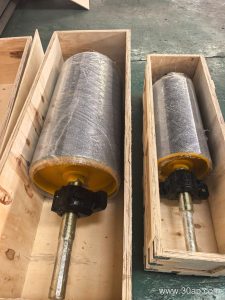
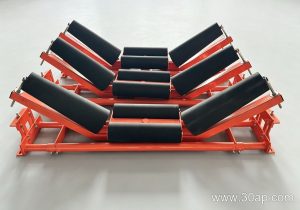
On these conveyors, the belt runs over idler rollers that support the load, around a drive pulley that provides motion and a tail pulley that returns the belt. Bend pulleys and take-up pulleys handle tension and direction changes. Drive, tail and bend pulleys are separate components with different duties and are not interchangeable, even when they serve the same 800mm belt.
Selection Points for Buyers
- Material and lump size: Confirm the bulk density, lump size and moisture. These decide the required strength grade and cover thickness.
- Strength grade: Choose a grade from EP200 to EP1000 based on the calculated belt tension, not on habit. A wider belt does not automatically mean a higher grade is needed.
- Cover thickness: Match the top cover and bottom cover to abrasion and impact. Thicker covers last longer in harsh duty but add weight.
- Environmental conditions: Ask for flame retardant, antistatic, heat, oil, cold or acid resistance only when the site genuinely needs it.
- Pulley and idler matching: Belt width and pulley diameter are selected together from conveyor design data. An 800mm belt may run on different pulley diameters depending on tension, wrap angle and belt construction. Do not fix a shaft diameter from belt width alone.
- Joint method: Decide between vulcanized splicing and mechanical fasteners. Vulcanized joints usually suit permanent, high-tension installations.
Installation and Maintenance Notes
Keep the belt centered during installation and check that idler rollers and conveyor pulleys are aligned. Misalignment causes edge wear, which shortens the life of an 800mm belt quickly. Inspect the belt regularly for cuts, cover wear and exposed carcass. Clean return rollers and check the tensioning system so the belt does not slip on the drive pulley. Store spare belts flat, away from sunlight and oil, to protect the rubber.
When ordering, state the width B800, carcass type, strength grade, ply count, cover thickness, surface form and any special property. Clear specifications help suppliers deliver the right 800mm conveyor belt for the job.