What Makes a Mining Idler Wear-Resistant
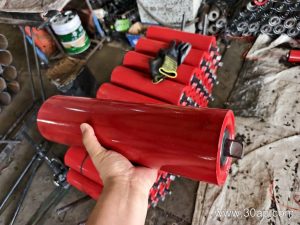
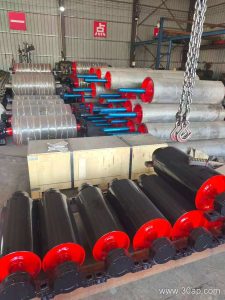
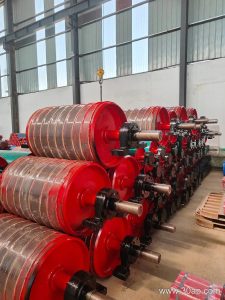
A wear-resistant mining idler is a conveyor roller built to survive the abrasive, impact-heavy conditions found in mines, quarries, and bulk material handling plants. Unlike a standard idler roller used in lighter duties, this component is designed with thicker shells, reinforced bearings, and often specialized surface materials to resist abrasion from sharp rock, coal, and ore. The goal is simple: keep the conveyor belt moving smoothly while minimizing downtime and maintenance in harsh environments such as iron ore mines, coal preparation plants, and limestone quarries.
Construction and Key Components
The typical wear-resistant mining idler consists of a steel tube shell, bearing housings, a shaft, and a sealing system. To extend service life, manufacturers may use several approaches:
- Thicker shell wall: Provides greater resistance to wear and impact from falling material.
- Reinforced bearings: Common sizes like 6205, 6305, 6306, 6308, and 6310 are selected based on load and speed requirements.
- Advanced sealing: Labyrinth seals or contact seals keep out fine dust and water, which are major causes of bearing failure.
- Specialized roller surfaces: Rubber rings, ceramic coatings, or nylon sleeves can be added for extra abrasion resistance or to reduce belt wear.
These design choices help the idler withstand continuous operation in dusty, wet, and high-impact conditions without frequent replacement.
Common Types and Applications
Wear-resistant mining idlers are available in several configurations to suit different sections of a conveyor. Troughing idlers (three-roll or two-roll) support the carrying side of the belt and are often used in primary crushing and screening circuits. Impact idlers with rubber rings are placed at transfer points where material drops onto the belt, absorbing shock and protecting the belt. Return idlers, including flat and V-shaped designs, support the empty belt and help with belt tracking. In coal mines and power plant coal handling systems, self-aligning idlers help keep the belt centered, reducing edge damage and spillage.
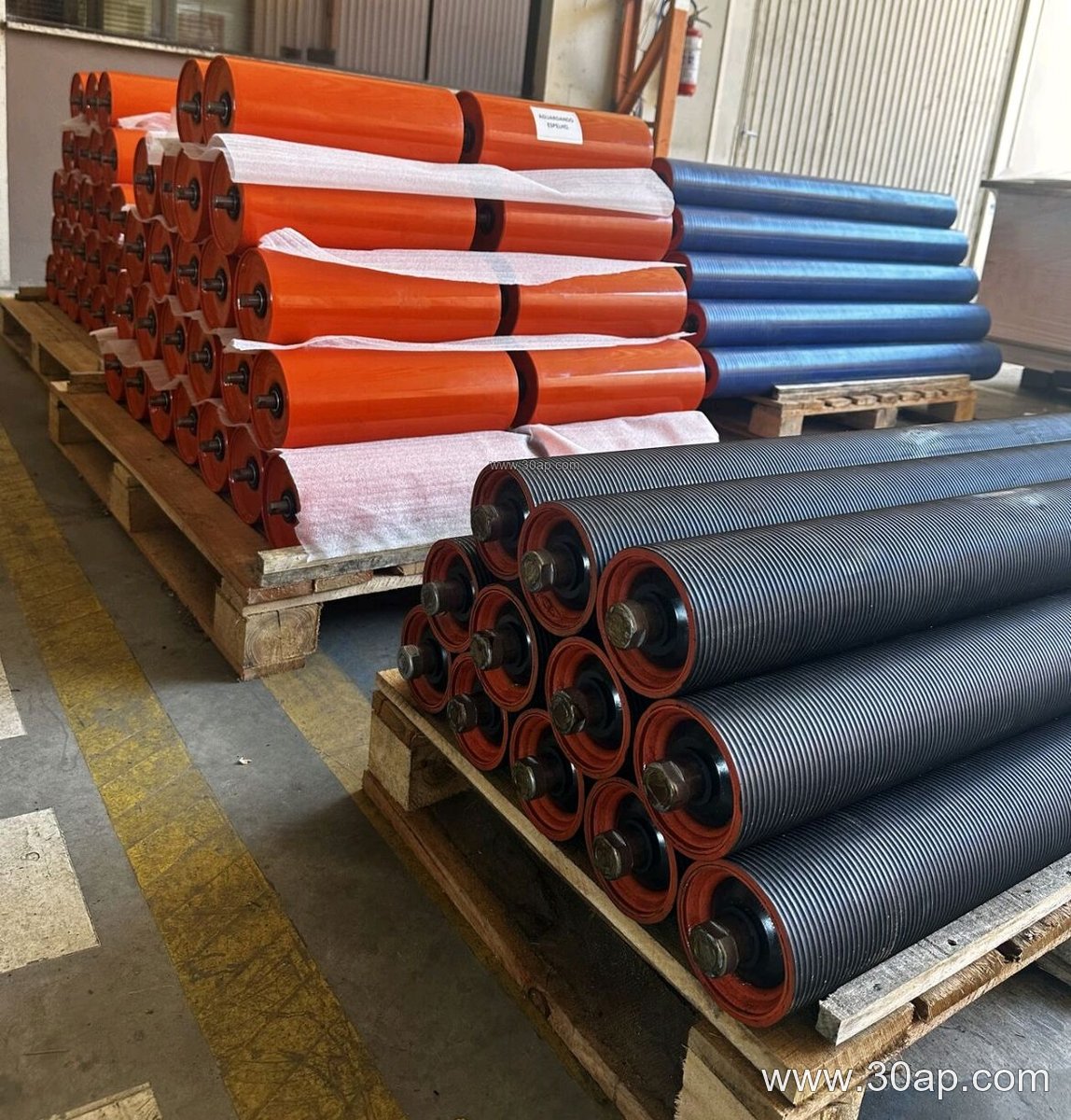
These idlers are also found in cement plants, aggregate production lines, steel mills, and port bulk terminals. The choice of type depends on the conveyor layout, material characteristics, and environmental factors.
Specifications and Selection Guide
When selecting a wear-resistant mining idler, several parameters must be considered. The table below lists common reference values; actual dimensions should be confirmed with the conveyor design.
| Parameter | Common Options / Reference |
|---|---|
| Roller Diameter | Ø63, Ø76, Ø89, Ø102, Ø108, Ø127, Ø133, Ø159, Ø178, Ø194, Ø219 mm |
| Belt Width | B400, B500, B650, B800, B1000, B1200, B1400, B1600, B1800, B2000, B2200, B2400 mm |
| Trough Angle | 20°, 30°, 35°, 45° |
| Roller Surface | Steel, nylon, ceramic, rubber rings |
| Bearing Sizes | 6204, 6205, 6305, 6306, 6308, 6310 (selection depends on load and speed) |
| Roller Length (example for 3-roll troughing) | B500: ~200 mm; B650: ~250 mm; B800: ~315 mm; B1000: ~380 mm; B1200: ~465 mm; B1400: ~530 mm; B1600: ~600 mm; B1800: ~670 mm; B2000: ~750 mm |
Note that roller length varies with belt width, trough angle, and idler arrangement. The values above are typical examples, not fixed combinations. For instance, a B800 belt may use different roller lengths depending on whether it is a two-roll or three-roll troughing set. Always refer to the conveyor design for exact dimensions.
Other factors to consider include the material being conveyed (abrasiveness, lump size, moisture), operating hours per day, and environmental conditions. In dusty or wet mines, idlers with enhanced sealing are recommended. For high-impact areas, rubber-ring impact idlers are preferred.
Maintenance and Buyer Tips
Even wear-resistant idlers require periodic inspection. Check for abnormal noise, roller seizure, or excessive belt wear, which may indicate bearing failure or misalignment. Lubrication practices vary by design; sealed-for-life bearings need no greasing, while others may require periodic attention. When replacing idlers, ensure compatibility with the existing conveyor brackets and frame. Buying from a reputable manufacturer who provides material certificates and dimensional drawings can help avoid premature failures. Remember that no single idler size fits all conveyors; proper selection based on load, speed, and environment is key to long service life.
In summary, a wear-resistant mining idler is a critical component for keeping bulk material handling systems running efficiently in demanding industries. By understanding its construction, types, and selection criteria, buyers can make informed decisions that reduce maintenance costs and improve operational reliability.