What an Anti-Static Conveyor Belt Does
An anti-static conveyor belt is a rubber or PVC conveyor belt built to limit the buildup and discharge of static electricity along the belt surface. In a conveyor line, friction between the belt, the material and the pulleys can generate static charge; on a normal belt this charge may accumulate and release as a spark. The anti-static conveyor belt (also called a static-dissipative conveyor belt) provides a controlled path for that charge, which matters most where dust, fine powders or flammable atmospheres are present, such as coal handling, cement grinding, power plant fuel systems, mine haulage and sand and gravel yards.
Static control is a property of the belt compound and construction, not a coating added later. It is usually combined with other belt properties, so a buyer may see it described as an anti-static flame-retardant conveyor belt or an anti-static wear-resistant conveyor belt.
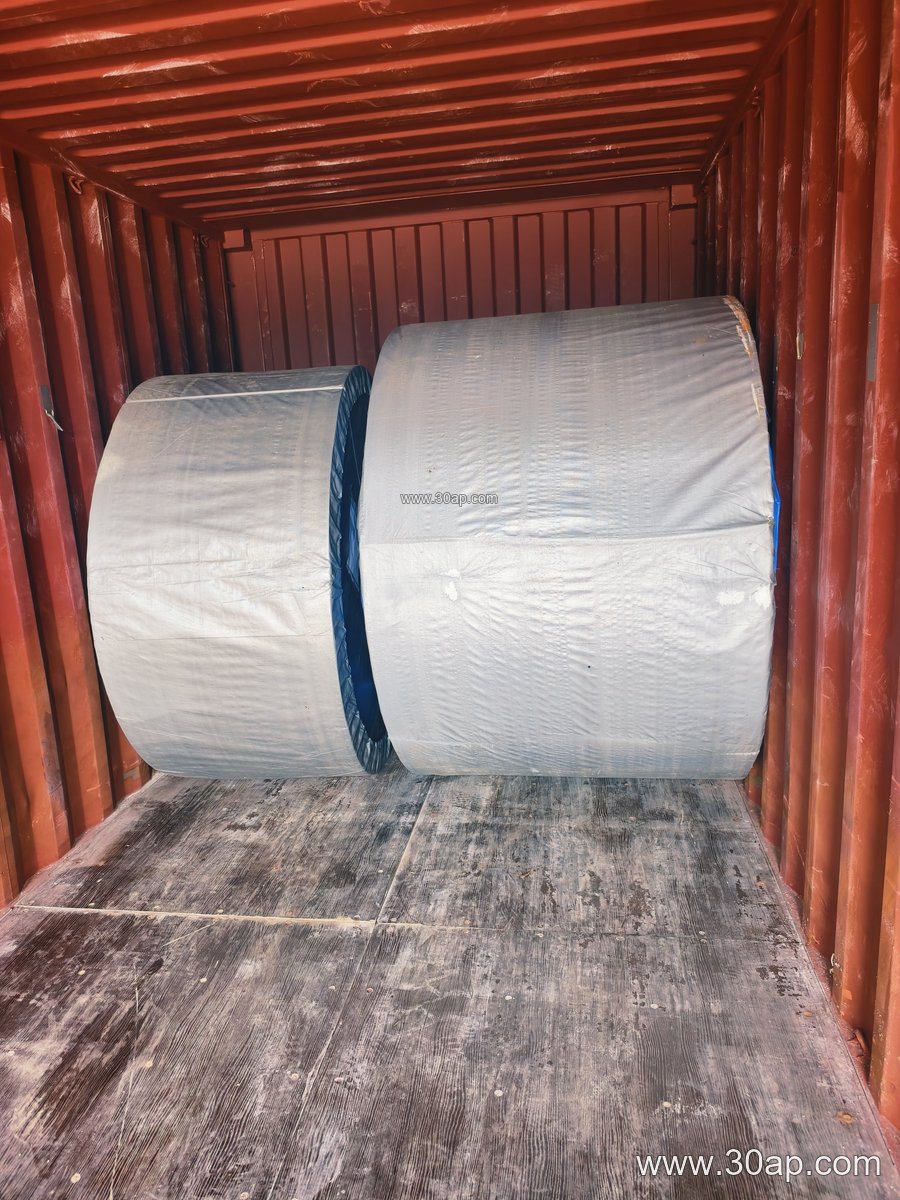
How the Belt Is Built
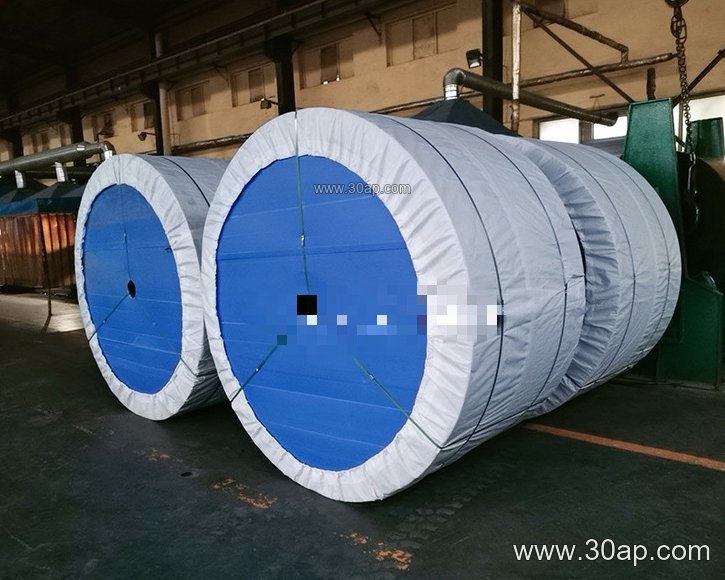
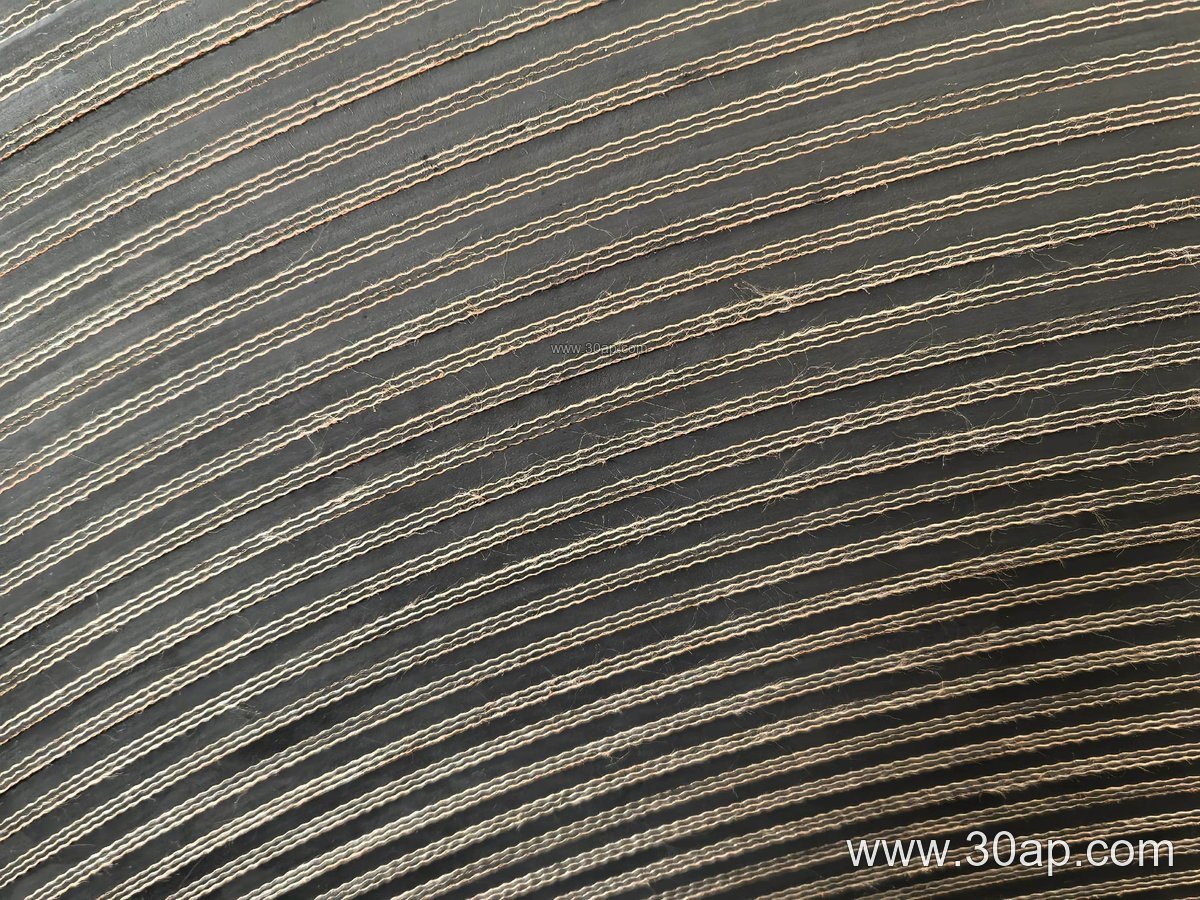
A typical anti-static conveyor belt uses a fabric carcass with rubber covers. The carcass provides tensile strength and load support; the covers protect the carcass and, in this product, are formulated to keep surface resistance within an agreed range. Common carcass types include EP (polyester-cotton) and NN (nylon-nylon) fabric, with 2 to 6 plies for general duty. Heavier lines may use a steel cord carcass.
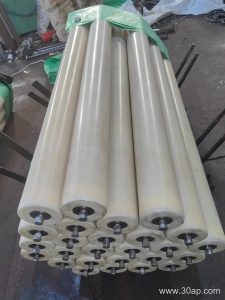
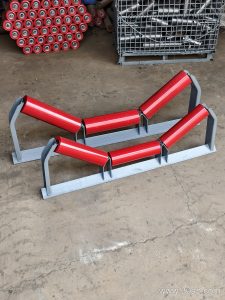
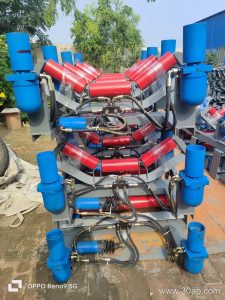
Anti-static performance is usually achieved through conductive carbon black or other conductive fillers in the cover compound, together with a construction that allows charge to reach the grounding path. Because the belt must be earthed through the conveyor frame, the belt is only one part of the system: the idler roller, conveyor pulley and conveyor bracket should all be bonded to the same ground, and the belt edges should not be insulated by heavy buildup of dust or material.
Common Reference Specifications
The values below are typical reference data for discussion with a supplier, not universal specifications. Actual construction and dimensions are confirmed per design and per manufacturer.
| Item | Common reference values |
|---|---|
| Belt type | EP, NN, steel cord, PVC, PVG; anti-static grade with flame-retardant, wear-resistant, heat-resistant, oil-resistant or cold-resistant options |
| Tensile strength | EP200, EP315, EP400, EP500, EP630, EP800, EP1000, EP1250, EP1600, EP2000 |
| Belt width | B500, B650, B800, B1000, B1200, B1400, B1600, B1800, B2000 |
| Cover thickness | 3+1.5, 4+2, 5+2, 6+2, 8+3 mm |
| Carcass plies | Usually 2 to 6 layers for fabric belts |
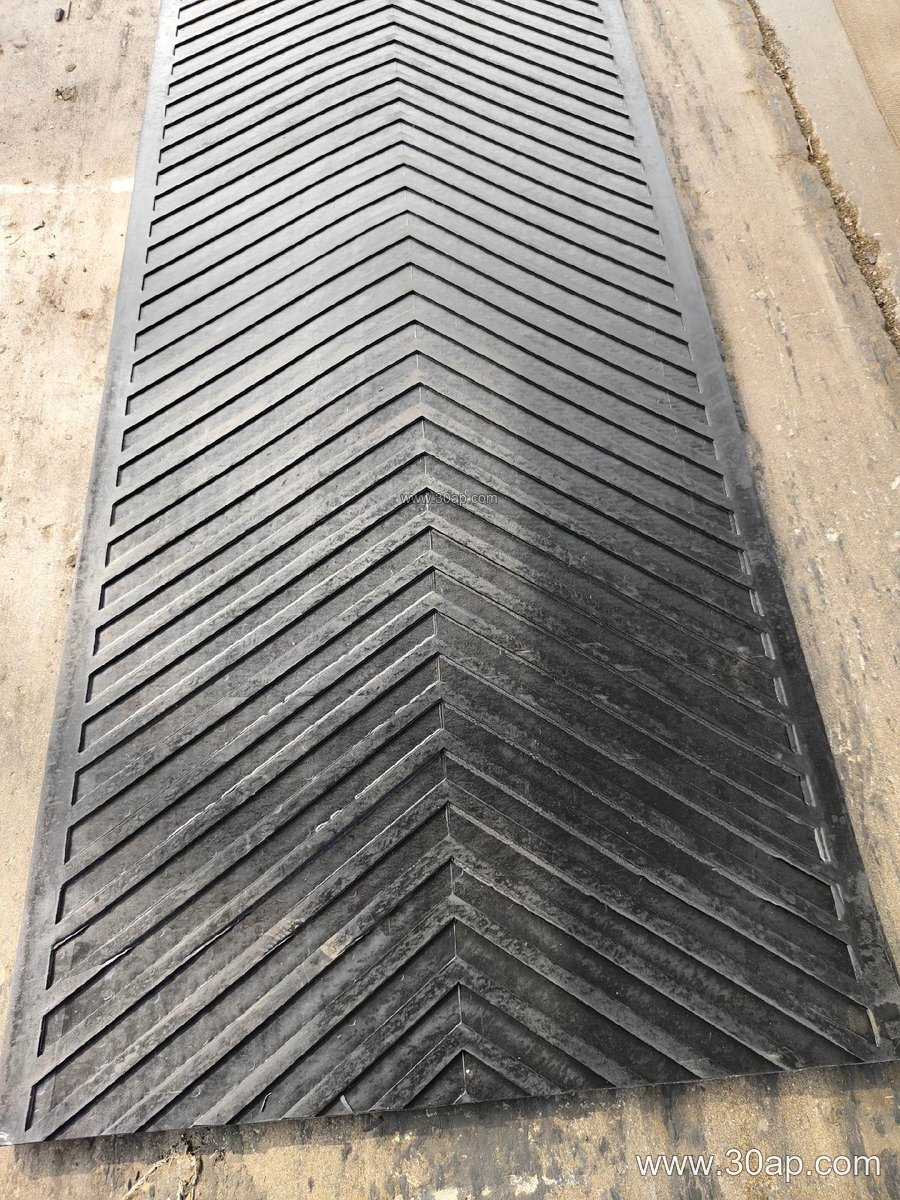
| Surface form | Smooth, patterned, chevron or sidewall, depending on the duty |
Belt width and pulley diameter are separate design choices; a given width does not fix a single pulley size, and shaft diameter follows the pulley and drive design rather than the belt width alone.
Where It Is Used
- Coal preparation plants and coal yard conveying, where dust and methane risk require static control.
- Cement plants handling raw meal, clinker and fine additives.
- Power station fuel and ash handling lines.
- Mines and sand and gravel plants with dry, dusty material.
- Grain, chemical and other powder-handling conveyors where an anti-static grade is specified.
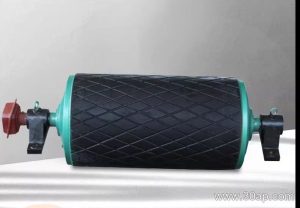
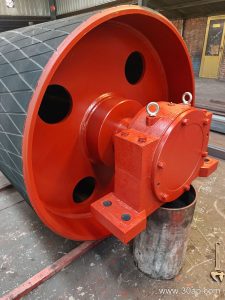
In these lines the belt works with the drive pulley, tail pulley and bend pulleys, supported by idler rollers on a steel frame. A chevron or sidewall version may be chosen where the incline is steep, while a smooth belt suits flat or gently inclined runs.
What a Buyer Should Confirm
- Static requirement: ask for the surface resistance range and the test method the supplier uses, and confirm it matches your site specification.
- Flame resistance: for coal and similar duties, anti-static and flame-retardant properties are often requested together.
- Load and width: match the belt strength and width to the conveyor design, not to a catalogue habit.
- Grounding: plan earthing of the conveyor pulley, idler roller and frame, and check continuity during maintenance.
- Cover thickness: thicker covers suit abrasive material, but they add weight and affect pulley and splice design.
- Environment: heat, oil, cold or acid exposure may require a combined grade, so state the duty clearly.
An anti-static conveyor belt is a system component as much as a wear part. Correct selection, proper grounding and routine inspection of edges, splices and covers keep static control effective through the life of the belt.