What a Turning Pulley Does on a Belt Conveyor
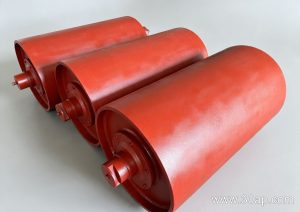
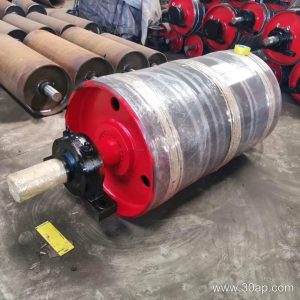
A turning pulley is the drum that changes the direction of the conveyor belt, guiding it from one run to another without driving the belt itself. In many plants it is simply called a bend pulley, and that is the correct equivalent name for this component. It should not be confused with a drive pulley, which transmits power, or a tail pulley, which handles belt return at the loading end. The turning pulley carries belt tension and redirects the belt around a controlled arc, so its diameter, shaft and surface all matter more than they might first appear.
On a quarry or cement plant conveyor, the turning pulley usually sits where the belt must be routed around an obstacle, into a transfer tower, or back toward a tensioning device. The work looks simple, but the drum sees continuous bending stress from the belt and must keep the belt tracking straight.
How the Drum Is Built
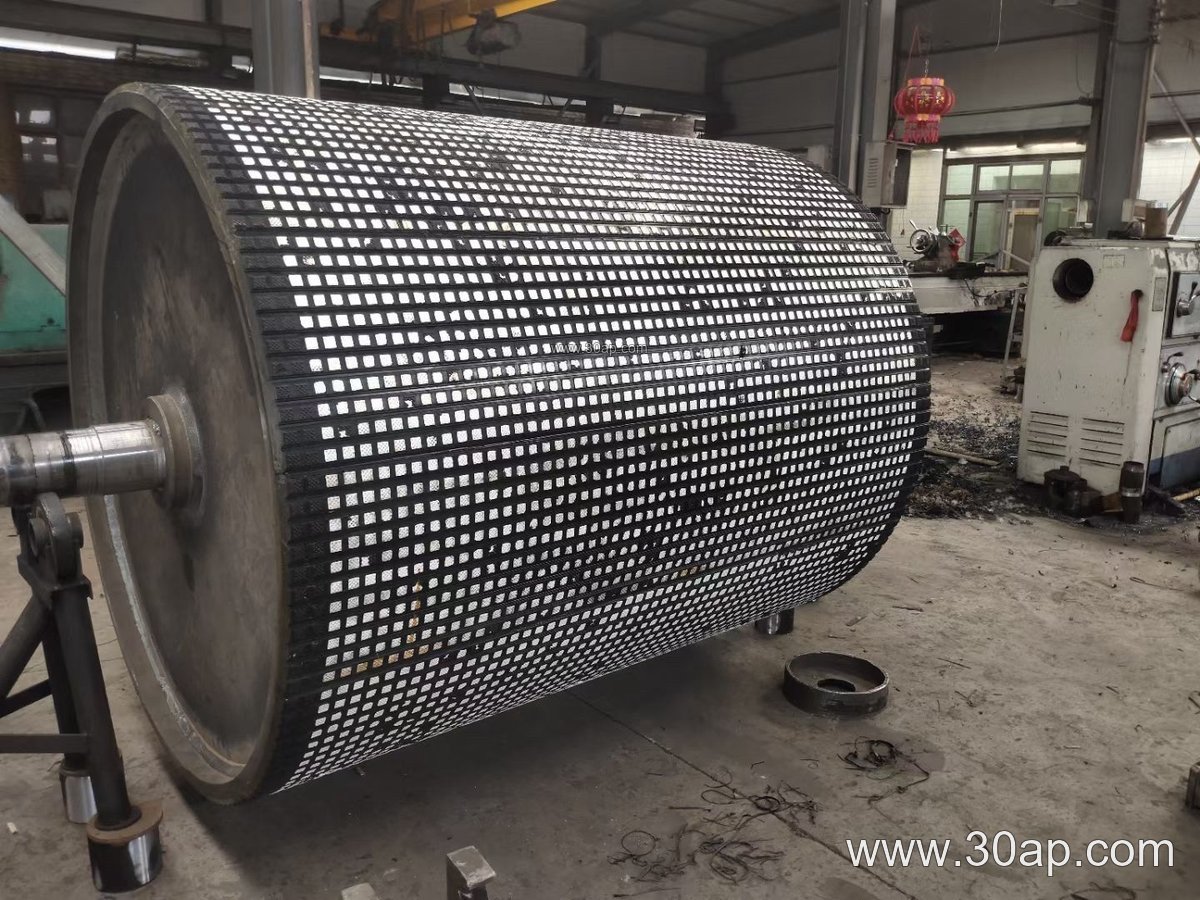
The core is a cylindrical shell, normally welded steel, with end discs and a through shaft. Shell thickness, weld quality and shaft diameter are set by the belt tension and the torque the pulley must carry, not by belt width alone. A B800 conveyor and a B1400 conveyor may both use a turning pulley, yet their shaft sizes can differ substantially because the loads differ.
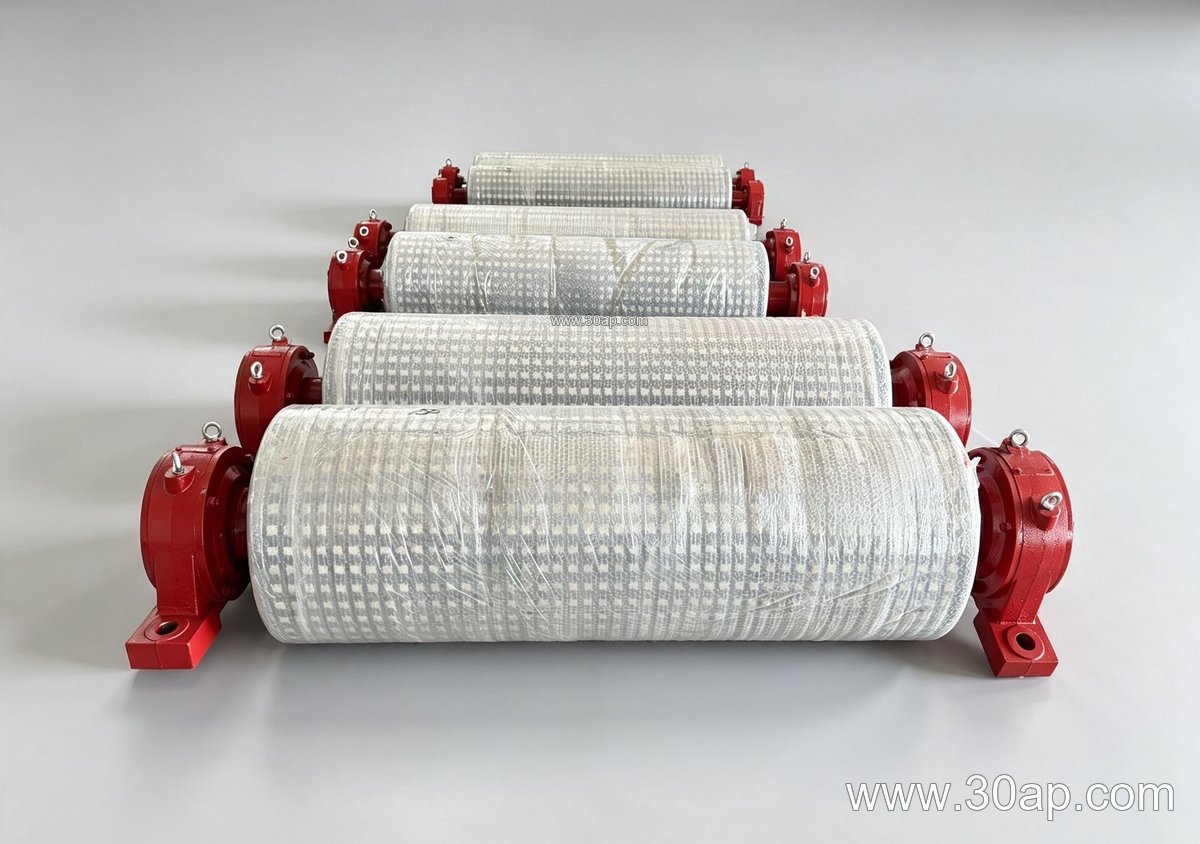
Bearings are mounted in housings at each end and fixed to the conveyor frame through a bracket. The lagging, when specified, is bonded to the shell to improve grip and protect the belt. Common surface forms include plain, cold-bonded rubber, hot-vulcanized rubber, diamond lagging, chevron lagging and ceramic lagging. Lagging thickness is often 8, 10, 12, 15 or 20 mm depending on the duty.
Typical Reference Dimensions
The table below shows common combinations used in specification discussions. These are reference values, not fixed rules, and final dimensions should follow the conveyor design.
| Belt width | Shell face width (approx.) | Common diameter range | Common shaft range |
|---|---|---|---|
| B500 | 600 mm | Ø200 to Ø400 | Ø50 to Ø80 |
| B650 | 750 mm | Ø250 to Ø500 | Ø60 to Ø100 |
| B800 | 950 mm | Ø315 to Ø630 | Ø70 to Ø120 |
| B1000 | 1150 mm | Ø400 to Ø800 | Ø80 to Ø140 |
| B1200 | 1400 mm | Ø500 to Ø1000 | Ø90 to Ø160 |
| B1400 | 1600 mm | Ø630 to Ø1000 | Ø100 to Ø180 |
A combination such as B1200 × Ø1000 or B800 × Ø500 appears often in project lists, but a given belt width does not lock the pulley to one diameter. Larger diameters reduce belt bending stress, while smaller diameters save space.
Where It Fits in the Plant
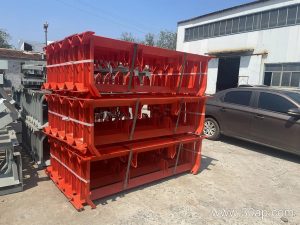
In a limestone quarry or sand and aggregate line, turning pulleys route the belt around screening stations and stockpile conveyors. In a coal washing plant or power station coal handling system, they help the belt follow the layout of transfer houses. Cement plants use them on clinker and raw material conveyors, and steel plants use them on sinter lines. The same drum may be found near a conveyor bracket that anchors the bearing housing to the structure.
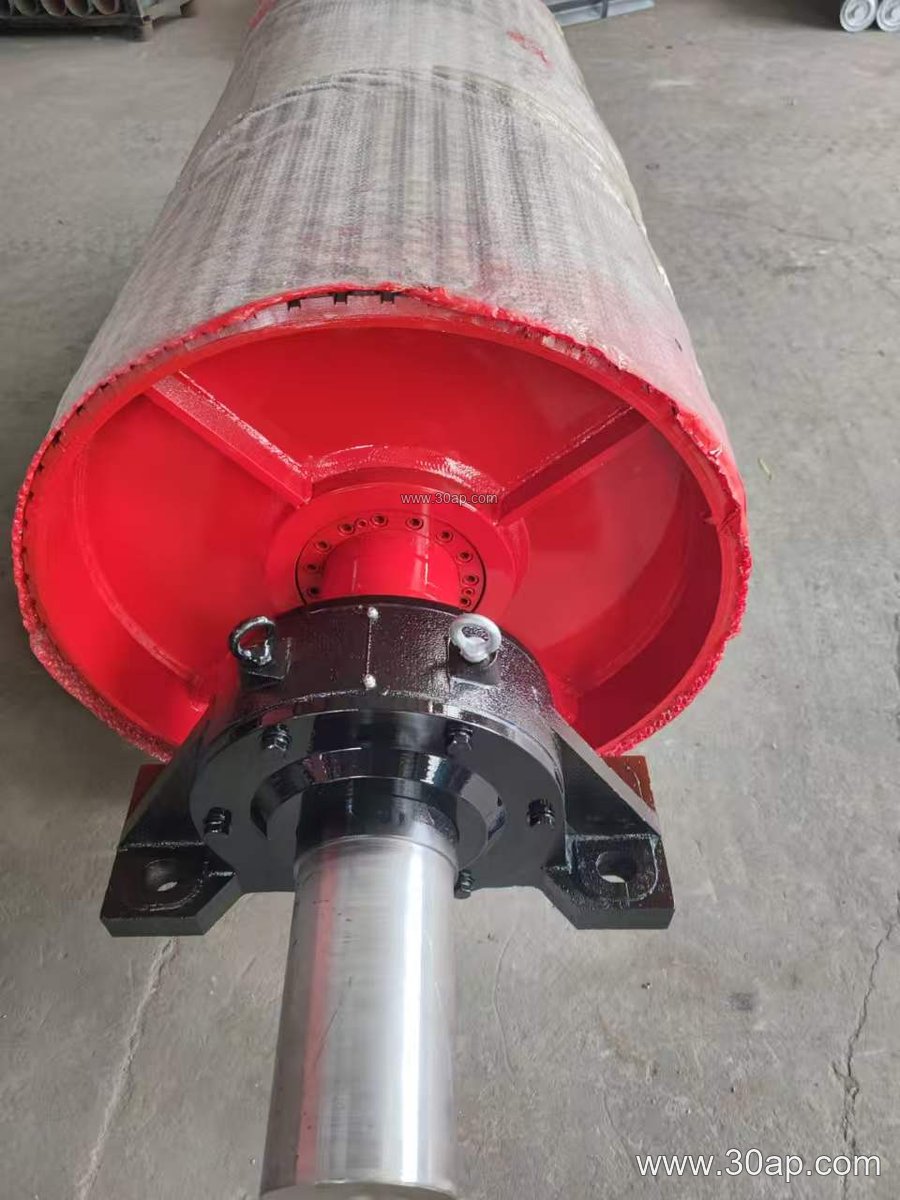
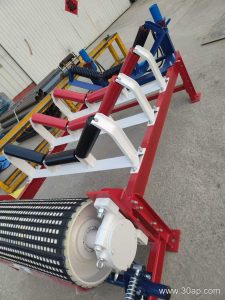
Because the turning pulley does not drive the belt, its lagging is selected mainly for tracking and wear protection rather than for traction. A plain or lightly lagged surface is often enough, while diamond or ceramic lagging may be chosen where the belt is wet or abrasive.
What Buyers Should Check
- Confirm the belt width and the required shell face width; the face is usually wider than the belt, for example about 1400 mm for B1200.
- State the belt tension and the wrap angle so the shaft and bearings can be sized correctly.
- Choose the lagging type and thickness for the material and moisture level, not by habit.
- Check that the bearing housings match the existing conveyor bracket and frame.
- Ask for the balancing grade and runout, since a turning pulley runs continuously and vibration shortens bearing life.
Maintenance is mostly about bearings and lagging. Grease according to the bearing type, watch for belt misalignment that loads one side of the drum, and replace worn lagging before the shell is exposed. When a turning pulley is replaced, matching the shaft and housing dimensions to the original frame avoids rework on the conveyor bracket.