What Is an Adjustable Conveyor Bracket?
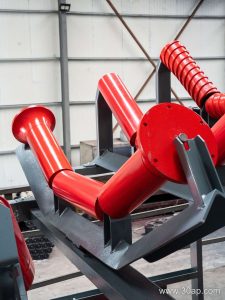
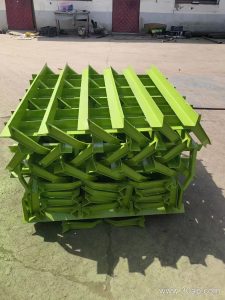
An adjustable conveyor bracket is a support component that holds conveyor idlers at a chosen angle and height, allowing the belt profile to be fine-tuned on site. Unlike a fixed bracket, it lets maintenance teams change the trough angle or transition position without replacing the whole support frame. This flexibility is valuable in industries such as coal washing, limestone quarries, and cement plants, where belt loading and material characteristics vary.
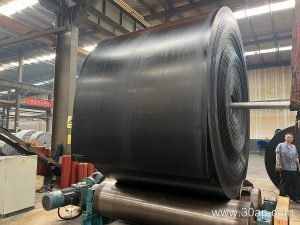
The bracket works with conveyor idler rollers to shape the conveyor belt into a trough or flat profile. By adjusting the bracket, operators can optimize belt tracking, reduce spillage, and extend component life.
Construction and Key Features
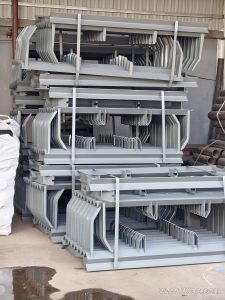
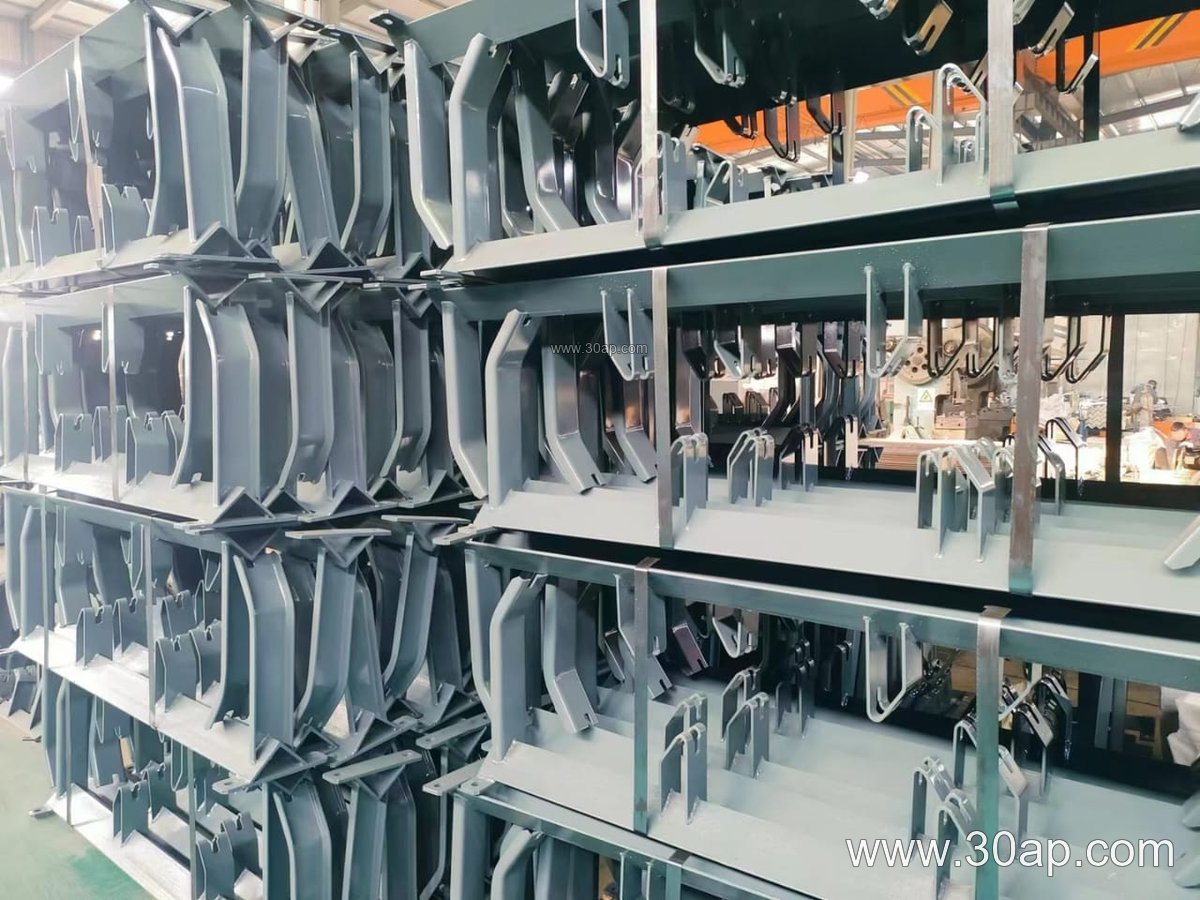
Most adjustable brackets are fabricated from angle steel, channel steel, or folded steel plate. The adjustment mechanism may use slotted holes, pivoting arms, or index plates that lock at common trough angles such as 20°, 30°, 35°, and 45°. Some designs also allow a slight forward tilt of about 1.5° to 2° for better belt centering.
Typical features include:
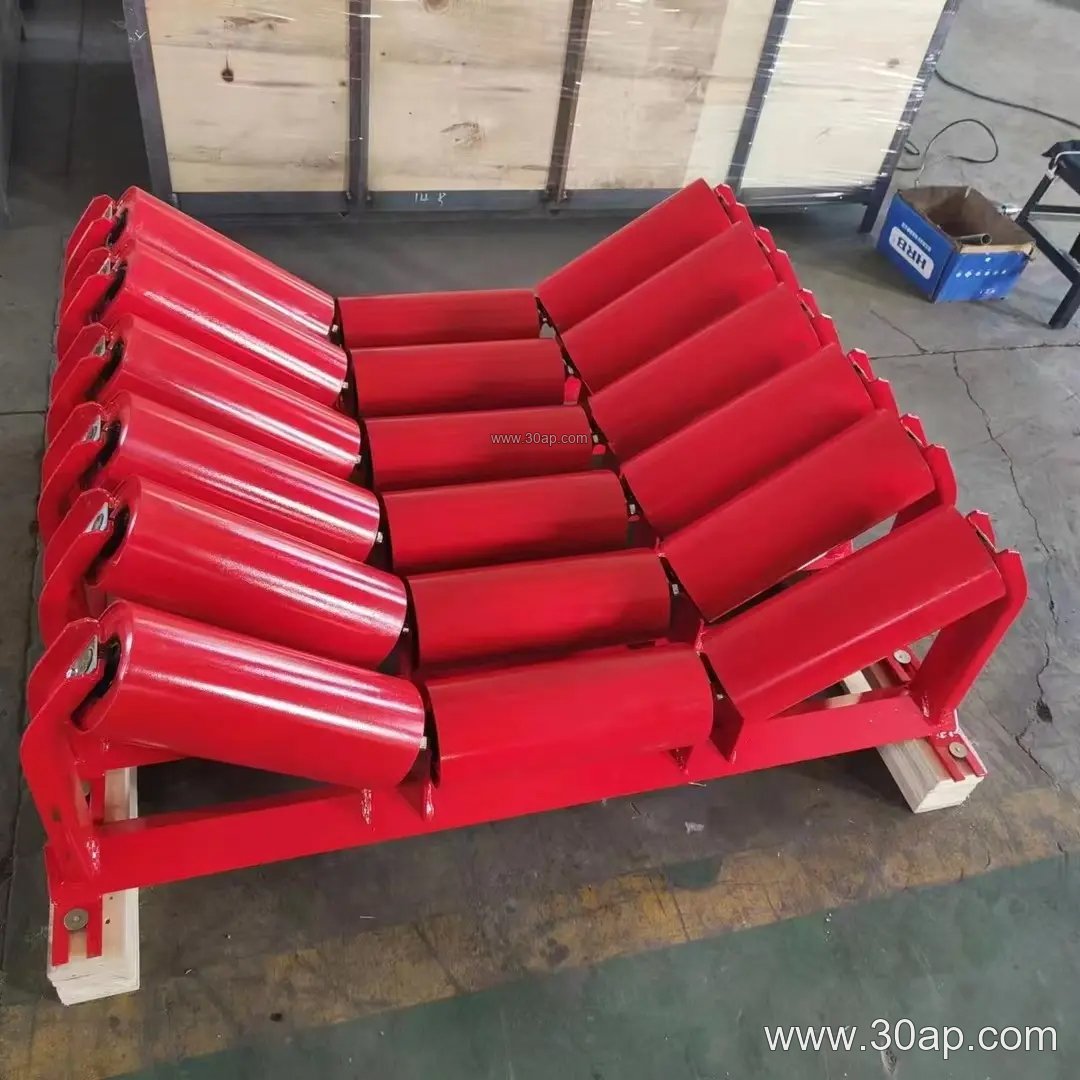
- Welded or bolted frame with reinforced mounting points
- Slotted or multi-hole adjustment for angle and height
- Corrosion-resistant finish for dusty or wet environments
- Compatibility with standard idler roller diameters
Because the bracket interfaces directly with the conveyor belt and idler rollers, precise alignment is critical. A well-built bracket keeps the rollers square to the belt path and minimizes vibration.
Where It Is Used
Adjustable conveyor brackets appear in bulk material handling systems across many sectors. In a sand and gravel line, they help transition the belt from flat to troughed at the loading point. In a power plant coal yard, they support idler rollers through variable load zones. Other common locations include:
- Crushing and screening plants
- Fertilizer and grain silo operations
- Tunnel muck removal systems
- Steel mill sinter lines
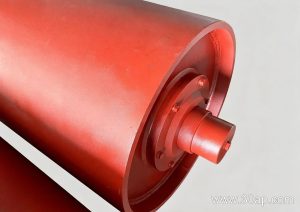
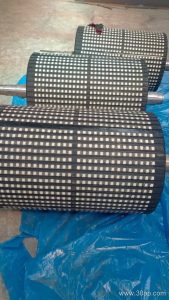
They are often paired with conveyor pulleys at the head and tail to maintain proper belt tension and alignment. While drive pulleys, tail pulleys, and bend pulleys are not interchangeable, the adjustable bracket focuses on the carrying and return idler support, not on power transmission.
Common Configurations and Parameters
Adjustable brackets are available for a range of belt widths and idler diameters. The table below shows typical reference combinations; actual selection depends on conveyor design, load, and site conditions.
| Belt Width | Trough Angle | Idler Diameter | Typical Bracket Type |
|---|---|---|---|
| B500 | 20°–30° | Ø89 | Adjustable trough bracket |
| B650 | 30°–35° | Ø89 / Ø108 | Adjustable transition bracket |
| B800 | 35° | Ø108 | Adjustable trough bracket |
| B1000 | 35°–45° | Ø108 / Ø133 | Adjustable trough bracket |
| B1200 | 45° | Ø133 | Adjustable trough bracket |
| B1400 | 35°–45° | Ø133 / Ø159 | Adjustable trough bracket |
| B1600 | 35°–45° | Ø159 | Adjustable trough bracket |
Note that these are common reference values, not fixed rules. A single belt width can work with different trough angles and idler diameters depending on the conveyor layout. Installation hole spacing and crossbeam length vary with belt width and angle, so they are determined per design.
Selection and Maintenance Tips
When choosing an adjustable conveyor bracket, consider the belt width, idler roller diameter, and required trough angle range. Confirm that the bracket material suits the environment—dusty cement plants may need better sealing, while washdown areas benefit from galvanized or painted finishes. Check that the adjustment range covers the transition angles you need.
During maintenance, inspect the bracket for loose bolts, bent adjustment slots, and corrosion. Re-tighten fasteners after the first week of operation and periodically check belt tracking. A correctly adjusted bracket reduces wear on the conveyor belt and idler rollers, lowering downtime in quarry, coal, and aggregate operations.
For any conveyor system, the adjustable bracket is a small but vital part of keeping the belt centered and the material moving efficiently.