What Is a Q235 Conveyor Bracket
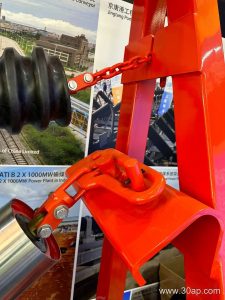
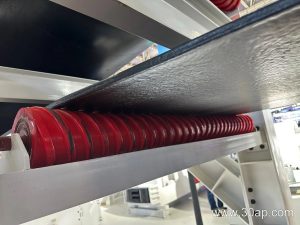
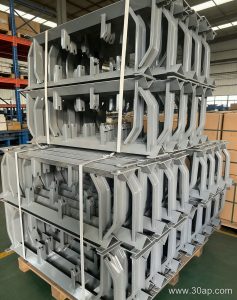
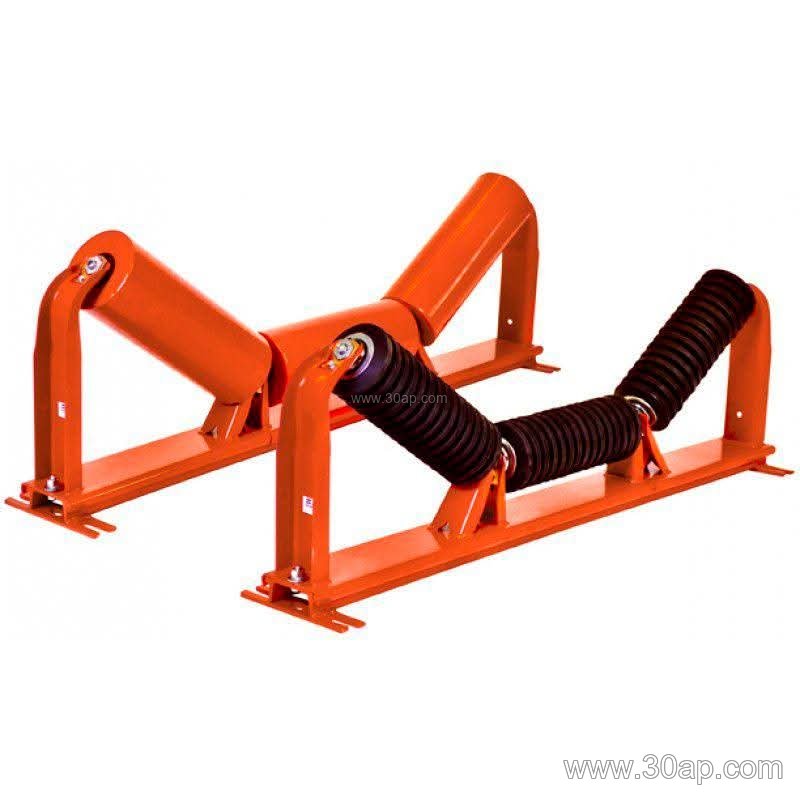
A Q235 conveyor bracket is a structural support component used to hold idler rollers in place along a belt conveyor. The ‘Q235’ refers to the common carbon structural steel grade often used in its manufacture, known for reasonable strength and weldability. In practice, this bracket—sometimes called a conveyor bracket or roller support bracket—forms the interface between the conveyor frame and the rotating idler roller, keeping the belt running smoothly through loading, transport, and return sections.
While a conveyor pulley drives or redirects the belt at the ends, the Q235 conveyor bracket works along the carrying and return runs, supporting the belt and its load. It is not interchangeable with a drive pulley, tail pulley, or bend pulley; those are separate rotating drum components with different functions.
How It Is Built
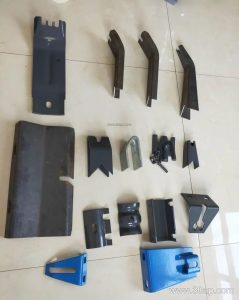
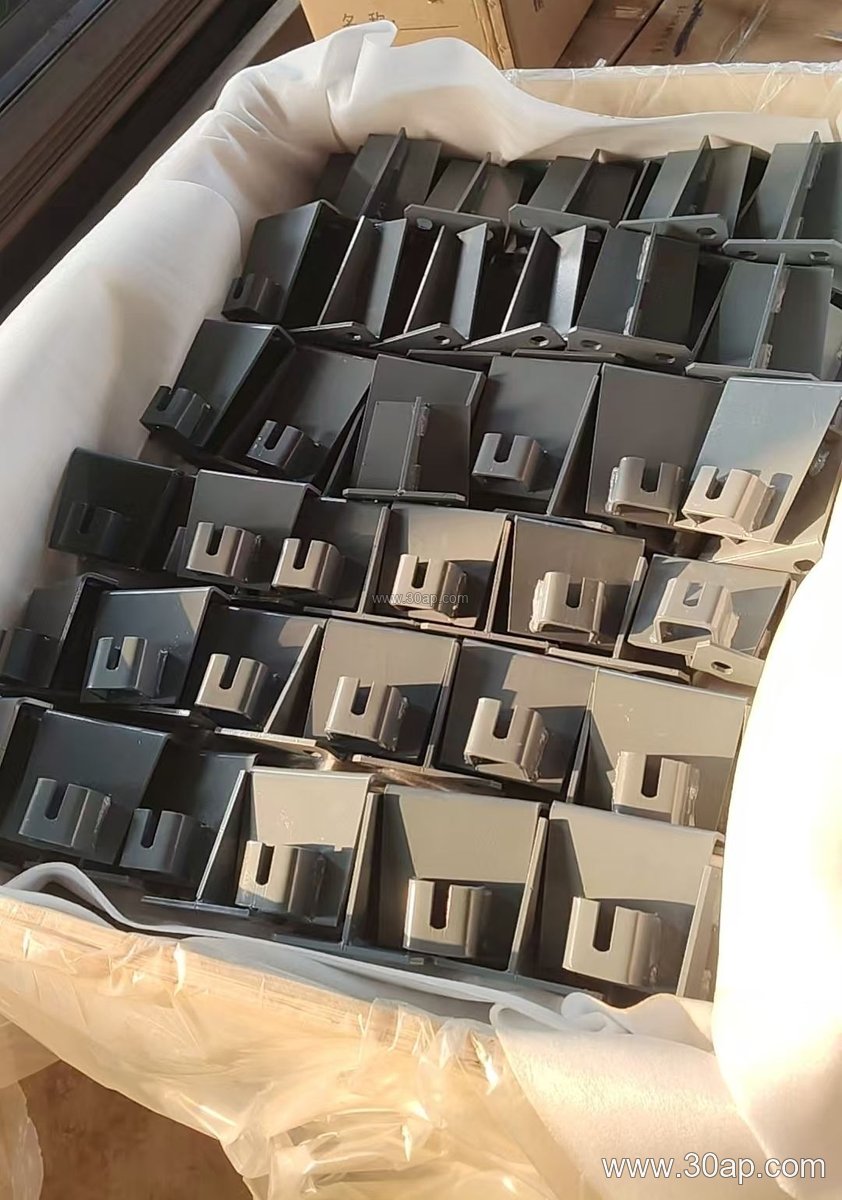
Most Q235 conveyor brackets are fabricated from angle steel, channel steel, or folded steel plate. The choice depends on the load, belt width, and mounting arrangement. A typical bracket includes mounting holes for the idler shaft, a base or flange for bolting to the conveyor frame, and sometimes an adjustable slot to fine-tune the trough angle.
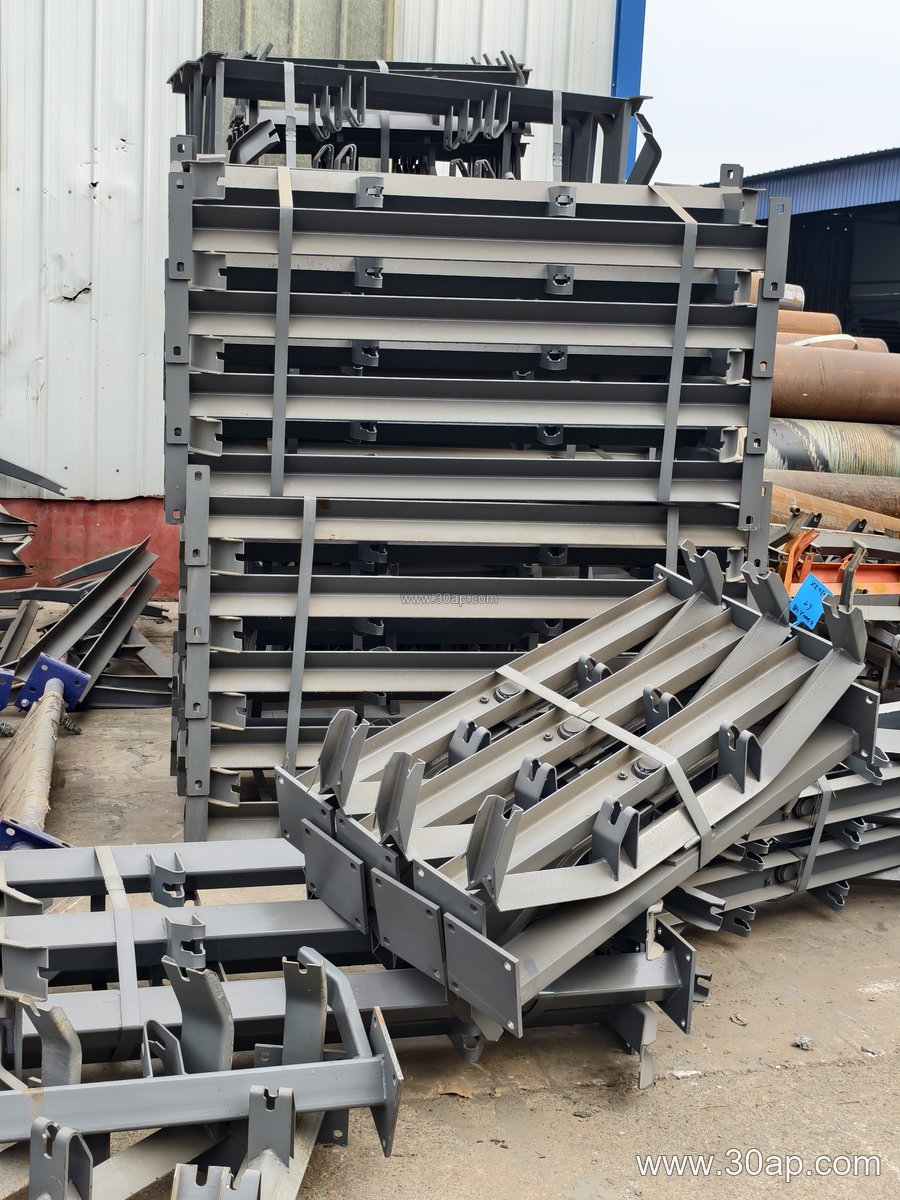
Common surface treatment includes painting or galvanizing, though the base material remains Q235 steel. The bracket must resist vibration, belt misalignment forces, and occasional impact from material loading. For heavy-duty applications in mining or cement plants, thicker sections and reinforced gussets may be used.
Where It Is Used
Q235 conveyor brackets appear in many bulk material handling environments. In a coal washing plant, they support troughing idlers on the main haulage belt. In a limestone quarry or sand and gravel line, they hold rollers that carry crushed stone. Cement plants use them on clinker and raw meal conveyors, while power plant coal handling systems rely on them for steady belt support.
They are also found in steel mills, fertilizer plants, grain silos, and tunnel muck removal conveyors. The bracket itself does not contact the material directly; its job is to keep the idler roller and conveyor belt in correct alignment so the belt does not sag or drift.
Types and Configurations
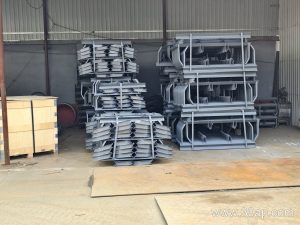
Q235 conveyor brackets come in several forms, each matched to a specific position on the conveyor. Common types include:
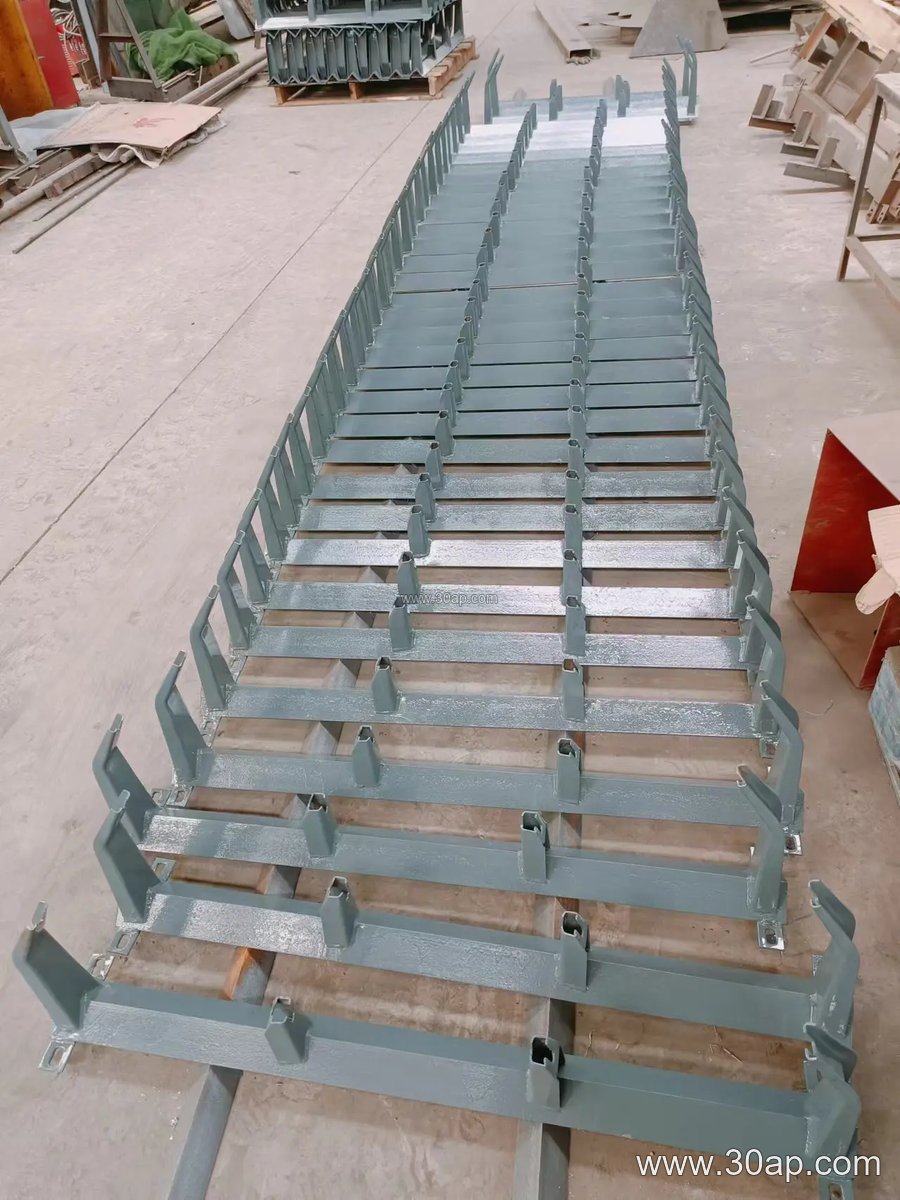
- Troughing bracket (upper carrying side, usually 20°, 30°, 35°, or 45° trough angle)
- Transition bracket (between pulley and troughing section)
- Return bracket or flat return bracket (underside of belt)
- V-return bracket (for belt training on the return run)
- Impact bracket (under loading point, with cushioning)
- Self-aligning bracket (for belt tracking)
- Adjustable bracket (allows trough angle change on site)
These are not interchangeable with each other, nor with drive, tail, or bend pulleys. A troughing bracket, for example, cannot replace a return bracket because the belt path and roller orientation differ.
Matching Belt Width and Roller Diameter
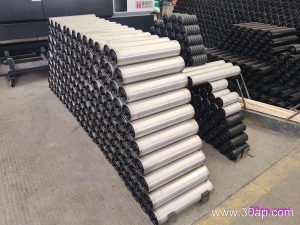
Selection depends on the conveyor belt width, the idler roller diameter, and the required trough angle. Typical belt widths include B500, B650, B800, B1000, B1200, B1400, B1600, B1800, B2000, and B2200. Roller diameters often range from Ø89 to Ø194, such as Ø108, Ø133, or Ø159. Trough angles are commonly 20°, 30°, 35°, or 45°, with adjustable brackets allowing changes within that range.
There is no fixed rule that one belt width must use one specific roller diameter or trough angle. For example, a B800 belt might run with Ø108 rollers at 35°, while a B1200 system could use Ø133 rollers at 45°. The correct combination is determined by the conveyor design, material characteristics, and loading conditions. Installation hole spacing and beam length also vary with belt width and trough angle; they are not universal constants.
Buyer Checklist
When specifying a Q235 conveyor bracket, confirm the following:
- Belt width and required trough angle
- Idler roller diameter and shaft end type
- Mounting hole pattern and frame interface
- Load rating and impact conditions
- Surface treatment for the operating environment
- Whether fixed or adjustable design is preferred
Also consider the overall conveyor layout. A transition bracket near a conveyor pulley may need a different angle than a standard carrying bracket. Return brackets and V-return brackets serve different training purposes. For dusty or corrosive sites, galvanized or painted finishes can extend service life.
Maintenance Notes
Inspect Q235 conveyor brackets for loose bolts, corrosion, cracks, or deformation. Because they support idler rollers and the conveyor belt, a bent bracket can cause belt misalignment, edge damage, or premature roller failure. Replace damaged brackets promptly and recheck trough angle after any adjustment. Keeping brackets and idler rollers aligned helps reduce spillage and energy consumption.