What an Idler Bearing Does in a Conveyor Roller
In a belt conveyor system, the idler bearing is the small but critical component that allows the idler roller to spin freely under load. It sits inside the roller shell, supporting the shaft while the outer tube rotates with the moving conveyor belt. Without a reliable bearing, even a well-built idler roller would drag, wear flat spots, and eventually damage the belt itself. That is why maintenance teams in coal mines, cement plants, and aggregate quarries often treat idler bearings as a key wear part rather than a minor accessory.
The term idler bearing usually refers to the deep groove ball bearing fitted into the end of a conveyor idler. In many designs it is paired with a labyrinth seal or a stamped bearing housing to keep dust and moisture away from the rolling elements. This combination is what allows the roller to turn smoothly for long periods between service intervals.
How an Idler Bearing Is Built Into the Roller
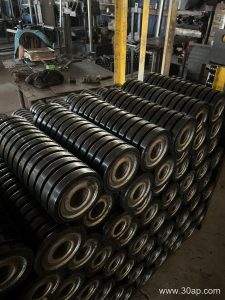
A typical idler roller consists of a steel tube, a shaft, bearing housings at each end, and the bearings themselves. The idler bearing is pressed into the housing, and the shaft passes through its inner ring. A sealing arrangement—often a combination of a labyrinth ring, felt, or rubber lip—sits outboard of the bearing to block fine particles. In dusty applications such as limestone crushing or coal handling, this sealing detail matters as much as the bearing grade itself.
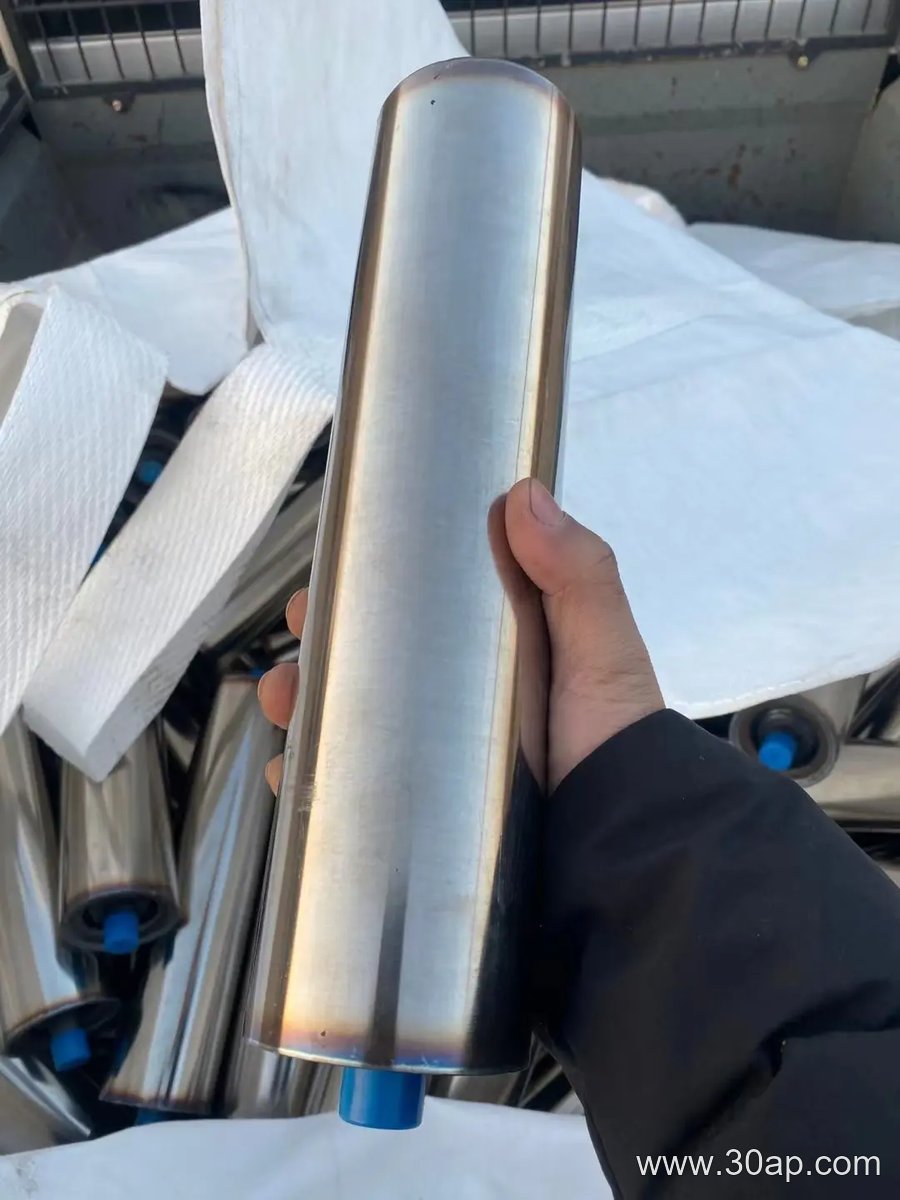
Common bearing sizes found in conveyor idlers include 6204, 6205, 6305, 6306, 6308, and 6310. These are not tied to one roller diameter. A Ø89 roller might use a 6204 bearing in a light-duty design, while a Ø159 roller for a high-capacity iron ore line may use a 6308 or 6310. The correct match depends on load, speed, and the roller manufacturer’s housing design—not on a simple size chart.
Where Idler Bearings Are Used
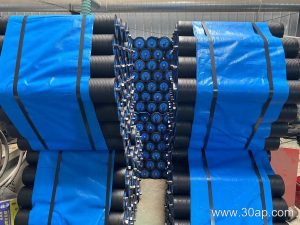
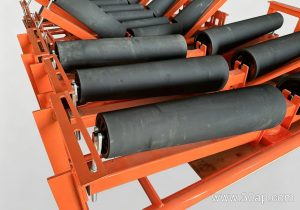
Idler bearings appear in almost every section of a belt conveyor. On the carrying side, they are found in three-roll troughing sets, two-roll transition idlers, and single-roll flat idlers. On the return side, they support flat return rollers, V-return rollers, and spiral or rubber-disc return rolls. Impact idlers in the loading zone also rely on bearings, though these may be protected by rubber rings or a heavier housing to absorb shock.
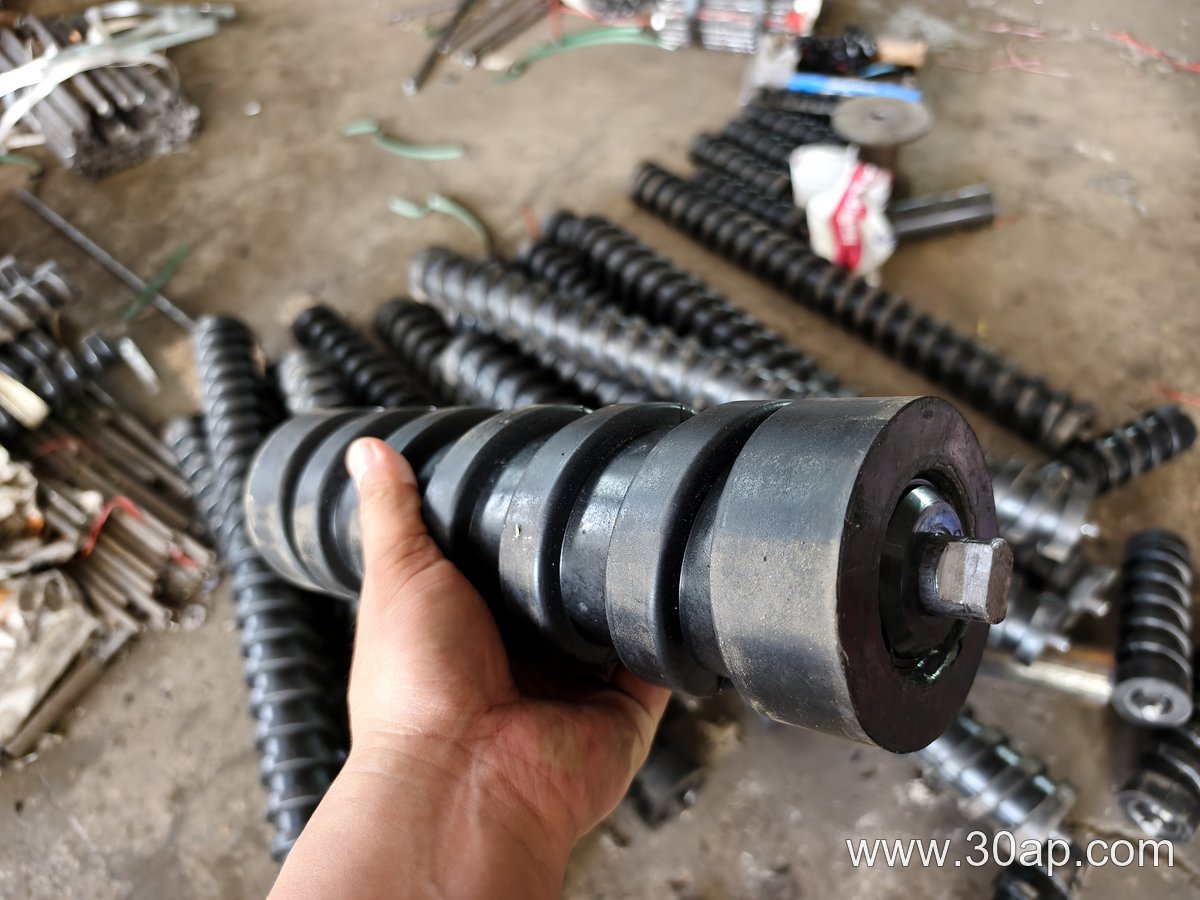
Industry examples include:
- Coal mines and wash plants, where dust and moisture are constant concerns
- Cement plants handling clinker and raw meal
- Power station coal yards and biomass fuel lines
- Sand and gravel pits with abrasive fines
- Port bulk terminals moving iron ore or fertilizer
In each case, the idler bearing is the same basic component, but the sealing, clearance, and lubricant may be selected differently. A bearing that works well in a dry aggregate quarry may fail quickly in a wet coal wash plant if the seal is not suitable.
Bearing Size, Roller Diameter and Belt Width
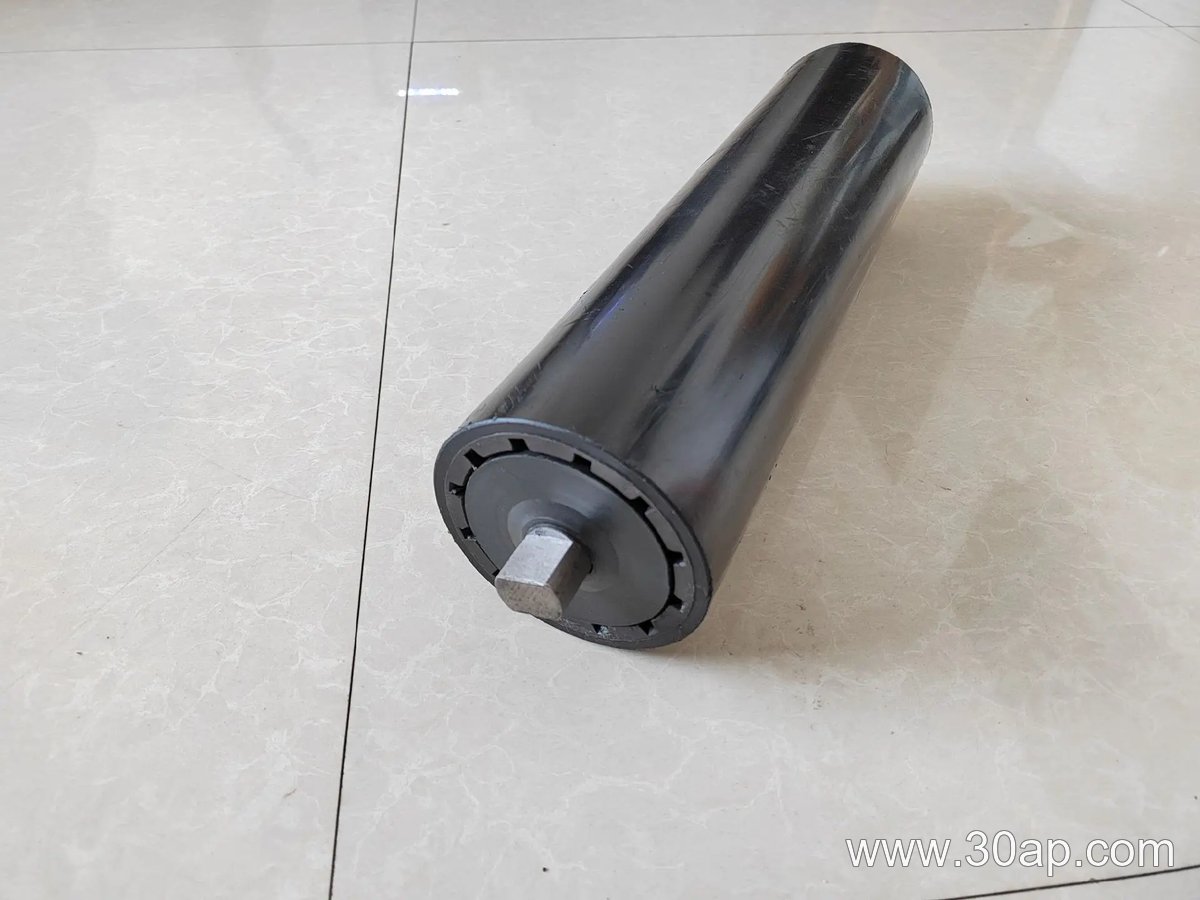
Buyers often ask how to match an idler bearing to a belt width or roller diameter. The honest answer is that there is no single fixed rule. Belt width B500, B650, B800, B1000, B1200, B1400, B1600, B1800, B2000, B2200, and B2400 each allow a range of roller diameters and bearing sizes. A B1000 conveyor might use Ø108 rollers with 6205 bearings in a light-duty plant, or Ø133 rollers with 6306 bearings in a heavy mining duty. The trough angle—20°, 30°, 35°, or 45°—also changes the load on the side rollers, which in turn affects bearing life.
For reference, the table below shows common bearing and roller pairings, but these are examples only, not fixed combinations:
| Roller Diameter | Common Bearing Sizes | Typical Belt Width Range |
|---|---|---|
| Ø63 – Ø89 | 6204, 6205 | B400 – B800 |
| Ø102 – Ø133 | 6205, 6305, 6306 | B650 – B1400 |
| Ø159 – Ø194 | 6306, 6308, 6310 | B1000 – B2000 |
| Ø219 | 6308, 6310 | B1400 – B2400 |
Roll length also varies with belt width and idler type. For a three-roll troughing set, a B800 belt often uses a roller length near 315 mm, while a B1400 belt may use about 530 mm. These are typical values, not universal specifications. The side rollers and center roller can differ, especially in transition zones.
What Buyers Should Check Before Ordering
When specifying an idler bearing, focus on the operating environment first. A quarry handling dry crushed stone may need a bearing with a simple labyrinth seal and standard clearance. A coal wash plant or a port terminal with salt air may need better sealing and possibly stainless steel components. The bearing brand and clearance class (C0, C3) also matter for speed and temperature.
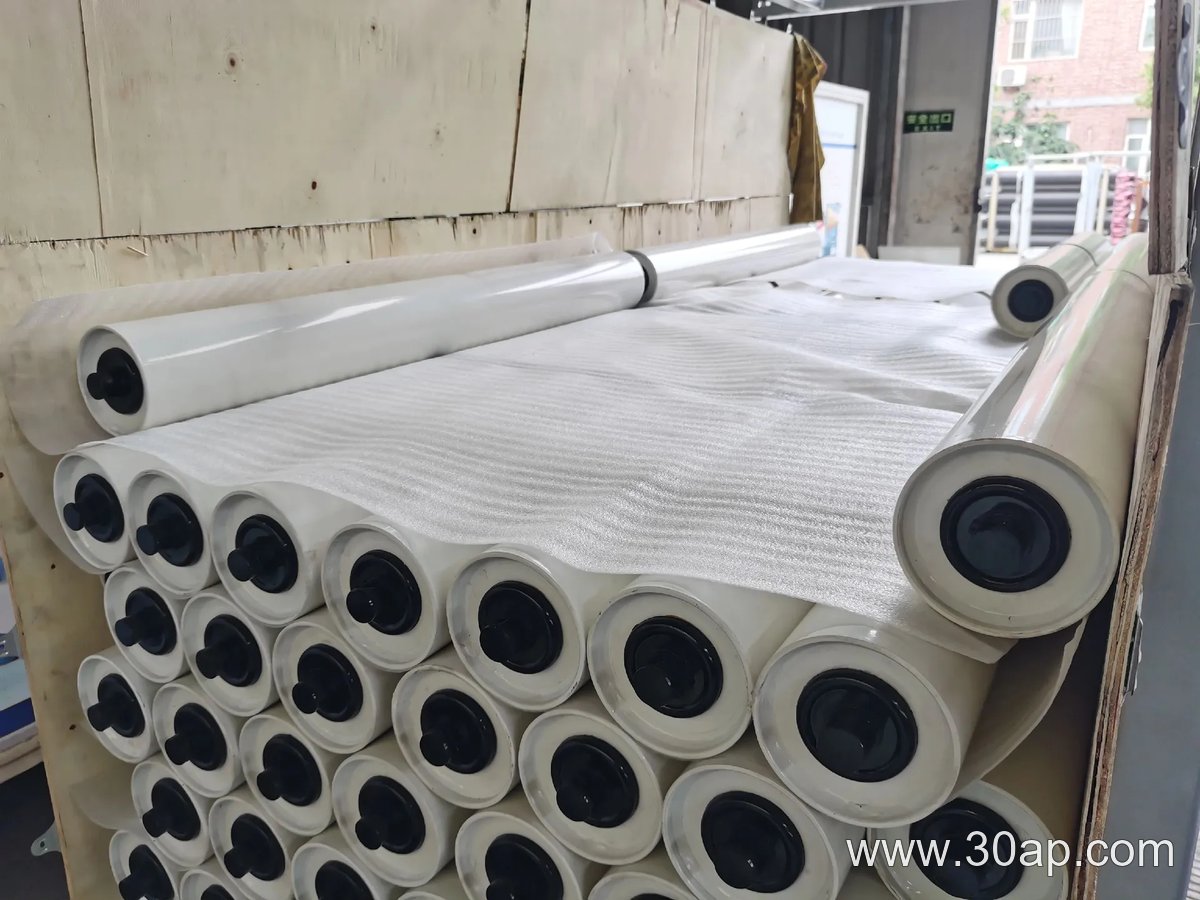
Second, confirm the roller dimensions: tube diameter, shaft diameter, and the housing bore. The bearing must fit the housing and shaft properly—not just match a nominal size. A 6205 bearing from one supplier may have a different chamfer or internal clearance than another, which can affect fit and life.
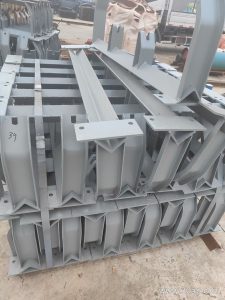
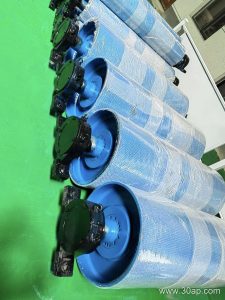
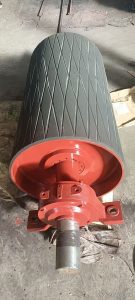
Finally, consider the conveyor pulley and bracket arrangement. The idler bearing does not work alone; it interacts with the conveyor bracket, the shaft, and the roller shell. A loose bracket or a bent shaft will shorten bearing life no matter how good the bearing is. For drive, tail, and bend pulleys, the bearing arrangement is different and should not be confused with idler bearings. Those pulleys carry much higher loads and use different housings and lubrication methods.
In short, the idler bearing is a small part with a large influence on conveyor uptime. Choose it by load, speed, sealing needs, and dimensional fit—not by a single size number.