What a Non-Standard Conveyor Bracket Is
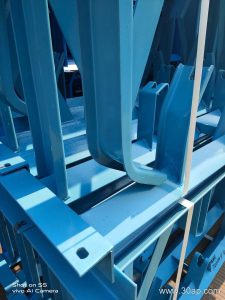
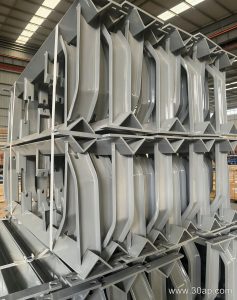
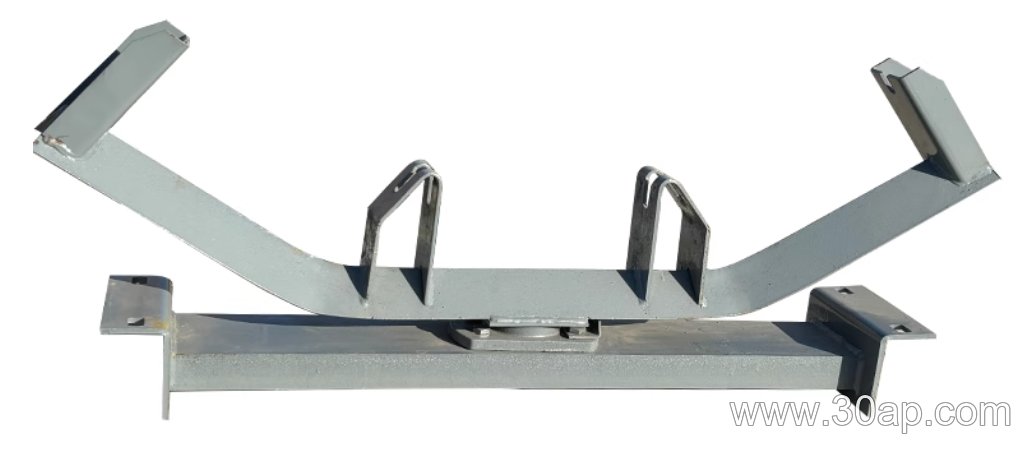
A non-standard conveyor bracket is a support component made to fit a belt conveyor layout that does not match a standard catalog pattern. In practice, it is a custom conveyor bracket, often fabricated from angle steel, channel steel, or folded steel plate, and it usually carries idler roller assemblies at a defined trough angle. The bracket may be an upper trough support, a transition support, a return support, or an adjustable frame, but its key feature is that its dimensions, hole spacing, and crossbeam length are set by the specific conveyor design rather than by a fixed stock size.
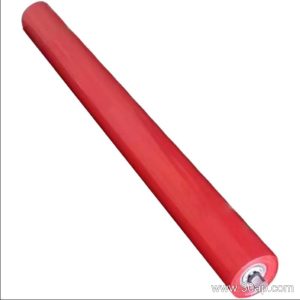
Because a conveyor belt must run on a stable line, the bracket has to match the actual belt width, roller diameter, and trough angle. A standard bracket often suits common combinations, while a non-standard one is produced when the frame, the chute, the structure, or the available space demands a different geometry.
How a Custom Bracket Is Built
Fabrication usually begins with the mounting position. The bracket may be welded, bolted, or clamped to the conveyor frame. The main body can be a single folded plate, a pair of channel sections, or an angle steel frame. Roller slots or mounting holes are cut to accept the selected idler roller shafts. The trough angle is set by the position of the side rollers relative to the center roller.
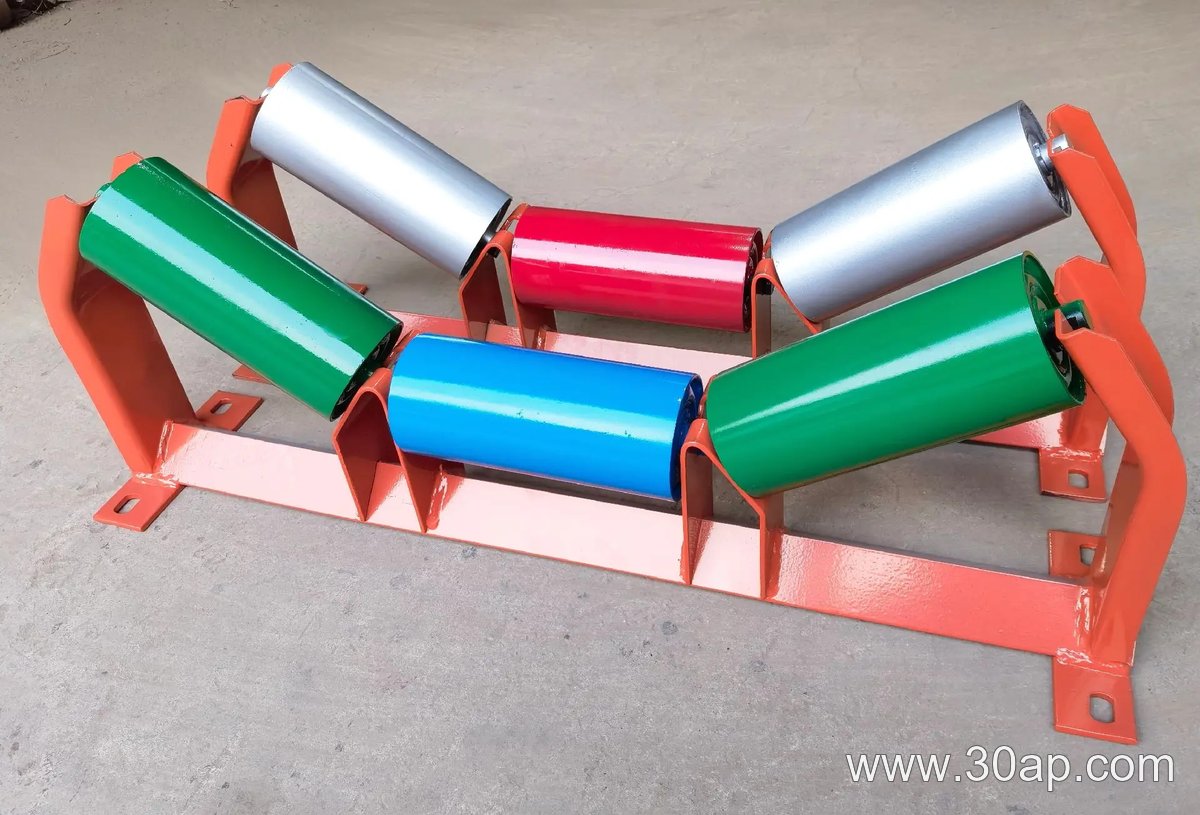
Common trough angles include 20, 30, 35, and 45 degrees. Adjustable designs allow the operator to change the trough angle within a range, while fixed brackets hold one angle. Forward-leaning brackets are sometimes set at about 1.5 to 2 degrees to help belt tracking. The hole spacing and crossbeam length are not fixed; they change with belt width, trough angle, and frame layout.
Where It Fits in a Conveying Line
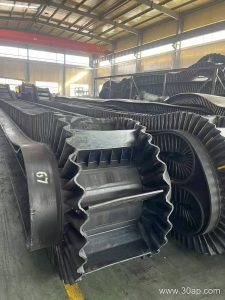
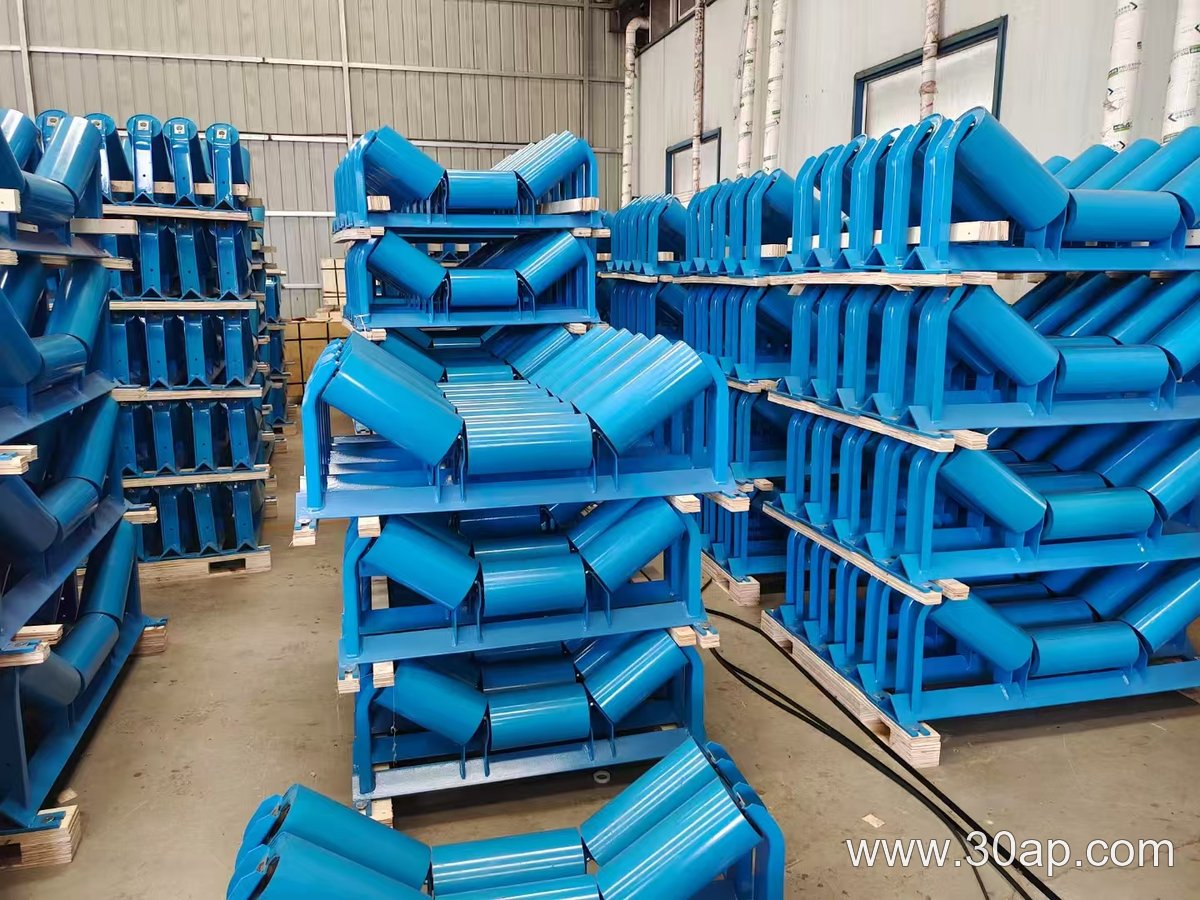
This component appears wherever a conveyor belt changes direction, receives material, or needs extra support. In a quarry or sand and gravel line, a custom bracket may be used at the loading point under a crusher discharge. In a coal preparation plant or a power plant coal handling system, it may support troughing idlers through a transfer tower. In a cement plant, a limestone transport line may use an adjustable bracket to tune the trough angle after belt replacement.
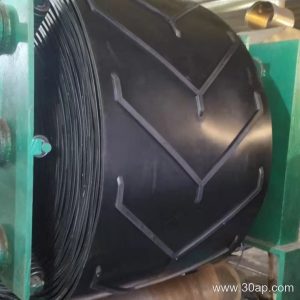
It also appears in a steel plant sinter line, a fertilizer bulk line, a grain silo, or a tunnel muck removal system. In each case, the bracket works with the conveyor belt, idler roller, and conveyor pulley to keep the belt centered and supported. A drive pulley, tail pulley, or bend pulley has a different role and is not a substitute for the bracket; those parts transmit power or change belt direction, while the bracket holds the rollers that carry the belt.
Typical Parameters to Confirm
The following values are common reference points, not universal specifications. Final dimensions should follow the actual conveyor design.
| Item | Common Range or Example |
|---|---|
| Belt width | B500, B650, B800, B1000, B1200, B1400, B1600, B1800, B2000, B2200 |
| Trough angle | 20°, 30°, 35°, 45°; adjustable types can be set between these angles |
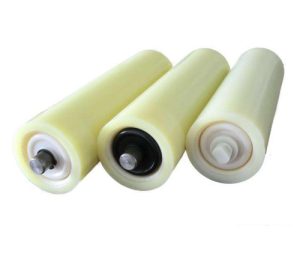
| Roller diameter | Ø89, Ø108, Ø133, Ø159, Ø194 |
| Material | Angle steel, channel steel, folded steel plate |
| Mounting | Bolted, welded, or clamped to the frame; hole spacing and beam length vary by design |
Useful combinations such as B800 with 35 degrees and Ø108, B1200 with 45 degrees and Ø133, or B650 with 30 degrees and Ø89 can be found in real projects, but they are not exclusive matches. A wider belt does not automatically dictate one trough angle or one roller diameter.
Buyer Checklist
- Confirm the belt width and the actual roller diameter, not just the nominal conveyor size.
- State the required trough angle and whether it must be fixed or adjustable.
- Provide the mounting hole pattern, crossbeam length, and frame interface.
- Identify the position: upper trough, transition, return, or buffer zone.
- Check the material and surface treatment against the site environment, such as dust, moisture, or abrasive material.
- Ask for a drawing check before production, because a custom bracket is only useful when it fits the existing conveyor frame.
A non-standard conveyor bracket is a small part with a large effect on belt alignment and roller life. When it is measured correctly and built for the actual trough angle and belt width, it helps the conveyor belt, idler roller, and pulley system work as one stable unit.