What an Aggregate Conveyor Belt Does
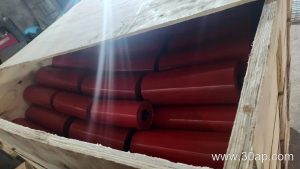
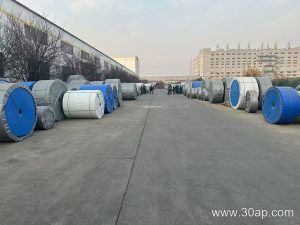
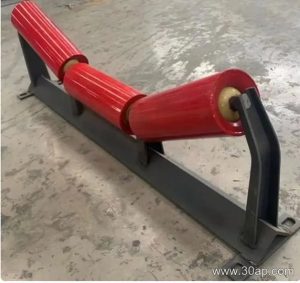
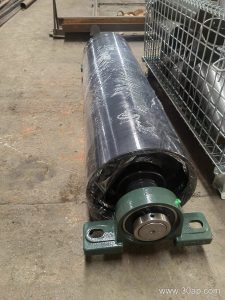
An aggregate conveyor belt is the load-carrying element in a bulk handling system that moves crushed stone, sand, gravel, clinker and similar abrasive material from one transfer point to the next. In a quarry, coal mine, cement plant or power station, this belt works together with idler rollers, conveyor pulleys and conveyor brackets to form a continuous transport line. The belt itself is not a simple rubber strip; it is a composite structure engineered for impact, abrasion and tension.
How the Belt Is Built
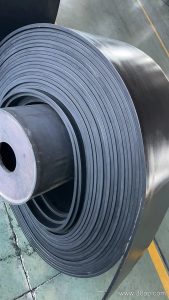
A typical construction combines a carcass and rubber covers. The carcass provides tensile strength and resistance to stretching, while the top cover absorbs impact and abrasion from falling rock. The bottom cover protects the pulley side. Common carcass options include EP fabric, NN nylon fabric and steel cord, and the cover grade is selected according to the duty.
- EP conveyor belt: polyester warp and nylon weft, a frequent choice for medium and long aggregate lines.
- NN nylon conveyor belt: good elasticity and fatigue resistance for dynamic loading points.
- Steel cord conveyor belt: used where very high tension and long center distances are required.
- PVC or PVG belt: often seen in underground coal mine service where flame resistance matters.
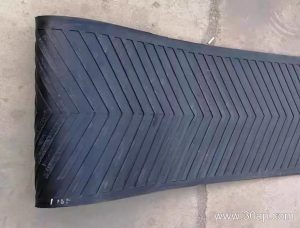
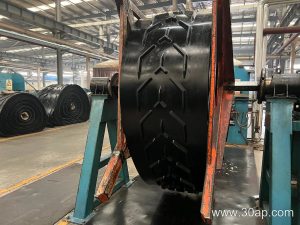
Surface forms such as smooth, patterned or chevron profiles are chosen when the incline is steep enough that material would otherwise slide back. Sidewall belts are a separate design used for vertical or space-limited routes, not a direct substitute for a standard flat belt.
Reference Data Buyers Often Review
The table below shows indicative ranges. Actual values depend on the conveyor design, material density and operating conditions.
| Parameter | Common reference |
|---|---|
| Belt width | B500, B650, B800, B1000, B1200, B1400, B1600, B1800, B2000 |
| Fabric strength | EP200, EP315, EP400, EP500, EP630, EP800, EP1000, EP1250, EP1600, EP2000 |
| Cover thickness | 3+1.5, 4+2, 5+2, 6+2, 8+3 mm |
| Carcass plies | usually 2 to 6 layers for fabric belts |
| Special grades | wear resistant, heat resistant, oil resistant, flame retardant, antistatic, cold resistant, acid and alkali resistant |
These figures are reference data, not a universal specification. A wider belt does not automatically require one particular pulley diameter, and shaft size is determined by the pulley design and load calculation, not by belt width alone.
Where It Is Used
Aggregate conveyor belts appear in many heavy-duty settings. In a sand and gravel pit, they carry washed stone from a screen to a stockpile. In a cement plant, they feed limestone and clinker between crushers, mills and silos. In a coal mine, flame-retardant belts transport raw coal underground. Power plants use them for coal and ash handling, while steel and port terminals rely on them for ore and bulk cargo. The common thread is continuous, high-volume movement of abrasive material.
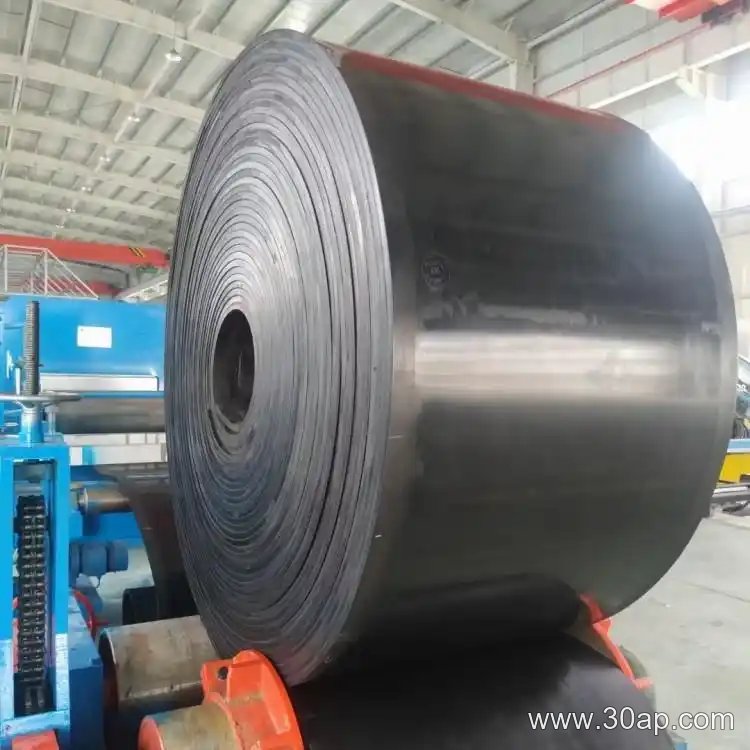
Selection Points for Buyers
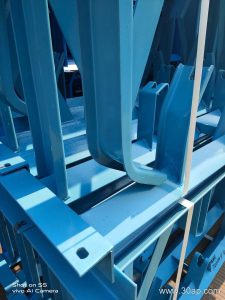
Before ordering, define the material, the lump size, the tonnage per hour and the incline. A belt that is too weak for the tension will stretch and fail early; one that is too stiff may track poorly on small pulleys. Check the idler roller spacing at the loading zone, because impact there damages the cover faster than normal carrying. Confirm that the conveyor pulley diameters match the carcass flexibility recommended by the belt maker. Also review the conveyor bracket and frame condition, since misalignment shortens belt life even when the rubber itself is correct.
Maintenance and Service Life
Keep the belt centered, clean the return side, and inspect splices regularly. Abrasion, edge wear and cover cracking are the usual warning signs. In dusty aggregate plants, material build-up on idler rollers can cause tracking problems and extra load on the drive. A planned inspection routine is more effective than reacting after a tear.
A Note on Compatibility
Drive, tail and bend pulleys are not interchangeable names, and each has its own role in the conveyor. The aggregate conveyor belt is selected as a system component, so the final choice should follow the actual conveyor design rather than a single number from a catalog.