Choosing Between EP Fabric and Steel Cord Conveyor Belt Designs for Heavy Raw Material Lines
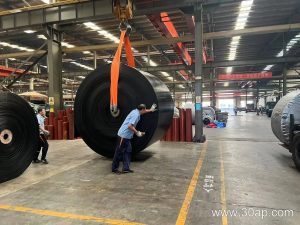
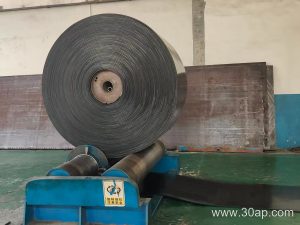
Selecting the proper carcass structure for a conveyor belt in heavy industrial environments like a cement plant determines whether the system maintains alignment or suffers from catastrophic stretch. Engineers typically evaluate two primary internal architectures: multi-ply polyester-nylon fabric designs and longitudinal steel cord assemblies. Each subtype handles mechanical stress, elongation limits, and impact absorption differently. Matching the correct carcass configuration to the specific demands of raw limestone or clinker transport prevents premature splice failure and costly downtime.
EP Fabric Carcass Architecture Benefits and Limitations
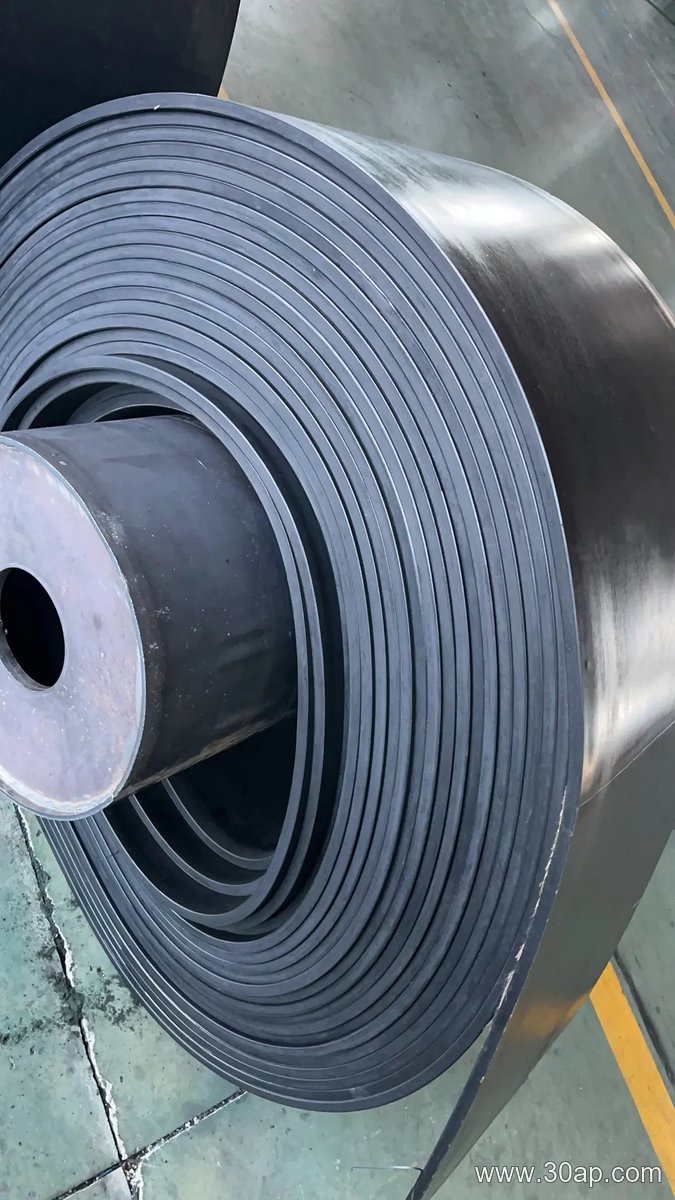
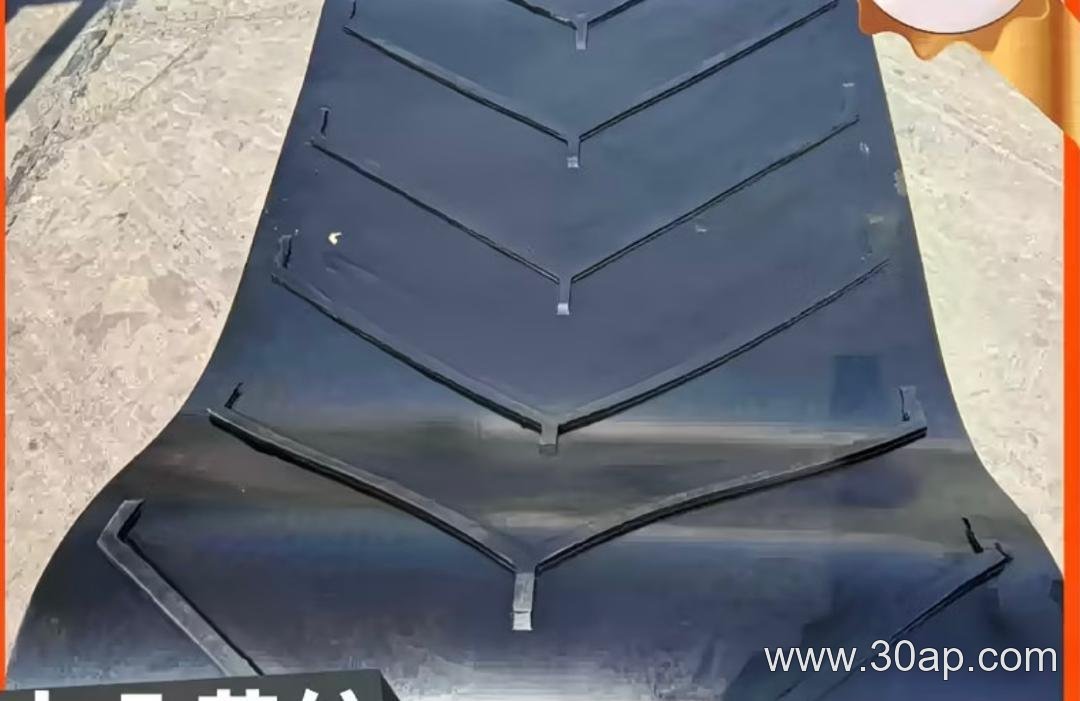
Polyester-nylon fabric constructions utilize interwoven plies bonded by intermediate rubber skim coats. The warp threads consist of polyester to ensure minimal longitudinal elongation, while the weft threads utilize nylon to provide transverse flexibility and exceptional troughability.
- High impact resistance due to the elasticity of the multi-ply fabric matrix.
- Excellent troughability, allowing the conveyor belt to conform smoothly to high-angle idler rolls.
- Splicing is relatively straightforward using standard step-splice or finger-splice vulcanization techniques.
- Prone to higher permanent elongation over extended operational periods if tension ratings are exceeded.
- Tensile strength limits make EP structures less suitable for extremely long haul distances compared to metallic alternatives.
Steel Cord Carcass Mechanics and Operating Parameters
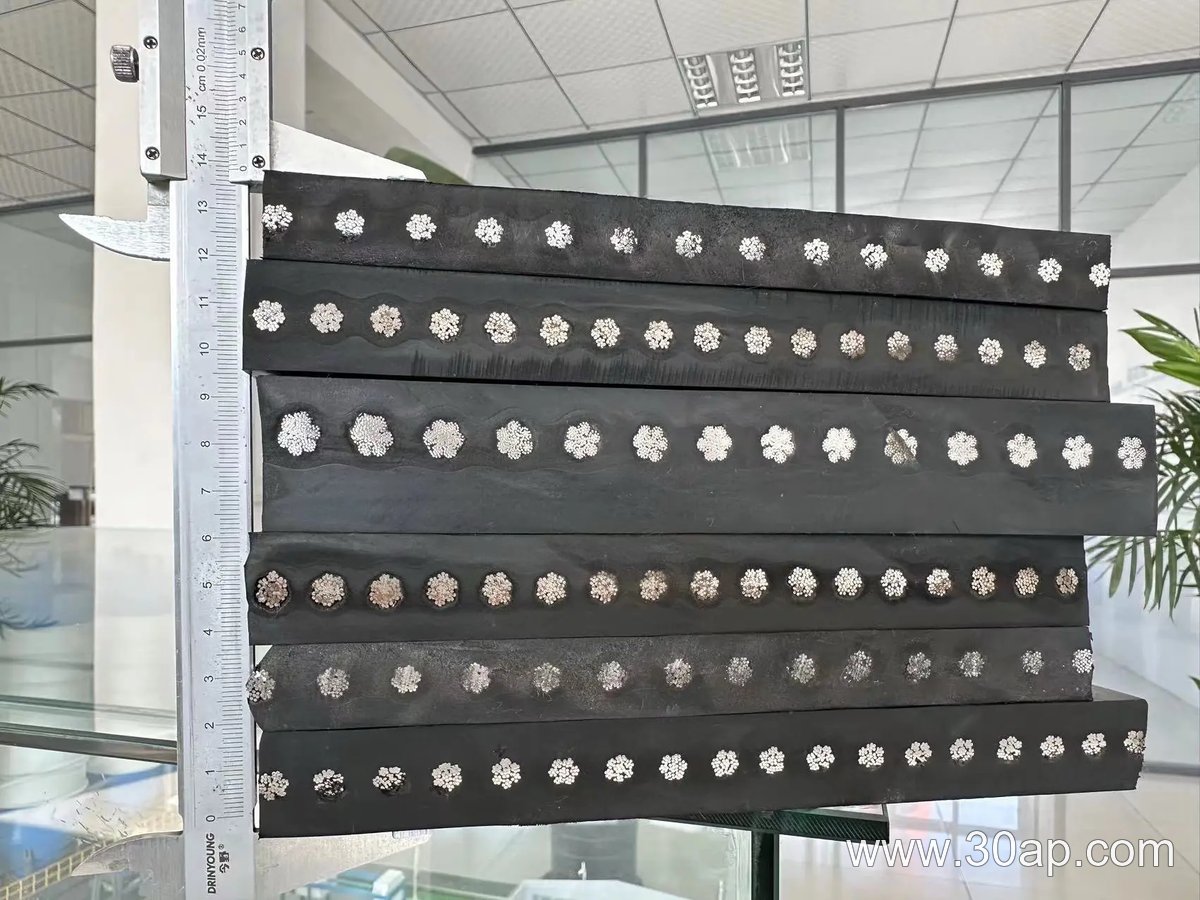
Steel cord conveyor belt options replace fabric plies with high-tensile galvanized steel cables embedded uniformly in rubber across the longitudinal axis. This configuration offers near-zero operational stretch, allowing long-center installations to operate without requiring massive take-up travel distances.
- Extremely high tensile strength capacities, easily accommodating long distances and high lift requirements.
- Negligible stretch under full load, reducing the frequency of mechanical take-up adjustments.
- Superior tear propagation resistance when handling sharp, jagged raw materials.
- Requires specialized nondestructive testing equipment and skilled technicians to inspect internal cord corrosion and splice integrity.
- Lower transverse flexibility, demanding careful matching with transition distances to prevent edge pinching.
Comparative Suitability for Cement Plant Processing Zones
Evaluating these options within a cement plant requires analyzing specific processing zones. For the primary crusher discharge zone, where massive limestone boulders drop onto the line, a heavy-duty fabric conveyor belt often absorbs the initial shock better due to the cushioning effect of its multi-ply carcass. Conversely, for the long incline leading from storage silos to the preheater tower, a high-strength steel cord conveyor belt provides the necessary tensile capability to lift dense loads without excessive elongation. Engineers must weigh impact absorption against tensile demand when finalizing their procurement specifications.