What the ST1000 Conveyor Belt Is
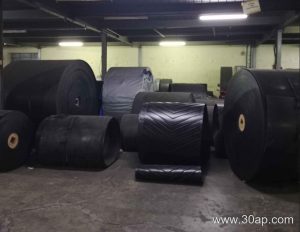
The ST1000 conveyor belt is a steel cord belt with a nominal tensile strength of 1000 N/mm. In the steel cord family it sits in the middle of the range, above lighter ST630 constructions and below ST1250 and higher grades. That position makes it a practical choice for main haulage lines where loads are heavy but the duty is not extreme. The “ST” prefix marks steel cord reinforcement, and the number states the breaking strength per unit width, so the belt’s rating is tied to its reinforcement rather than to its cover compound.
How a Steel Cord Belt Is Built
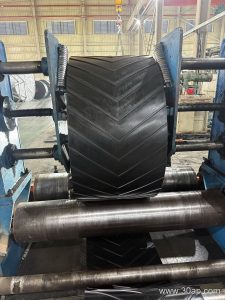
Unlike fabric belts, this construction relies on a single layer of parallel steel cords running the length of the belt. The cords are embedded in a rubber core compound, then covered on both faces with a wear-resistant cover. Because the cords do not crimp as woven fabric does, the belt stretches very little under tension and holds its length well over long centres.
Cover thickness and compound quality are usually the deciding factors in service life. The strength rating says how much pull the belt can take; the covers say how long it will last against abrasion, impact and the material being carried.
Typical Specifications
Values below are common reference points. Actual figures are set by the belt designer and can differ between manufacturers.
| Property | Typical range |
|---|---|
| Strength grade | ST1000 (1000 N/mm) |
| Belt width | B800 to B1600 common; wider on request |
| Cover thickness | 5+2 mm, 6+2 mm, 8+3 mm |
| Cord pitch | According to belt design |
| Cover compounds | Wear resistant, heat resistant, oil resistant, flame retardant, antistatic |
Choosing Width and Covers
Width is selected from the required capacity and the lump size of the material, not from the strength grade alone. A wider belt at ST1000 may carry the same tonnage as a narrower belt at a higher grade. Cover thickness follows the abrasiveness and impact energy of the load: crushed rock and ore usually justify thicker covers than sand or grain. The belt width does not dictate a single pulley diameter, and shaft size is a separate design decision.
Where It Fits in a Conveyor
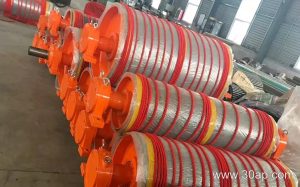
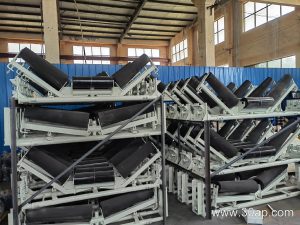
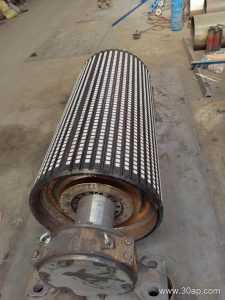
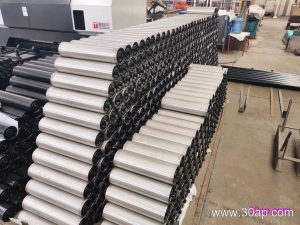
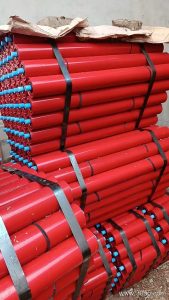
Steel cord belts are common on long overland lines, downhill haulage, and primary crushing circuits where a fabric belt would stretch too much or need too many splices. A complete conveyor also includes the conveyor pulley at the head and tail, idler roller sets along the carrying and return runs, and the conveyor bracket that holds each idler in place. The belt is the load-bearing element; the pulleys transmit drive and change direction.
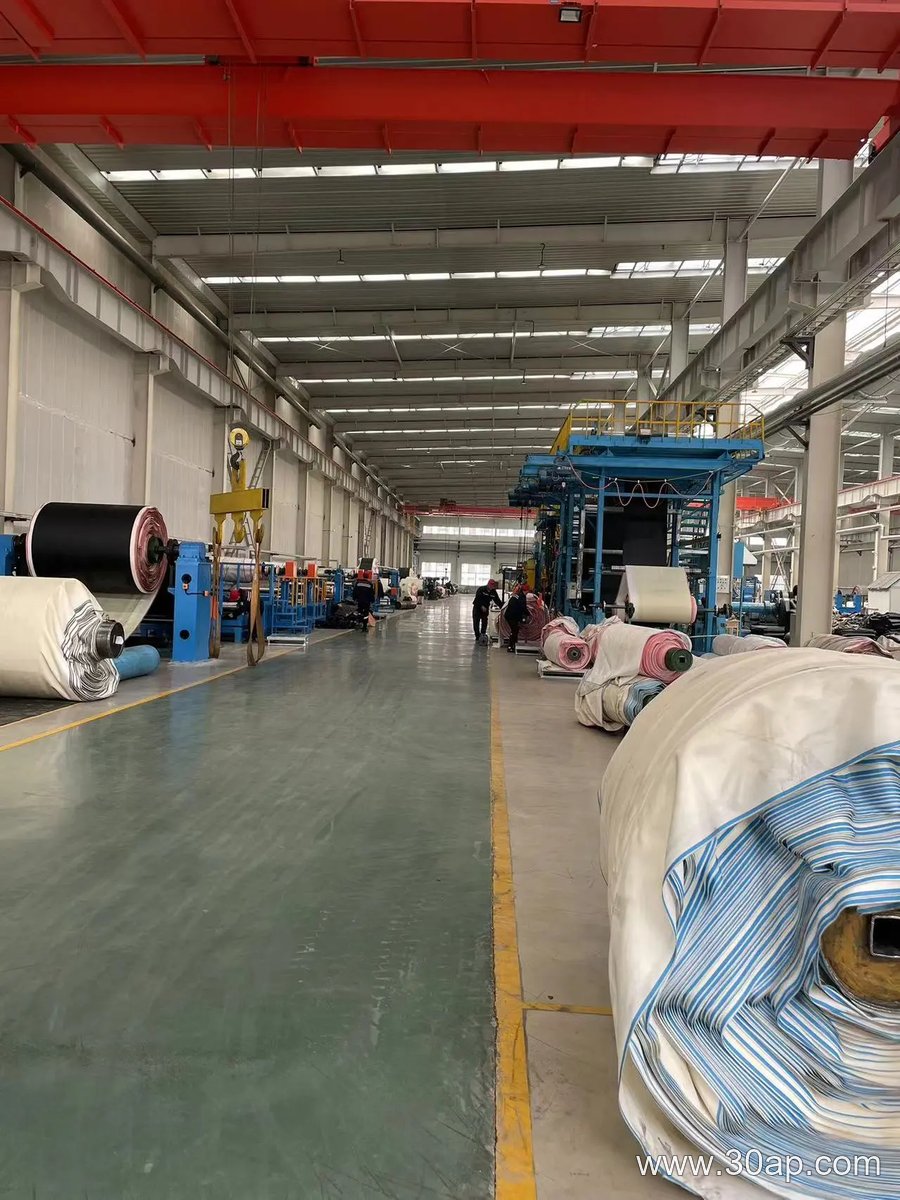
Drive, tail and bend pulleys each do a different job and are not interchangeable. The drive pulley applies torque, the tail pulley returns the belt, and bend pulleys redirect it around curves or tension units. Matching pulley diameter to belt construction matters because a steel cord belt has limited tolerance for small-diameter bending.
A Note on Other Belt Types
For shorter conveyors or lighter duties, an EP or NN fabric belt is often adequate and easier to splice. Steel cord construction becomes worthwhile when the centre distance, tension or tonnage rules out a fabric carcass. The choice is about duty, not about one type being universally better.
What Buyers Should Check
- Confirm the required strength grade against the calculated belt tension with a safety factor, not against tonnage alone.
- Specify cover compound and thickness for the actual material, including temperature and oil exposure.
- State the splice method expected, since steel cord belts are usually spliced by vulcanising with the cords re-laid.
- Ask for the cord pitch and recommended minimum pulley diameter for the proposed construction.
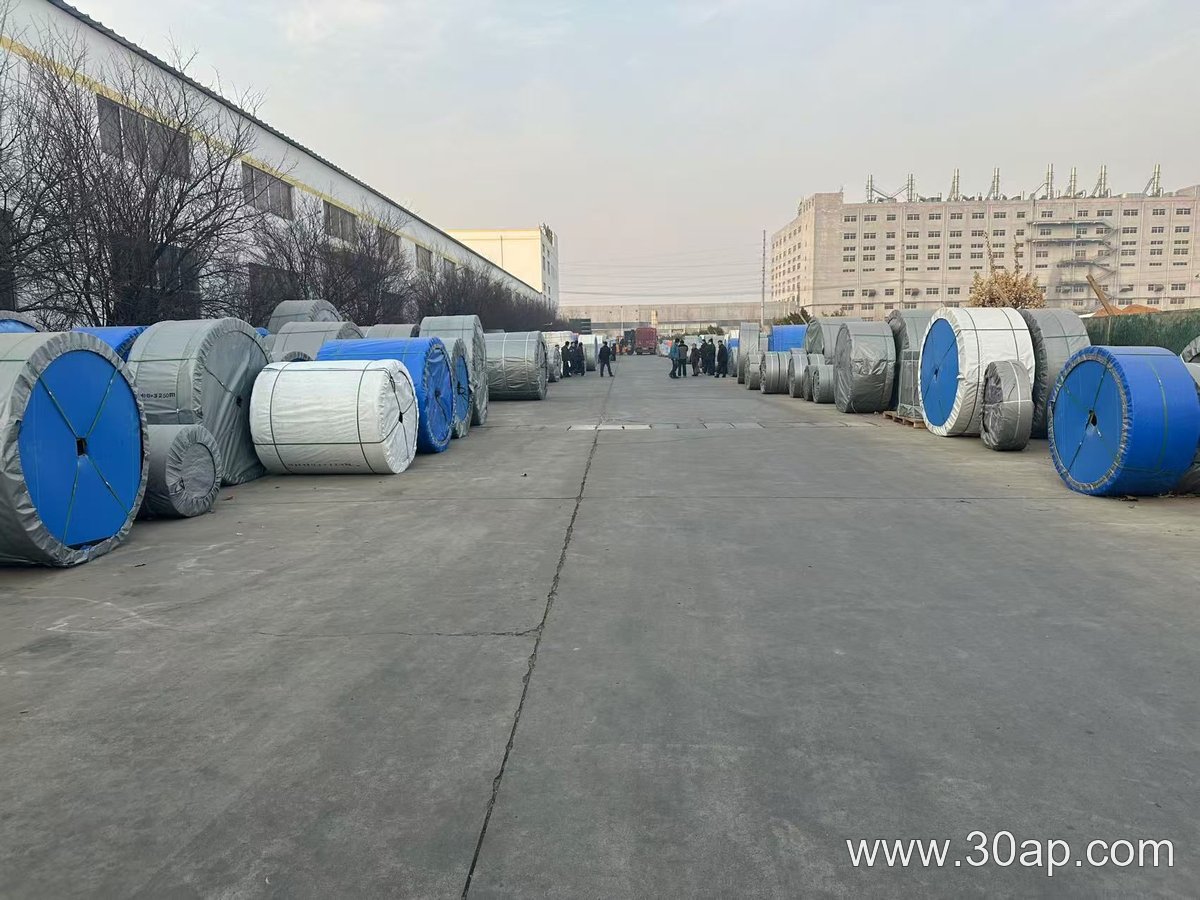
- Review storage and handling, because steel cord belts are heavy and should not be kinked or dragged over edges.
Installation and maintenance follow the same logic. Keep the belt centred, maintain idler roller alignment, and watch for cover wear at loading points. A correctly selected ST1000 conveyor belt with suitable covers and a properly matched pulley layout gives long, predictable service on demanding haulage work.