What a Conveyor Idler Bracket Does
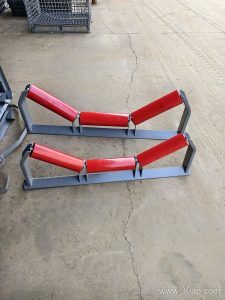
A conveyor idler bracket is the structural interface that holds idler rollers in the correct position under or beside a conveyor belt. It connects the roller shaft to the conveyor frame and sets the trough angle, spacing, and alignment that keep the belt running smoothly. In a quarry, a coal preparation plant, or a cement kiln feed line, these brackets are the quiet workhorses that determine how well the belt is supported along the entire carrying and return runs.
Without a stable bracket, an idler roller can shift, vibrate, or sit at the wrong angle. That leads to belt mistracking, edge damage, and premature roller failure. The bracket itself is not a moving part, but its geometry and rigidity directly affect the life of the conveyor belt and the energy consumed by the drive.
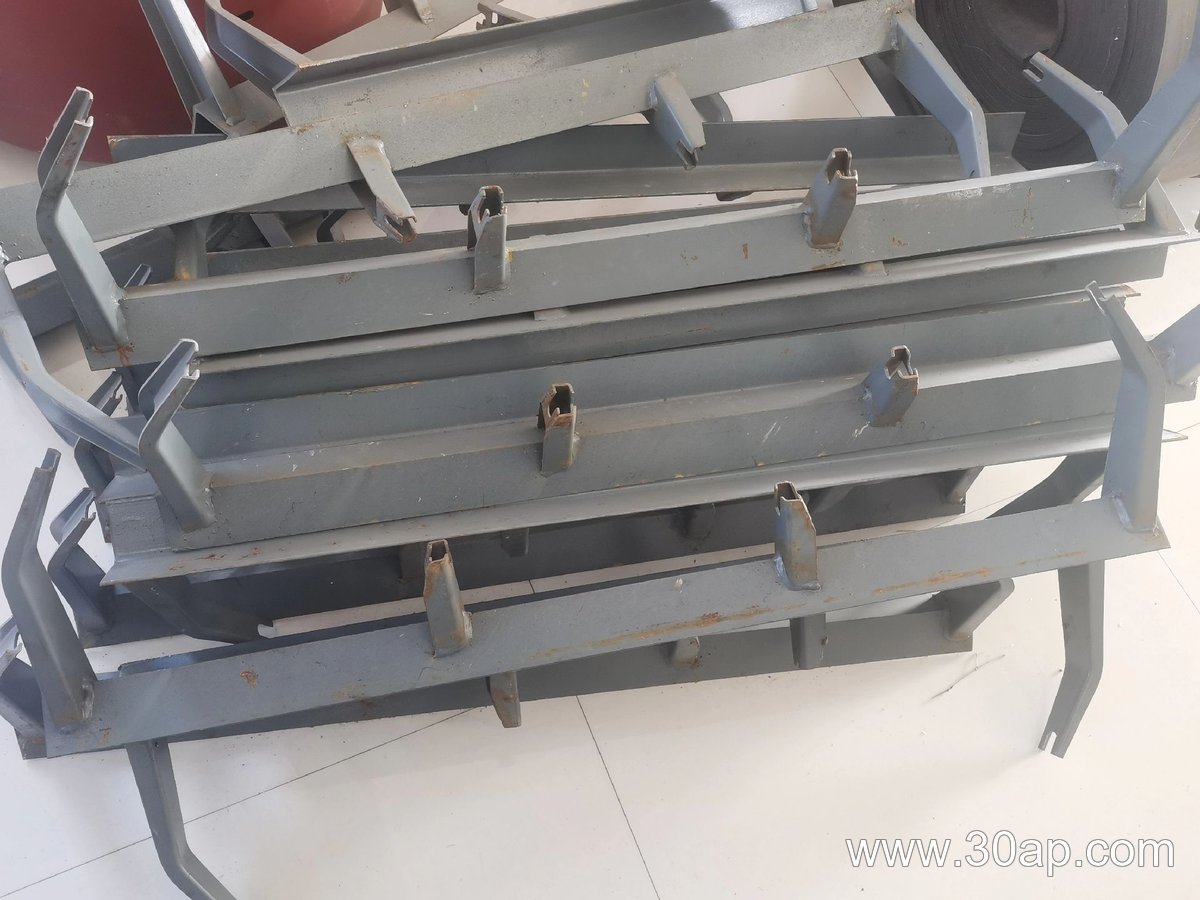
How the Bracket Is Built
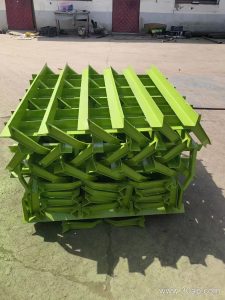
Most brackets are fabricated from angle steel, channel steel, or folded steel plate. The choice depends on the load, the belt width, and the environment. A typical assembly includes:
- A crossbeam or mounting base that bolts to the conveyor stringer
- Slotted or fixed seats that accept the idler roller shaft
- Gussets or stiffeners to resist bending under load
- Mounting holes positioned to match the frame hole spacing
For wider belts, the crossbeam becomes longer and the mounting hole distance changes. There is no single fixed dimension that fits every conveyor. A bracket for a B650 belt with 30 degree troughing will not have the same beam length as one for a B1400 belt at 45 degrees. The bracket is designed around the belt width, the trough angle, and the roller diameter.
Types and Where They Fit
Brackets are often named after the position or function they serve. Common forms include:
- Troughing bracket for the carrying side, setting the trough angle
- Transition bracket used near the pulley to gradually change belt shape
- Return bracket for the empty side of the belt
- V-return bracket that supports the belt in a V profile
- Impact bracket placed under the loading zone to absorb shock
- Self-aligning bracket that helps correct belt tracking
A self-aligning bracket is not a replacement for a troughing bracket. Each subtype has its own role. A transition bracket, for example, is not the same as a standard carrying bracket, and a return bracket should not be used on the carrying side. Drive, tail, and bend pulleys are separate components and are not interchangeable with any bracket type.
Matching Bracket to Belt and Roller
The bracket must match the roller shaft diameter and the belt width. Common roller diameters include Ø89, Ø108, Ø133, Ø159, and Ø194. Trough angles are often 20, 30, 35, or 45 degrees. Adjustable brackets allow the same frame to be set at different angles within a range, while fixed brackets lock in one angle.
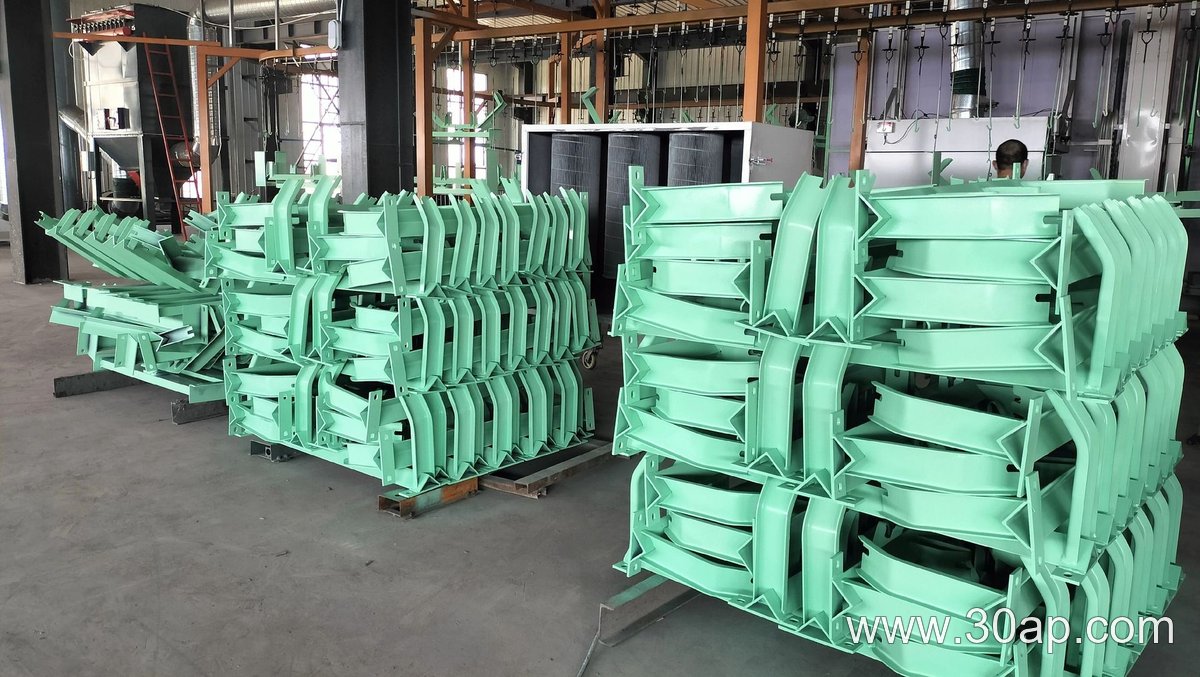
Typical combinations might be B800 with 35 degrees and Ø108 rollers, or B1200 with 45 degrees and Ø133 rollers. These are examples, not fixed rules. A B1000 belt can be used with more than one roller diameter depending on the load and speed. The mounting hole spacing and crossbeam length are determined by the belt width and trough angle, so they should always be confirmed against the conveyor design.
Materials and Environmental Considerations
In a limestone mine or a port coal terminal, dust and moisture are constant. Brackets made from folded steel plate with a protective finish are common. In a fertilizer plant or a grain silo, corrosion resistance may matter more. The material choice should suit the site conditions, but the bracket still needs enough stiffness to keep the idler roller aligned.
What Buyers Should Check
Before ordering, confirm the belt width, trough angle, roller diameter, and mounting hole pattern. Check whether the bracket is fixed or adjustable. Verify that the bracket type matches the position on the conveyor. Ask how the bracket handles belt loading and whether it is designed for impact or transition zones. A bracket that fits one conveyor may not fit another, even if the belt width is the same.
For maintenance teams, keeping spare brackets on hand reduces downtime when a roller seizes or a bracket bends. Inspecting brackets for cracks, corrosion, and loose bolts during routine idler roller checks helps prevent belt damage and keeps the conveyor running at its designed capacity.