What a High-Strength Conveyor Idler Is
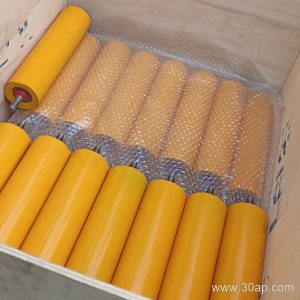
A high-strength conveyor idler is a load-bearing roller assembly designed to support the conveyor belt and the material riding on it. In everyday plant language, it is often called a heavy-duty idler roller or a reinforced carrying roller. It sits under the belt on the carrying side or beneath the return strand, and it turns with the belt to keep friction low and tracking stable.
The difference between a standard idler and a high-strength conveyor idler is not a single feature. It comes from thicker tube walls, stronger bearing housings, better sealing, and a shaft that can handle continuous shock and heavy loads. In a quarry, limestone mine, or iron ore plant, the belt may carry large lumps and run for long shifts, so the idler has to resist impact, dust, and moisture without seizing.
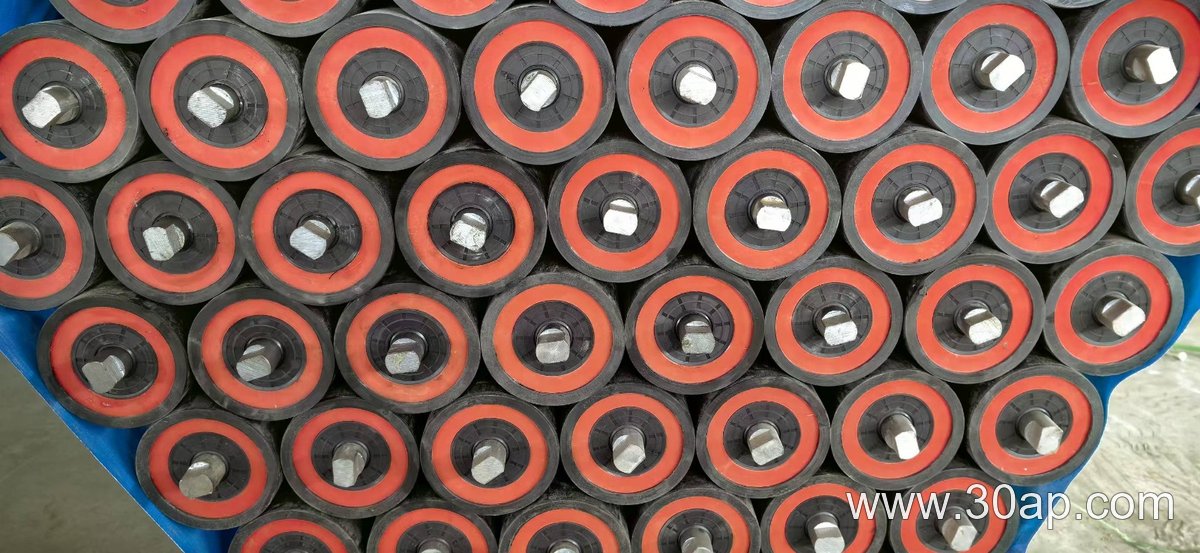
Construction and Key Components
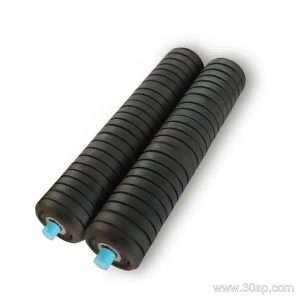
A typical unit is built around a steel tube, a through shaft, bearing seats, and a sealing arrangement. The tube can be plain steel, nylon-coated, ceramic-covered, or fitted with rubber rings for cushioning. Bearings commonly used in these idlers include 6204, 6205, 6305, 6306, 6308, and 6310, with the final choice depending on load, speed, and roll diameter. The seal is often a labyrinth or contact type, sometimes combined with grease retention, to keep fine dust out of the bearing cavity.
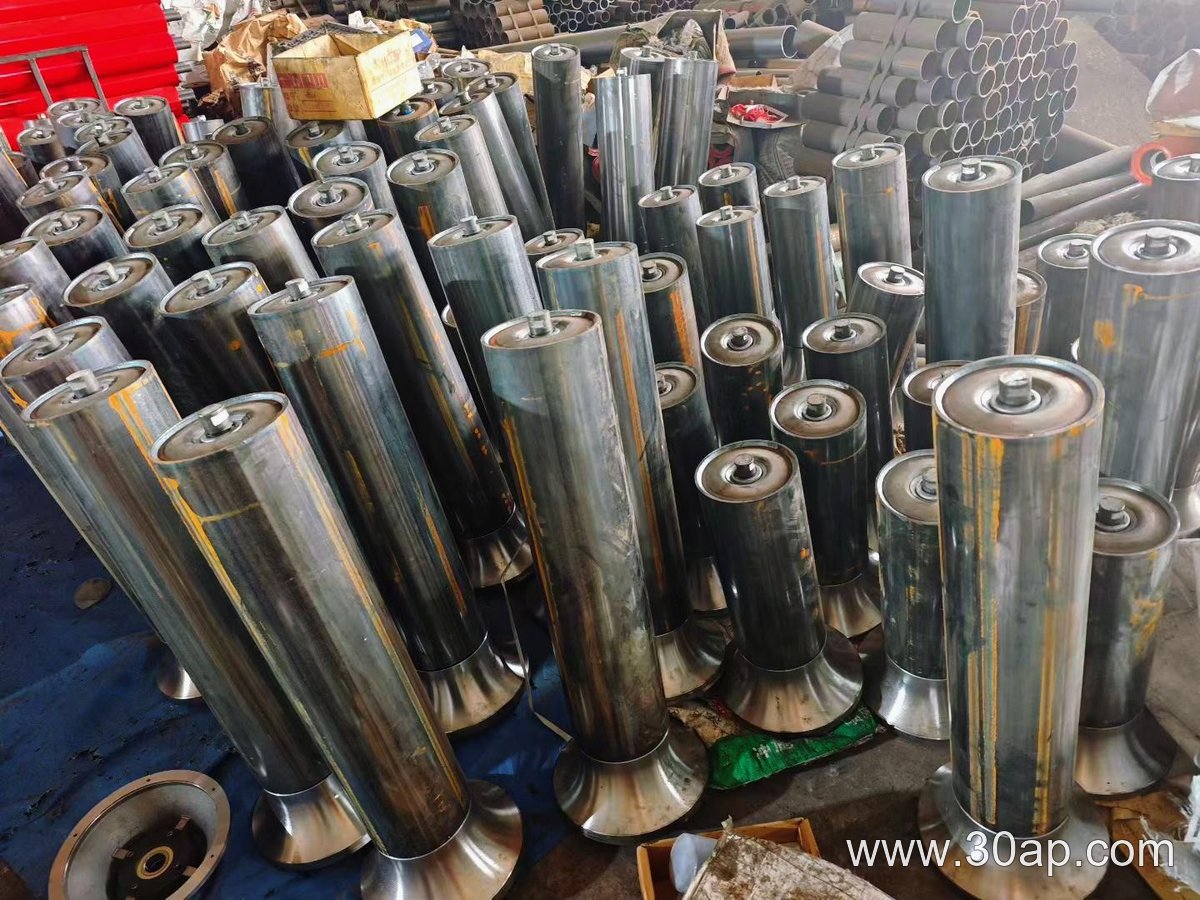
The roller diameter is usually selected together with the belt width and the load per meter. Common roll diameters range from Ø63 and Ø76 for lighter duties up to Ø108, Ø127, Ø133, Ø159, Ø178, Ø194, and Ø219 for heavy carrying positions. The shaft diameter is not fixed by belt width alone; it is determined by load, span, and the bracket design, so a B1000 belt may use different shaft sizes depending on the application.
Where High-Strength Conveyor Idlers Are Used
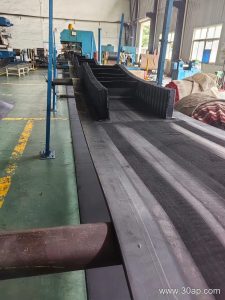
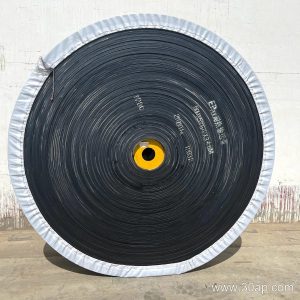
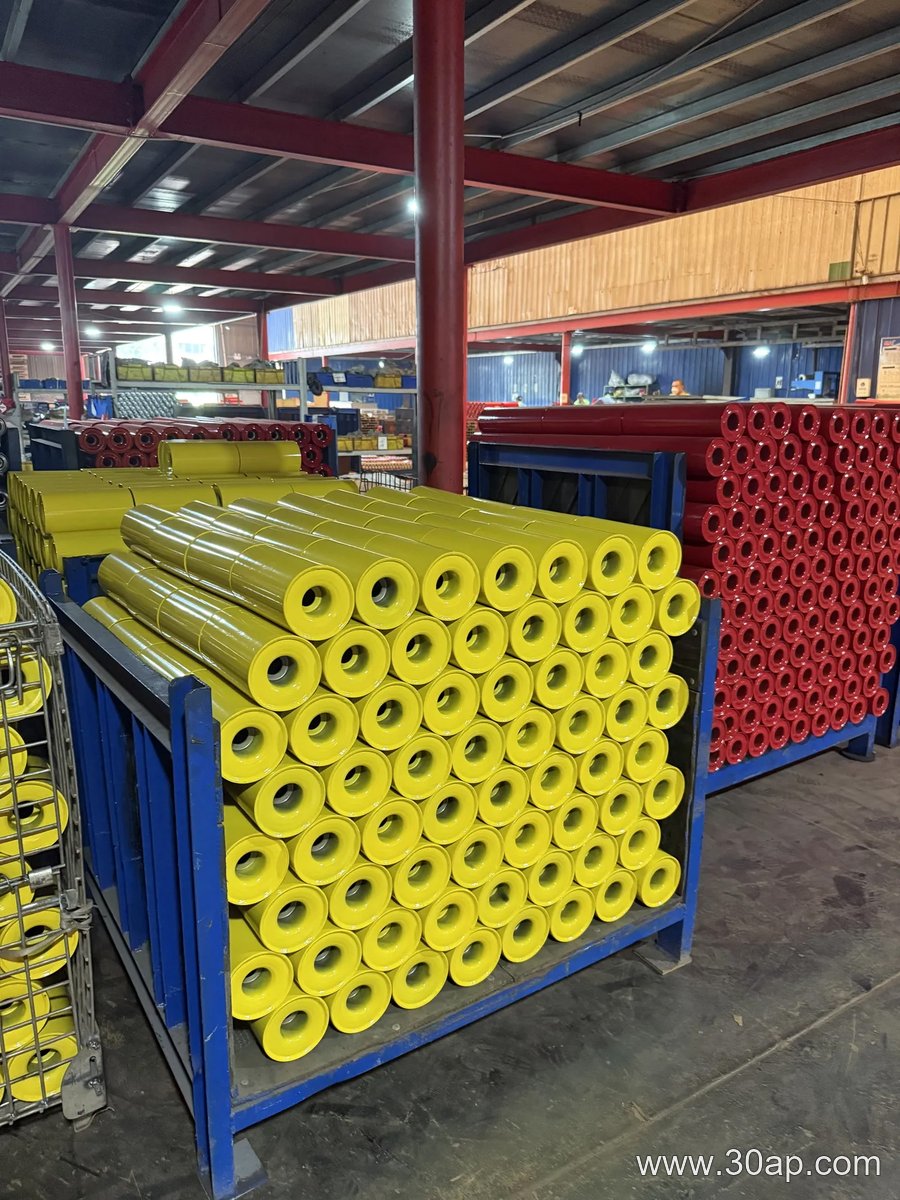
These idlers appear in coal washing plants, cement plants, power station coal handling, port bulk terminals, sand and gravel lines, crushing and screening circuits, and steel or sinter plants. They are also found in tunnel muck removal and fertilizer or grain handling where dust and continuous operation are normal. In these settings, the idler must work with the conveyor belt, the conveyor pulley at the drive or tail end, and the conveyor bracket that holds the roller in place.
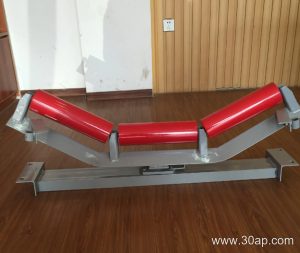
On the carrying side, a three-roll troughing set with 20, 30, 35, or 45 degree trough angle is common. The side rollers and center roller can have different lengths, so a B800 belt might use a center roll around 315 mm in a three-roll arrangement, while a B1200 belt may use a center roll near 465 mm. These are examples, not fixed pairings, and the actual roll length follows the belt width, trough angle, and idler group form.
Common Types and How They Differ
High-strength idlers are not a single shape. The table below shows typical variants and their usual role. The main subject remains the high-strength conveyor idler, and other types are mentioned only for comparison.
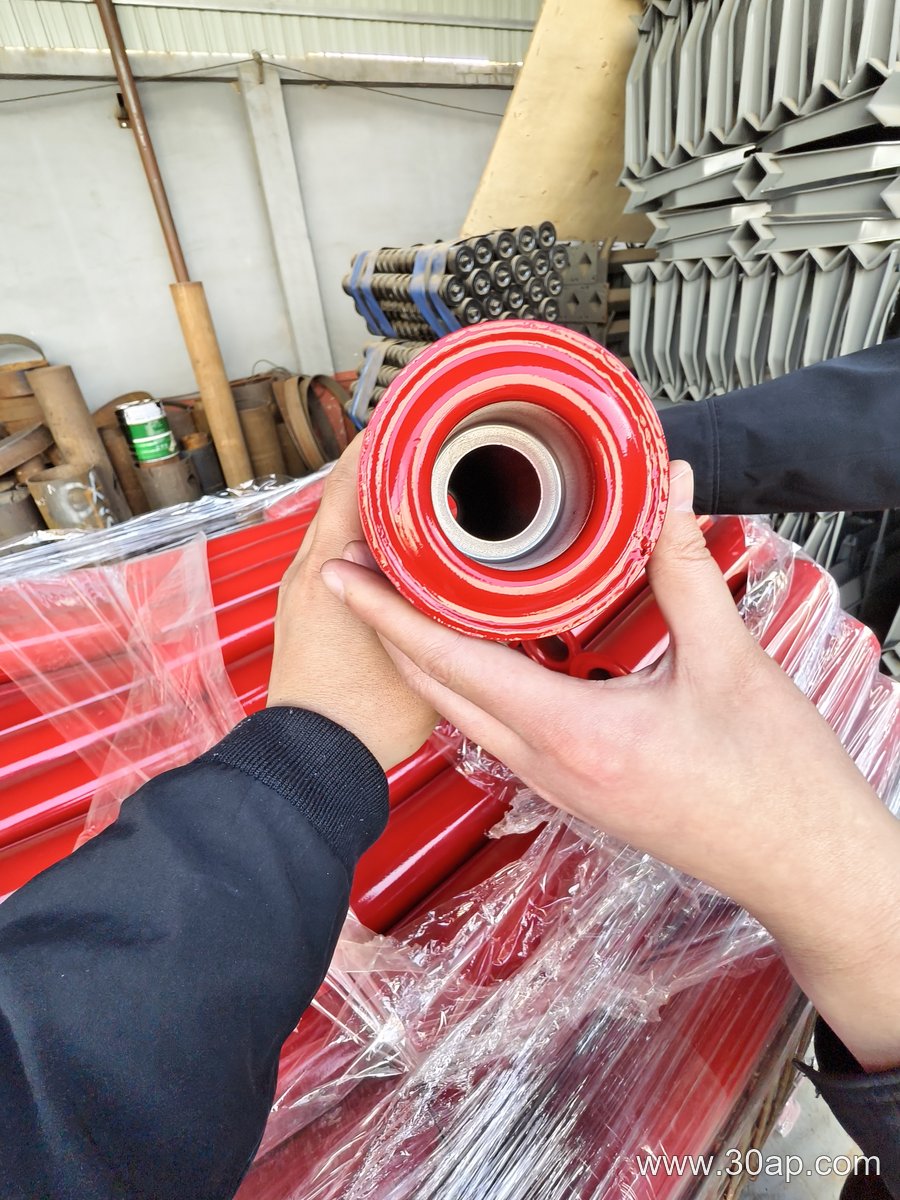
| Type | Typical Position | Notes |
|---|---|---|
| Troughing idler | Carrying side | Single, two-roll, or three-roll; trough angle 20–45 degrees |
| Return idler | Return strand | Flat or V-shaped; supports the empty belt |
| Impact idler | Loading point | Rubber rings or cushion rollers absorb shock |
| Self-aligning idler | Tracking correction | Friction or conical design; used where belt wander is a problem |
| Spiral idler | Return side | Helical surface helps shed sticky material |
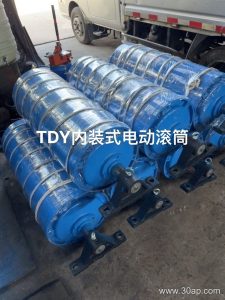
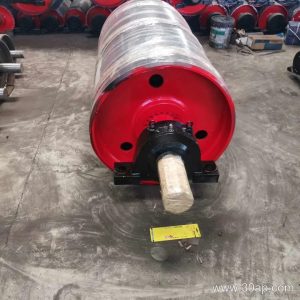
For comparison, a conveyor pulley at the drive, tail, or bend position is a different component and is not interchangeable with an idler roller. A drive pulley transmits torque, a tail pulley changes the belt path, and a bend pulley redirects the belt. They are not replacements for a high-strength conveyor idler.
Buyer Checklist
- Confirm the belt width (B400 to B2400 are common ranges) and the actual load per meter.
- Match the roll diameter and shaft size to the duty, not just to the belt width.
- Check the trough angle and idler group form for the carrying side.
- For dusty or wet conditions, specify a sealed bearing and a suitable roller surface.
- Verify that the conveyor bracket and mounting holes fit the chosen idler frame.
- Ask for the bearing number, tube wall thickness, and seal type before ordering.
A high-strength conveyor idler is a wear part, but its life depends on correct selection and installation. When the idler matches the belt, the load, and the environment, it helps the whole conveyor system run with less downtime and more stable belt tracking.