What the EP1500 Conveyor Belt Actually Is
The EP1500 conveyor belt is a multi-ply rubber belt built around an EP (polyester warp, polyamide weft) fabric carcass. The designation EP1500 refers to its longitudinal breaking strength of 1500 N/mm, placing it in the high-tension range of textile-reinforced belts. This is not a steel cord belt and should not be confused with one. Instead, it uses layers of EP fabric to carry heavy loads across long distances. The belt is often simply called an EP1500 belt on site, but the full name helps distinguish it from lighter grades such as EP200 or EP630.
Where a steel cord conveyor belt offers extremely low elongation and very high strength, the EP1500 belt provides a practical balance between strength, flexibility, and splicing ease. In coal mines, cement plants, power stations, and sand and gravel yards, this belt frequently runs on conveyors that move thousands of tonnes per day.
Construction Details That Matter
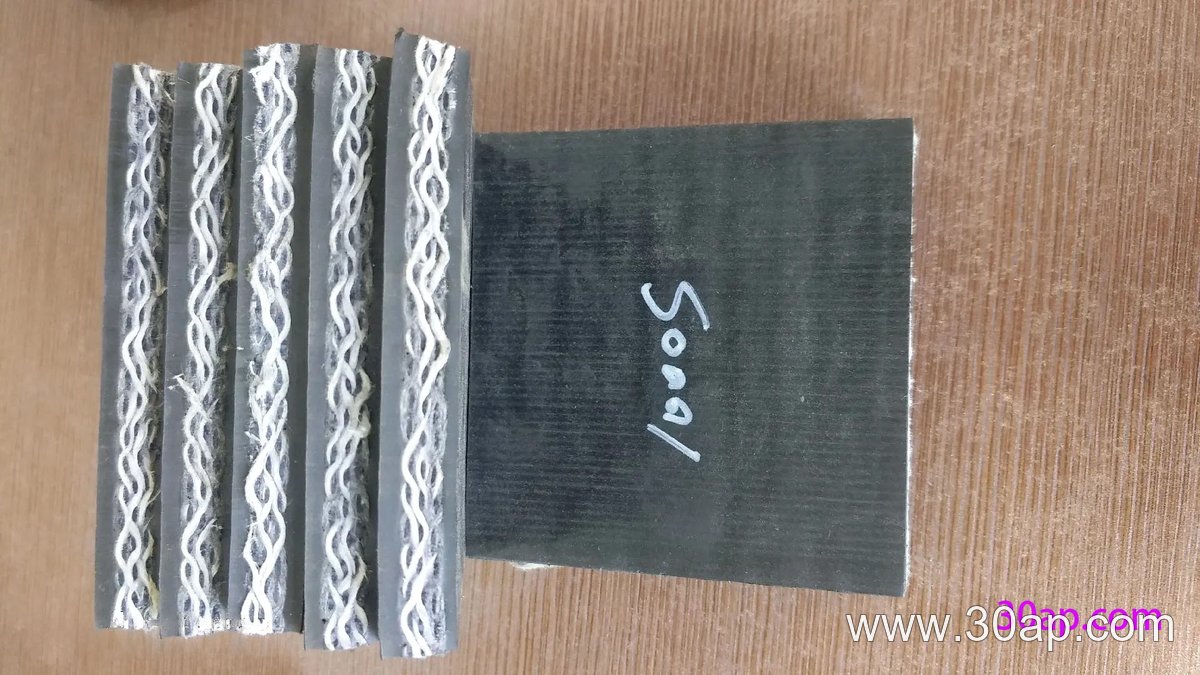
The carcass usually contains 2 to 6 plies of EP fabric, depending on the required tension rating and safety factor. Each ply is bonded with skim rubber, and the whole carcass is protected by top and bottom cover rubber. Common cover thickness combinations include 3+1.5 mm, 4+2 mm, 5+2 mm, 6+2 mm, and 8+3 mm. The top cover resists abrasion from sharp ore, clinker, or limestone, while the bottom cover protects against wear from idler rollers and pulleys.
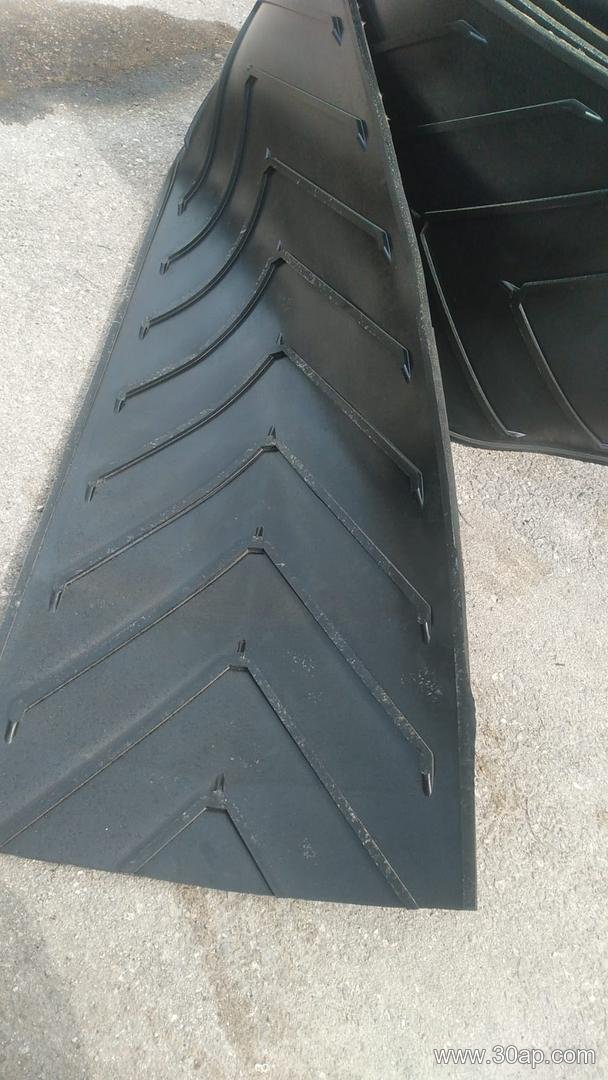
Cover compounds can be selected for different environments. A耐磨 (wear-resistant) grade suits crushed stone, a heat-resistant grade handles cement clinker or sinter, and a flame-retardant anti-static version is often chosen for underground coal mining. Oil-resistant and acid-alkali resistant covers are available for specialized plants. The EP1500 belt may also be produced with a chevron or patterned surface when the conveyor angle is too steep for a smooth belt.
Typical Specifications and Size Ranges
The table below shows common reference values. Actual supply depends on the manufacturer and the conveyor design. No single belt width is tied to one pulley diameter; the drive pulley, tail pulley, and bend pulley are sized by the conveyor engineer according to tension and wrap angle.
| Property | Common Reference Range |
|---|---|
| Strength grade | EP1500 (1500 N/mm) |
| Belt width | B500, B650, B800, B1000, B1200, B1400, B1600, B1800, B2000 |
| Number of plies | 2 to 6 |
| Cover thickness | 3+1.5, 4+2, 5+2, 6+2, 8+3 mm |
| Surface form | Smooth, chevron, patterned, or with sidewalls |
| Special properties | Wear-resistant, heat-resistant, oil-resistant, flame-retardant, anti-static, cold-resistant, acid-alkali resistant |
For comparison, an NN nylon conveyor belt uses nylon in both warp and weft and can offer higher impact resistance, but it also stretches more under load. A PVC or PVG belt is often chosen for lighter duty or underground coal applications where fire resistance is critical. The EP1500 belt remains a strong candidate when high tension and moderate elongation are both required.
Where EP1500 Belts Are Used
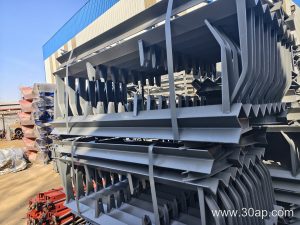
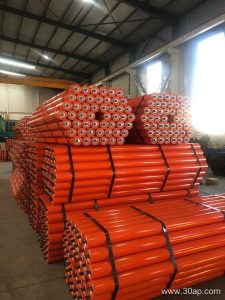
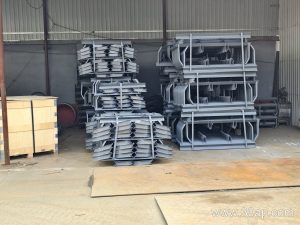
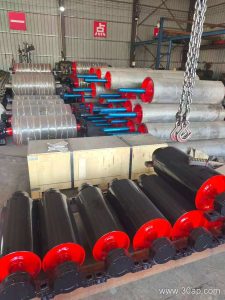
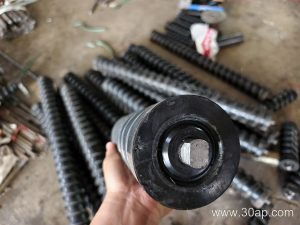
This belt is at home in mines, coal preparation plants, cement kilns, power station coal yards, and sand and gravel quarries. It carries limestone, clinker, coal, iron ore, and other bulk materials. On a typical conveyor, the belt runs over idler rollers, wraps around the drive pulley, tail pulley, and bend pulley. The conveyor bracket supports the rollers and pulleys, keeping the whole system aligned.
Because the EP1500 belt can handle high tension, it is often used on long overland conveyors or inclined conveyors where a lower-grade belt would need too many plies or would stretch excessively. In cement plants, it may feed raw mill or clinker cooler circuits. In power plants, it moves coal from stockyard to boiler bunker.
What a Buyer Should Check Before Ordering
- Belt width and ply count: Confirm the required width and the number of plies. A wider belt does not automatically mean more strength; the carcass design matters.
- Cover grade and thickness: Match the cover to the material being carried. Abrasive rock calls for a thicker wear-resistant cover, while hot clinker needs a heat-resistant compound.
- Pulley and roller compatibility: The drive pulley diameter, tail pulley diameter, and idler roller spacing must suit the belt’s flexibility and tension. Do not assume a fixed relationship between belt width and pulley diameter.
- Splice method: EP1500 belts are usually spliced with vulcanized steps or mechanical fasteners. The splice strength depends on the carcass and the splice procedure.
- Environmental conditions: For underground coal, insist on flame-retardant and anti-static properties. For cold climates, consider a cold-resistant cover.
Finally, ask for the manufacturer’s technical data sheet. It should list the actual breaking strength, elongation at break, recommended minimum pulley diameters, and cover rubber properties. Those figures, not a generic online table, should guide the final selection.