What an Idler Seal Does on a Conveying System
An idler seal is the small but decisive barrier that keeps dust, moisture, and fine grit out of the bearing cavity inside an idler roller. On a conveyor belt carrying limestone, clinker, or coal, the seal is often the difference between a roller that spins freely for years and one that locks up in a few months. Unlike a conveyor pulley, which is a larger drum driving or redirecting the belt, an idler roller supports the belt and lets it move with minimal resistance. The seal belongs to that supporting role, and its job is protection rather than power transmission.
When the seal fails, contamination reaches the bearing, lubricant escapes, and the roller starts to drag. The belt then wears faster, the motor works harder, and maintenance crews are called out to the same section again. In cement plants, iron ore yards, and aggregate crushing lines, this is a recurring cost that proper sealing helps control.
How an Idler Seal Is Constructed
Most designs combine a labyrinth path with one or more contact lips. The labyrinth creates a long, narrow route that particles struggle to follow, while the lip element provides a physical barrier against water and fine powder. Common arrangements include:
- a stamped metal labyrinth ring pressed into the roller end
- a rubber or nitrile lip seal running against a polished surface
- a protective cap or shield in front of the sealing element
- grease-filled grooves that trap contaminants before they reach the bearing
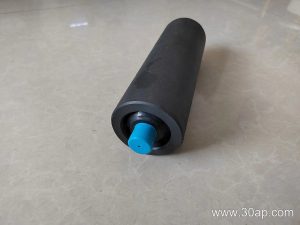
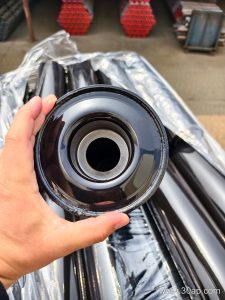
The housing around the seal is part of the same assembly. A typical idler roller uses a tube, a shaft, bearing seats, and end caps that hold the seal in position. If the end cap fits loosely or the shaft surface is rough, even a good seal will not perform as intended.
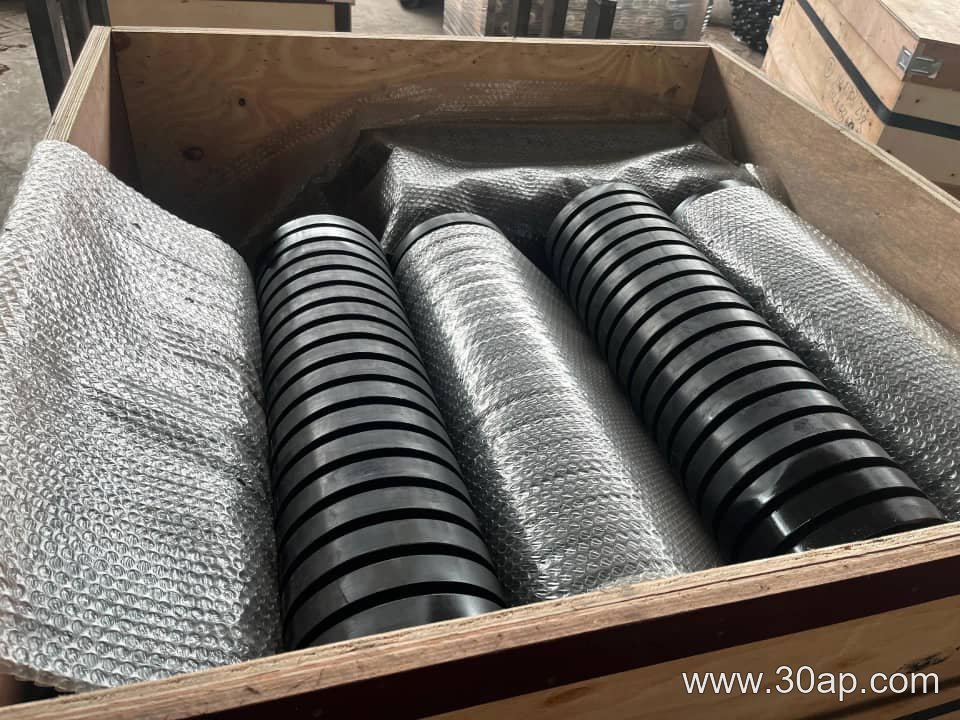
Where Idler Seals Matter Most
Applications with heavy airborne dust or frequent washdown put the highest demand on sealing. A quarry screening station, a coal handling system at a power plant, and a fertilizer blending line all expose rollers to different contaminants. In each case, the sealing approach should match the environment. A rubber lip seal may be preferred where water is present, while a multi-stage labyrinth is often chosen for dry, abrasive dust. The idler seal does not change the roller’s load rating, but it strongly influences how long that rating can be relied upon.
Roller Dimensions and Seal Fit
Seal size follows the roller end dimensions, which in turn follow the belt width and the troughing configuration. The table below gives common reference values for three-roll troughing idlers; side rollers and center rollers may differ, and final dimensions are determined by the design.
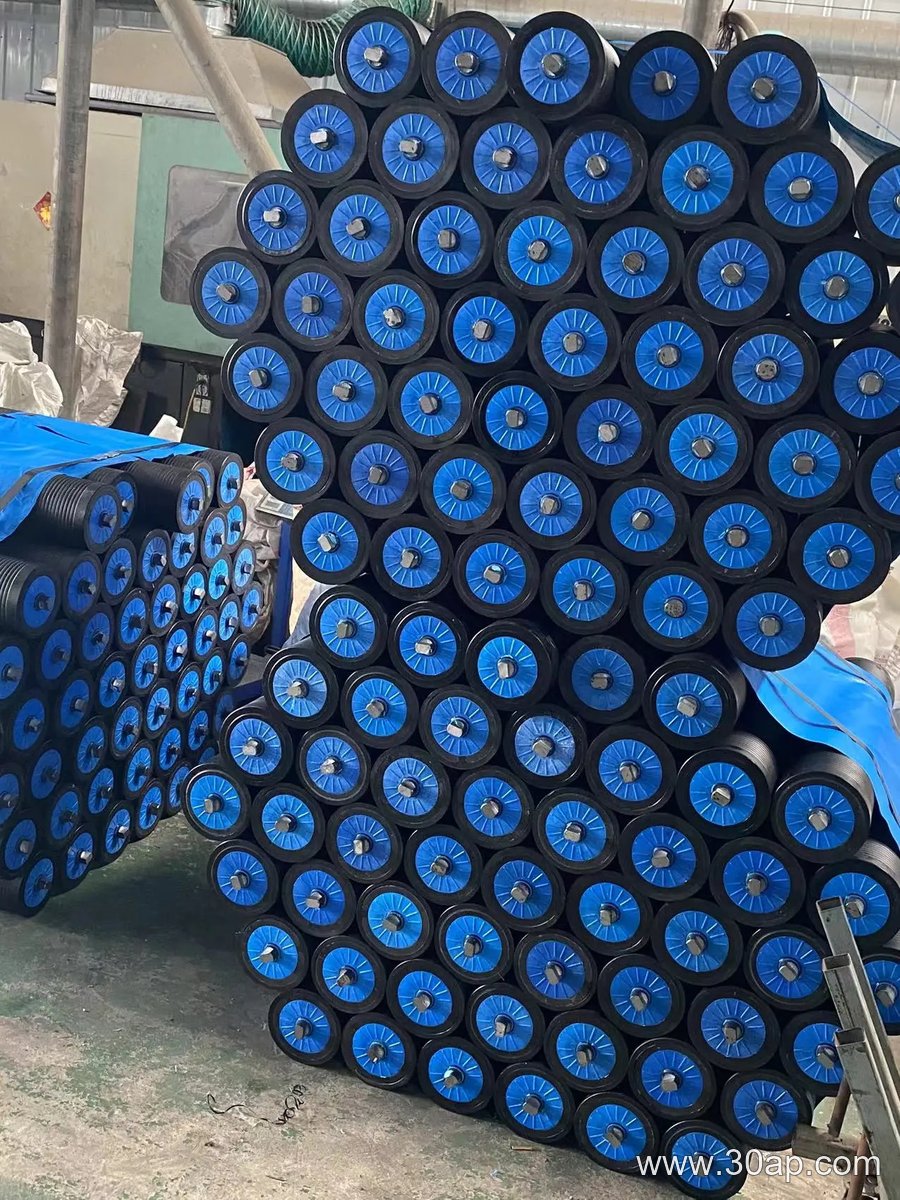
| Belt width | Common roller length | Common roller diameter |
|---|---|---|
| B500 | about 200 mm | Ø63 to Ø89 mm |
| B650 | about 250 mm | Ø76 to Ø108 mm |
| B800 | about 315 mm | Ø89 to Ø133 mm |
| B1000 | about 380 mm | Ø108 to Ø159 mm |
| B1200 | about 465 mm | Ø108 to Ø178 mm |
| B1400 | about 530 mm | Ø127 to Ø194 mm |
| B1600 | about 600 mm | Ø133 to Ø194 mm |
Bearing numbers such as 6204, 6205, 6305, 6306, 6308, and 6310 are frequently used in conveyor idlers. The bearing size, the shaft diameter, and the seal bore must all be consistent. A larger roller diameter does not automatically mean a larger shaft, and a given belt width does not dictate one single shaft size.
Selecting and Maintaining Seals
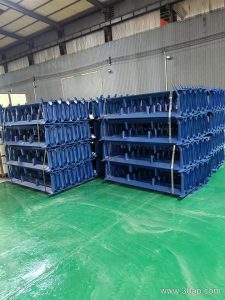
A buyer should confirm the roller type, the roller diameter, the shaft end shape, and the operating environment before choosing a seal. Troughing idlers, return rollers, impact rollers, and self-aligning rollers may use different end caps, so the seal must match the specific roller, not just the belt width. For a conveyor bracket and roller assembly, the seal should also tolerate the alignment and vibration of that position.
Inspection is simple: look for grease leakage, listen for squealing, and check whether the roller turns by hand after the belt is stopped. Replacing a worn seal before the bearing is damaged is usually cheaper than replacing the whole roller. Stocking a small range of seals that match the most common idler rollers on site keeps unplanned downtime shorter.
Whether the conveyor runs in a sand and gravel yard, a tunnel boring spoil line, or a grain terminal, the idler seal remains a small component with a large effect on reliability. Treat it as a wear part with a defined service life, and the conveyor belt, idler roller, and conveyor pulley will all benefit from the cleaner running conditions.