What a Stone Crushing Conveyor Belt Does
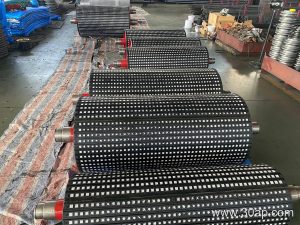
A stone crushing conveyor belt is the moving rubber carcass that carries blasted rock, crushed aggregate, and screened stone from a primary crusher to a secondary unit, a stockpile, or a loading point. It is a heavy-duty conveyor belt, not a light package-handling belt, because the load is abrasive, often sharp-edged, and sometimes hot or wet. The belt forms an endless loop over a head pulley, a tail pulley, and a series of idler rollers. A conveyor pulley at the drive end transmits torque; bend pulleys and take-up pulleys only change direction or maintain tension, so they are not interchangeable with the drive pulley.
Construction of the Belt
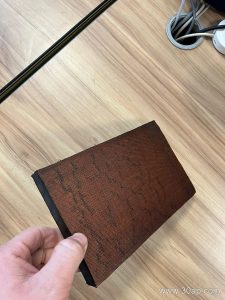
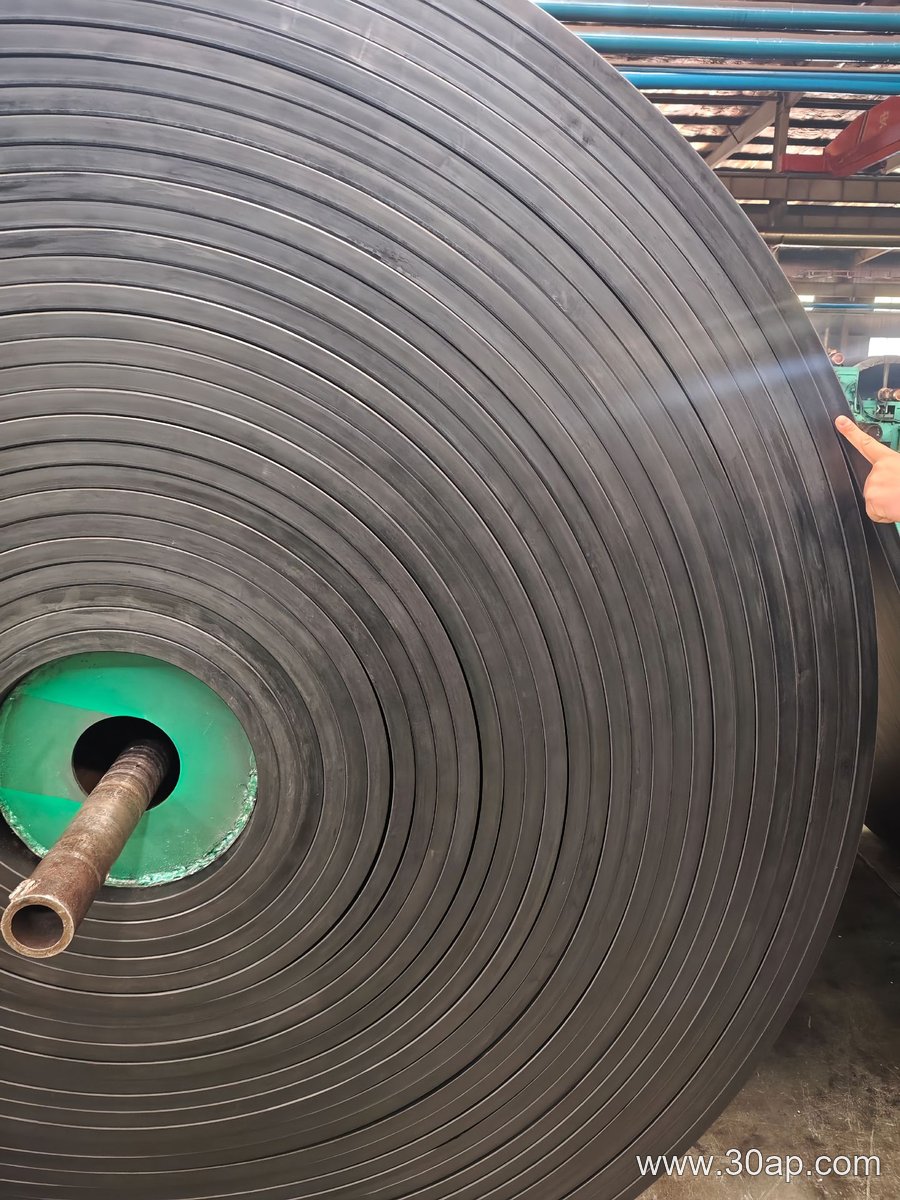
The carcass provides tensile strength, while the rubber covers protect it from impact and wear. Common carcass types for stone duty include EP fabric, NN nylon fabric, and steel cord. A stone crushing conveyor belt normally uses multiple fabric plies, often two to six, depending on the duty. Cover grades may be abrasion-resistant, heat-resistant, oil-resistant, flame-retardant, anti-static, or a combination. Cheaper belts with thin covers wear through quickly when the feed contains granite, basalt, or quartzite.
Typical Specifications
Values below are reference only. Actual belt width, strength, and cover thickness must follow the conveyor design and the material being handled. One belt width does not dictate a single pulley diameter, and shaft size is set by the drive design, not by belt width alone.
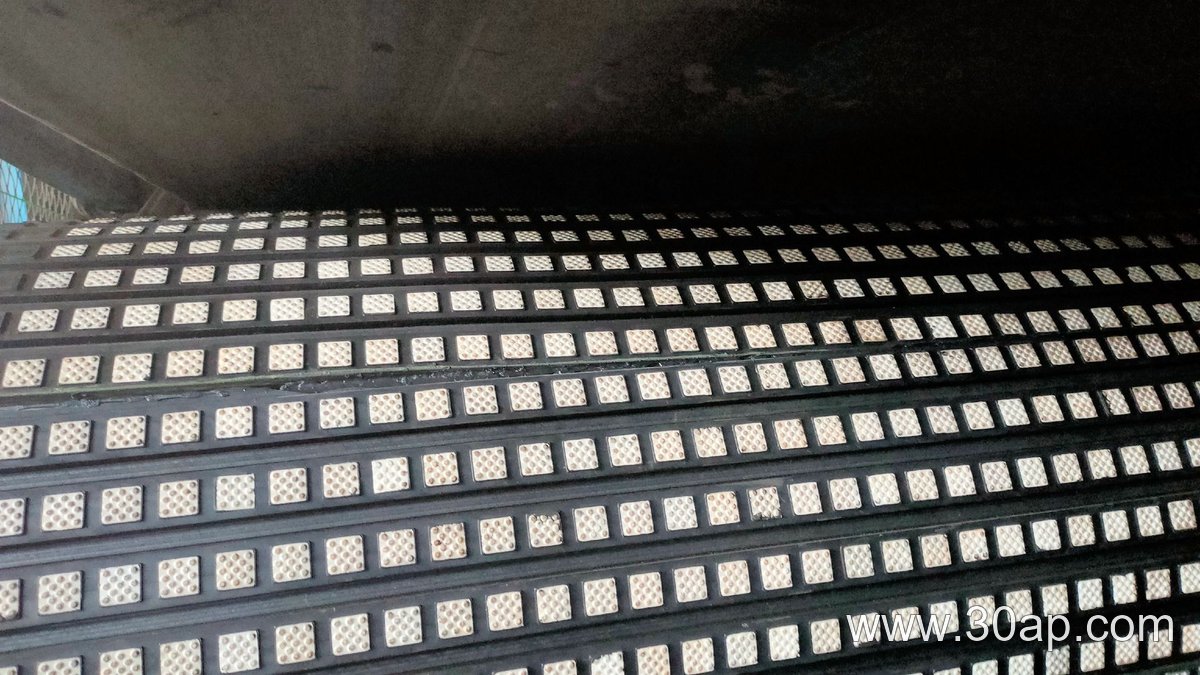
- Fabric types: EP conveyor belt, NN nylon conveyor belt, steel cord conveyor belt, PVC or PVG belt for special environments
- Tensile grades: EP200, EP315, EP400, EP500, EP630, EP800, EP1000, EP1250, EP1600, EP2000
- Belt widths: B500, B650, B800, B1000, B1200, B1400, B1600, B1800, B2000
- Cover thickness: 3+1.5 mm, 4+2 mm, 5+2 mm, 6+2 mm, 8+3 mm
- Surface forms: smooth, patterned, chevron, and corrugated sidewall
These figures are indicative. A quarry handling large lump size may need a wider belt and thicker top cover, while a fine aggregate line can use a narrower, lighter belt.
Where It Is Used
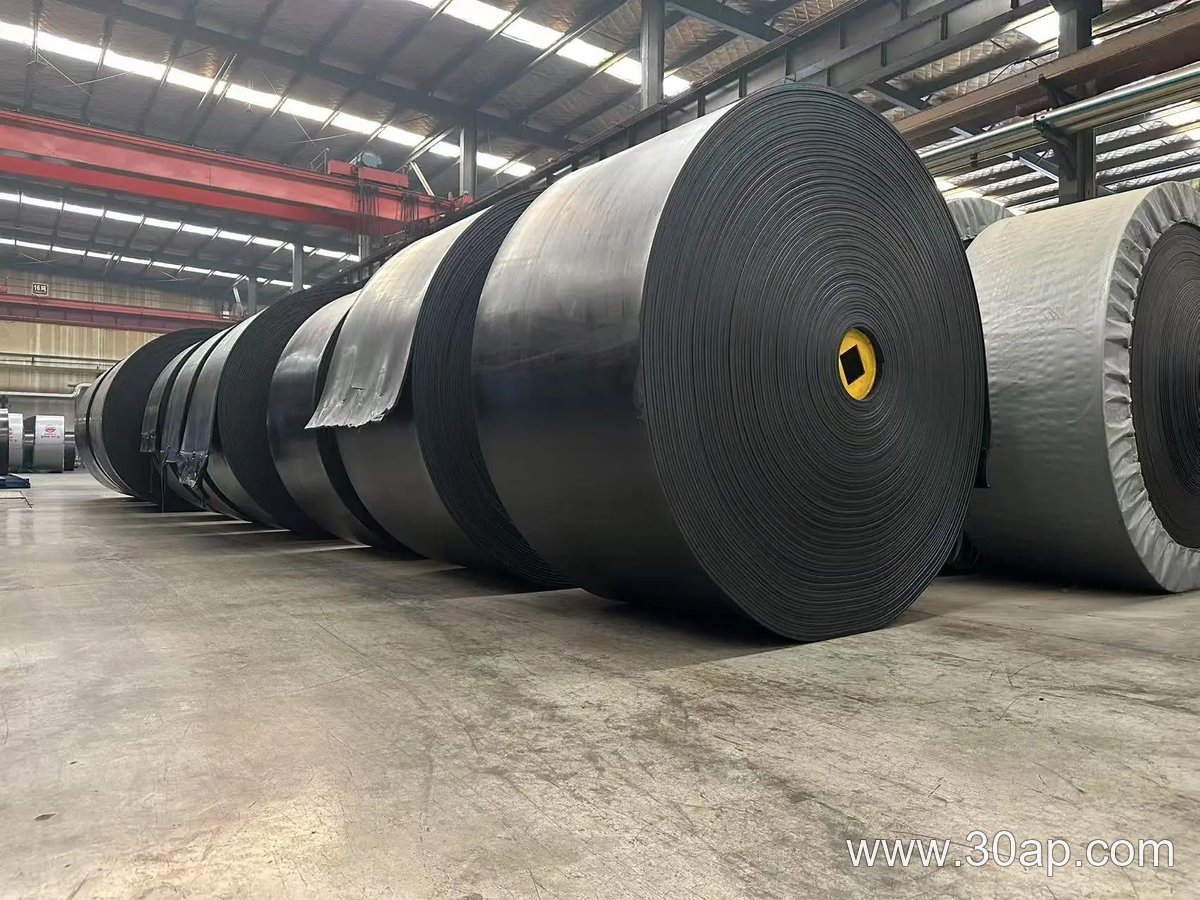
Stone crushing plants rely on this belt in several positions: under the jaw or impact crusher, on the return and discharge conveyors, on radial stackers, and on transfer points between screens. In a mobile crushing spread, the belt must tolerate frequent starts and stops. In a stationary plant, the belt runs continuously and is often exposed to sun, rain, and dust. Abrasion resistance matters most at the feed point, while heat resistance matters if the material comes from a dryer or a hot-process stream.
Supporting Components Around the Belt
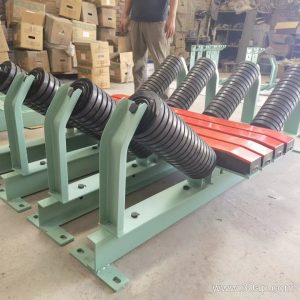
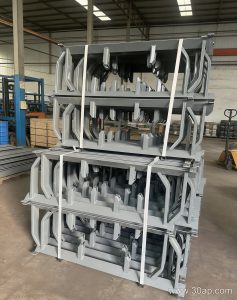
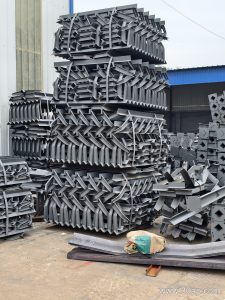
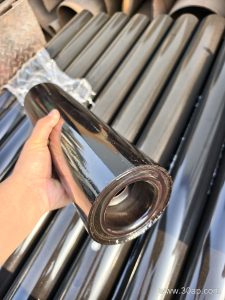
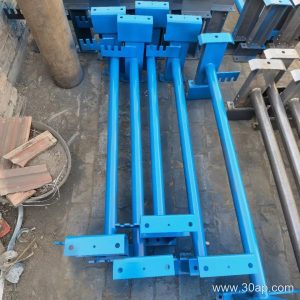
The belt alone does not move stone. It runs on an idler roller set that supports the load and keeps the belt trained. A conveyor pulley at the head and tail sets the path. A conveyor bracket holds the idlers and pulleys in alignment. Poor alignment causes edge wear, belt wander, and premature splice failure. For a stone crushing conveyor belt, impact idlers under the crusher discharge and a proper skirt rubber at the loading point reduce damage more than any single belt upgrade.
Buyer Checklist
Before ordering, confirm the material type, maximum lump size, throughput, belt speed, and ambient conditions. Ask for the carcass type, ply count, tensile grade, cover thickness, and cover grade. Check whether the belt is cut-to-width or supplied in a standard width. Confirm the splice method: vulcanized splice is usual for permanent stone conveyors, while mechanical fasteners may be used for short or temporary runs. Do not assume that one belt width matches one pulley diameter, and do not select a shaft diameter from belt width alone. Finally, compare the wear life of a thicker cover against its extra weight and cost. A heavier belt may need a larger drive, so the whole conveyor must be reviewed, not just the belt.