What a Coal Conveyor Pulley Does
A coal conveyor pulley is the rotating drum that drives, redirects or tensions the belt in a coal handling system. In a coal-fired power plant or a coal preparation plant, this component is part of the head, tail or bend station, and its job is simple to describe but demanding in practice: transfer torque from the shaft to the belt without slipping, keep the belt centered, and survive abrasive dust, moisture and continuous operation. The same product is often called a conveyor drum or belt pulley, and those names refer to the same assembly. Drive pulleys, tail pulleys and bend pulleys are not interchangeable; each has a different position and duty in the conveyor line.
How the Pulley Is Built
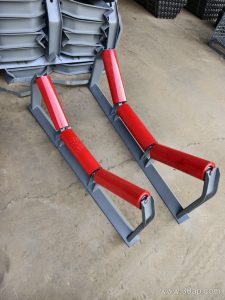
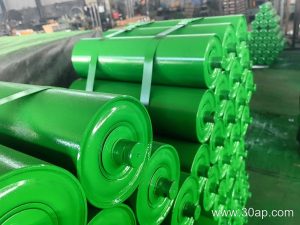
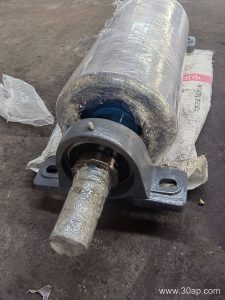
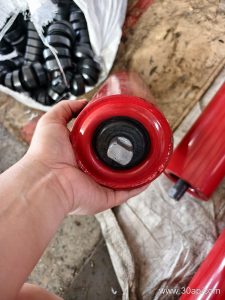
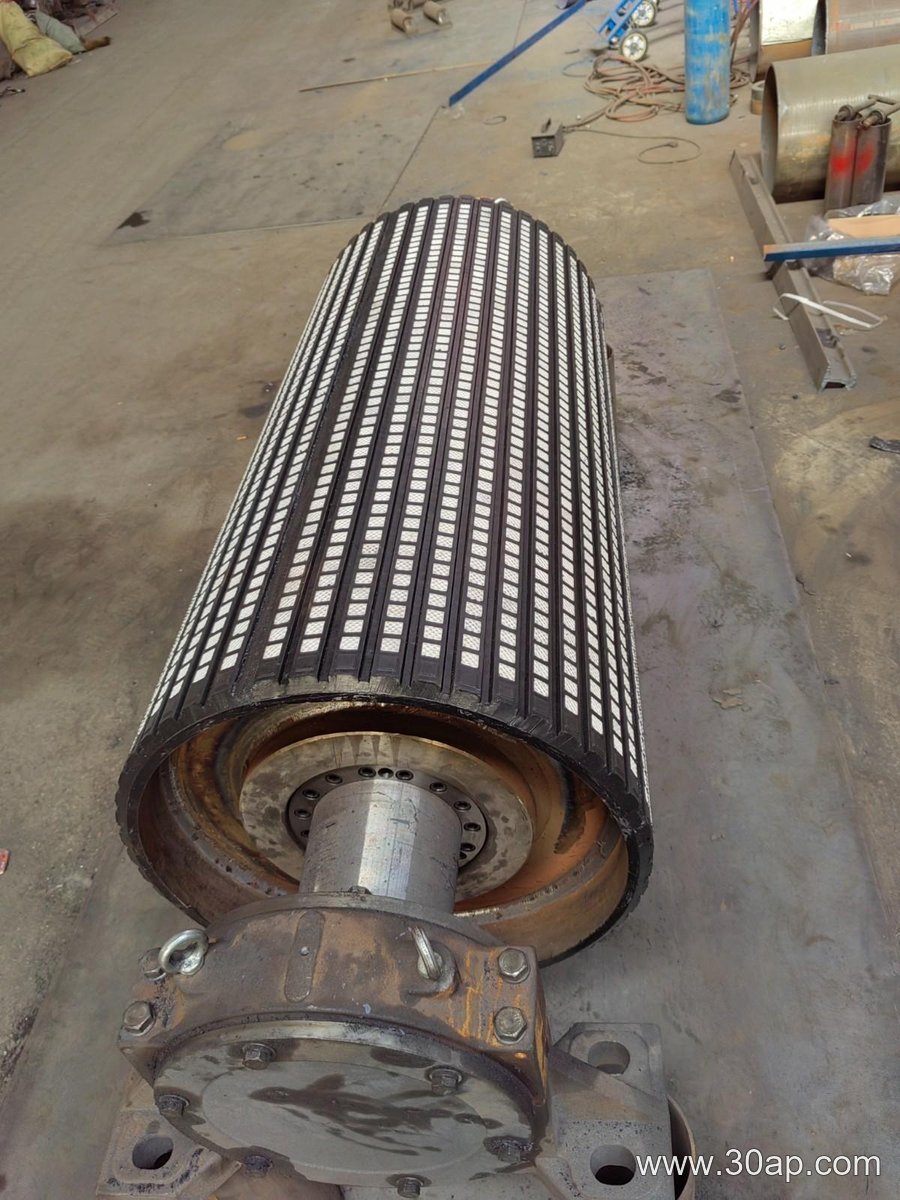
A typical coal conveyor pulley includes a cylindrical shell, two end discs or hubs, a shaft, and a locking assembly or keyed connection. The shell is usually steel, machined or rolled, and the surface may be plain, rubber lagged or ceramic lagged. Lagging improves grip and reduces belt slip, which matters when coal dust or fine particles coat the drum. Bearing housings and a conveyor bracket support the shaft at each end. The pulley works together with the conveyor belt, idler rollers and the frame structure, so alignment and concentricity are important.
Common Surface Forms
- Plain finish for light-duty or non-drive positions
- Cold-bonded rubber or hot-spliced rubber for general grip
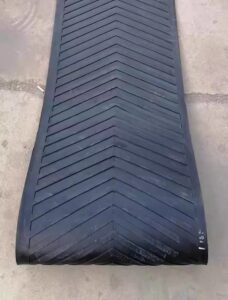
- Diamond or herringbone lagging for better traction in wet or dusty conditions
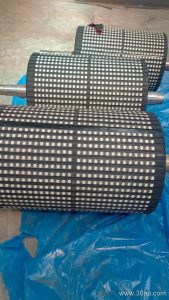
- Ceramic lagging for high-wear, high-torque drive stations
Lagging thickness commonly ranges from 8 mm to 20 mm, with 10 mm and 12 mm being frequent choices. The right surface depends on belt speed, load, moisture and the amount of fines in the coal.
Where It Is Used
Coal conveyor pulleys appear in coal yards, transfer towers, crushing and screening circuits, and load-out systems. In a coal preparation plant, a drive pulley at the head end pulls the loaded belt, while a tail pulley at the return end helps maintain tension. A bend pulley changes the belt direction without driving it. In a power station coal yard, the same components handle both raw coal and blended fuel. The environment is often dusty and sometimes wet, so sealing and bearing selection deserve attention.
Sizing and Selection Points
Buyers should match the pulley to the belt width, the required torque and the shaft load, not to a single fixed rule. A wider belt does not automatically mean one specific drum diameter, and a given belt width can work with several pulley diameters depending on the drive design. Common belt widths include B400, B500, B650, B800, B1000, B1200, B1400, B1600, B1800, B2000, B2200 and B2400. Pulley diameters often fall in the range of Ø200, Ø250, Ø315, Ø320, Ø400, Ø500, Ø630, Ø800, Ø1000, Ø1250, Ø1400, Ø1600 and Ø1800. The shell face width is usually greater than the belt width; for example, a B800 belt may use a face around 950 mm, while a B1200 belt may use a face around 1400 mm. Useful reference combinations include B800 × Ø500, B1200 × Ø1000 and B1400 × Ø800, but these are examples, not mandatory pairings.
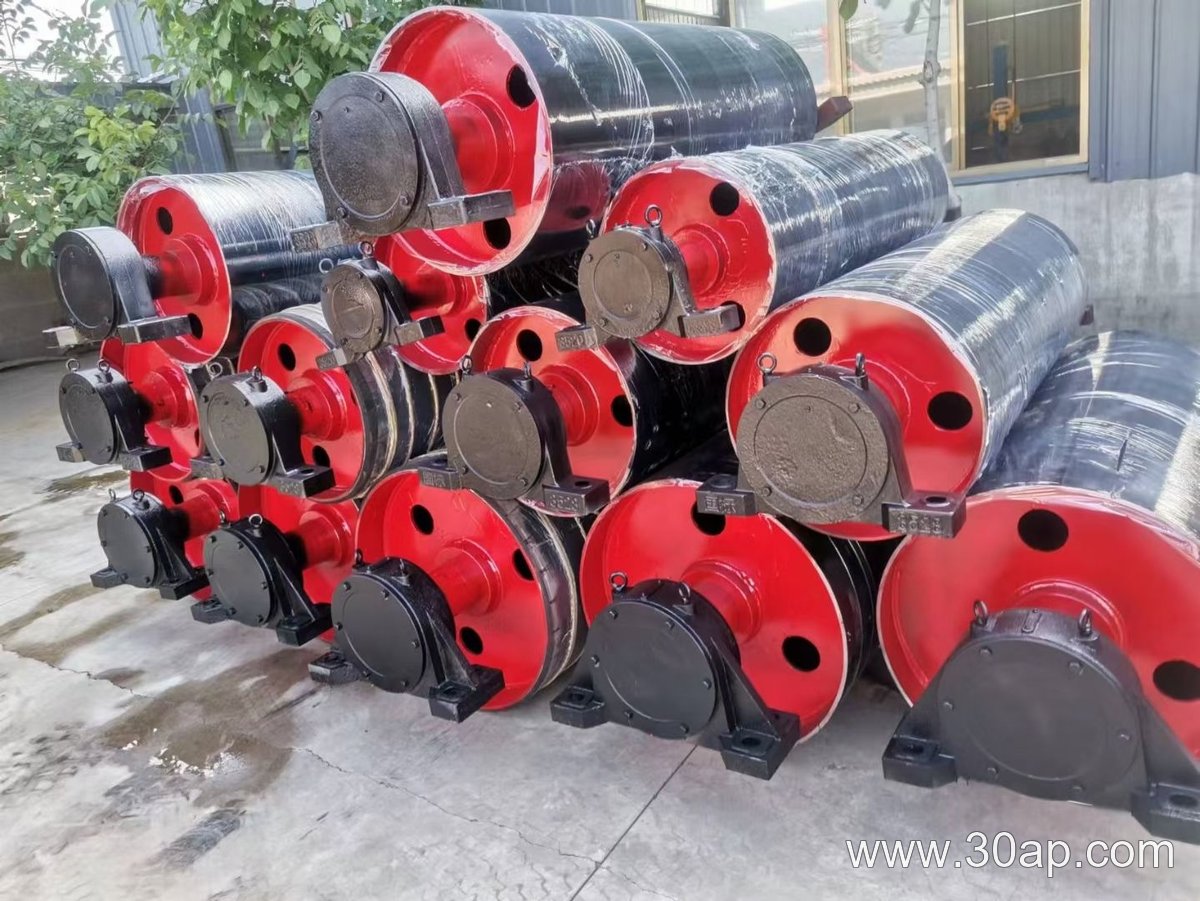
Shaft diameter is determined by torque and load, not by belt width alone. Common shaft sizes include Ø50, Ø60, Ø70, Ø80, Ø90, Ø100, Ø120, Ø140, Ø160, Ø180 and Ø200. When specifying a coal conveyor pulley, provide the belt width, belt speed, motor power, starting torque, duty cycle and the position in the conveyor. That information lets the supplier select the shell thickness, shaft, bearings, lagging and locking arrangement correctly.
Type Reference
Common pulley types in coal handling include drive pulley, head pulley, discharge pulley, tail pulley, bend pulley, take-up pulley, snub pulley, pressure pulley, motorized pulley and wing pulley. Each type has a distinct role. A take-up pulley, for example, maintains belt tension, while a wing pulley is often used where material buildup is a concern. These are not replacements for one another.
Maintenance and Buyer Checklist
Inspect lagging wear, check for belt tracking problems, listen for bearing noise, and verify that the pulley remains perpendicular to the belt path. Keep the conveyor bracket and bearing seats clean so the drum can rotate freely. When ordering a replacement, confirm the shell diameter, face width, shaft size, bearing type, lagging pattern and mounting dimensions. A coal conveyor pulley that is correctly matched to the belt and the load will run longer and reduce unplanned downtime in coal handling operations.