What a Driving Pulley Does
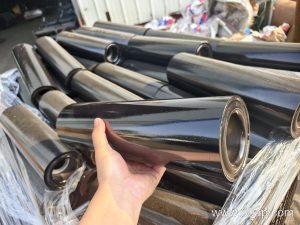
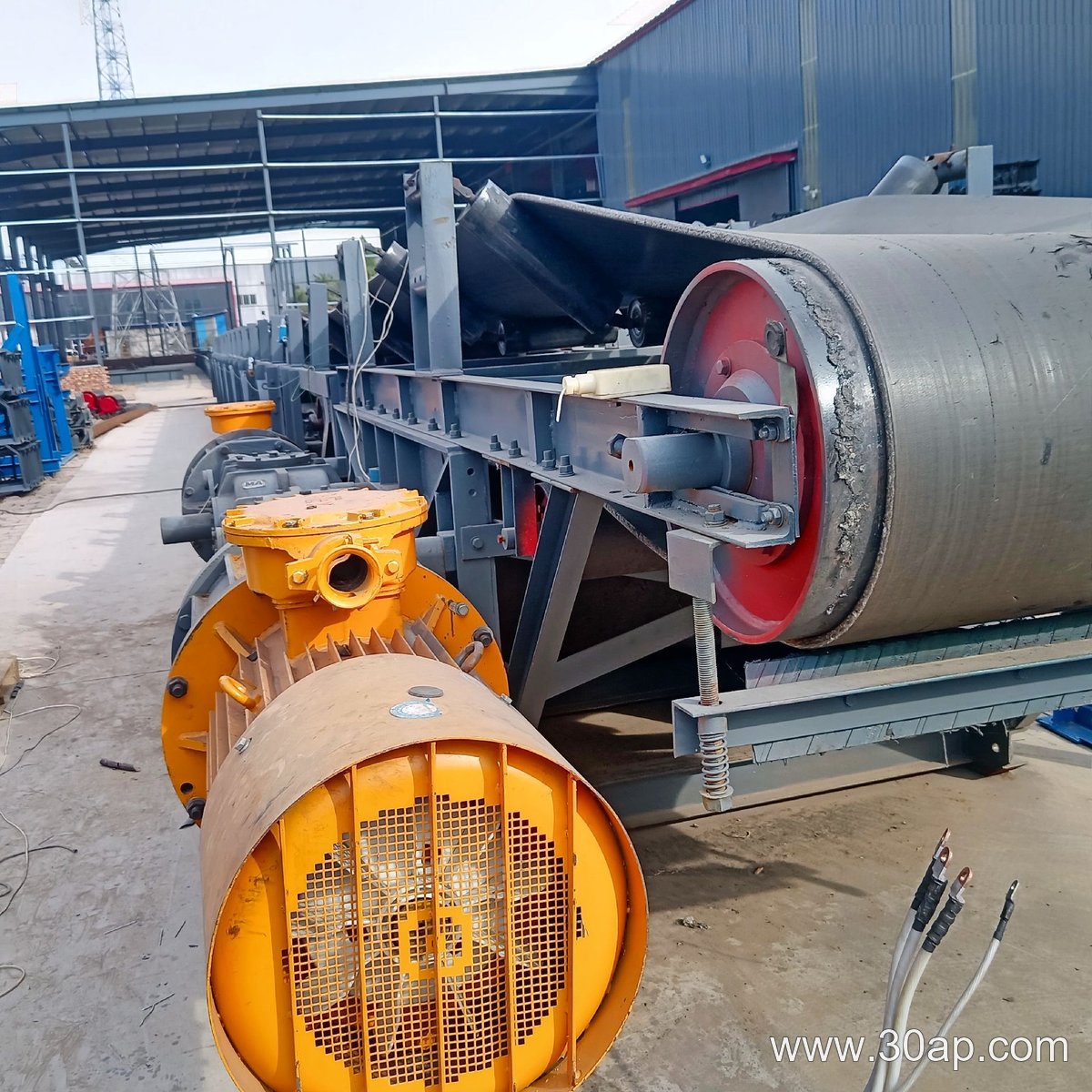
A driving pulley, also called a head pulley or drive drum, is the powered roller that turns the conveyor belt and moves the load forward. It transmits torque from the gearbox or motor to the belt surface through friction. Because it pulls the belt rather than being pulled by it, the driving pulley usually sits at the discharge end of the conveyor, although some arrangements place it elsewhere depending on the design.
This component is not the same as a tail pulley at the return end or a bend pulley that only changes belt direction. Those parts guide or tension the belt, but they do not drive it. A driving pulley must handle higher torque and often carries a thicker rubber lagging to grip the belt without slipping.
How It Is Built
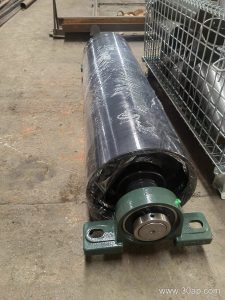
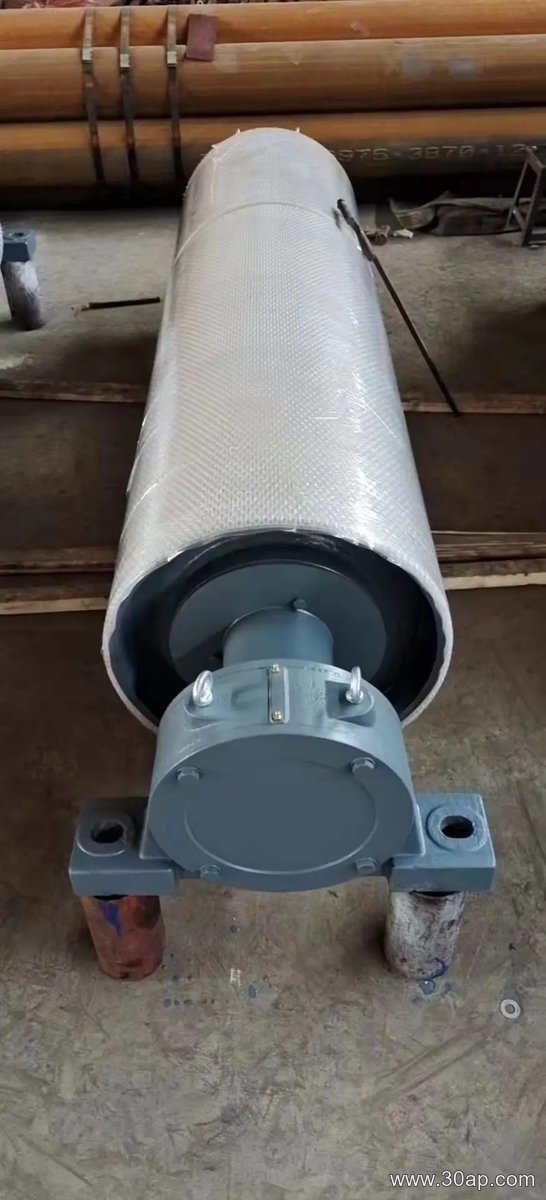
A typical driving pulley consists of a cylindrical shell, two end discs, a shaft, and a lagging layer. The shell is usually made from rolled steel pipe or fabricated plate, machined to keep the outside diameter concentric with the shaft. The shaft transfers torque from the drive unit and is sized by the actual torque and load, not by belt width alone. Common shaft diameters include Ø50, Ø60, Ø70, Ø80, Ø90, Ø100, Ø120, Ø140, Ø160, Ø180, and Ø200 mm, but the final value depends on the engineering calculation.
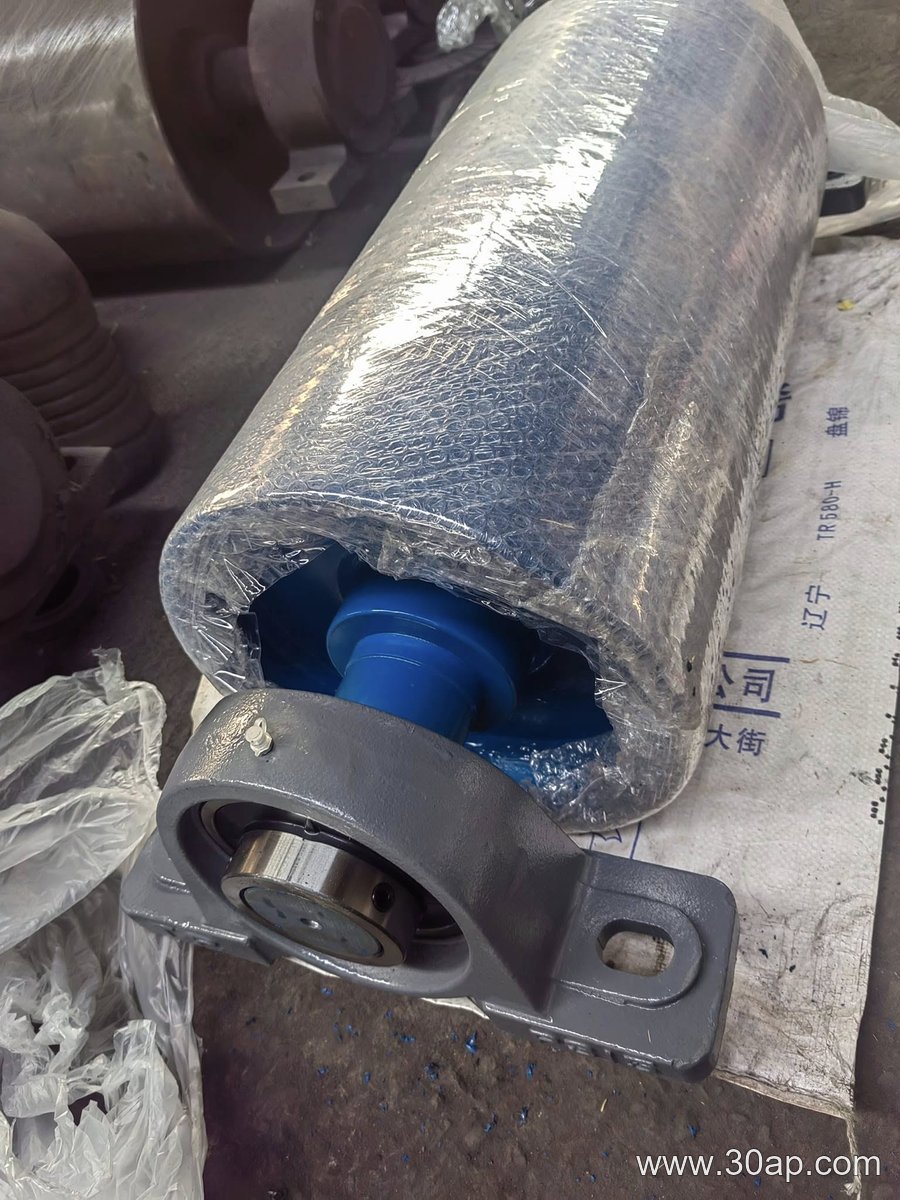
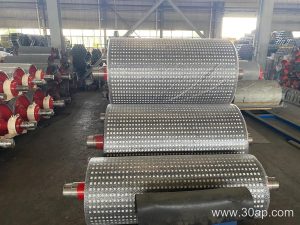
The lagging surface can be plain, cast rubber, cold-bonded rubber, hot-vulcanized rubber, diamond grooved, herringbone grooved, ceramic, or flat rubber. Lagging thickness is often 8, 10, 12, 15, or 20 mm. The choice affects friction, wear life, and how well the pulley sheds water or fines.
Sizes and Common Combinations
Driving pulleys are specified by belt width and diameter. Standard belt widths include B400, B500, B650, B800, B1000, B1200, B1400, B1600, B1800, B2000, B2200, and B2400. Diameters commonly range from Ø200 up to Ø1800, with many conveyors using Ø315, Ø400, Ø500, Ø630, Ø800, Ø1000, or Ø1250 depending on belt tension and space.
The pulley face is normally wider than the belt. For example, a B400 belt may use a face around 500 mm, B800 around 950 mm, and B1200 around 1400 mm. These are reference values, not fixed rules. A B1200 × Ø1000 driving pulley and a B800 × Ø500 unit are both realistic combinations, but engineers should not assume that one belt width can only match one diameter. The correct pairing comes from belt tension, wrap angle, and shaft load.
Where It Is Used
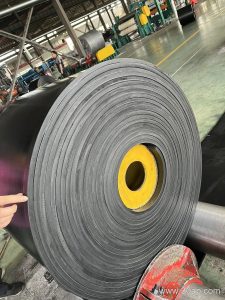
Driving pulleys appear in many bulk material handling settings. In a quarry or sand and gravel line, they power the main discharge belt after crushing and screening. In a coal washing plant, they drive belts that carry raw coal or washed product. Other common locations include cement clinker lines, power plant coal feed systems, and port bulk terminals. In each case, the driving pulley works with a conveyor belt, idler rollers, a conveyor bracket, and sometimes a bend pulley to route the belt correctly.
What Buyers Should Check
- Confirm the required belt width and the actual face width, since the pulley face should be wider than the belt.
- Check the calculated shaft diameter against the drive torque and radial load. Do not select a shaft size from belt width alone.
- Match the lagging type and thickness to the material and moisture conditions. Diamond or herringbone grooving helps in wet or dirty service.
- Verify the pulley diameter against belt tension and the minimum bend radius recommended by the belt supplier.
- Ask for the balancing grade and runout tolerance if the pulley will run at higher speed.
- Confirm the mounting details, keyway, and bearing fit with the conveyor frame and drive unit.
Maintenance Notes
Inspect lagging for wear, glazing, or missing rubber. Worn lagging reduces friction and can cause belt slip. Check the shaft and locking elements for looseness, and keep the pulley surface clean. When replacing a driving pulley, record the face width, diameter, shaft size, and lagging pattern so the replacement matches the original design. A tail pulley or bend pulley may look similar, but it cannot serve as a driving pulley without the correct torque capacity and drive connection.