What a Non-Standard Conveyor Bracket Is
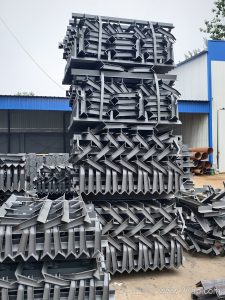
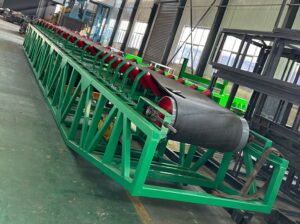
A non-standard conveyor bracket is a support component made to match a conveyor layout that does not fit a catalog standard. It holds idler rollers or a conveyor pulley in the correct position, and it is often the part that links the conveyor structure to the moving belt. Unlike a stock bracket, a non-standard bracket is defined by the actual installation: the belt width, the trough angle, the roller diameter, the available mounting space, and the way the frame is built. In practice, engineers may call it a custom conveyor support bracket or a made-to-order bracket assembly.
How It Is Built
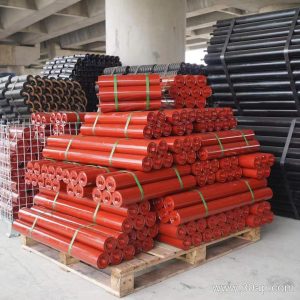
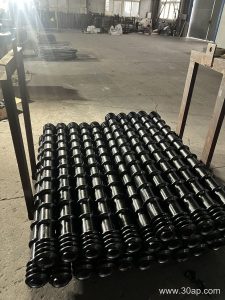
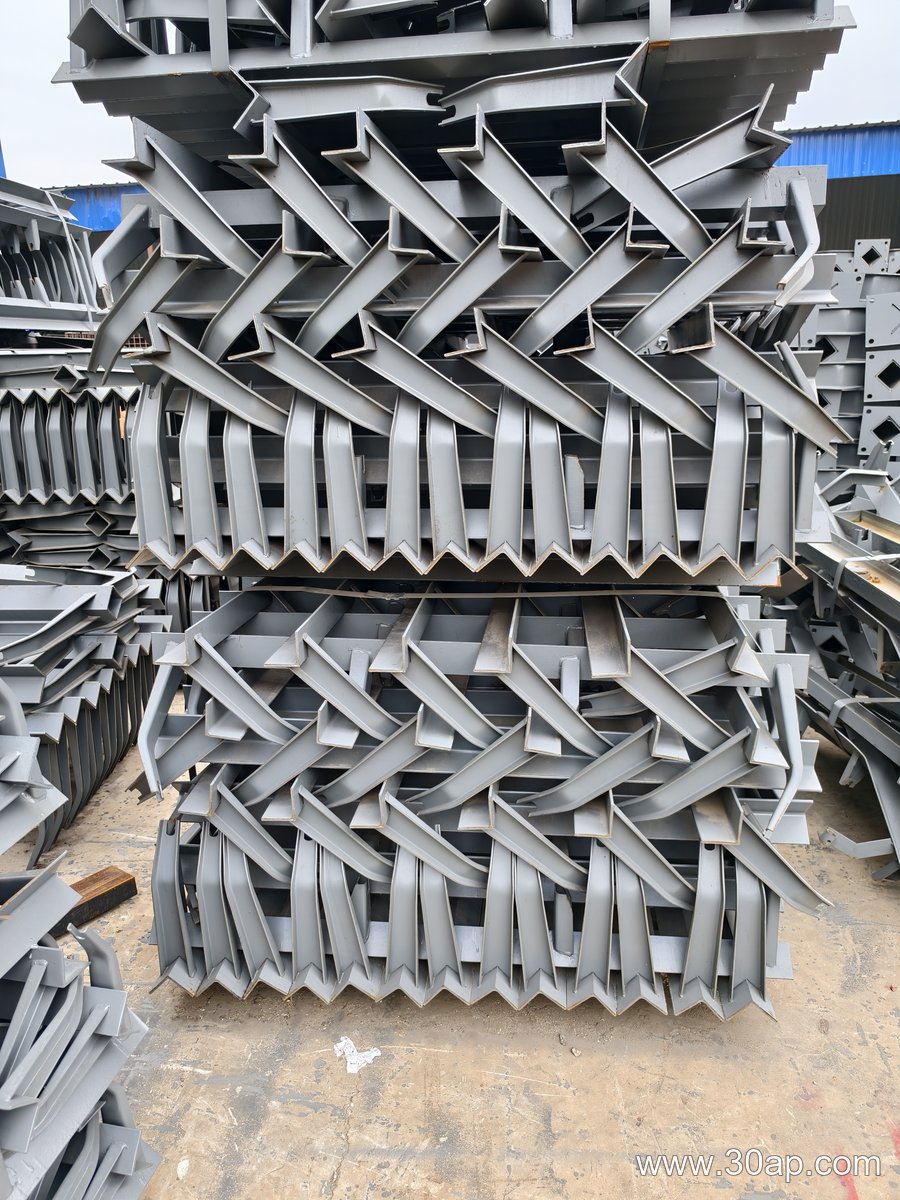
The construction usually starts with a base material such as angle steel, channel steel, or folded steel plate. The choice depends on load, span, and the surrounding frame. A non-standard bracket may include slotted holes, shims, or a welded offset so the roller sits at the required height. Common roller diameters used with these brackets include Ø89, Ø108, Ø133, Ø159, and Ø194, but the final hole spacing and beam length are determined by the belt width and trough angle, not by a fixed rule.
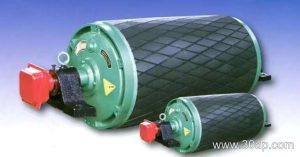
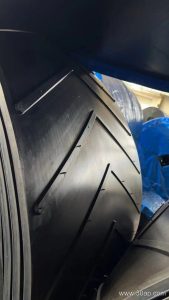
For example, a bracket for a B800 belt running at 35 degrees with Ø108 rollers will differ from one for a B1200 belt at 45 degrees with Ø133 rollers. The bracket may also carry a transition idler, a return roller, or a V-return roller, depending on where it is placed along the conveyor. If a conveyor pulley is nearby, the bracket must allow enough clearance for the belt and the pulley flange.
Where It Is Used
Non-standard conveyor brackets appear in places where standard supports cannot be bolted on without modification. One typical site is a limestone quarry, where the conveyor frame may be built on a slope or around a crusher. Another is a grain silo, where the conveyor runs at a low angle and the support height changes along the line. In both cases, the bracket is designed around the local structure rather than the other way round.
The bracket may support a single idler roller, a set of troughing rollers, or a transition roller near a pulley. It can also be used at a loading point, where a buffer bracket absorbs impact, or on a return run, where a flat or V-shaped bracket keeps the belt aligned. Because the bracket is non-standard, it can be made to fit an existing bolt pattern, a specific trough angle, or a restricted space above a walkway.
Key Parameters and Selection Points
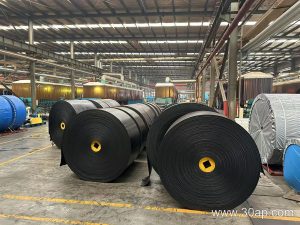
When specifying a non-standard conveyor bracket, the buyer should provide the belt width, the required trough angle, the roller diameter, and the mounting hole distance. Belt widths commonly range from B500 to B2200, and trough angles are often 20, 30, 35, or 45 degrees. Adjustable brackets can be set between these angles, while fixed brackets are welded or bolted at one angle. Forward tilt of about 1.5 to 2 degrees is sometimes used on troughing brackets to help belt tracking.
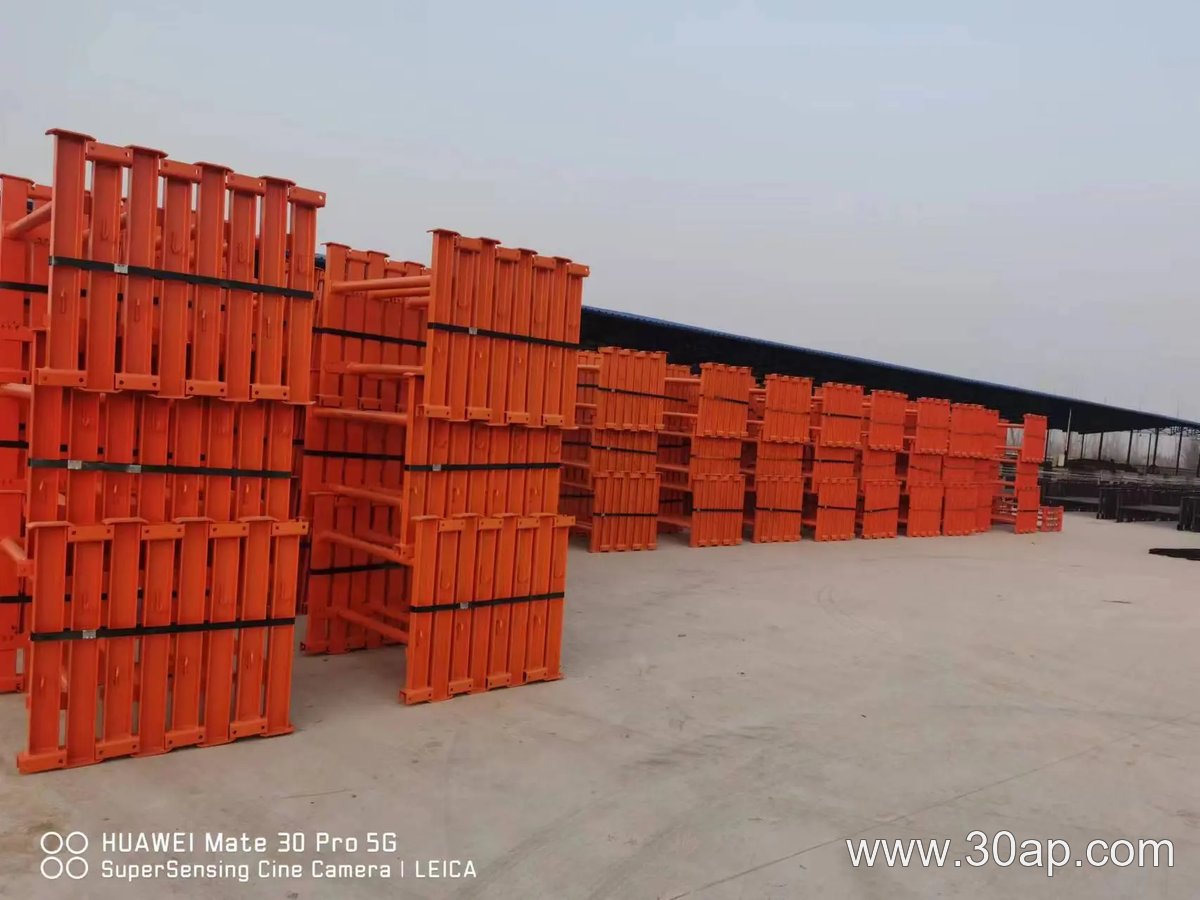
The table below shows a few reference combinations. These are examples, not fixed matches, and the final design should always follow the conveyor layout.
| Belt width | Trough angle | Roller diameter | Typical bracket note |
|---|---|---|---|
| B650 | 30 degrees | Ø89 | Compact frame, light duty |
| B800 | 35 degrees | Ø108 | Common quarry and sand line |
| B1200 | 45 degrees | Ø133 | Wider belt, deeper trough |
Do not assume that one belt width can only use one pulley diameter or one trough angle. The bracket is part of a system, and the conveyor pulley, belt, and idler roller all influence the final shape. A non-standard bracket may also be supplied with a wear plate, a rubber buffer, or a galvanized finish if the environment requires it.
What a Buyer Should Know
- Provide a drawing or a clear sketch of the mounting area, including bolt holes and the center height of the roller.
- State the belt width, trough angle, and roller diameter. If the angle is adjustable, say so.
- Mention the conveyor pulley position if the bracket is near a drive, tail, or bend pulley. These pulleys are not interchangeable, and the bracket must respect their different functions.
- Ask for the material and surface treatment. Angle steel and channel steel are common, but folded plate may save weight.
- Confirm whether the bracket is for a troughing idler, a return idler, or a transition point. A buffer bracket and a standard bracket are not the same.
A well-made non-standard conveyor bracket solves a specific problem: it lets a conveyor belt run smoothly even when the frame is not standard. The best results come from sharing real dimensions and the actual duty cycle, not from choosing a size from a list.