What the ST2500 Conveyor Belt Is
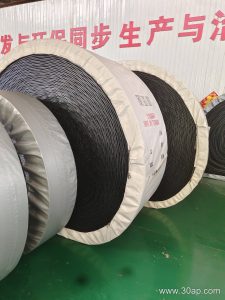
The ST2500 conveyor belt is a steel cord belt rated at 2500 N/mm breaking strength. The ST prefix identifies a steel cord construction, and the number that follows states the nominal tensile strength of the belt. In practice, an ST2500 belt is chosen when a conveyor must move large tonnages over long distances, or when the material being carried is heavy and abrasive enough that a fabric-reinforced belt would be stretched too far. The same product is also written as a 2500 N/mm steel cord conveyor belt, which is the accurate equivalent name for this belt type.
Strength class is not the only thing that defines the belt. A complete specification also covers cover rubber grade and thickness, cord pitch, belt width, and the environmental conditions the rubber must survive. Two belts with the same ST2500 rating can behave very differently on the same conveyor if their covers or cord layouts differ.
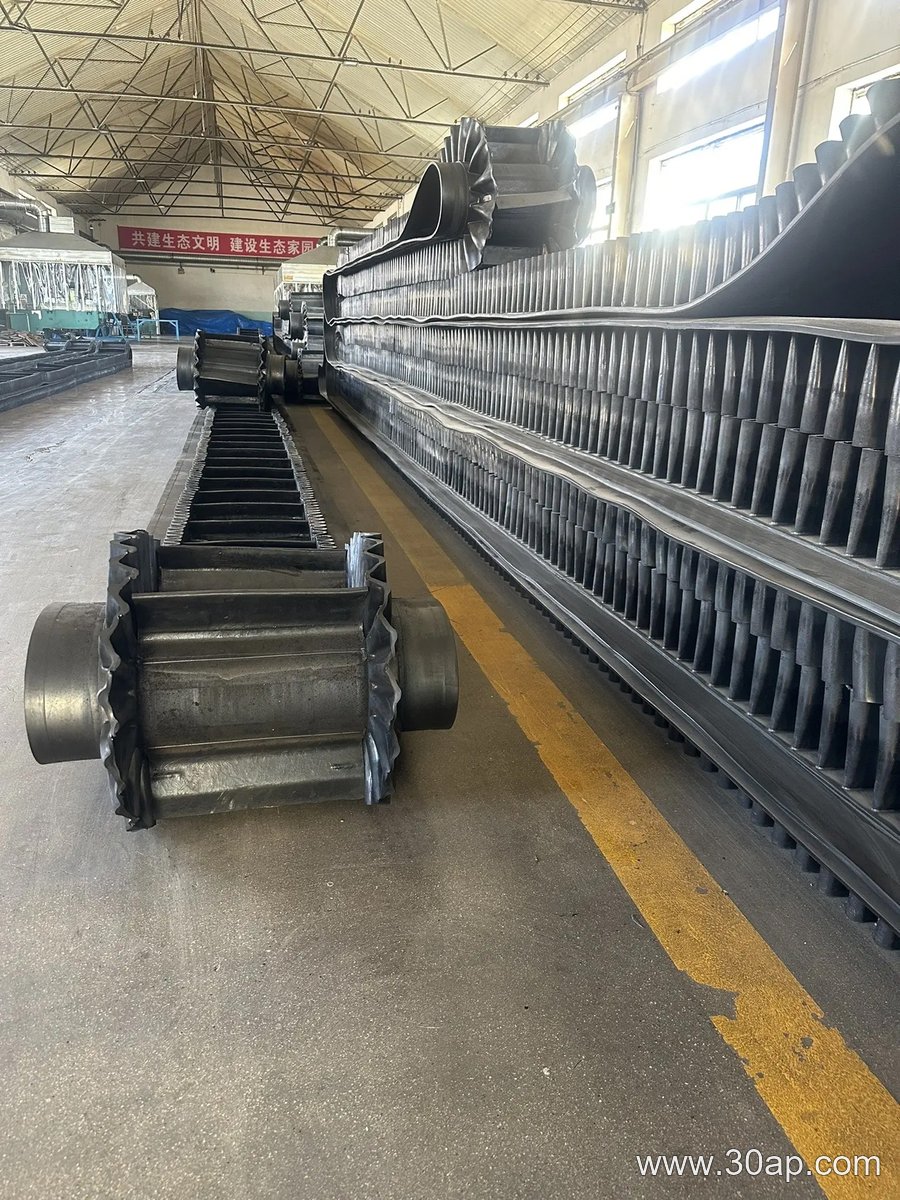
How a Steel Cord Belt Is Built
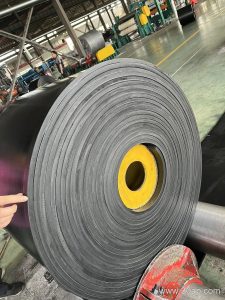
Inside the belt, parallel steel cords run lengthwise and carry the tension. They are embedded in a rubber core compound that holds the cords at a controlled spacing and protects them from rubbing against each other. Above and below the core sit the top and bottom covers. The top cover takes the abrasion and impact from the material, while the bottom cover runs against the idler rollers and pulleys.
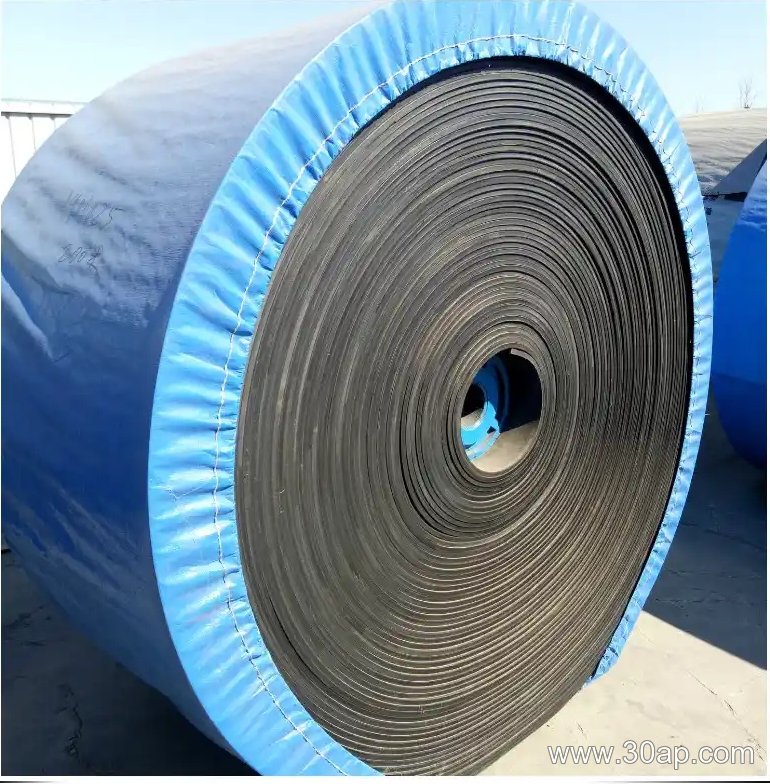
Because the cords are the load-bearing element, the belt has very little stretch compared with fabric belts. That low elongation is one reason long overland conveyors use this construction. It also means the belt must be spliced correctly, usually by vulcanizing the steel cords into a joint, because a mechanical fastener cannot develop the full strength of the cord body.
Typical Duty and Cover Selection
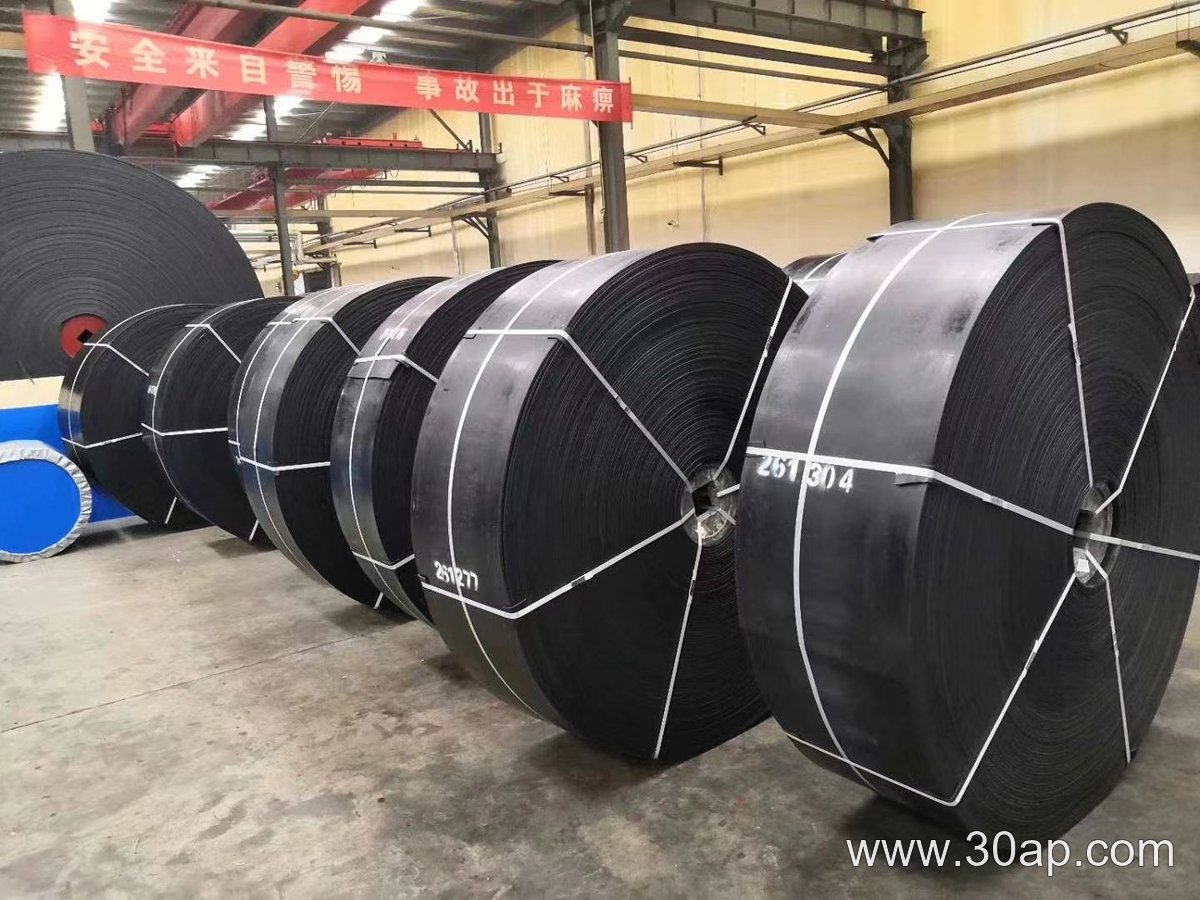
Cover compound choice follows the material and the environment. Common options include abrasion-resistant rubber for coal, ore, and aggregate; heat-resistant grades for clinker or sinter; oil-resistant grades for oily loads; and flame-retardant or antistatic compounds for underground or dusty atmospheres. Cover thickness is often quoted in pairs such as 6+2 mm or 8+3 mm, meaning top cover plus bottom cover. These are reference values only; the correct combination comes from the conveyor design and the duty cycle.
Belt width is selected independently from strength class. Common widths range from B800 up to B2000 and beyond, and a given width can be paired with different pulley diameters depending on the required cord tension and the allowable surface pressure. There is no rule that one belt width must use one pulley size.
Where ST2500 Belts Are Used
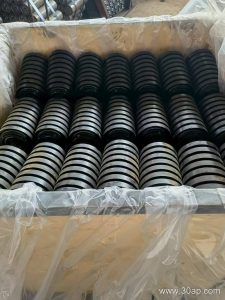
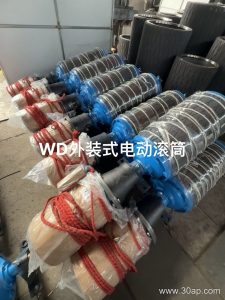
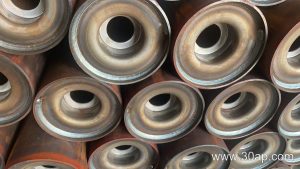
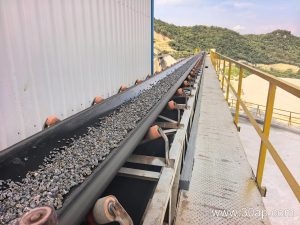
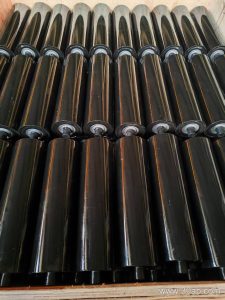
This strength class suits mainline conveying in mines, ports, steel plants, power stations, and large bulk handling terminals. It appears on long inclined conveyors, high-capacity trunk lines, and systems where the belt must start under full load. On these installations the belt works with a conveyor pulley at the head and tail, idler rollers along the carrying and return runs, and conveyor brackets that hold the idlers and structural frames in position.
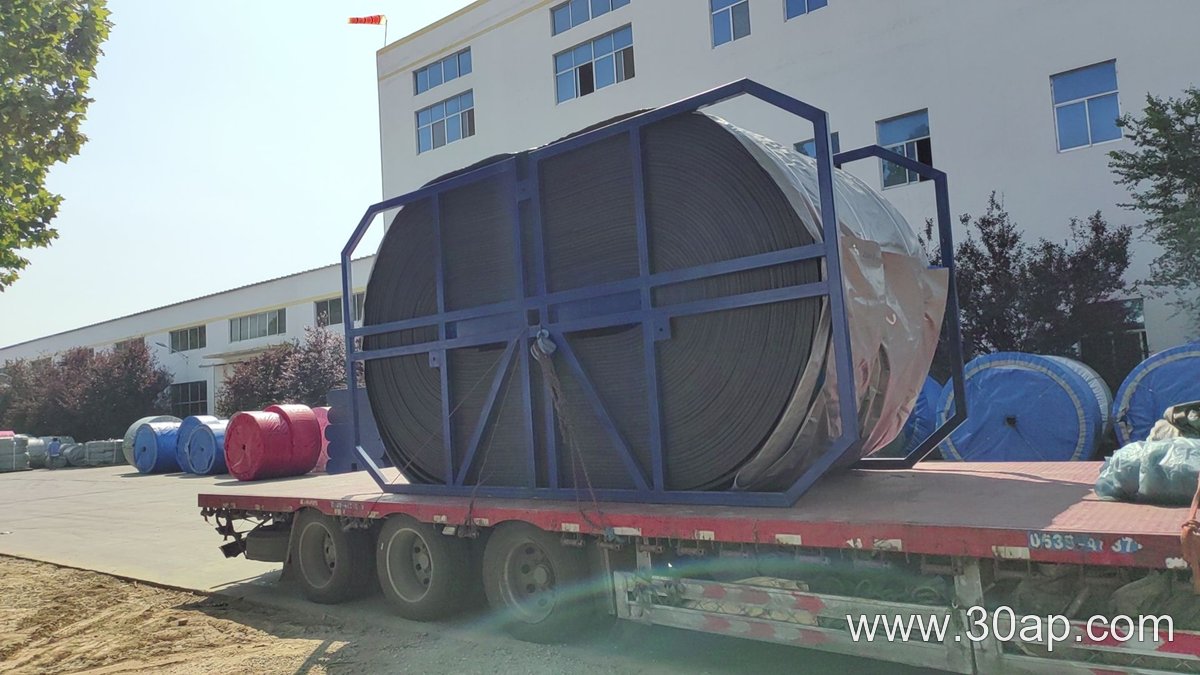
For comparison, a fabric belt such as an EP or NN construction may be adequate on shorter or lighter conveyors, but it is a different product family and not a substitute where ST2500 tension capacity is genuinely required.
What Buyers Should Confirm
- Required strength class and belt width, taken from the conveyor design rather than assumed.
- Cover grade and cover thickness for the actual material, temperature, and fire or antistatic requirements.
- Cord pitch and splice instructions, so the joint can be made to the belt maker’s method.
- Pulley diameters and idler spacing, since these affect belt life and must be checked against the cord construction.
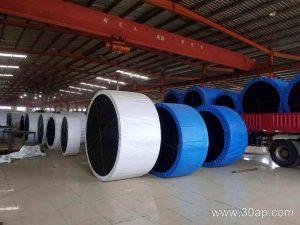
- Storage and handling, because steel cord belts are heavy and should not be bent below the minimum recommended radius.
A belt of this class is a long-term investment, so the specification should be matched to the conveyor rather than copied from another site. Confirm the data with the belt supplier before ordering.