What a Port Belt Conveyor Pulley Does
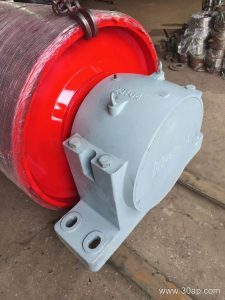
A port belt conveyor pulley is the rotating drum that turns, supports, and steers the conveyor belt in bulk material handling systems. At a port, these pulleys often work in continuous duty, moving coal, iron ore, fertilizer, grain, or other free-flowing cargo between ship unloaders, stackers, reclaimers, and storage yards. The pulley is not just a wheel; it transfers torque from the drive unit to the belt, maintains belt tension, and helps keep the belt tracking correctly under heavy loads.
The same component is also known as a conveyor drum or conveyor pulley. In a port conveyor line, you may find several pulleys working together, each with a different job. A drive pulley transmits power. A tail pulley at the loading end helps support and guide the belt. A bend pulley changes the belt direction without driving it. These roles are not interchangeable, and a buyer should always confirm which position a pulley is intended for before ordering.
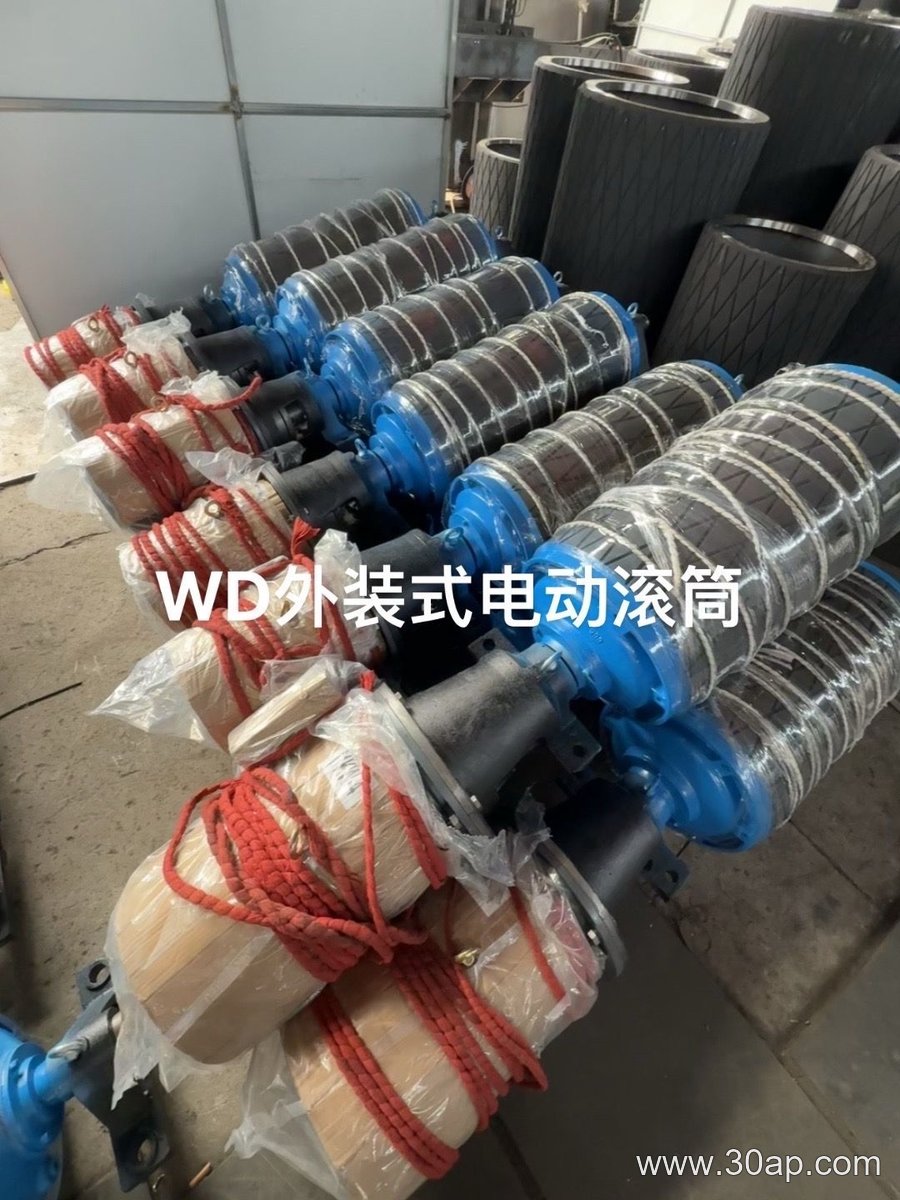
How a Port Belt Conveyor Pulley Is Built
A typical pulley consists of a cylindrical shell, two end discs, a shaft, and a hub connection. The shell is often made from seamless steel pipe or rolled steel plate, then machined to keep it round and balanced. The shaft is sized by torque and load, not by belt width alone. Common shaft diameters include Ø50, Ø60, Ø80, Ø100, Ø120, Ø140, Ø160, Ø180, and Ø200, but the final value is determined by the drive design and the forces the pulley must carry.
The surface of the shell may be plain, or it may be covered with rubber lagging. Lagging improves grip between the pulley and the conveyor belt, reduces slip, and protects the shell from wear. Common surface forms include plain, cold-bonded rubber, hot vulcanized rubber, diamond grooved, herringbone grooved, and ceramic lagging. Lagging thickness is often 8, 10, 12, 15, or 20 mm, depending on the application and the belt tension required.
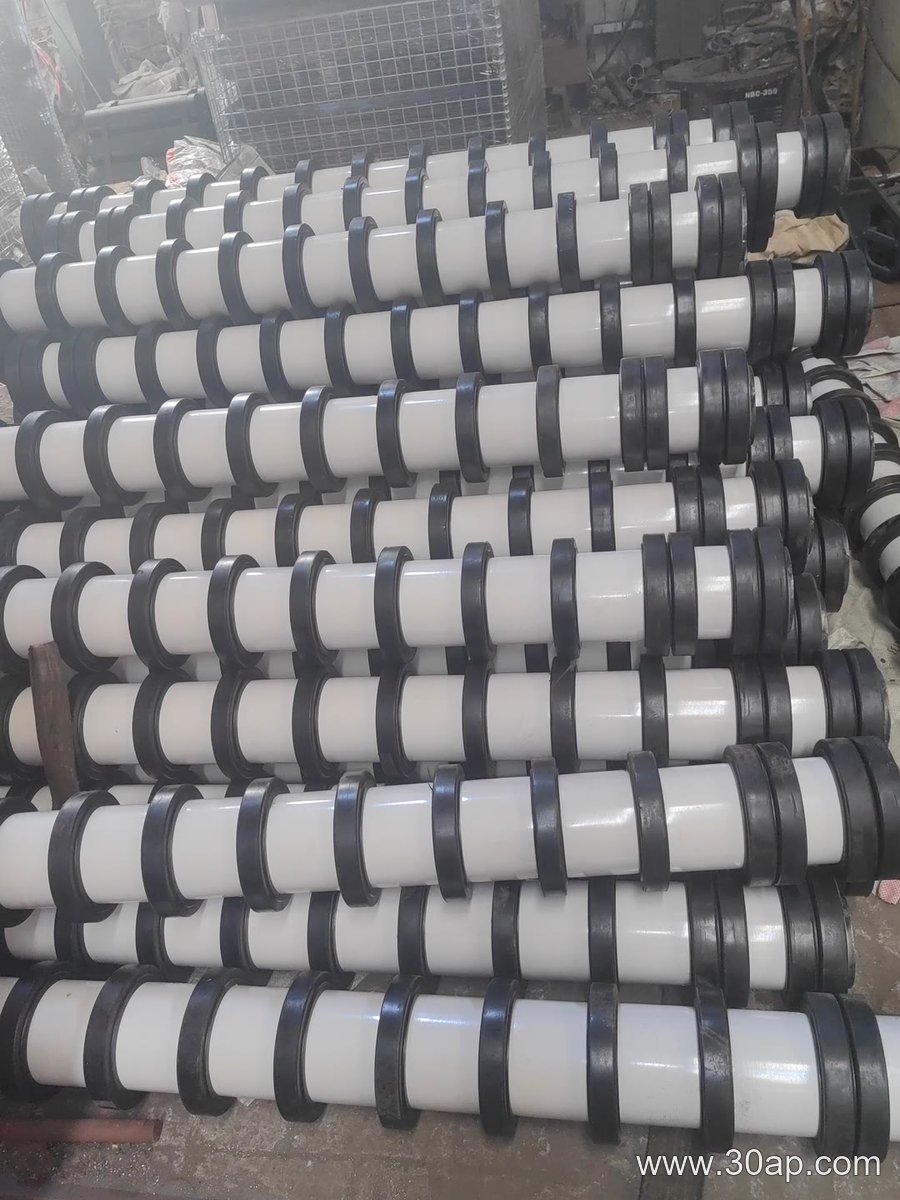
The pulley face width is usually wider than the belt itself. For example, a B800 belt may run on a pulley with a face width around 950 mm, and a B1200 belt may use a face width near 1400 mm. These are reference examples, not fixed rules. A B1200 × Ø1000 pulley or a B800 × Ø500 pulley can both be valid combinations when the engineering calculation supports them.
Where Port Belt Conveyor Pulleys Are Used
Port bulk terminals are one of the most demanding environments for these pulleys. Salt air, dust, rain, and continuous operation all put pressure on the equipment. A port belt conveyor pulley may be found at the head of a ship loader, at the tail of a yard conveyor, or at a bend point where the belt changes direction. In a coal import terminal, for instance, the drive pulley must handle high tension and resist abrasive coal dust. In a grain silo port, the same pulley type may need a smooth, clean surface to avoid damaging the belt or contaminating the product.
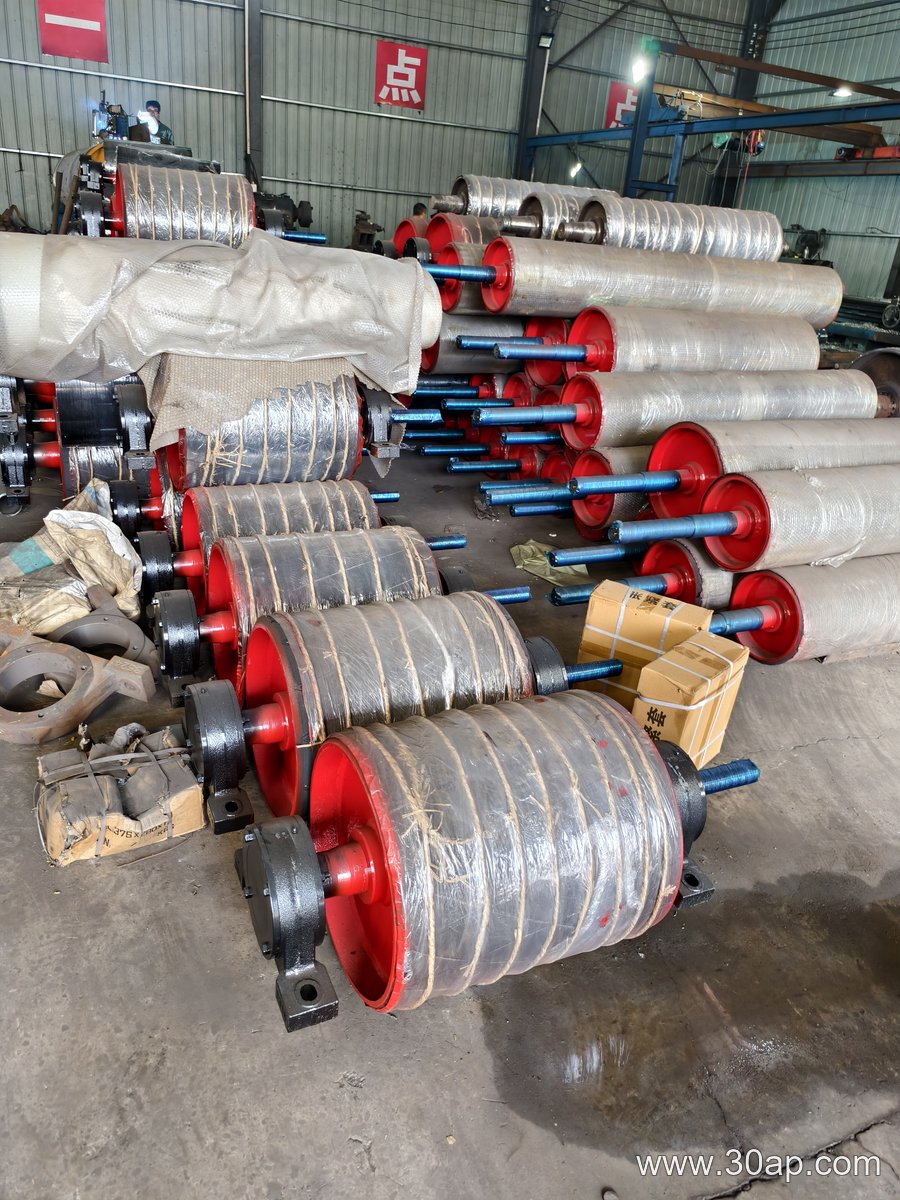
Other locations where this pulley appears include limestone mines, copper concentrators, power plant coal yards, and fertilizer handling facilities. The working conditions differ, but the basic function remains the same: keep the belt moving, keep it centered, and transfer power efficiently.
What Buyers Should Consider
When specifying a port belt conveyor pulley, start with the belt width, the required diameter, and the shaft load. Then confirm the pulley position and duty. A drive pulley usually needs lagging for grip, while a bend pulley may run with a plain surface. A tail pulley often needs a robust design to handle material impact and belt misalignment.
- Check the belt width and pulley face width together, not as isolated numbers.
- Confirm the shaft diameter from torque and load calculations, not from belt width alone.
- Choose the lagging type based on slip risk, abrasion, and environmental conditions.
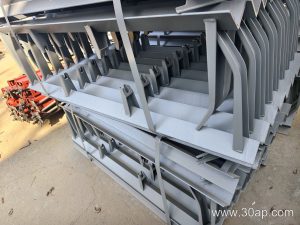
- Verify that the pulley will fit the conveyor bracket and bearing housing.
- Consider maintenance access for lagging replacement and bearing lubrication.
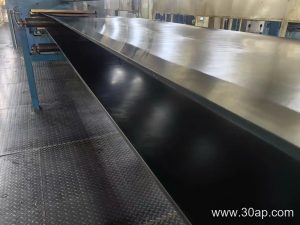
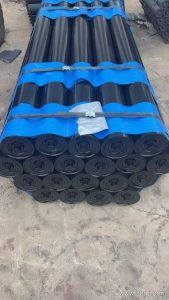
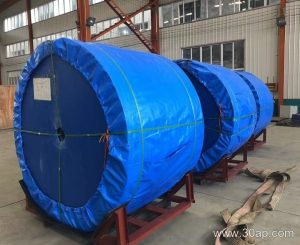
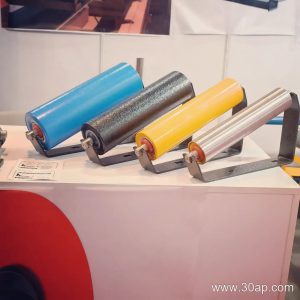
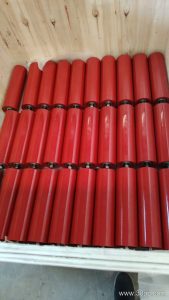
Related components such as the conveyor belt, idler roller, and conveyor bracket all interact with the pulley. A poorly matched bracket or a worn idler roller can increase vibration and reduce pulley life. For port operations, where downtime is costly, selecting the right pulley for each position is a practical way to keep the material flowing.