What a Stainless Steel Idler Is
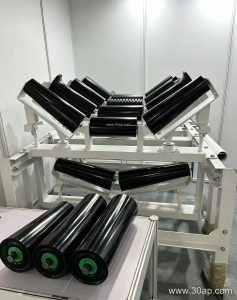
A stainless steel idler is a conveyor roller whose shell, end caps, and often its shaft are made from stainless steel rather than painted carbon steel. It sits under the belt on the carrying side or beneath the return strand, supporting the conveyor belt and letting it roll with low resistance. In wet, salty, or chemically exposed areas, this stainless construction resists rust far better than standard mild-steel rollers, which keeps the belt running straighter and reduces downtime for replacement. You will sometimes see it called a stainless idler roller or stainless conveyor roller; these refer to the same product.
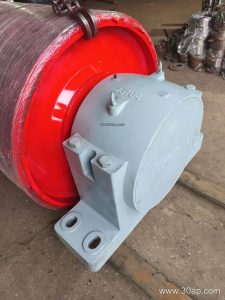
Unlike a drive pulley, tail pulley, or bend pulley, which transmit power or change belt direction, the stainless steel idler only supports the belt. It is a supporting component, not a traction component, and the two should not be confused when specifying a conveyor.
How It Is Built
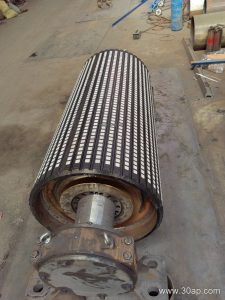
A typical unit combines a stainless tube, bearing housings, a shaft, and seals. The roller surface may be plain stainless, or it may carry rubber rings, nylon, or ceramic for specific duties. Bearing sizes commonly include 6204, 6205, 6305, 6306, 6308, and 6310, with the final choice depending on load and speed rather than on roller diameter alone.
Common roller diameters range from Ø63 and Ø76 up to Ø108, Ø133, Ø159, and larger sizes such as Ø194 and Ø219 for heavy belts. Roller length follows belt width, trough angle, and idler arrangement. For a three-roll troughing set, typical roll lengths are roughly 200 mm at B500, 250 mm at B650, 315 mm at B800, 380 mm at B1000, 465 mm at B1200, 530 mm at B1400, 600 mm at B1600, 670 mm at B1800, and 750 mm at B2000. These are common examples, not fixed pairings, and side rolls may differ from the centre roll.
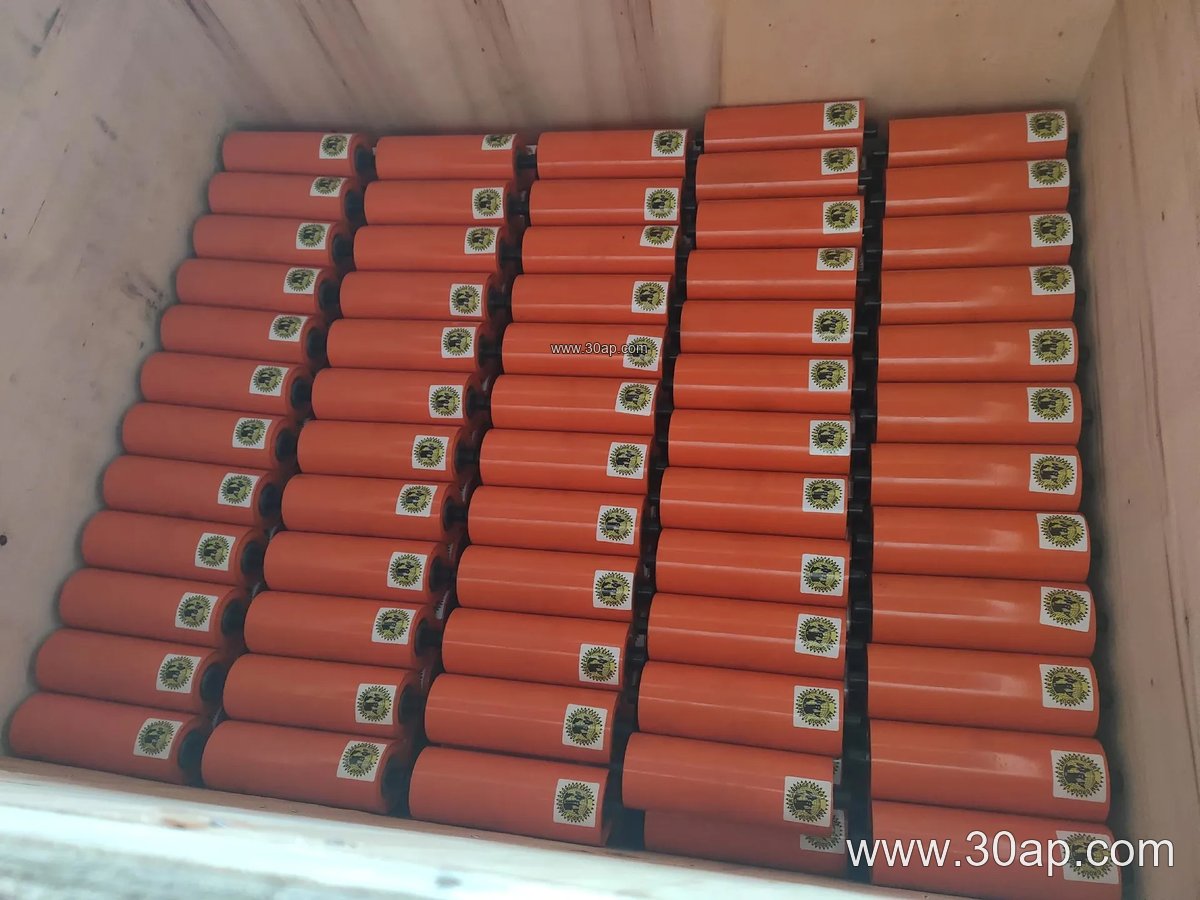
Common Surface and Bearing Reference
| Item | Common Options |
|---|---|
| Roller diameter | Ø63, Ø76, Ø89, Ø102, Ø108, Ø127, Ø133, Ø159, Ø178, Ø194, Ø219 |
| Belt width reference | B400, B500, B650, B800, B1000, B1200, B1400, B1600, B1800, B2000 |
| Trough angle | 20°, 30°, 35°, 45° |
| Bearing | 6204, 6205, 6305, 6306, 6308, 6310 |
| Roller surface | Stainless tube, rubber ring, nylon, ceramic |
Where It Fits on the Conveyor
On the carrying side, stainless steel idlers usually appear as troughing sets of two or three rolls, keeping the belt in a trough shape so bulk material stays centred. On the return side, flat or V-return rollers support the empty strand. Transition idlers near the head and tail help the belt move smoothly between flat and troughed profiles.
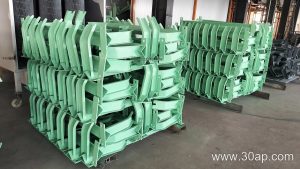
In a coal washing plant, a stainless idler can be a practical choice for the wet sections where wash water and fine solids attack ordinary steel. In a fertilizer or chemical handling line, the same roller helps where mildly corrosive dust and moisture are present. For an iron ore or copper ore terminal near the coast, salt air is another reason to consider stainless construction. The idler works alongside the conveyor belt, conveyor pulley, and conveyor bracket, but it does not replace any of them.
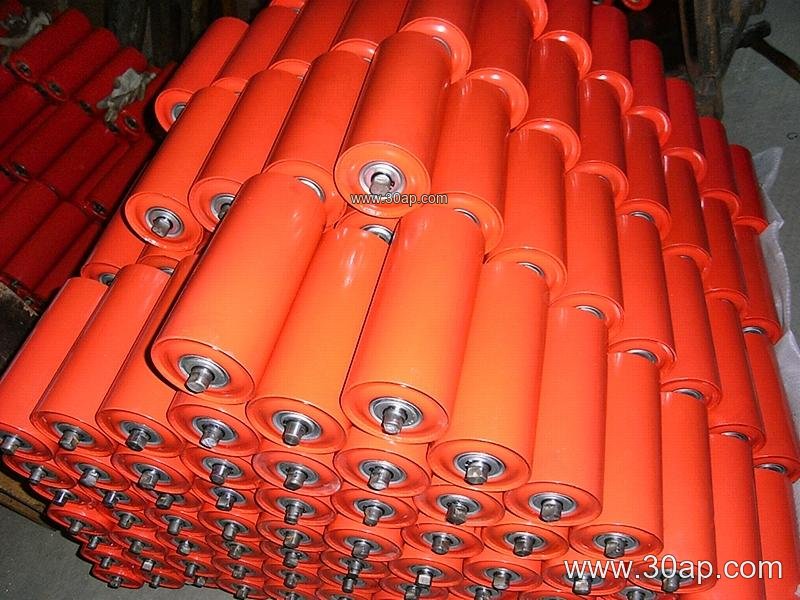
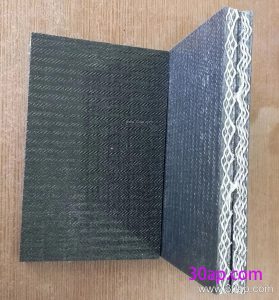
When the belt itself is a heavy-duty mining conveyor belt or an abrasion resistant conveyor belt carrying sharp ore, the idler shell and bearing seals need to match that duty. A flame retardant conveyor belt or fire resistant conveyor belt is chosen for safety in coal mining conveyor systems, while the stainless idler addresses corrosion and wear at the support points.
Selection and Maintenance Notes
Buyers should confirm the belt width, trough angle, roll diameter, shaft diameter, and bearing type before ordering. Do not assume that one belt width matches only one pulley diameter, and do not derive a shaft size from belt width alone. The required shaft depends on load, span, and idler arrangement.
- Check the environment: fresh water, salt spray, acid mist, or fertilizer dust all point toward stainless.
- Match the roller surface to the material: rubber rings for impact, ceramic for sticky or abrasive fines.
- Confirm sealing: good labyrinth seals protect bearings in wet and dusty service.
- Keep spare rollers on hand for critical lines, since corrosion-related failures often appear without warning.
Inspection is simple: listen for squealing bearings, watch for belt wander, and check for play in the roller. Replacing a seized stainless idler early protects the conveyor belt from edge damage and reduces the load on the drive pulley. For a quarry conveyor belt or an aggregate conveyor belt running in damp conditions, this small maintenance habit often pays for itself.
For more information on matching stainless idlers with conveyor belts, pulleys, and brackets, visit pdconveyor.com and review the roller and belt options for your site.