What the Ø127 Conveyor Idler Actually Is
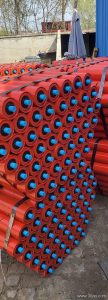
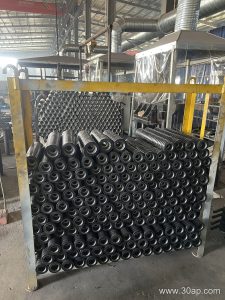
A Ø127 conveyor idler is a load-carrying roller with a nominal shell diameter of 127 mm. In practice, it is one of the most widely chosen mid-size rollers for belt conveyors that move bulk material at moderate to high capacity. The idler roller supports the conveyor belt, keeps it tracking along the frame, and allows the belt to roll rather than drag. When several idlers are mounted together in a frame, they form a troughing set that shapes the belt into a curve so loose material stays centered.
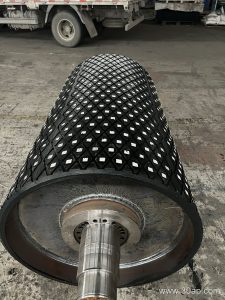
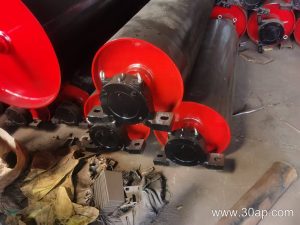
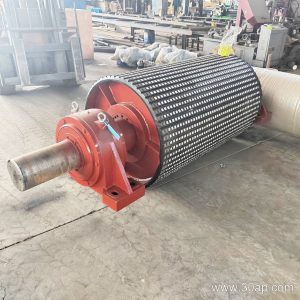
The 127 mm figure refers to the outside diameter of the roller shell, not to the shaft or the bearing. This distinction matters because buyers sometimes confuse roller diameter with shaft size or with the pulley diameter at the head and tail of the conveyor. A conveyor pulley at the drive or tail position is a completely different component, even though both are cylindrical and both touch the belt.
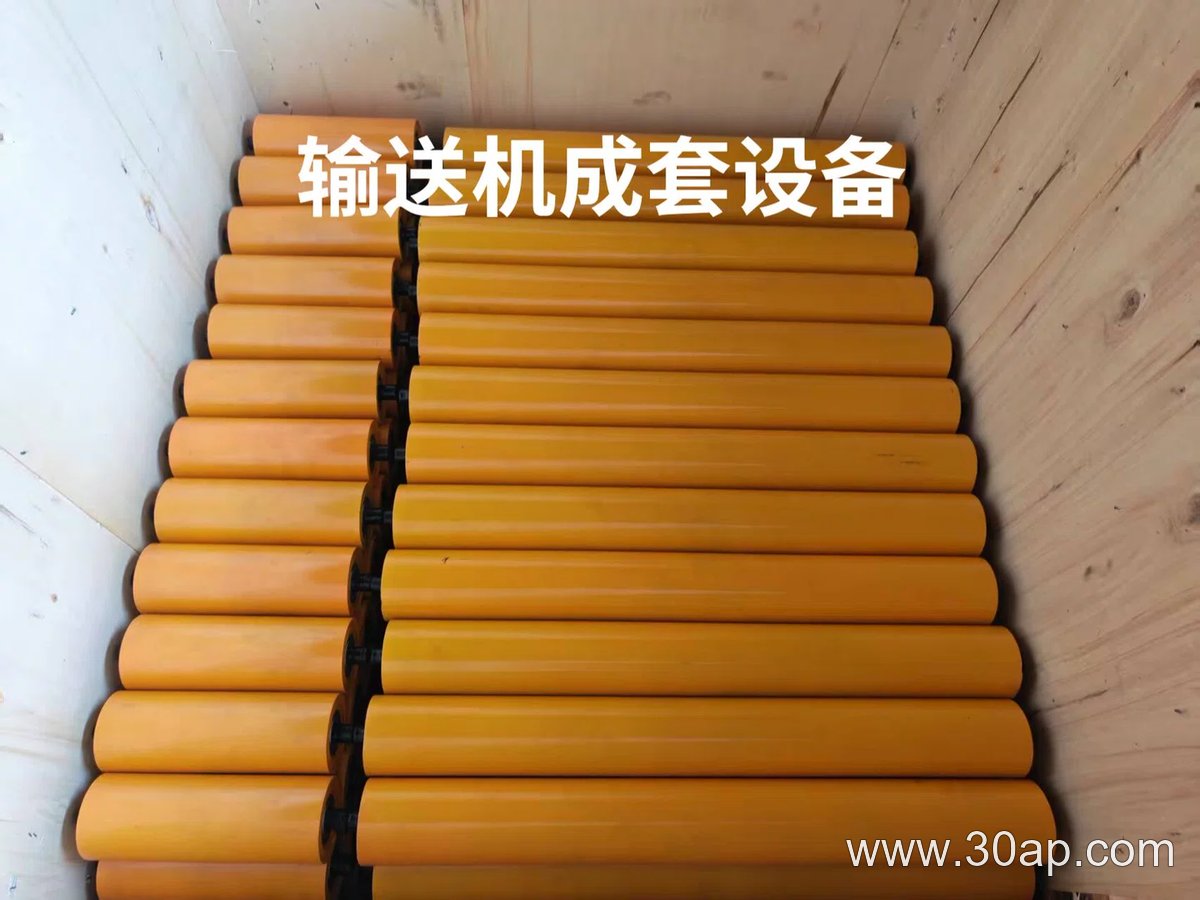
How a Ø127 Idler Is Built
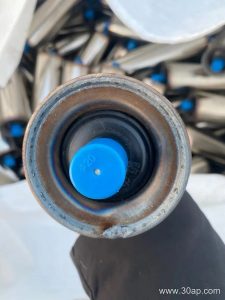
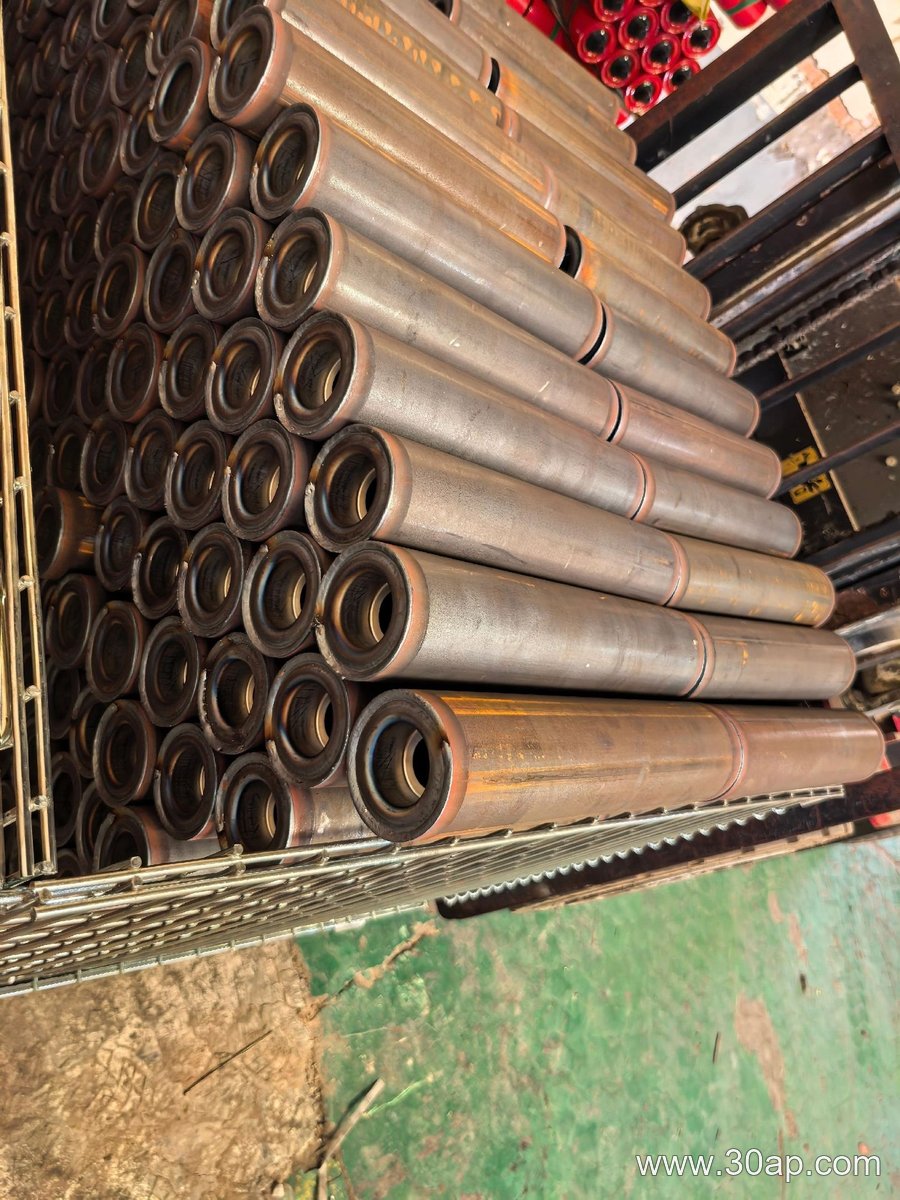
The shell is usually made from precision steel tube, machined at both ends to accept bearing housings. Inside each end sit sealed bearings, commonly deep-groove ball bearings in sizes such as 6205, 6305, 6306, or 6308, though the exact bearing is selected by the idler manufacturer based on load and speed. A shaft runs through the center and is locked so the shell rotates around it while the shaft stays fixed in the conveyor bracket.
Sealing is the detail that separates a long-life idler from a short-lived one. Dust, water, and fine grit are the main enemies. Labyrinth seals, contact seals, and grease-filled cavities are common approaches. The roller surface may be plain steel, nylon-coated, ceramic-covered, or fitted with rubber rings. Rubber rings are typical on impact idlers at the loading point, where lumps drop onto the belt and would otherwise dent a plain steel shell.
Where Ø127 Rollers Fit on a Conveyor
This diameter is often used in three-roll troughing sets on medium and wide belts, and it also appears in two-roll and single-roll arrangements depending on the belt width and the trough angle. Trough angles of 20, 30, 35, and 45 degrees are all common, and the choice affects how deeply the belt is cupped and how well the load is contained.
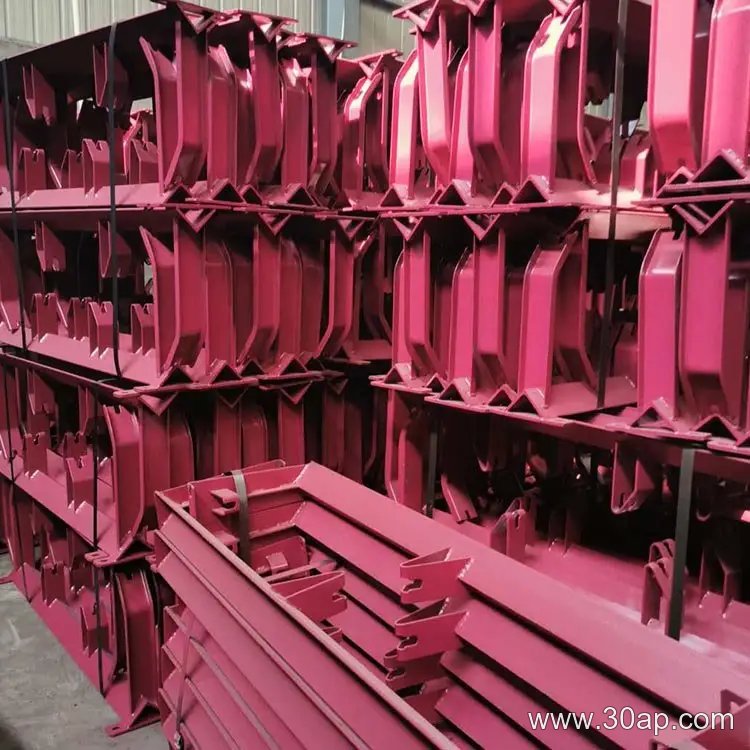
Applications tend to be places where material is abrasive or the belt carries a steady tonnage. A limestone quarry, a coal washing plant, a cement plant, and a port bulk terminal are all realistic settings. In each case the idler set must handle the belt, the material load, and the local dust. Return-side positions often use a flat or V-shaped roller rather than the same troughing arrangement used on the carrying side, because the belt is empty there and only needs support and training.
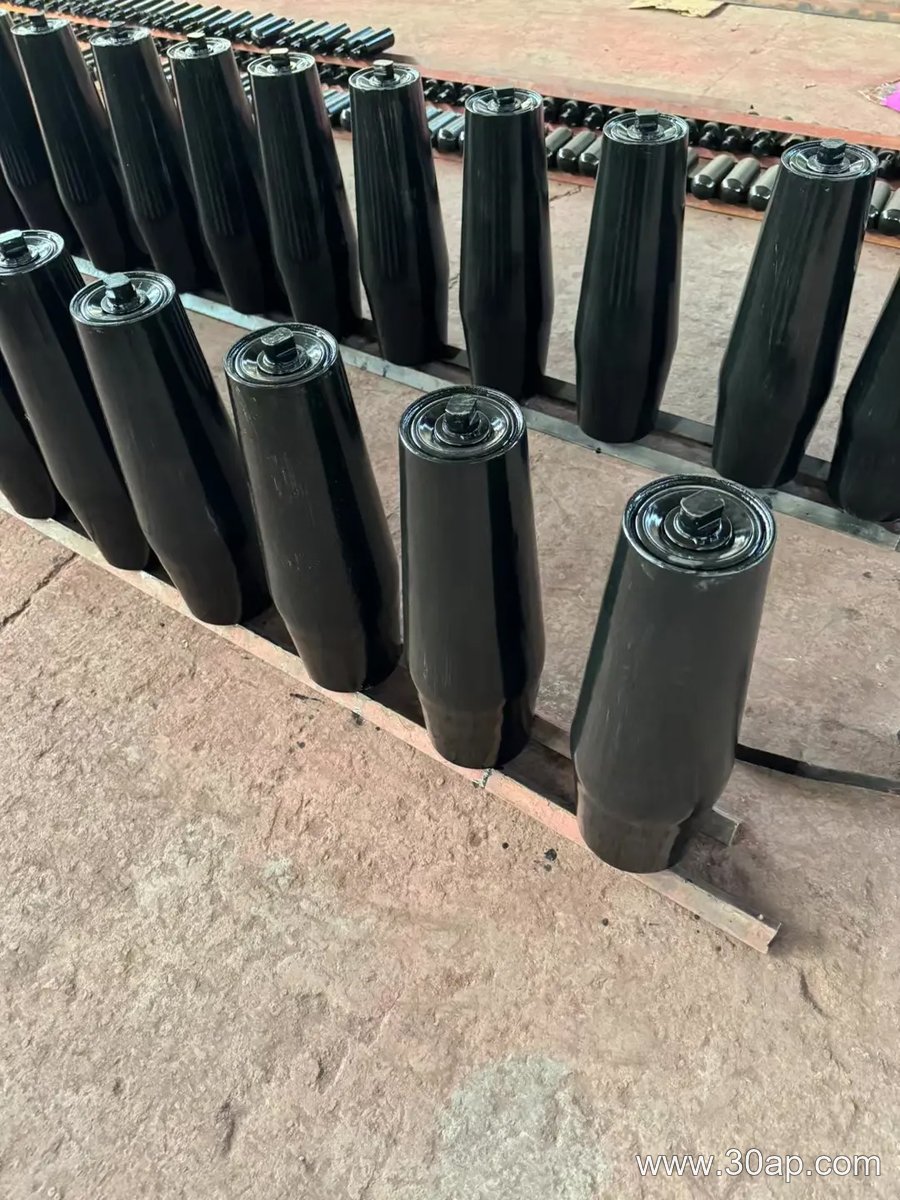
Transition idlers sit between the last full troughing station and the pulley. They gradually flatten the belt so it does not crease or lose material as it approaches the head. A 127 mm roller can serve in that zone, but the transition distance and roll lengths must be calculated for the specific conveyor rather than copied from another installation.
Roll Length, Belt Width, and Selection Basics
Roll length changes with belt width, trough angle, and the number of rolls in the set. For a three-roll troughing set, typical side-roll lengths are roughly 200 mm for B500, 250 mm for B650, 315 mm for B800, 380 mm for B1000, 465 mm for B1200, 530 mm for B1400, and 600 mm for B1600. These are common examples, not fixed pairings. The center roll and the side rolls can differ, and a wider belt does not automatically mean a larger roller diameter.
When specifying, a buyer should confirm the belt width, the trough angle, the roll length, the shaft diameter and end shape, the bearing size, the sealing class, and the mounting bracket dimensions. The bracket must match the shaft flats or the fixing holes, otherwise the idler will not sit correctly in the frame. It also helps to state whether the idler is for the carrying side, the return side, or an impact zone, because each position has different demands.
What Buyers Should Keep in Mind
No single roller diameter is mandatory for every conveyor. A Ø127 idler is a sensible choice for many mid-size duties, but a smaller diameter may suit a light, narrow belt, and a larger one may be needed for heavy loading or long spans. The right decision comes from the belt width, the material, the tonnage, the speed, and the environment. Buyers should also ask about bearing type, seal design, and shell wall thickness rather than focusing on diameter alone. A well-sealed, properly sized idler reduces downtime, protects the conveyor belt, and keeps the whole conveyor pulley and drive system running more smoothly.