What a Cement Plant Conveyor Belt Has to Handle
A cement plant is a chain of abrasive, hot, and dusty processes, and the cement plant conveyor belt is the link that keeps raw meal, clinker, gypsum, and additives moving between them. Unlike a general bulk handling line, the belts here often work under a combination of sharp limestone, hot clinker, fine cement dust, and occasional oil or chemical exposure. Choosing a belt that matches each section is more useful than buying one specification for the whole plant.
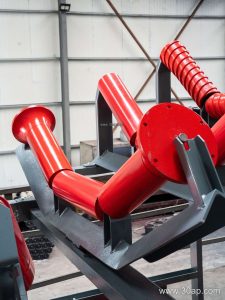
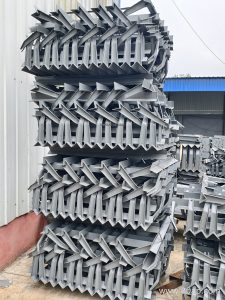
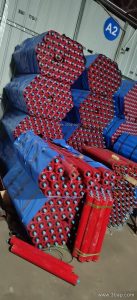
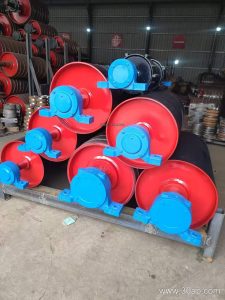
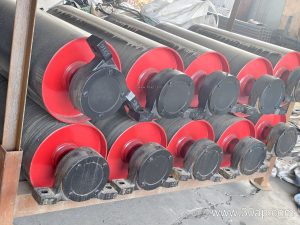
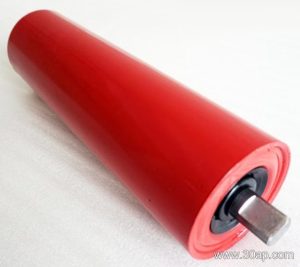
The conveyor itself is a system, not just a rubber band. A typical run includes the belt, carrying idlers and return idlers, a drive pulley, a tail pulley, and bend pulleys, all supported by a steel conveyor bracket structure. The belt is the wear part that contacts the material, so its cover compound and carcass decide service life.
How the Belt Is Built
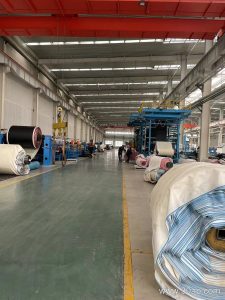
Most cement plant belts are fabric core or steel cord constructions. The carcass carries tension, while the top and bottom covers protect it from abrasion, heat, and moisture. Common carcass options include EP (polyester-cotton) and NN (nylon-nylon) fabric, with steel cord used for long, high-tension runs. Cover thickness is usually selected by duty, with common combinations such as 4+2 mm, 5+2 mm, 6+2 mm, and 8+3 mm for heavy abrasive service.
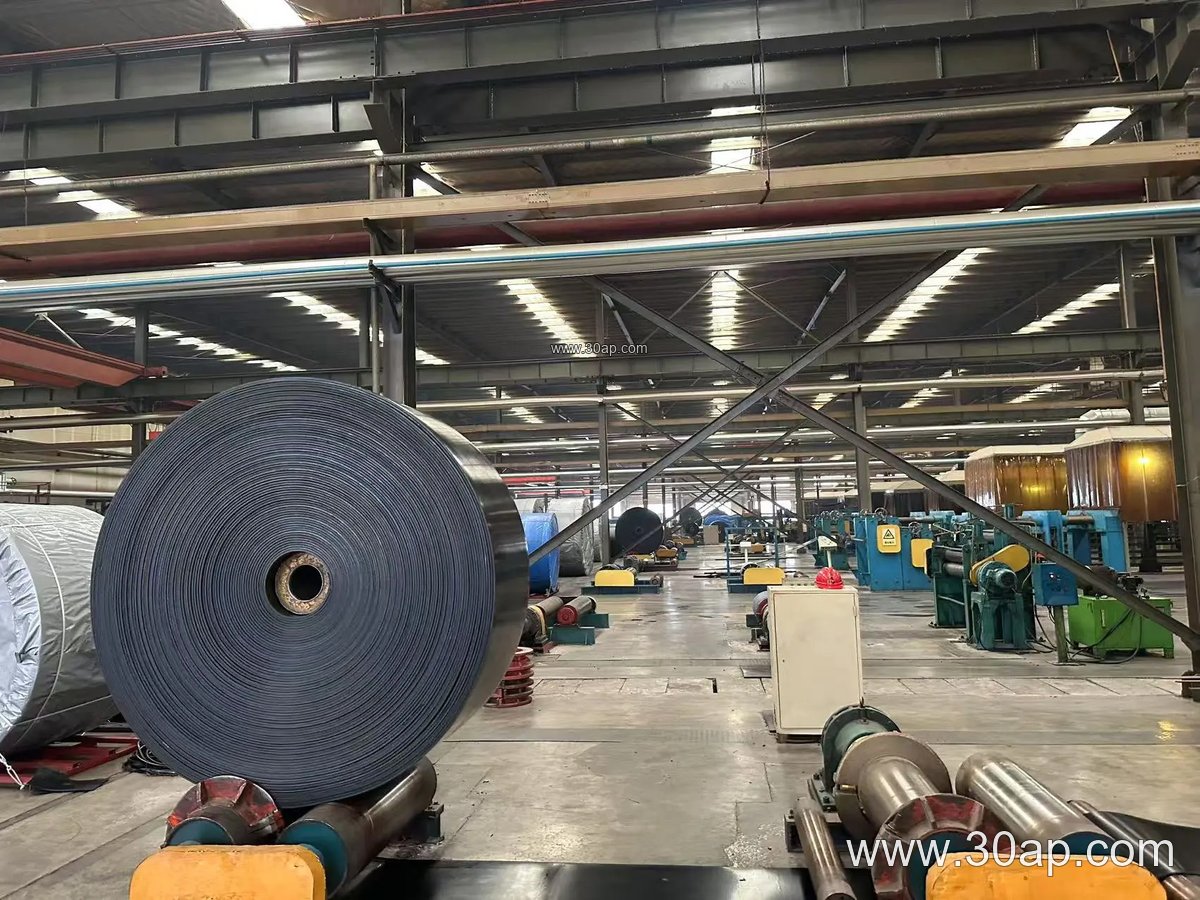
The table below shows typical reference data. These are common values, not fixed rules; actual selection depends on the conveyor design, material lump size, and operating conditions.
| Parameter | Common Reference Range | Typical Use in Cement Plants |
|---|---|---|
| Belt type | EP, NN, steel cord, PVC, PVG | Raw material, clinker, cement, packaging lines |
| Strength grade | EP200 to EP2000; ST1000 to ST3150 | Short feeders to long overland or incline runs |
| Belt width | B500, B650, B800, B1000, B1200, B1400, B1600, B1800, B2000 | From small additive feeders to main clinker lines |
| Cover thickness | 3+1.5, 4+2, 5+2, 6+2, 8+3 mm | Abrasion, heat, and impact protection |
| Carcass plies | 2 to 6 layers | Fabric core belts for general duty |
Matching the Belt to Each Cement Process Stage
Limestone and raw material handling is dominated by abrasion and impact. A high abrasion resistant conveyor belt with a thicker top cover is often appropriate, and impact idlers under the loading point help absorb lump energy. Quarry conveyor belts and crusher conveyor belts that feed the raw mill face similar conditions, so abrasion resistance is usually the first priority.
Clinker transport brings heat. A heat resistant conveyor belt is commonly used where clinker temperature is controlled but still elevated; where radiant heat is intense, additional protection such as heat shields may be needed. For coal and fuel preparation areas, a flame retardant conveyor belt or fire resistant conveyor belt is often specified, and anti-static properties are considered alongside it.
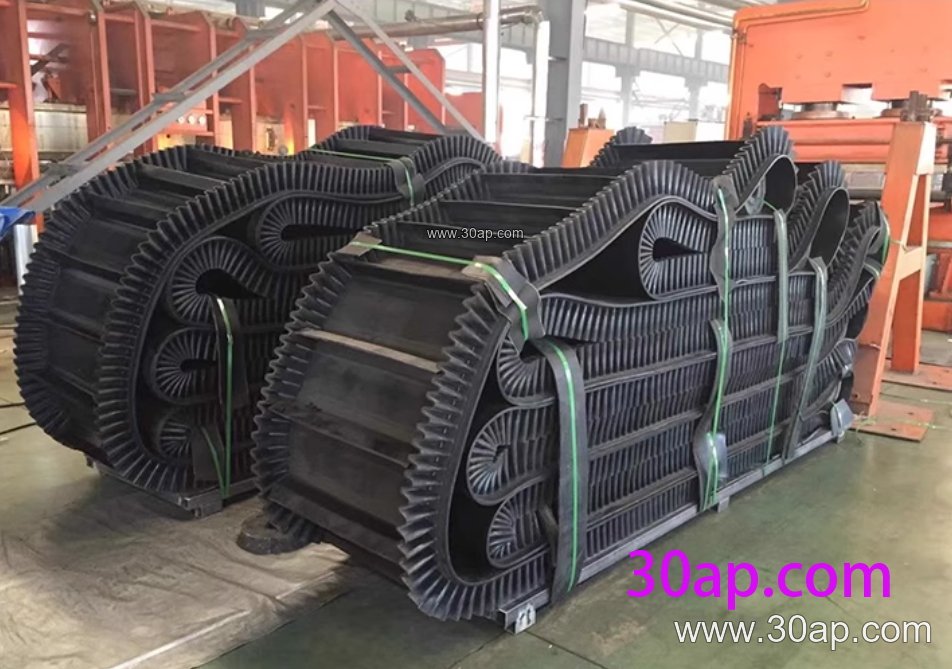
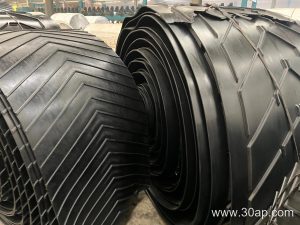
Cement grinding and dispatch lines handle fine, dry powder. Here, a fabric core conveyor belt with moderate cover thickness may be sufficient, but skirted or corrugated sidewall belts can help contain material on steep or confined routes. In some enclosed transfer points, a pipe conveyor belt may be considered to reduce dust emission, while a chevron conveyor belt is used where the incline exceeds what a smooth belt can handle.
Selection Points Buyers Should Confirm
- Material and temperature: confirm lump size, moisture, and maximum material temperature at the loading point.
- Strength and width: match the belt grade and width to the calculated tension and required capacity, not to a single standard size.
- Cover compound: choose abrasion resistant, heat resistant, oil resistant, or flame retardant covers according to the section, not the whole plant.
- Pulley and idler compatibility: the drive pulley, tail pulley, and bend pulleys should be sized to the belt tension and width by the conveyor designer; belt width alone does not determine shaft diameter.
- Jointing: an endless conveyor belt with a vulcanized splice is often preferred on long, critical runs, while mechanical fasteners may suit shorter or temporary lines.
Maintenance and Long-Term Reliability
Belt life in a cement plant depends heavily on alignment and loading conditions. Misaligned idler rollers, worn conveyor pulleys, and buildup on return rolls can cause edge damage and tracking problems. Regular inspection of the conveyor bracket and frame for loose bolts, plus checking skirt rubber clearance, helps prevent premature cover wear. Keeping the belt clean and avoiding overload at transfer points usually costs less than replacing a belt early.
For plants that also handle iron ore, copper ore, or other additives, an ore conveyor belt with a tough cover may be needed on those routes. The key is to treat the cement plant conveyor belt as a section-by-section decision: abrasion resistance where limestone and clinker hit hard, heat resistance where temperature rises, and flame retardant protection where coal or combustible dust is present. That approach keeps the whole material flow stable without overspecifying every meter of the line.