What an Automatic Belt Tracking Idler Does
An automatic belt tracking idler is a self-aligning roller assembly that keeps a conveyor belt centred on its path without manual adjustment. Instead of relying on a fixed frame, the idler responds to belt drift by pivoting slightly, so the roller axis steers the belt back toward the middle of the structure. In a quarry, a coal preparation plant, or a cement kiln feed line, this small correction prevents edge damage, spillage, and the downtime that follows a misaligned belt.
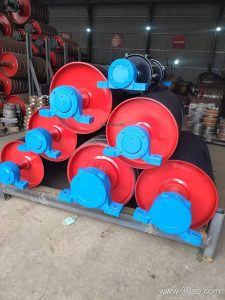
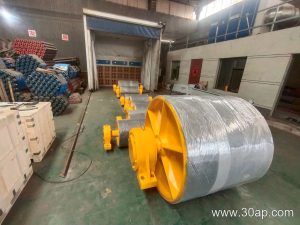
The device is often called a self-aligning idler or self-tracking roller. It is a distinct product from the drive pulley, tail pulley, and bend pulley, which transmit power or change belt direction rather than correct tracking.
How the Self-Aligning Roller Is Built
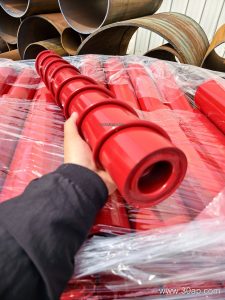
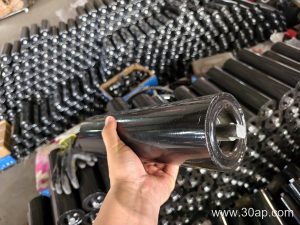
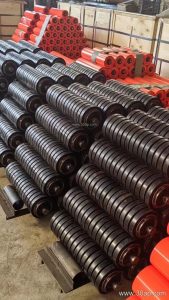
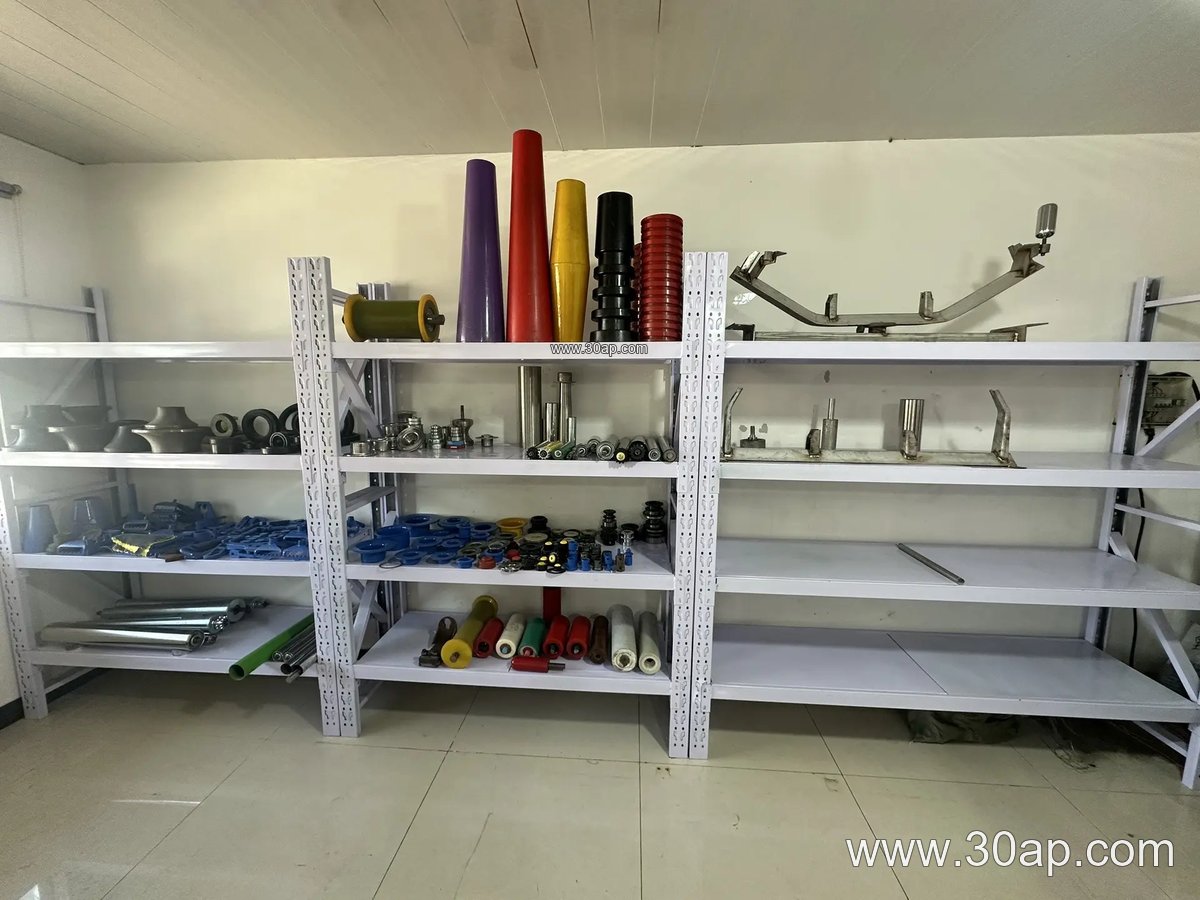
A typical unit combines a roller shell, shaft, bearing housings, and a pivoting bracket. The frame is mounted on a conveyor bracket that allows a few degrees of rotation about a vertical axis. When the belt touches a guide roller or an edge sensor, the assembly swings and the resulting angle produces a lateral force that pushes the belt back on track.
- Roller shell in steel tube, nylon, or rubber-covered form
- Bearing sizes commonly 6204, 6205, 6305, 6306, or 6308, matched to load and shaft design
- Pivot bracket with sealed bushes or bearings for dusty conditions
- Guide rollers or vertical sensing rollers at the belt edges
- Paint finish or galvanised body for outdoor installations
The roller diameter is selected with the belt width and load. Common diameters include Ø89, Ø108, Ø127, Ø133, and Ø159 mm, while larger belts may use Ø178 or Ø194 mm. These are reference values, not a fixed rule; the final shaft and bearing combination is set by the conveyor designer.
Where Tracking Idlers Are Used
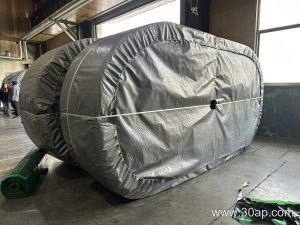
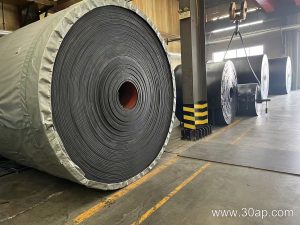
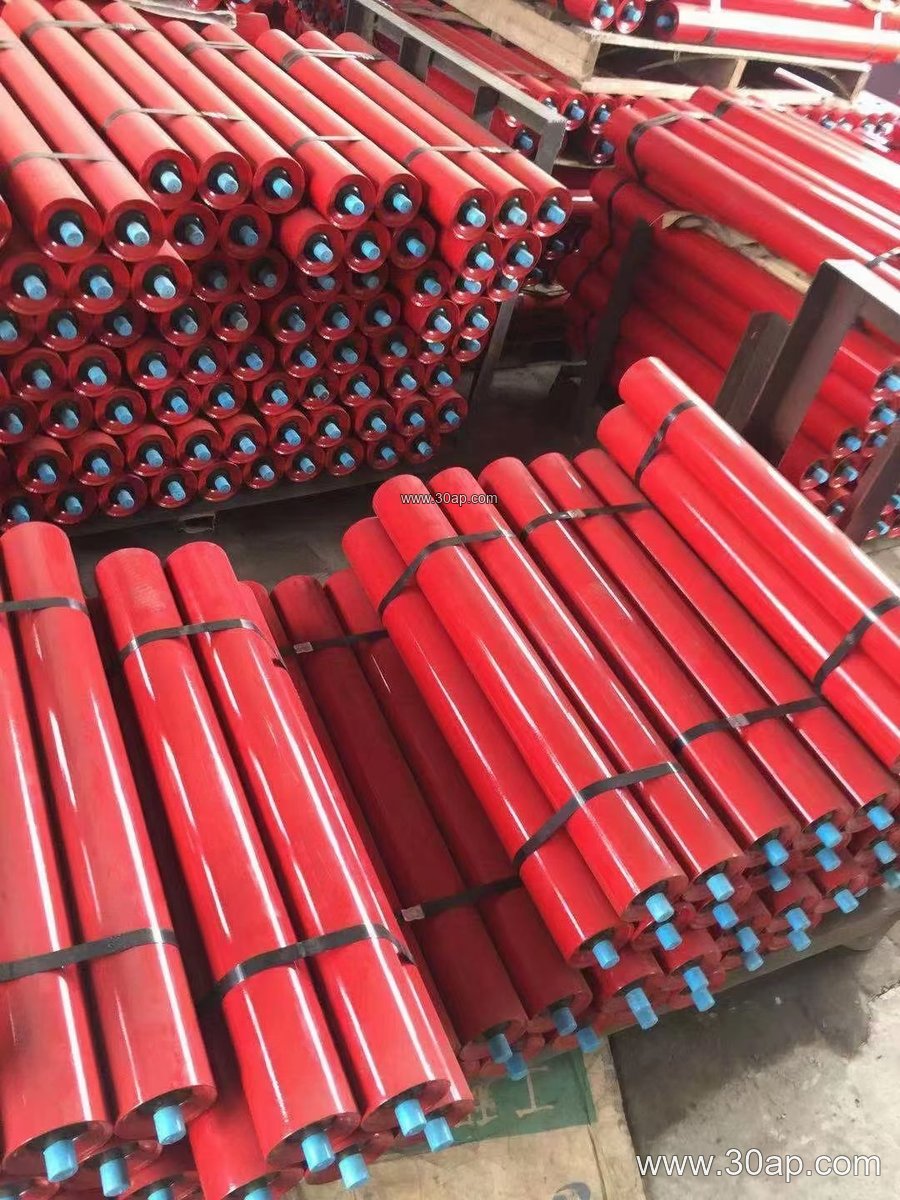
These units are common on the carrying side of a bulk material conveyor belt, usually just before the discharge point or after a loading zone where drift is likely. In an iron ore or copper ore operation, a self-aligning idler protects a heavy-duty mining conveyor belt from edge wear. In a power plant coal handling system, it works alongside a flame retardant conveyor belt and a rubber conveyor belt to keep the line running straight.
On a long overland route carrying aggregate, a fabric core conveyor belt or an EP conveyor belt benefits from periodic tracking stations. A steel cord conveyor belt on a high-tonnage ore conveyor also uses self-aligning rollers, though the frame and bearing capacity must match the higher tension. The same principle applies on a chevron conveyor belt or a corrugated sidewall conveyor belt, where edge contact and cleat height affect how the guide rollers are positioned.
Selection Points for Buyers
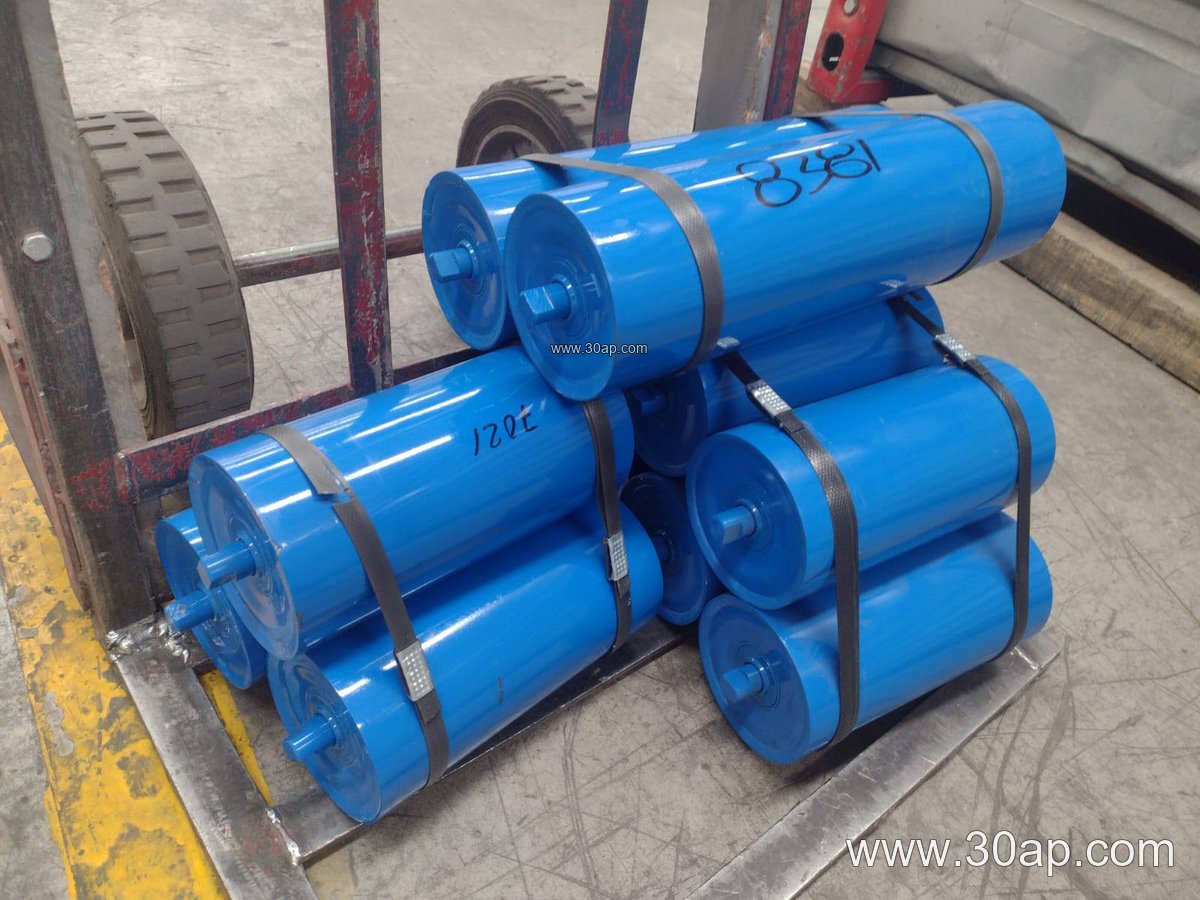
Buyers should confirm the belt width first. Common widths range from B500 and B650 up to B1800 and B2000, and the roller length changes with the trough angle and the idler arrangement. For a three-roll troughing set, approximate roller lengths are often 200 mm at B500, 250 mm at B650, 315 mm at B800, 380 mm at B1000, 465 mm at B1200, 530 mm at B1400, 600 mm at B1600, 670 mm at B1800, and 750 mm at B2000. Side rollers and centre rollers can differ, so these figures are examples rather than fixed pairings.
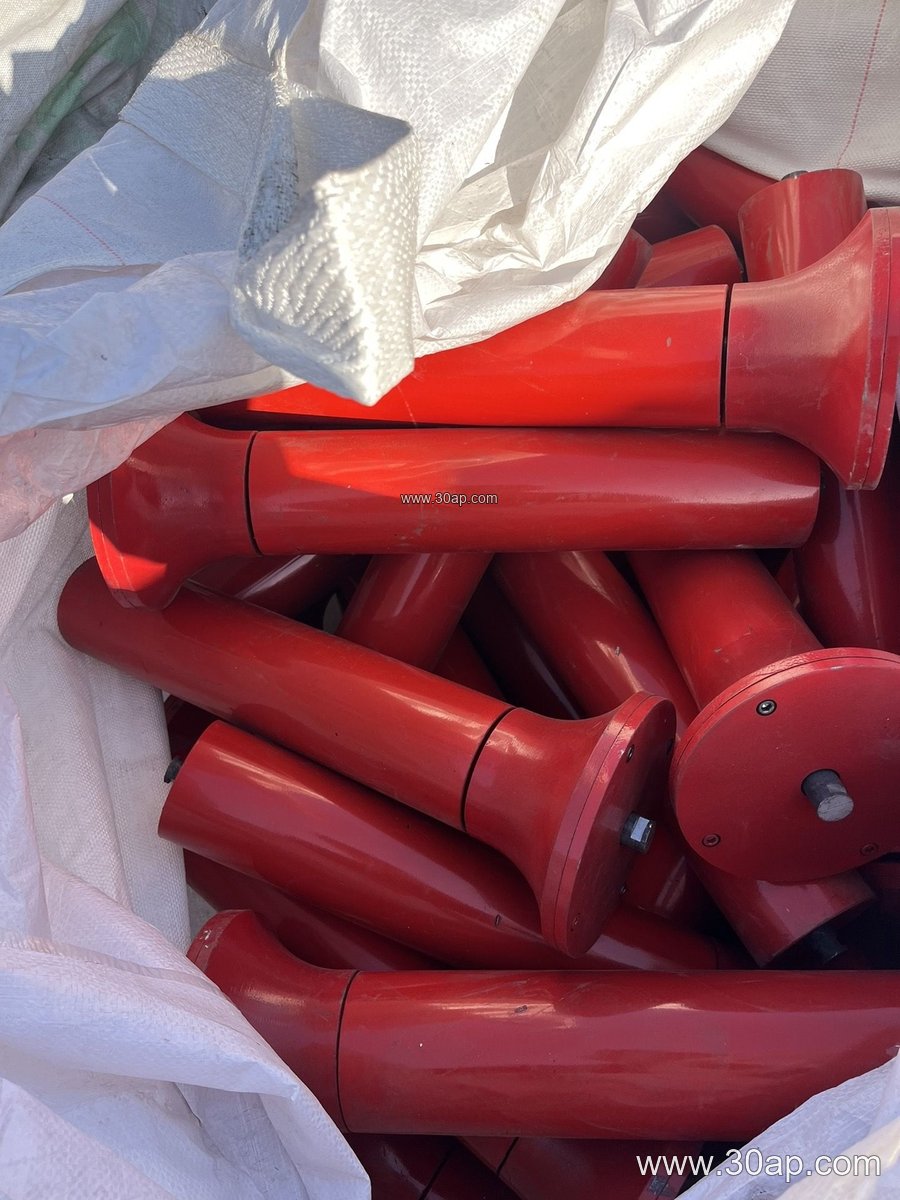
Trough angle also matters. A 20 degree, 30 degree, 35 degree, or 45 degree set changes the belt profile and the load on each roller. For tracking duty, a slight forward tilt of about 1.5 to 2 degrees is sometimes used on the idler frame to encourage centring, but the exact setting should follow the conveyor design.
| Parameter | Common reference range |
|---|---|
| Roller diameter | Ø63 to Ø219 mm, with Ø89 to Ø159 mm frequent on medium belts |
| Belt width | B400 to B2400 mm |
| Trough angle | 20°, 30°, 35°, 45° |
| Bearing | 6204, 6205, 6305, 6306, 6308, 6310 |
| Roller surface | Steel, nylon, ceramic, rubber ring |
Check the sealing system for dusty sites such as a limestone mine or a sand and gravel line. Good labyrinth seals and grease retention extend bearing life. Also confirm that the pivot mechanism is accessible for inspection and that the guide rollers can be replaced without removing the whole frame.
Maintenance and Comparison Notes
Inspect the self-aligning idler for free pivoting, worn guide rollers, and belt edge contact. A tracking roller that cannot swing freely will act like a fixed idler and stop correcting drift. Grease points should be checked on the schedule set by the plant, and damaged roller shells should be replaced before they damage the belt cover.
Compared with a standard troughing idler, the automatic version adds a moving frame and sensing rollers, so it costs more but reduces manual adjustment. It is not a substitute for a drive pulley or a bend pulley, and it should not be used to correct a structural problem such as a crooked frame or an off-centre loading point. Fix the cause first, then install tracking idlers where the belt needs gentle guidance.