What a Steel Plant Conveyor Belt Handles
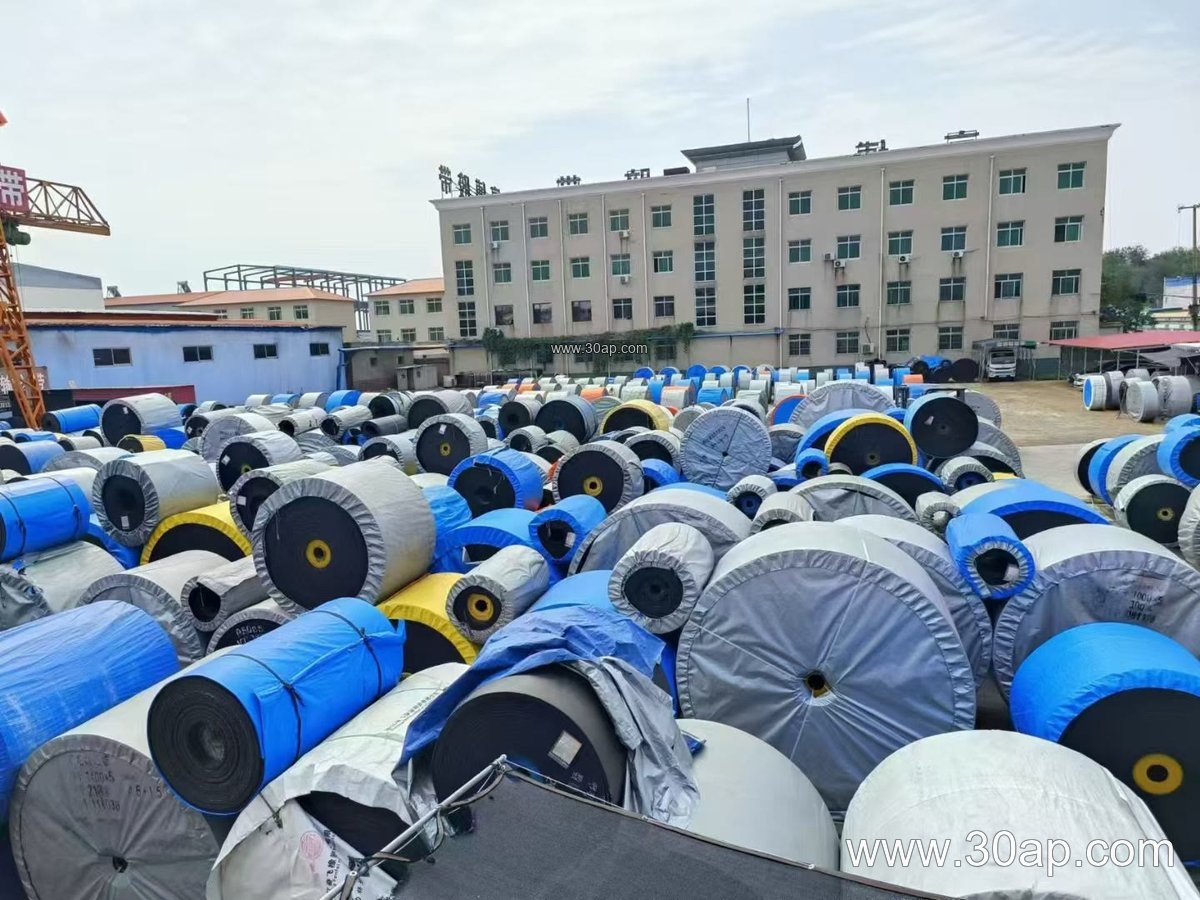
A steel plant conveyor belt is not a single product but a family of heavy-duty belts built for the harsh conditions found in iron and steel making. These belts move sinter, pellets, coke, limestone, iron ore, and hot slag across long distances and steep inclines. The same conveyor system may pass through a crusher, a screening station, and a stockyard, so the belt must resist abrasion, impact, and sometimes heat. In a steel plant, conveyor reliability directly affects production uptime.
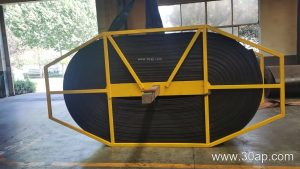
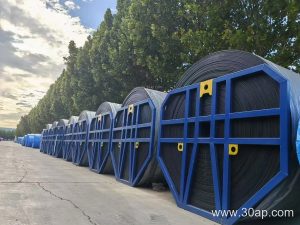
Common belt constructions include fabric core and steel cord designs. EP conveyor belts (polyester fabric core) and NN conveyor belts (nylon fabric core) are widely used for general bulk material handling. For very long runs or high tension, a steel cord conveyor belt provides higher strength with less stretch. Other options such as heat resistant conveyor belt or abrasion resistant conveyor belt are chosen according to the material being carried.
Construction and Key Components
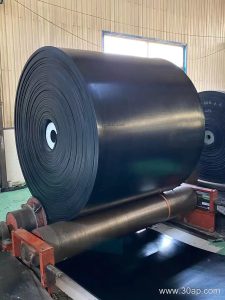
The belt itself consists of a carcass (fabric plies or steel cords) and rubber covers on both sides. Cover thickness and rubber grade determine resistance to wear, heat, oil, and flames. A steel plant conveyor belt often uses a thick top cover and a thinner bottom cover, for example 6+2 mm or 8+3 mm, though exact values depend on the duty. The carcass may have 2 to 6 fabric plies or a single layer of steel cords.
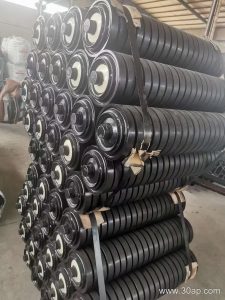
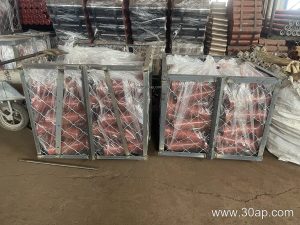
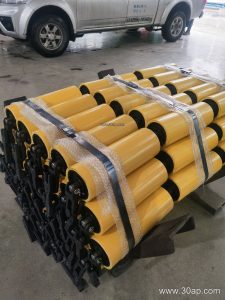
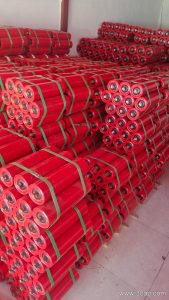
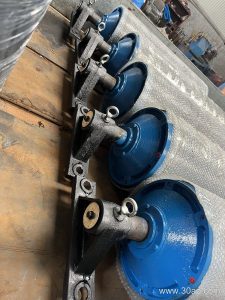
Around the belt, other components matter too. Idler rollers support the belt and affect its tracking; conveyor pulleys drive and redirect it; and conveyor brackets hold the idlers in place. These parts are not interchangeable with the belt, but their alignment and condition influence belt life. A misaligned idler roller can cause edge damage, while a worn pulley lagging may lead to slippage.
Typical Specifications and Reference Data
Belt width and strength are selected based on the conveyor design, material size, and tonnage. The following table gives common reference values; actual supply should be confirmed with the manufacturer.
| Parameter | Common Range / Example |
|---|---|
| Belt width | B500, B650, B800, B1000, B1200, B1400, B1600, B1800, B2000 |
| EP strength grades | EP200, EP315, EP400, EP500, EP630, EP800, EP1000, EP1250, EP1600, EP2000 |
| Cover thickness | 3+1.5 mm, 4+2 mm, 5+2 mm, 6+2 mm, 8+3 mm |
| Fabric plies | 2 to 6 layers (typical) |
| Steel cord grades | ST1000, ST1250, ST1600, ST2000, ST2500, ST3150 (reference) |
For a steel plant conveyor belt, width classes such as 1200mm or 1400mm are common, but no single width is mandatory for every line. The belt width must match the pulley face and the conveyor frame. Do not assume that a given belt width fixes a specific pulley diameter or shaft size; those are determined by the conveyor designer.
Applications in Steel Plants and Related Industries
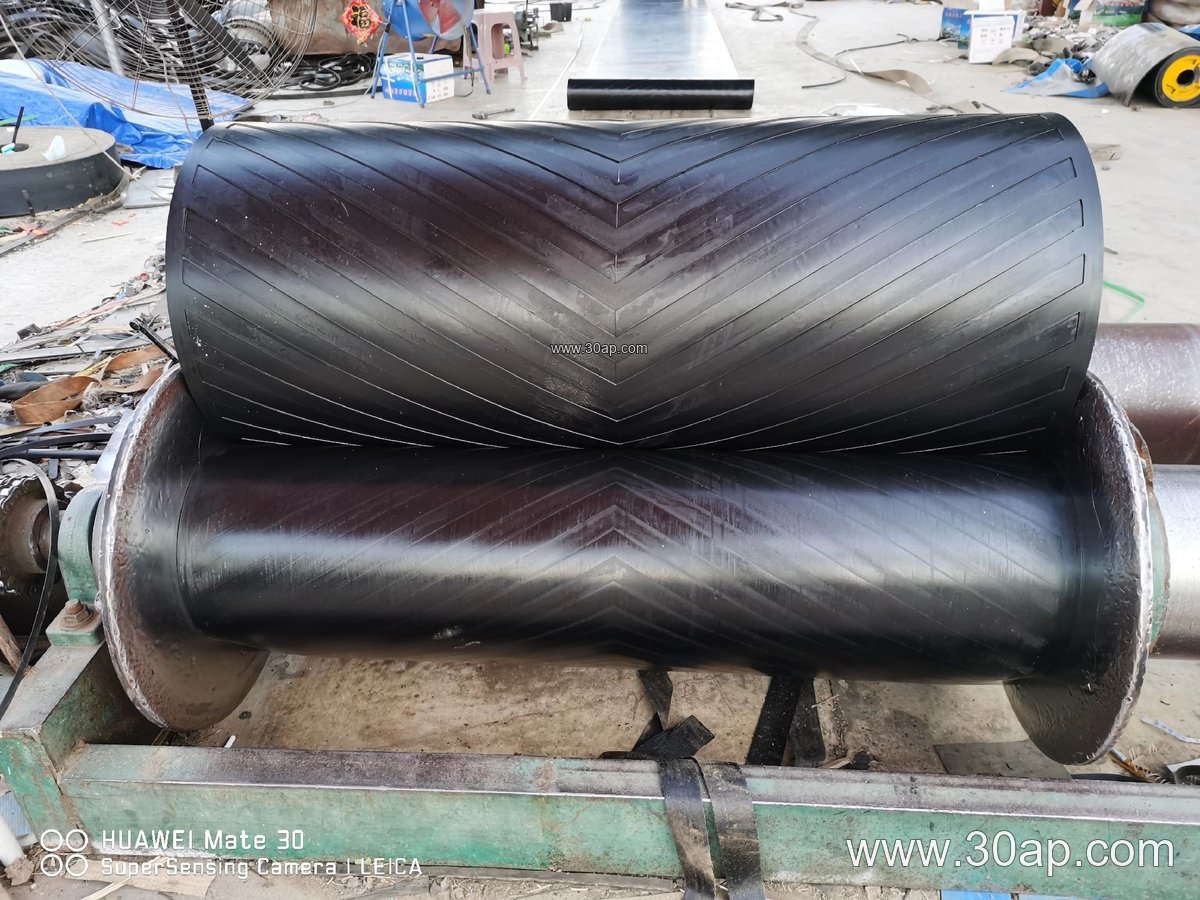
Steel plants are not the only users of these belts. Similar heavy-duty belts serve mining conveyor belts, coal mining conveyor belts, quarry conveyor belts, and cement plant conveyor belts. In a steel plant, you may find belts handling hot sinter (heat resistant type), coke (abrasion resistant type), and oily scrap (oil resistant type). Flame retardant and anti-static belts are often specified where fire risk or dust explosion hazard exists.
Other industries such as power plants, ports, and aggregate yards also rely on bulk material conveyor belts. The same belt family can appear as a crusher conveyor belt or a rock conveyor belt, but the cover grade and carcass strength must suit the specific duty. For example, a belt carrying large lump ore needs good impact resistance, while a belt moving fine dust may need anti-static properties.
Buyer Checklist for Steel Plant Conveyor Belts
- Define the material: lump size, temperature, oil or chemical content, and moisture.
- Confirm the required belt strength and width from the conveyor design, not from guesswork.
- Choose the cover grade (abrasion resistant, heat resistant, oil resistant, flame retardant) to match the environment.
- Check compatibility with idler rollers, pulleys, and brackets; belt thickness affects troughability and pulley diameter.
- Ask for the manufacturer’s data sheet for the exact belt type and grade.
Maintenance also matters. Regularly inspect the belt for edge wear, cover cuts, and splice integrity. Keep idler rollers turning freely and check pulley lagging. A well-matched steel plant conveyor belt, combined with proper alignment and tension, will give longer service in demanding conditions.