What a Four-Roll Idler Bracket Does
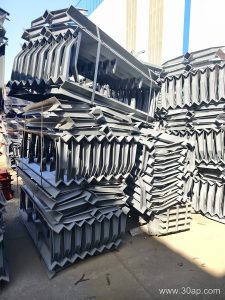
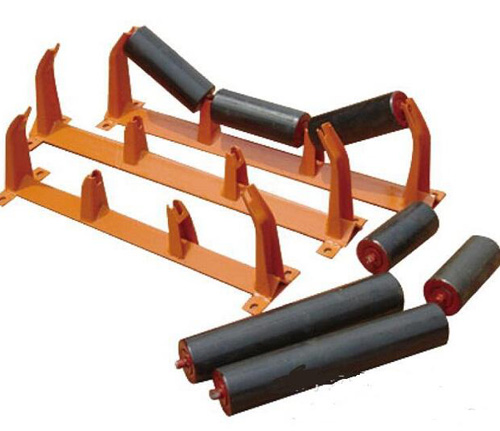
A four-roll idler bracket is the support frame that holds four idler rollers under a conveyor belt, usually in a trough configuration that shapes the belt into a deep curve. Instead of the common three-roll arrangement, this bracket carries two side rolls on each wing, so the belt is guided across a wider contact area. The extra roll helps spread the load, especially on wide belts and on lines that carry lumpy or heavy material. In many catalogs the same item is called a four-roller idler frame or four-roll troughing bracket, and those names describe the same product.
The bracket itself is not a rotating part. It is the stationary structure that positions and holds the idler rollers, and it must keep them aligned with the belt path. A four-roll idler bracket is often chosen when a two-roll or three-roll frame would leave the belt unsupported between rolls or when the material load is uneven across the belt width.
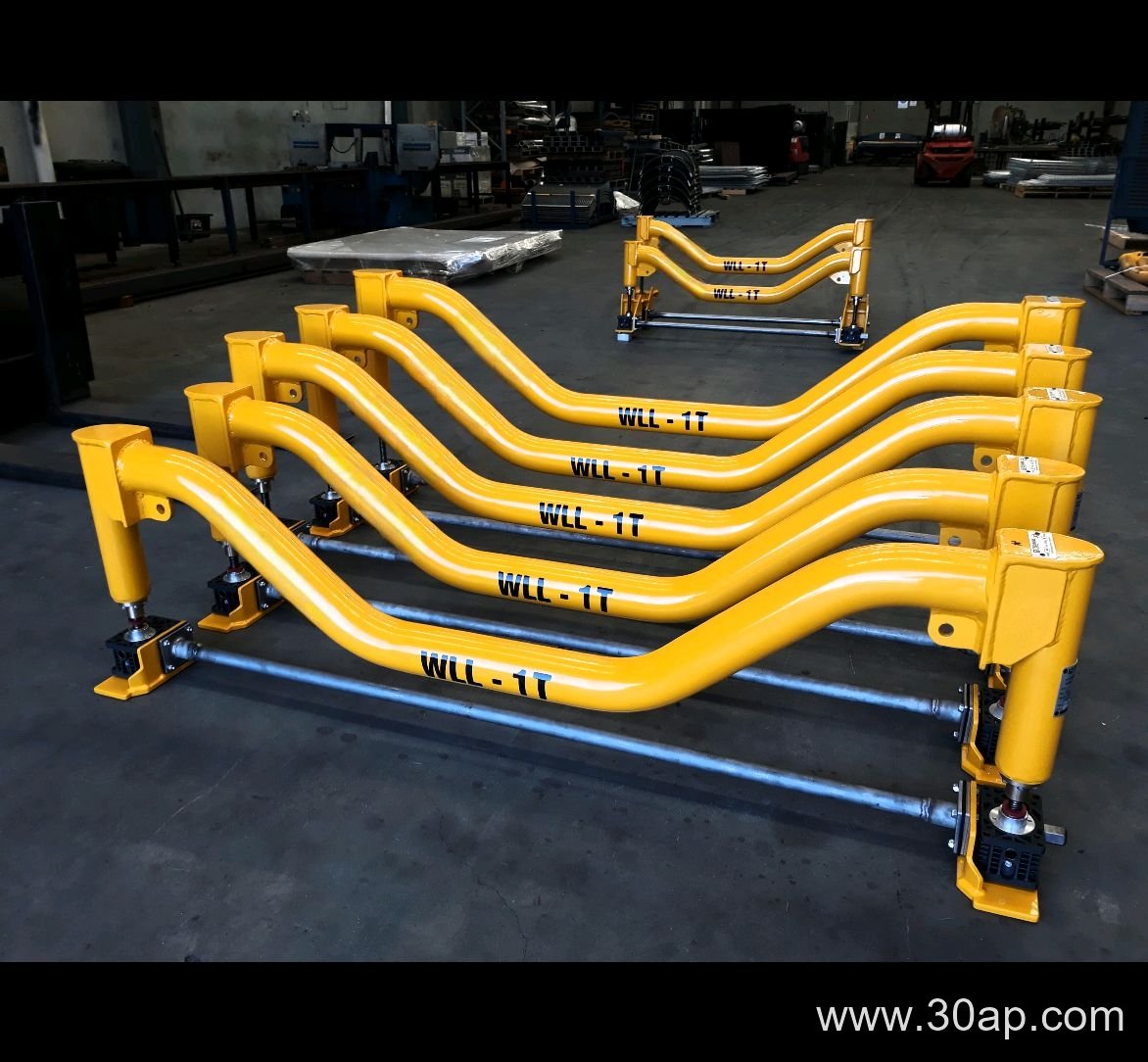
How the Bracket Is Built
Most four-roll idler brackets are fabricated from angle steel, channel steel, or folded steel plate. The main cross beam runs under the belt, and the roll mounting pads are welded or bolted at the required trough angle. The bracket may be fixed or adjustable. An adjustable version lets maintenance crews change the trough angle to suit the material and belt behavior. On a fixed bracket, the angle is set at the factory or at assembly and does not change during service.
Common trough angles for troughing brackets include 20, 30, 35, and 45 degrees, and adjustable designs can move between these settings. On some installations the side rolls are tilted slightly forward, often around 1.5 to 2 degrees, to help the belt track. Mounting hole spacing and cross beam length are not universal. They change with belt width, trough angle, and the roller diameter used, so a bracket for one conveyor is rarely a direct drop-in for another.
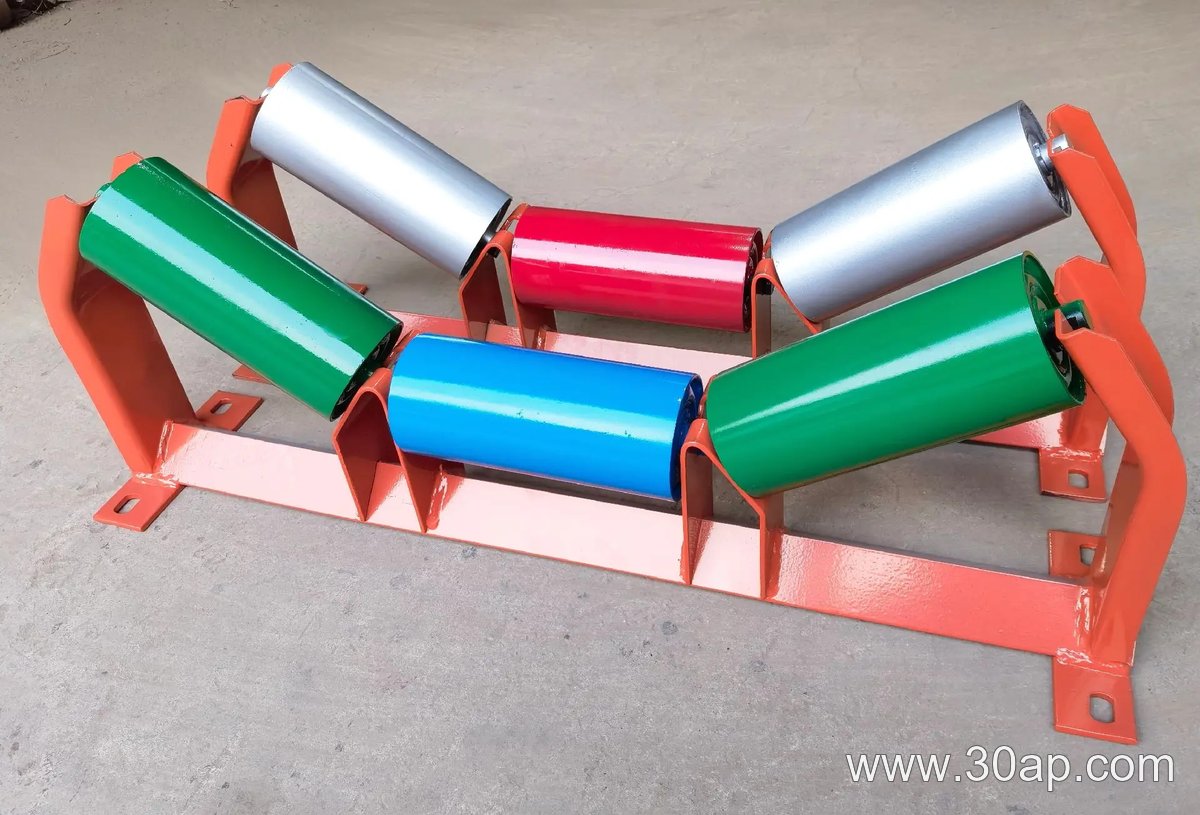
Where It Fits on a Conveyor
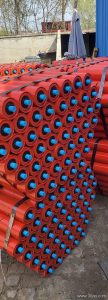
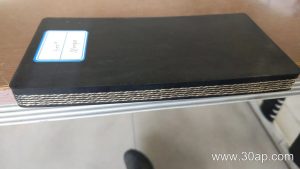
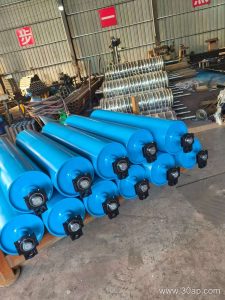
The four-roll idler bracket is normally part of the carrying side of a belt conveyor. It sits between the loading zone and the discharge point, supporting the loaded belt as it travels. A typical arrangement includes a conveyor belt running over several idler rollers, with the bracket holding the rollers at the chosen trough shape. The same conveyor also has a head or drive pulley, a tail pulley, and bend pulleys that change the belt direction, but those are separate components and are not interchangeable with idler brackets.
You may see a four-roll bracket in a quarry, a limestone mine, a coal washing plant, a crushing and screening line, or a cement plant. It is also used in power plant coal handling, port bulk terminals, and tunnel muck removal. The common thread is a wide belt or a heavy, abrasive load that benefits from extra roll support.
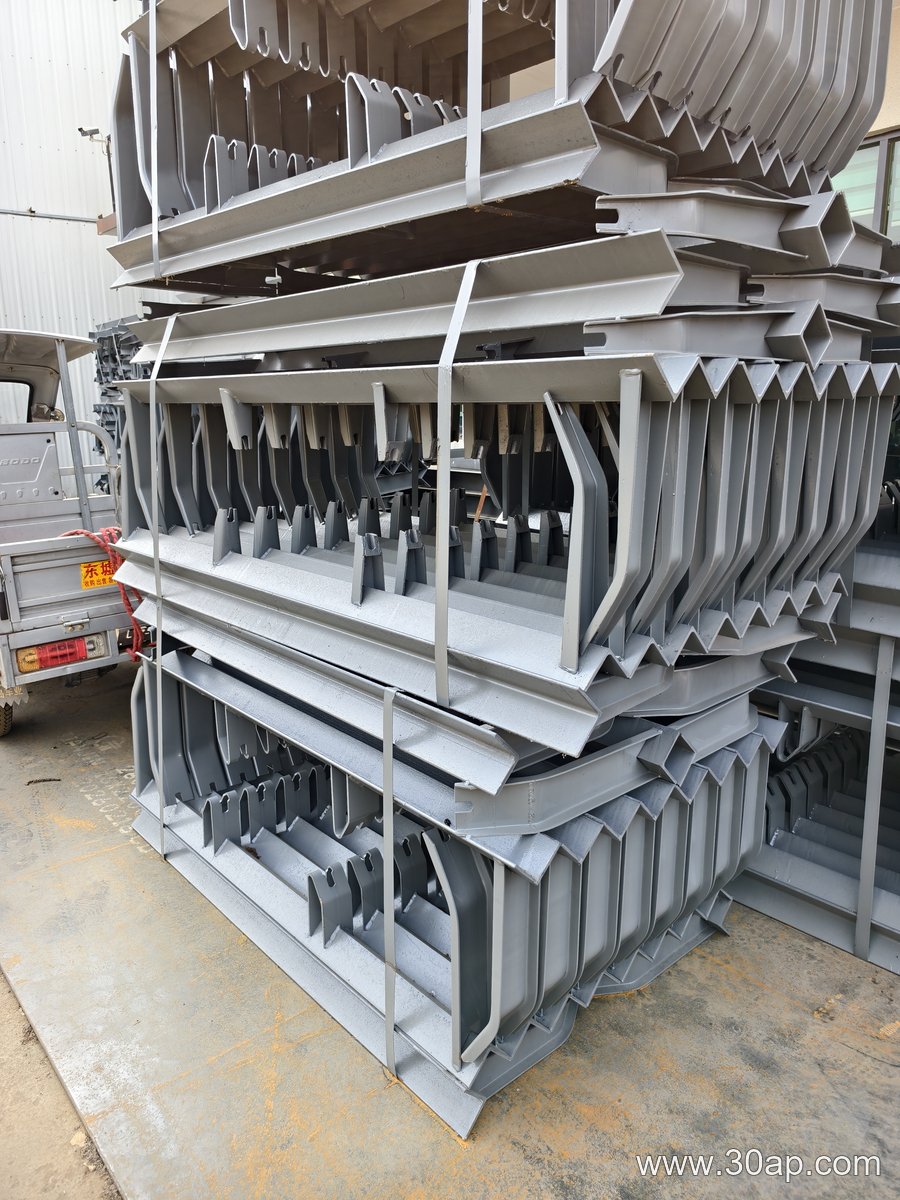
Trough Angle, Belt Width, and Roller Diameter
Selection starts with the belt width and the material. A narrow belt may use a smaller roller diameter, while a wider belt usually needs larger rollers and a longer bracket. Reference combinations such as B800, 35 degrees, and Ø108, or B1200, 45 degrees, and Ø133, show how the three choices relate, but they are examples rather than fixed rules. A given belt width can work with more than one trough angle and more than one roller diameter, and the final choice depends on belt tension, load, and space.
Roller diameters commonly seen in this family include Ø89, Ø108, Ø133, Ø159, and Ø194. Belt widths range from B500 up to B2200 in many product lines. The bracket must match the roller shaft and the mounting holes, so the roller diameter and the frame dimensions have to be confirmed together. Do not assume that a certain belt width automatically fixes the shaft diameter or the bracket length.
What Buyers Should Check
- Confirm the belt width and the intended trough angle, and decide whether a fixed or adjustable bracket is needed.
- Match the bracket to the roller diameter and shaft ends, since the mounting pads and holes must fit the idler roller.
- Check the cross beam length and hole spacing against the conveyor frame, because these vary with belt width and trough angle.
- Review the material and thickness of the bracket for the load and abrasion level at the site.
- Ask how the bracket aligns with the belt line and whether it can be adjusted during installation.
A four-roll idler bracket is a small part of the conveyor, but it affects belt training, load distribution, and roller life. When the bracket, idler rollers, and conveyor belt work together correctly, the carrying side runs more smoothly and the maintenance interval can be longer.