What a Carbon Steel Pulley Is
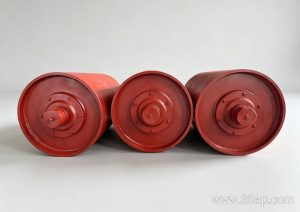
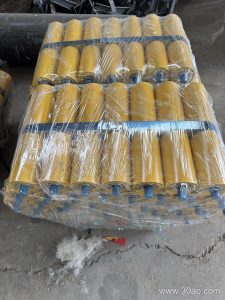
A carbon steel pulley is a core component of a belt conveyor, serving as a rotating drum that supports and drives the conveyor belt. The term refers to the pulley’s material: carbon steel is chosen for its strength, weldability, and cost-effectiveness, making it the standard construction for most industrial conveyor pulleys. In a typical bulk material handling line, you will find several carbon steel pulleys working together with idler rollers, conveyor brackets, and the belt itself to move material efficiently.
While the pulley is often called a conveyor pulley, its role depends on its location in the conveyor. Drive pulleys transmit power to the belt, tail pulleys provide the return bend and tension, and bend pulleys change the belt direction. These are distinct functions and not interchangeable. A carbon steel pulley can be built for any of these positions, with the design adapted to the specific load and duty.
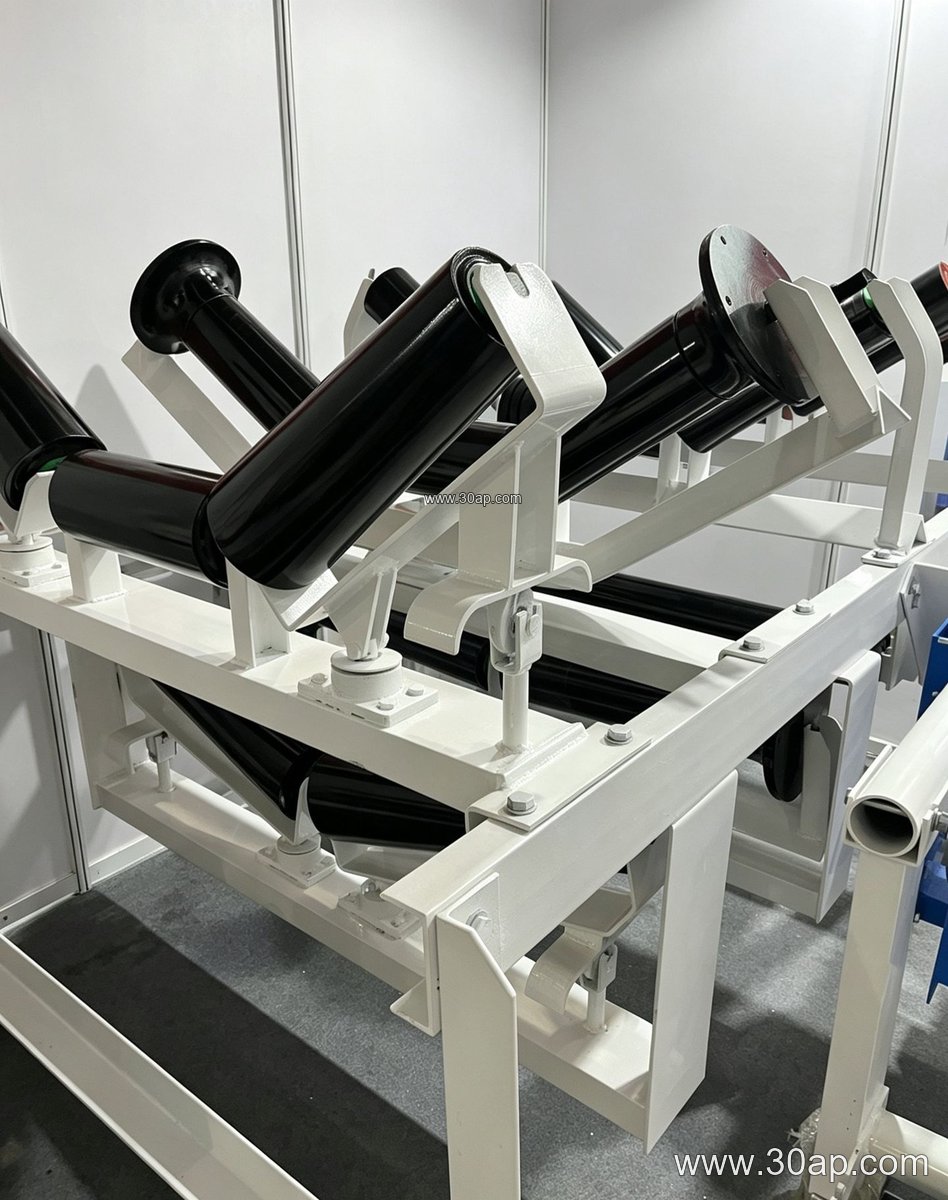
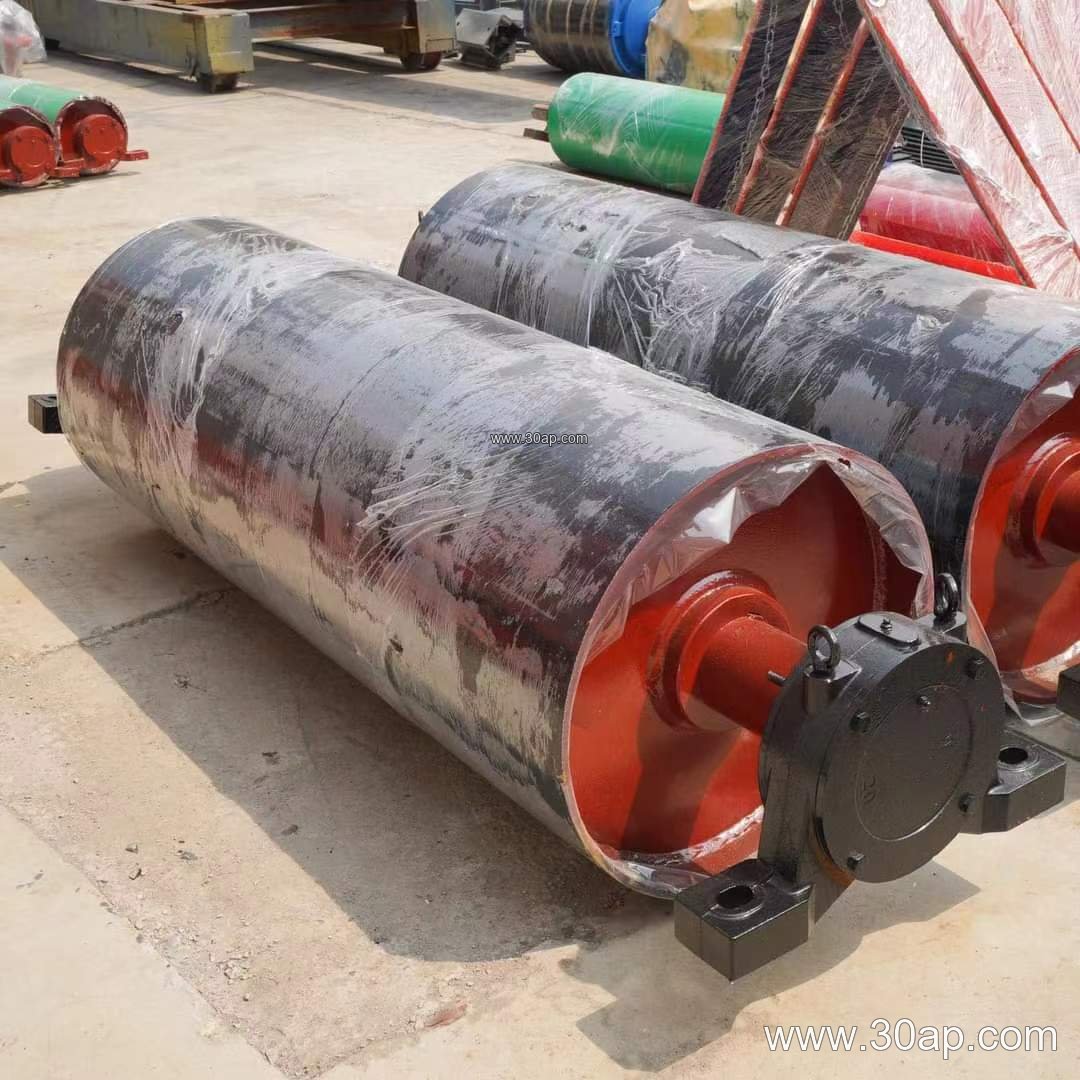
Construction and Key Components
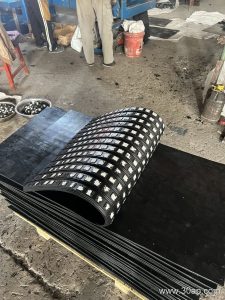
The basic structure includes a cylindrical shell, end discs, a shaft, and bearing housings. The shell is usually machined from seamless carbon steel pipe or rolled plate, then welded to the end discs. Shafts are sized by torque and load, with common diameters ranging from Ø50 to Ø200 mm. Bearings are selected according to the radial and axial forces expected in service. Surface treatment is a major consideration: plain finish, rubber lagging (cold-bonded or hot-vulcanized), diamond grooving, chevron grooving, or ceramic lagging. Lagging thickness commonly falls between 8 mm and 20 mm, depending on the required grip and wear life.
For reference, some typical shell width and diameter combinations include B800 × Ø500, B1200 × Ø1000, and B1400 × Ø800. However, no single belt width mandates one specific diameter; the final choice depends on belt tension, wrap angle, and space constraints. Shaft diameter is never derived from belt width alone—it is calculated from the actual torque and bending loads.
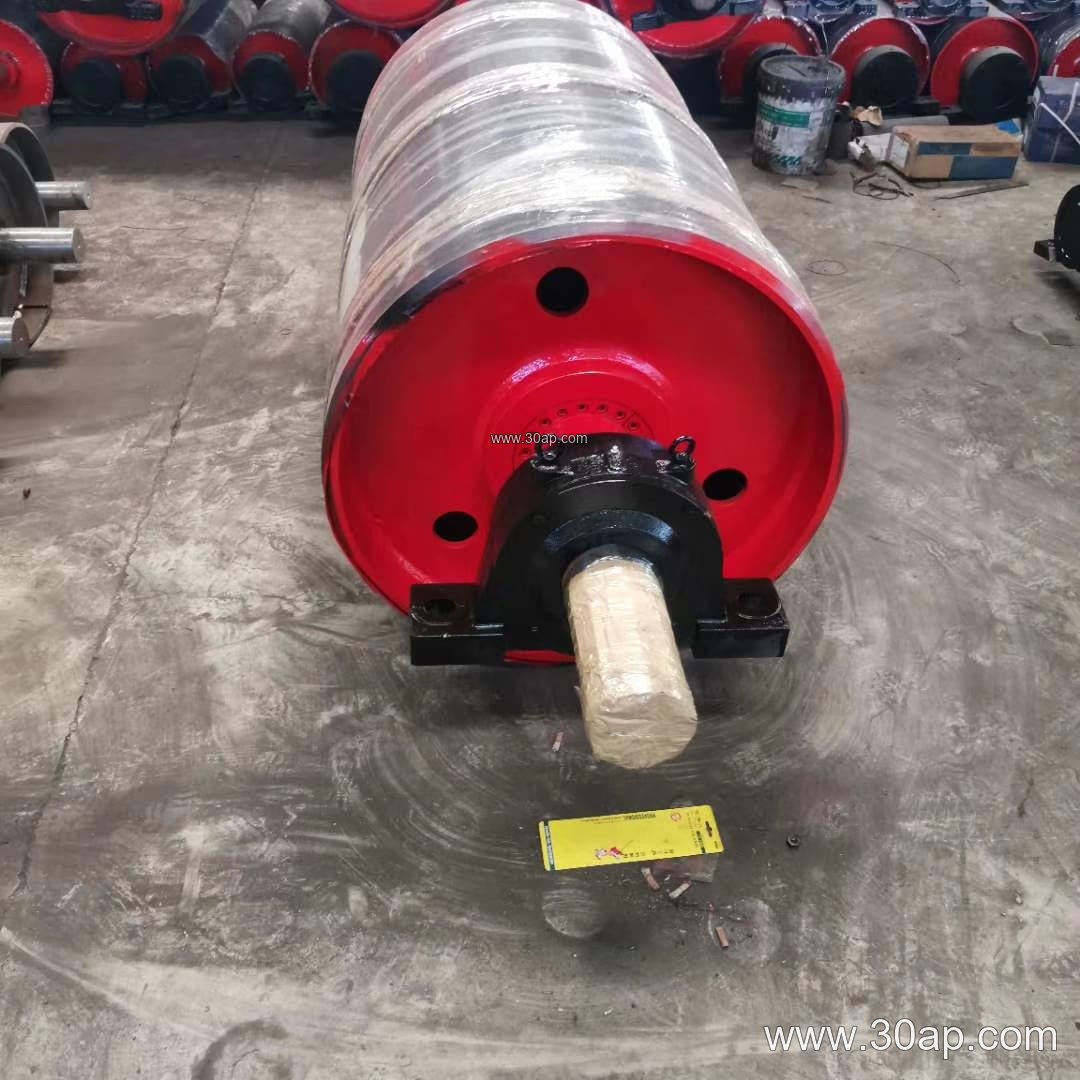
Where Carbon Steel Pulleys Are Used
These pulleys appear in almost every industry that relies on belt conveyors. In a quarry or aggregate plant, they handle abrasive rock and stone, often paired with an abrasion resistant conveyor belt. In a coal preparation plant or underground coal mining operation, flame retardant and anti-static properties are critical, and carbon steel pulleys work alongside fire resistant conveyor belt grades. Cement plants use them in clinker and raw material transport, where heat resistant conveyor belt may be needed near kilns. Power plants rely on them for coal handling, and steel mills use them in sinter and ore transport. Port bulk terminals and ship loading facilities also depend on heavy-duty carbon steel pulleys to keep conveyor systems running.
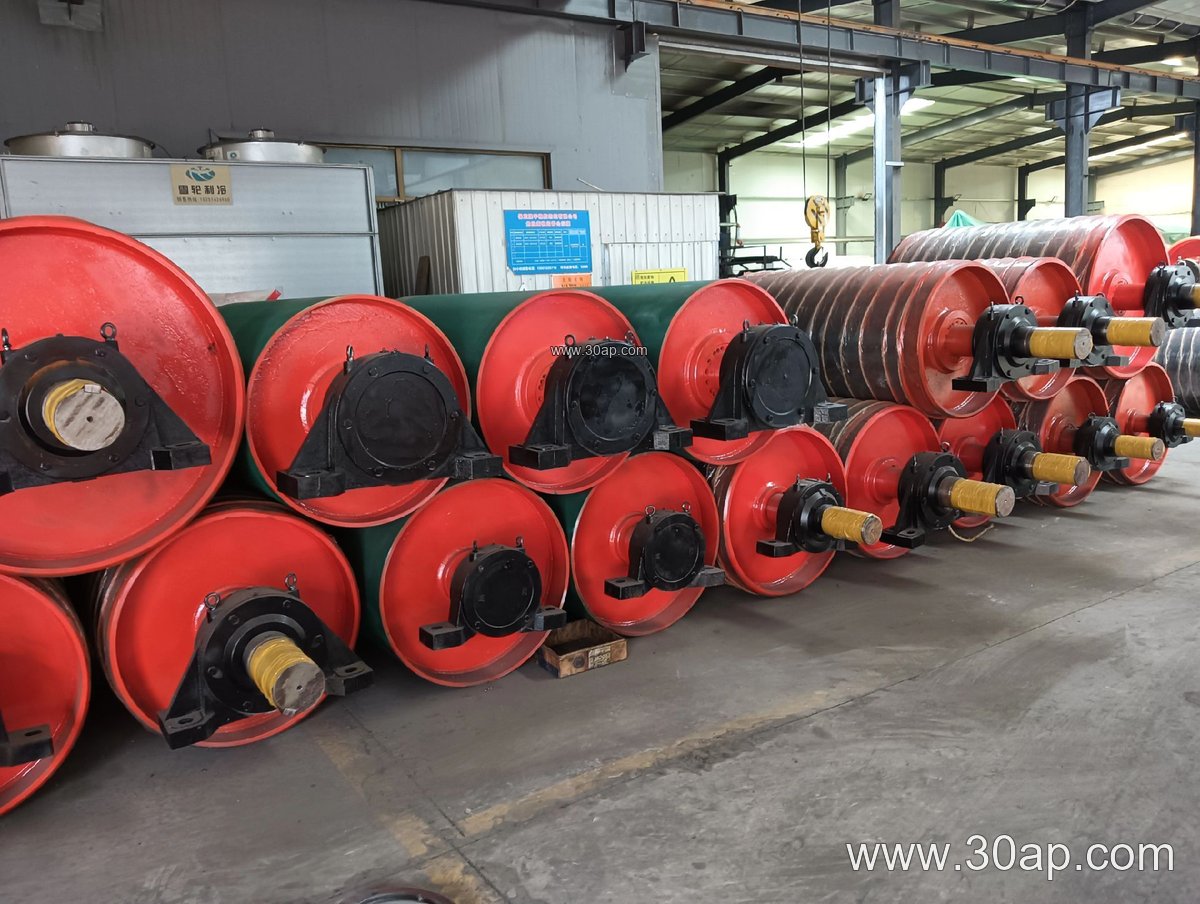
Other common settings include sand and gravel lines, crushing and screening circuits, fertilizer plants, and grain silos. In each case, the pulley must match the belt type—whether it is an EP conveyor belt, NN conveyor belt, steel cord conveyor belt, or a specialty belt such as chevron, corrugated sidewall, or pipe conveyor belt.
Selection and Maintenance Tips
Buyers should consider the pulley’s position (drive, tail, bend, take-up), the belt width and speed, the material being conveyed, and the environmental conditions. For example, a drive pulley in a dusty quarry may require ceramic lagging for grip, while a tail pulley in a coal mine might need a plain surface to avoid material buildup. Regular inspection of lagging wear, bearing condition, and shaft alignment helps prevent unplanned downtime. Lubrication schedules should follow the bearing manufacturer’s recommendations, and any replacement pulley should be balanced and aligned to the conveyor frame using accurate conveyor brackets.
When specifying a carbon steel pulley, provide the belt width, desired diameter, shaft size, lagging type and thickness, and any special requirements such as anti-static or corrosion protection. This information allows the manufacturer to supply a pulley that fits the conveyor and the duty.