What Is an NN Conveyor Belt
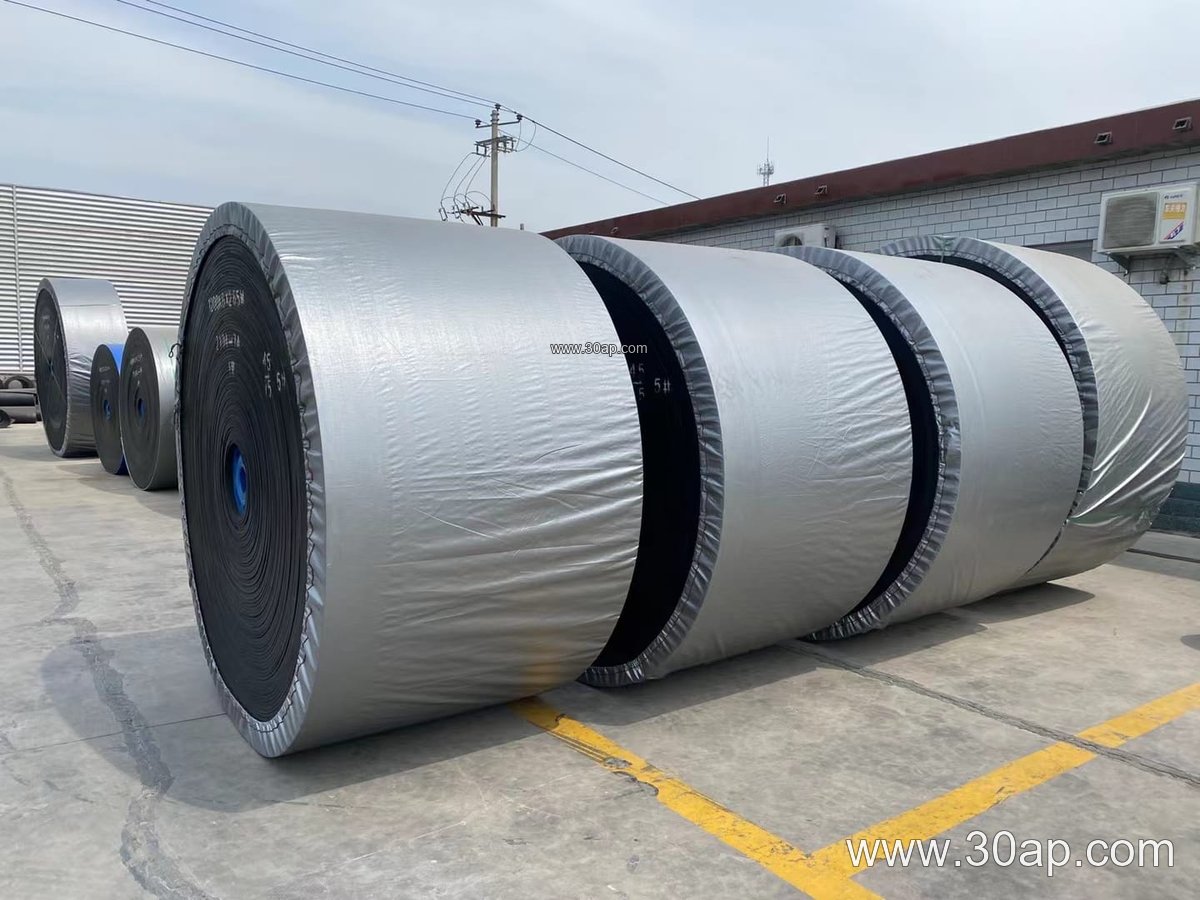
An NN conveyor belt is a fabric core conveyor belt built with nylon (NN) warp and weft cords in the carcass. The nylon fabric gives the belt high tensile strength, good flexibility, and strong resistance to fatigue, which makes it a practical choice for bulk material conveyor lines in mining, coal preparation, cement plants, power stations, and sand and gravel yards. As a type of fabric core conveyor belt, it sits between lighter cotton or EP constructions and steel cord belts in terms of load capacity and splice behavior.
The product is often called a nylon conveyor belt or an NN fabric belt. It is not a replacement for a steel cord conveyor belt in very long, high-tension lines, and it is not the same as an EP conveyor belt, which uses polyester warp and nylon weft. Each has its place, and the right choice depends on the conveyor profile, the material, and the required safety properties.
Construction and Build
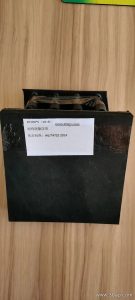
The carcass usually consists of two to six plies of NN fabric, bonded with rubber skim compound and protected by top and bottom cover rubber. Cover thickness is commonly expressed as a pair, for example 4+2 mm, 5+2 mm, or 6+2 mm, with thicker covers for abrasive rock, ore, and aggregate duty. The rubber grade can be selected for abrasion resistance, heat resistance, oil resistance, flame retardancy, anti-static behavior, or cold resistance, depending on the site.
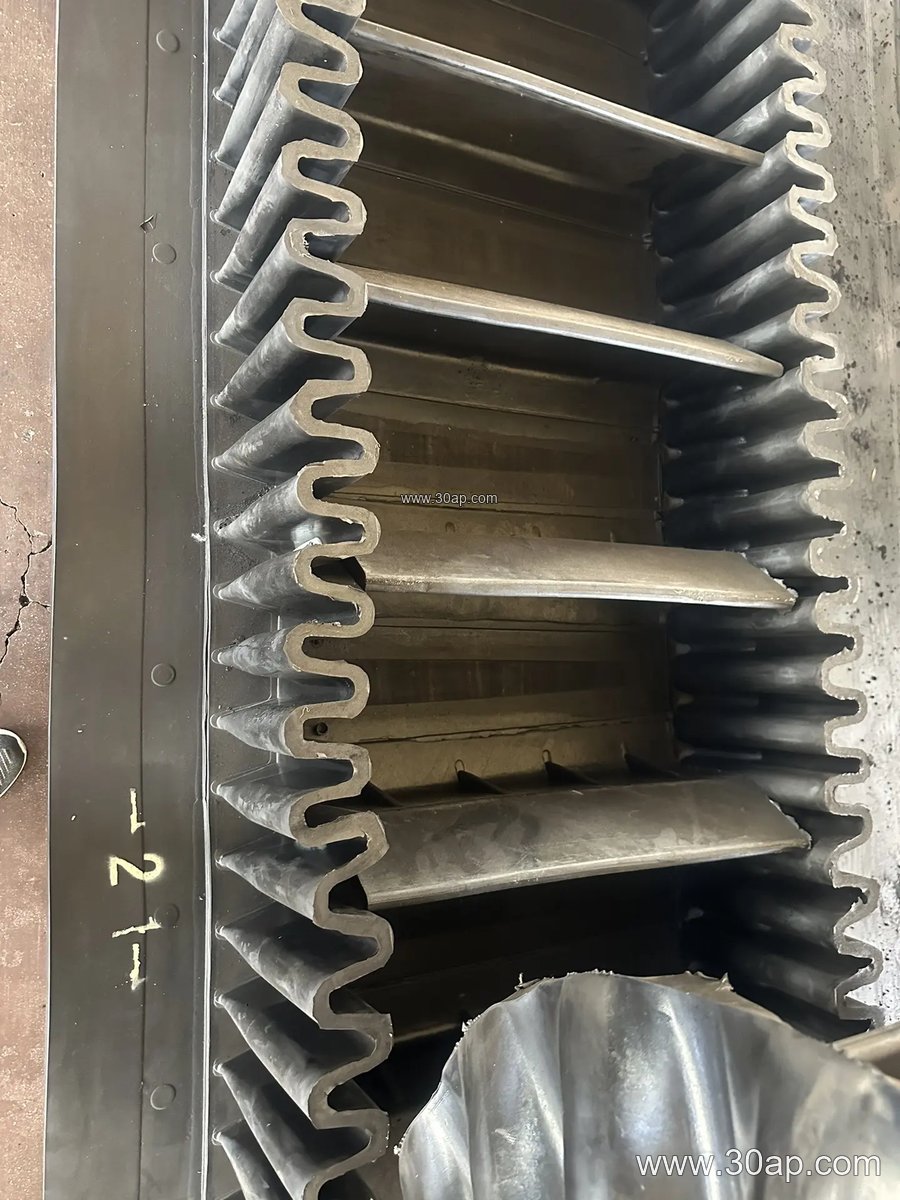
Edge construction matters as well. Cut edges are common for general bulk material handling, while molded edges help resist fraying in wet or highly abrasive service. For steep inclines, a chevron conveyor belt or a corrugated sidewall belt may be considered, but those are different surface forms and should not be confused with the standard NN belt itself.
Common Strength Grades and Dimensions
NN belts are often specified by nominal tensile strength per unit width. Common grades include NN100, NN200, NN300, and NN400. These values are reference points, not a universal guarantee, and the final selection should follow the conveyor design and the manufacturer’s data. Belt width is usually matched to the conveyor frame and material size; common widths include B500, B650, B800, B1000, B1200, B1400, B1600, B1800, and B2000. A wider belt is not automatically better, and one belt width does not dictate a single pulley diameter or shaft size.
| Parameter | Typical reference values | Notes |
|---|---|---|
| Strength grade | NN100, NN200, NN300, NN400 | Select by calculated belt tension |
| Number of plies | 2 to 6 | Depends on strength and impact |
| Belt width | B500 to B2000 | Match to frame and lump size |
| Cover thickness | 3+1.5, 4+2, 5+2, 6+2, 8+3 mm | Thicker for abrasive duty |
Where NN Belts Are Used
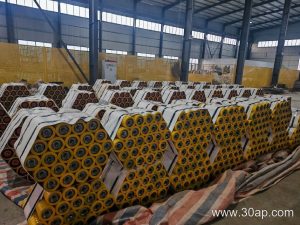
In a quarry conveyor belt line, an NN belt can carry crushed stone from a crusher to a screening station. In a cement plant, it may move clinker, limestone, or raw meal over moderate distances. Coal mining conveyor systems often use flame retardant and anti-static grades, while power plants handle coal and ash with abrasion resistant covers. Sand and gravel yards, ports, and recycling plants also use these belts on troughed idler roller frames.
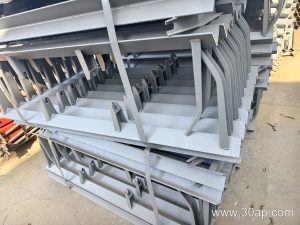
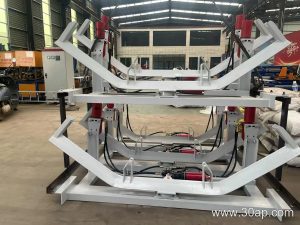
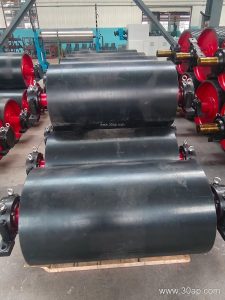
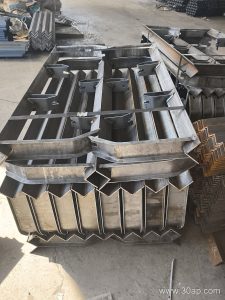
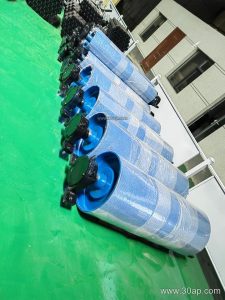
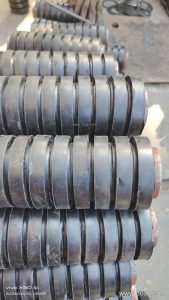
The belt works with conveyor pulleys at the head and tail, and with carrying and return idlers along the run. Drive pulleys, tail pulleys, and bend pulleys each have a different role, so they should be specified separately. Conveyor brackets and frames should be checked for alignment, because a belt that runs off-center wears quickly regardless of its cover grade.
Buyer Checklist
- Confirm the duty: material type, lump size, moisture, temperature, and oil or chemical exposure.
- Check whether flame retardant or anti-static properties are required for underground coal mining or dusty environments.
- Review the conveyor tension calculation before choosing NN100, NN200, NN300, or NN400.
- Match cover thickness and rubber grade to abrasion, impact, and heat conditions.
- Ask about splice method and edge type, since these affect belt life and installation time.
- Inspect pulley diameters, idler spacing, and loading chutes to avoid unnecessary belt stress.
An NN conveyor belt is a versatile fabric-reinforced option for many bulk material lines. When the specification is matched to the conveyor design and the operating environment, it can deliver reliable service in mines, quarries, cement works, and power plants.