What a Conveyor Leg Does on a Belt System
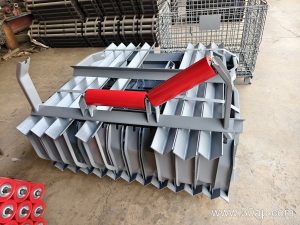
A conveyor leg is the vertical support that carries the load of the belt line down to the floor, foundation, or steel structure. It works together with the crossbeam, the idler roller frame, and the conveyor bracket to keep the trough at the right height and angle. In a quarry, a limestone mine, or a cement plant, the legs are often the first parts an installer sets before the pulleys and belt are aligned. The leg is not a pulley: drive, tail, and bend pulleys each have their own function, and none of them can replace a support leg.
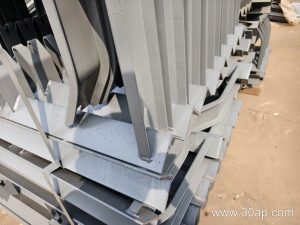
Legs are usually made from angle steel, channel steel, or folded steel plate. The material choice follows the load and the environment rather than a single standard. A dusty aggregate line and a wet tunnel discharge point may call for different surface protection, so buyers should confirm the finish with the supplier.
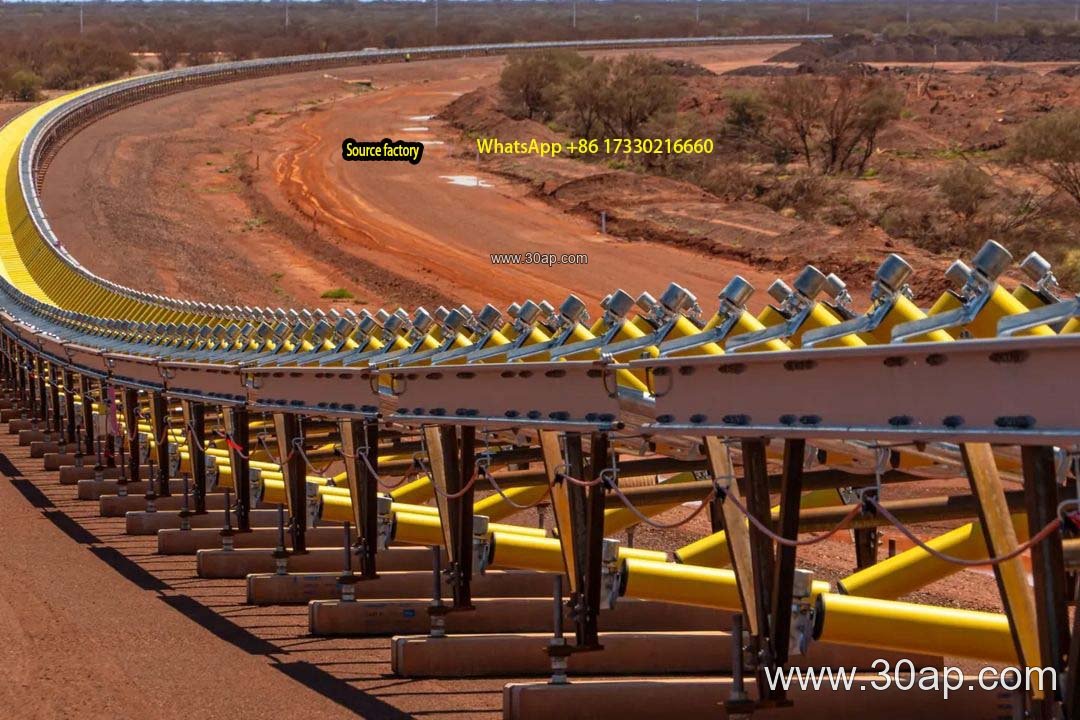
How the Leg Connects to the Rest of the Line
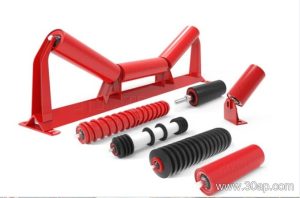
A leg is rarely a standalone item. It bolts to a conveyor bracket, which in turn holds the idler roller frame. The frame sets the trough angle, and the leg sets the elevation. When a steel cord conveyor belt runs at high tension, the legs and their anchor points must be stiff enough to resist vibration. For a fabric core conveyor belt on a shorter run, a lighter leg section may be enough, but the decision belongs to the design engineer, not to a catalogue page.
Common leg arrangements include fixed and adjustable versions. An adjustable conveyor leg can correct small height differences on site, which helps when the floor is uneven or when a transition section needs fine tuning. Fixed legs are simpler and often used where the foundation is already level. On a long overland line, a mix of both is normal.
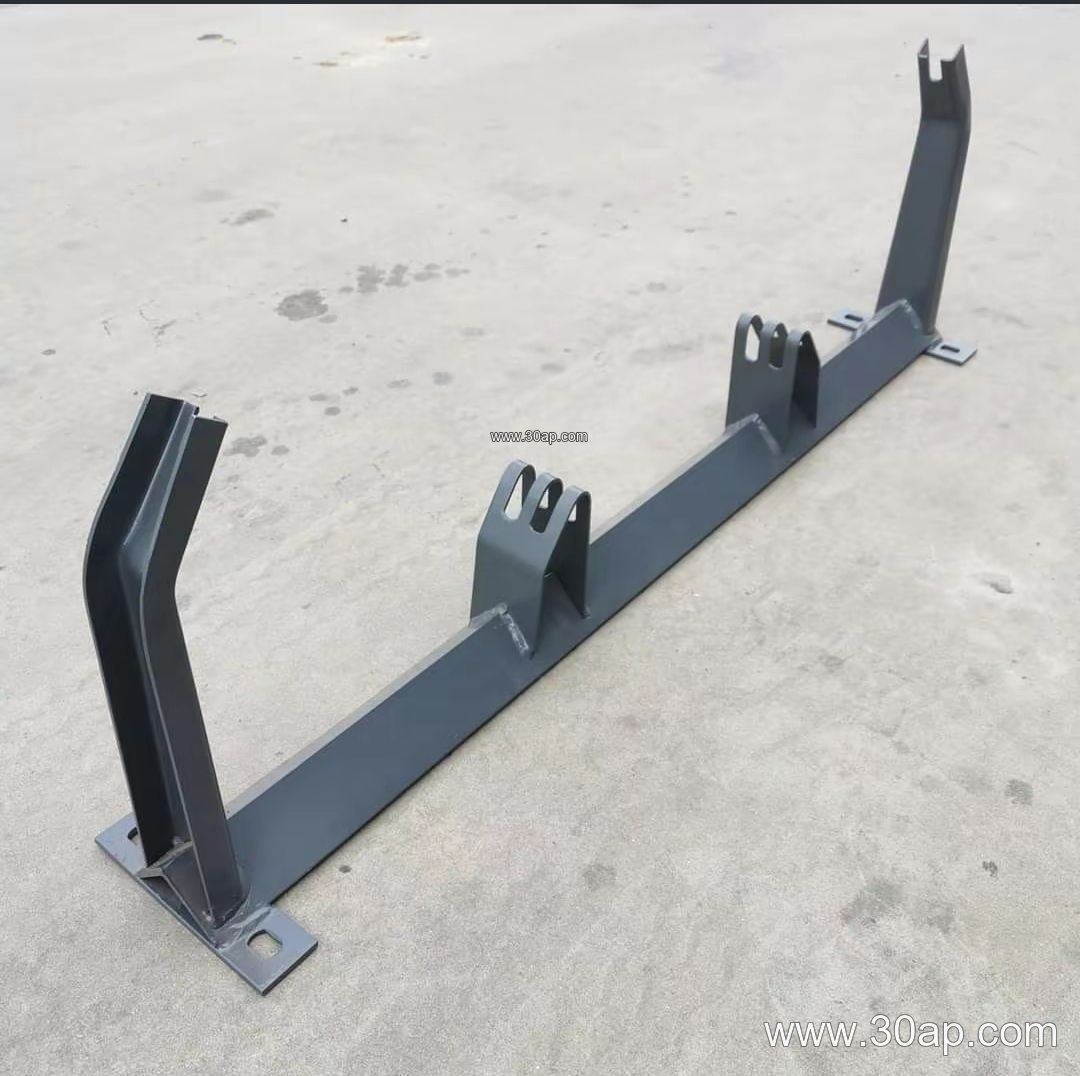
Where Conveyor Legs Are Used
These supports appear wherever a belt conveyor needs elevation: crushing and screening circuits, cement kiln feed lines, power plant coal handling, port ship loading, and steel plant sinter transport. In a coal mining conveyor belt system, legs must cope with dust and occasional washdown. In a fertilizer or grain silo plant, corrosion resistance may matter more than raw strength. The same basic part can serve many industries, but the specification should match the site.
Legs also work alongside other components. A skirted conveyor belt or corrugated sidewall conveyor belt may need extra support at the loading point, and impact resistant conveyor belt sections often sit above reinforced legs and buffer idlers. None of these belt types changes the leg into a pulley or an idler; they simply add load cases the support must handle.
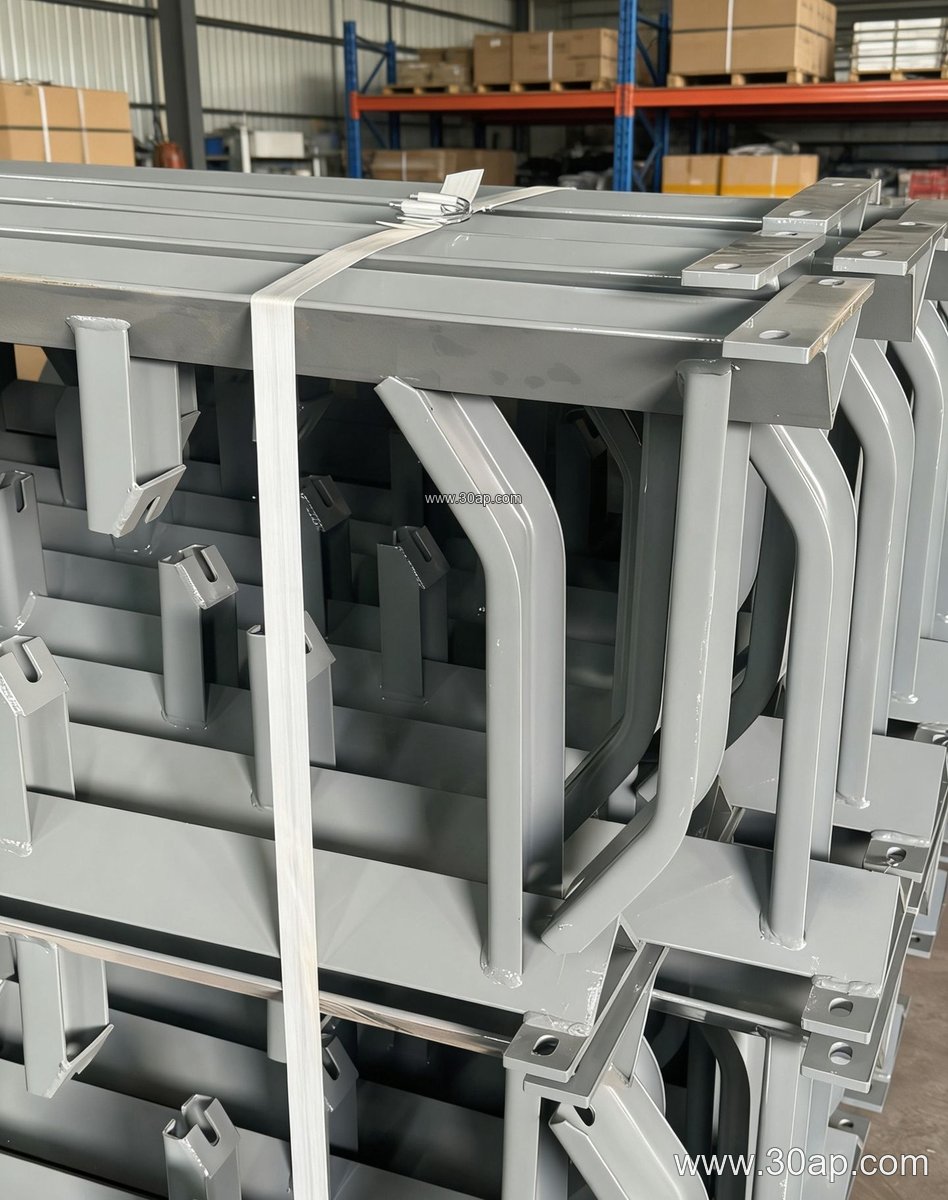
Matching Legs to Belt Width and Idler Size
Band width and idler diameter influence the crossbeam length and the leg spacing. There is no rule that one belt width can only match one pulley diameter, and the same applies to legs and rollers. The table below shows reference combinations that are common in design discussions; actual values are set by the conveyor designer.
| Reference Combination | Typical Use |
|---|---|
| B650, 30 degree, Ø89 | Light aggregate or sand line |
| B800, 35 degree, Ø108 | General quarry and cement duty |
| B1000, 35 degree, Ø133 | Medium bulk material transport |
| B1200, 45 degree, Ø133 | High capacity stockyard or port line |
| B1400 to B1800, 35 to 45 degree, Ø159 to Ø194 | Heavy duty mining and ore transport |
Installation hole spacing and beam length vary with belt width and trough angle, so they should be confirmed on the drawing rather than copied from a general table. Trough angles of 20, 30, 35, and 45 degrees are common, and a tilting or forward-leaning idler frame of about 1.5 to 2 degrees is sometimes used for belt training.
Buyer Checklist Before Ordering
- Confirm the belt width, trough angle, and idler roller diameter with the conveyor layout.
- State the mounting condition: floor, concrete foundation, or steel structure.
- Ask whether fixed or adjustable legs suit the site, and how much height adjustment is available.
- Check the surface treatment against dust, moisture, or chemical exposure.
- Review the connection to the conveyor bracket and crossbeam, not just the leg alone.
- For heavy lines with steel cord conveyor belt or thick EP conveyor belt, confirm the load rating with the engineer.
A well chosen conveyor leg keeps the whole belt line steady, protects the idler roller and pulley alignment, and reduces maintenance surprises. Buyers who treat it as a structural part rather than an accessory usually get a smoother running conveyor.