What a Conveyor Frame Does
A conveyor frame is the structural backbone that holds the idlers, pulleys, and belt in alignment. Often called a conveyor support frame or conveyor bracket assembly, it carries the weight of the belt, material, and moving parts while keeping everything in the correct position. Without a properly designed frame, the belt will wander, spill material, and wear out quickly. The frame is not just a static support; it determines the belt path, the trough shape, and how easily components can be serviced or replaced.
How a Conveyor Frame Is Built
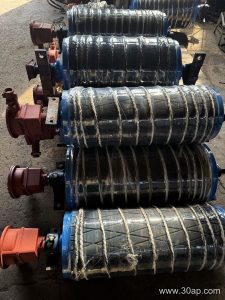
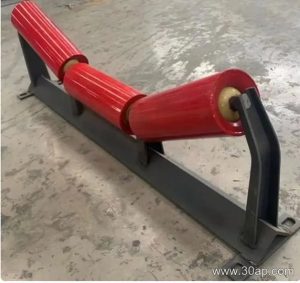
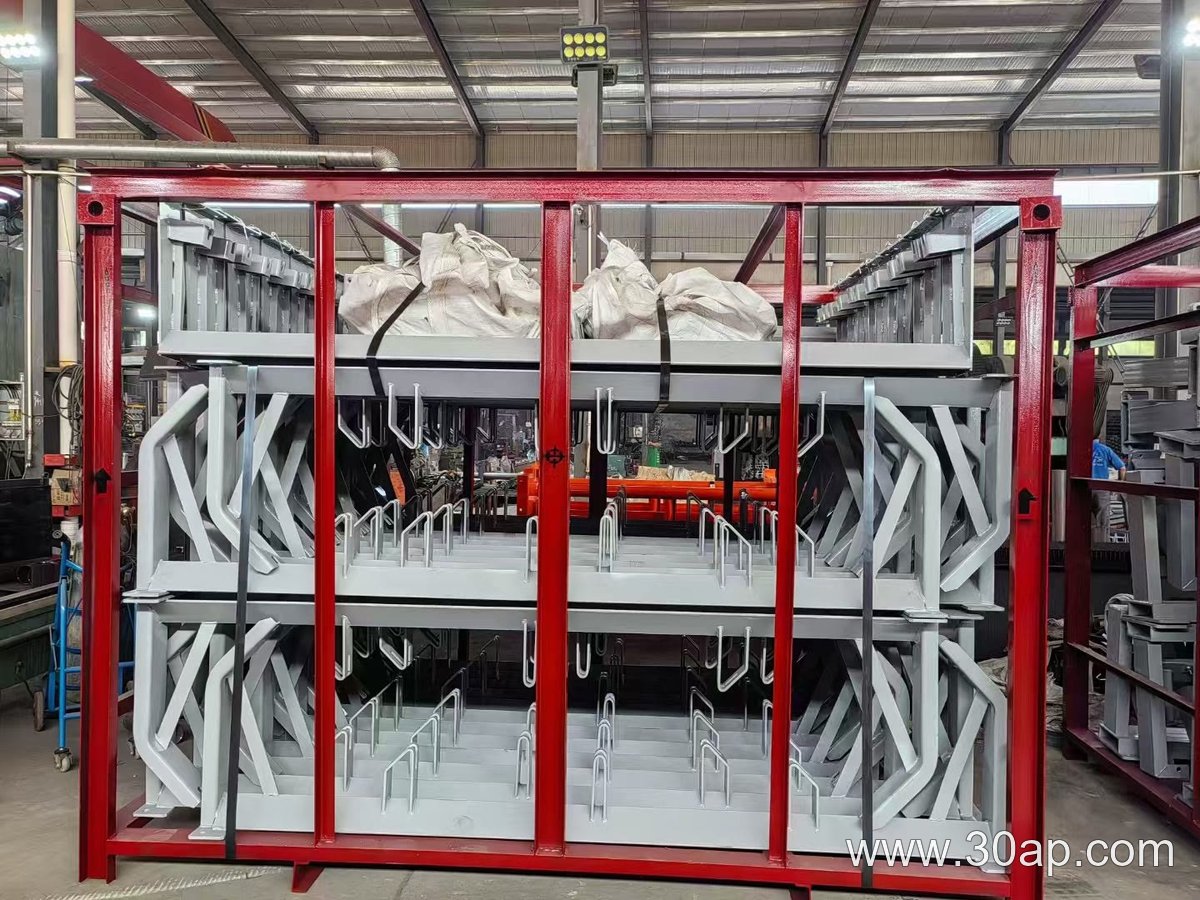
Most frames are fabricated from angle iron, channel steel, or folded steel plate. The choice depends on the load, belt width, and environmental conditions. A typical frame consists of longitudinal stringers, cross members, and mounting pads for idlers. For a troughed section, the frame holds three or more idlers at a set trough angle. Common trough angles include 20, 30, 35, and 45 degrees. Adjustable frames allow the same structure to be set to different angles, while fixed frames are welded or bolted at one angle. Return sections often use a flat or V-shaped frame to support the empty belt. The frame also provides attachment points for a conveyor pulley at the head or tail end, though the pulley itself is a separate component with its own shaft and bearings.
Key Types and Their Roles
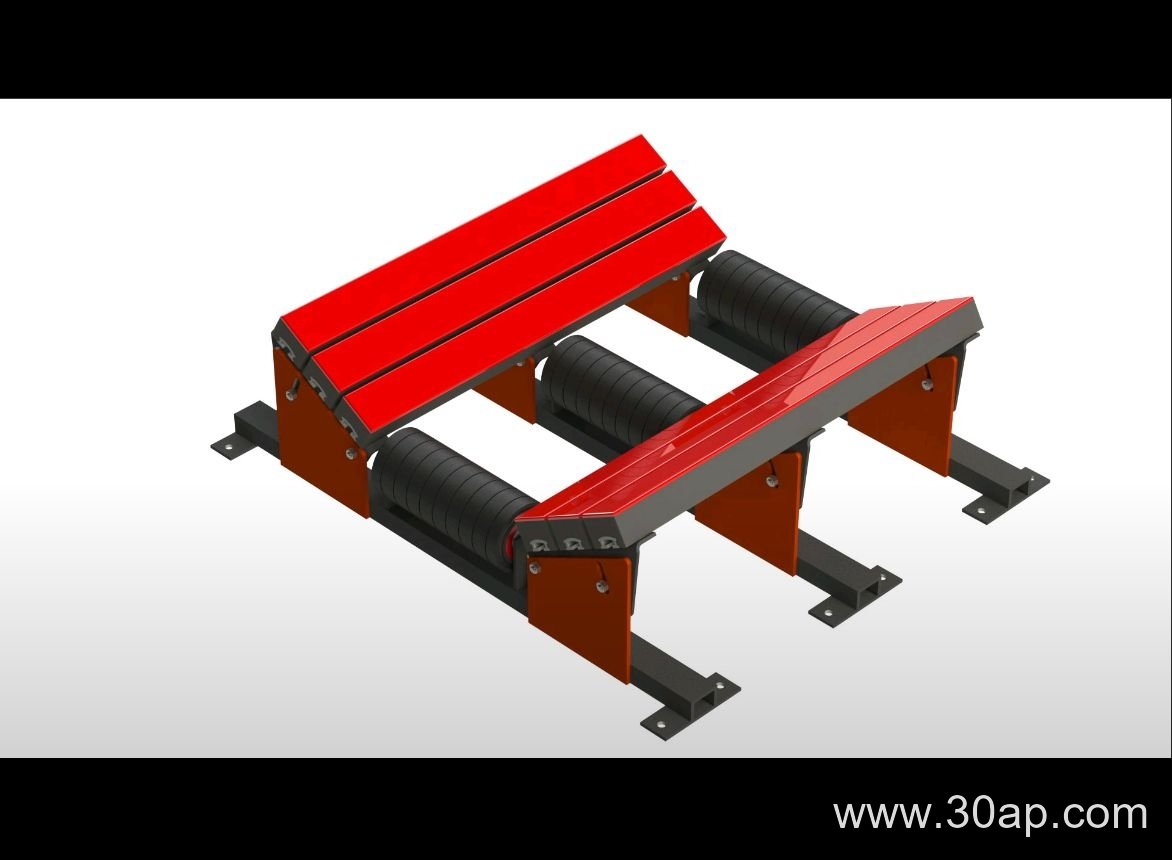
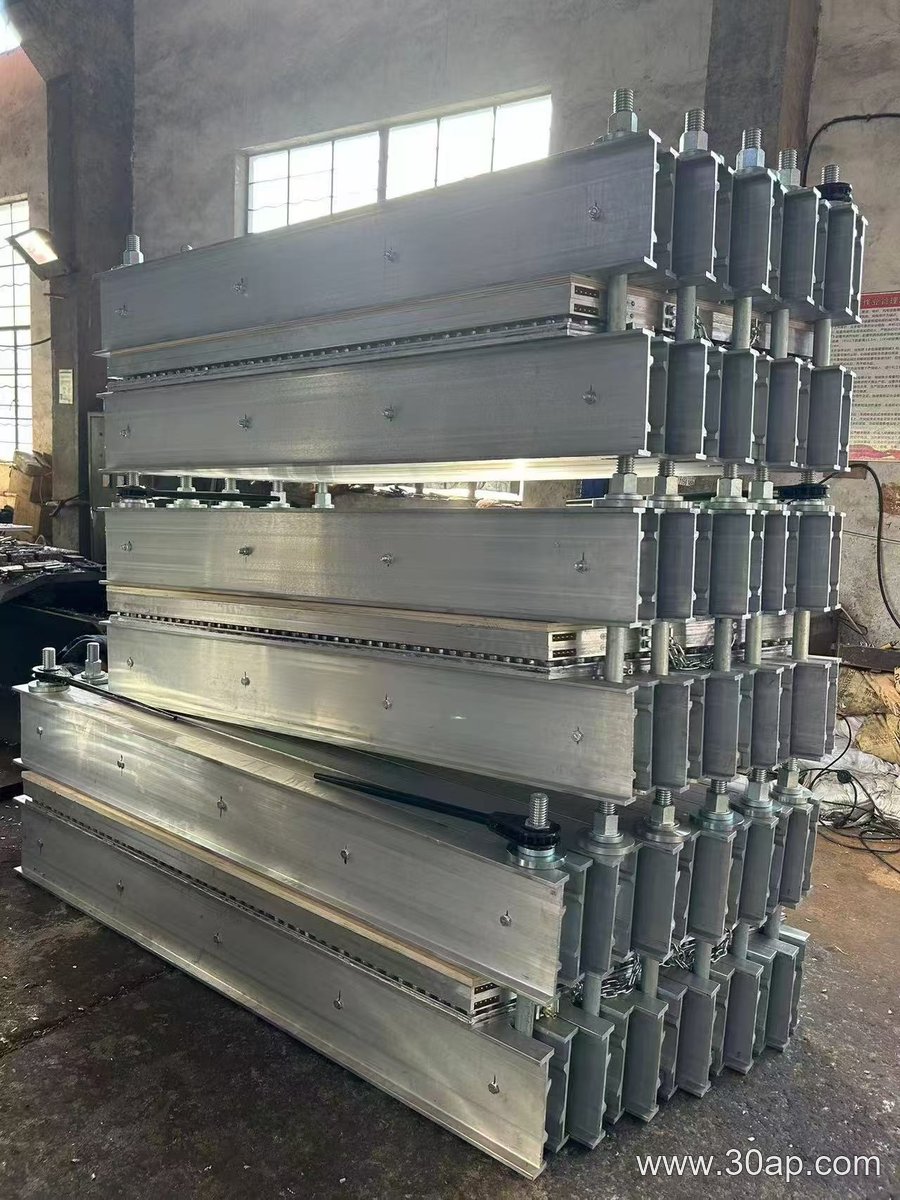
Several frame variants exist, each suited to a specific part of the conveyor line. A troughing idler frame supports the carrying side of the belt and is the most common type. A transition frame sits between the head pulley and the first troughing station, gradually shaping the belt from flat to troughed. A return frame supports the belt on its way back. V-return frames help center the belt and shed debris. Impact frames, often fitted with buffer idlers, absorb the force of falling material at loading points. Self-aligning frames use pivoting idlers to correct belt tracking. Suspended frames hang from a wire rope or chain, useful where floor space is limited. Adjustable frames let maintenance staff fine-tune the trough angle or belt alignment without cutting and re-welding. A fixed frame is simpler and more rigid but offers no field adjustment.
Where Conveyor Frames Are Used
You will find conveyor frames in almost any bulk material handling operation. In a quarry or limestone mine, they support belts that carry crushed rock from the crusher to the stockpile. In a cement plant, they handle clinker, limestone, and additives. Coal-fired power plants use them on coal feed lines, while port terminals rely on them for loading and unloading ships. Other common settings include sand and gravel pits, iron ore mines, fertilizer plants, and grain silos. Each location imposes its own demands: abrasive dust, corrosive moisture, or heavy impact. The frame material and coating should match those conditions. For example, a frame in a wash plant may need galvanized or stainless steel construction, while a dry quarry might use painted carbon steel.
Matching Frame to Belt and Idler
The frame must match the belt width and the idler roller diameter. Common belt widths include B500, B650, B800, B1000, B1200, B1400, B1600, B1800, B2000, and B2200. Idler diameters typically range from Ø89 to Ø194. A frame for B800 might use Ø108 idlers at a 35-degree trough angle, while a B1200 frame could use Ø133 idlers at 45 degrees. These are examples, not fixed rules. The same belt width can work with different idler diameters and trough angles depending on the load, speed, and material characteristics. The frame’s mounting hole spacing and crossbeam length are determined by the belt width and trough angle, so they are not universal. When selecting a frame, consider the required trough angle, the idler diameter, the belt width, and the available space. Also check whether you need a fixed or adjustable design. Adjustable frames are helpful during commissioning or when material properties change. Fixed frames are often preferred for high-vibration or heavy-duty applications where movement is undesirable.
What Buyers Should Know
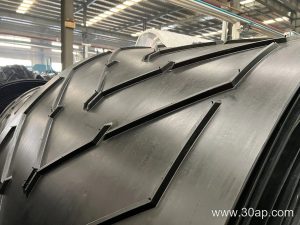
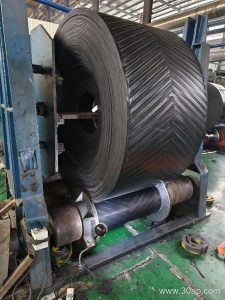
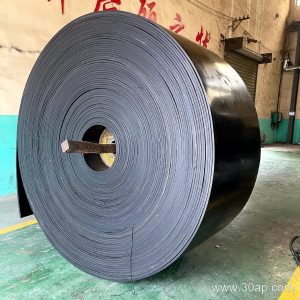
Before ordering a conveyor frame, gather a few key details. Confirm the belt width, the desired trough angle, the idler diameter, and the mounting dimensions. Decide whether the frame must be adjustable or can be fixed. Ask about the material and surface treatment, especially if the conveyor runs outdoors or handles wet or corrosive material. Check that the frame will accept the conveyor pulley at the terminal ends and that the transition distance is appropriate for the belt type. Remember that a conveyor frame works as part of a system with the conveyor belt, idler rollers, and pulleys. A mismatch in any of these can cause tracking problems, premature wear, or spillage. Finally, consider maintenance access. A frame that allows easy idler replacement will save time and labor over the life of the conveyor.