What Makes a Thick Conveyor Belt Different
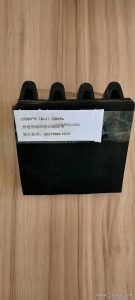
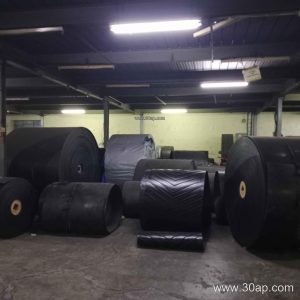
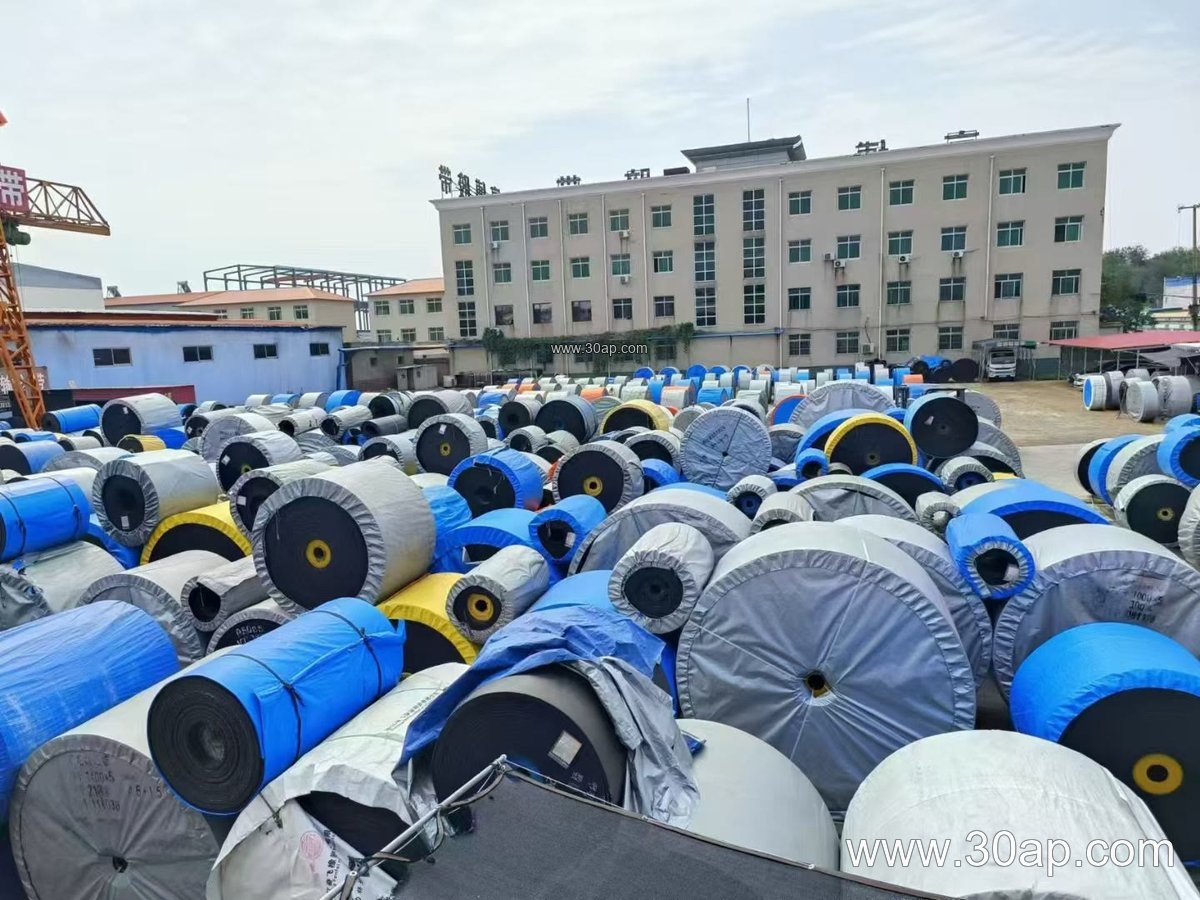
A thick conveyor belt is a heavy-duty belt built with a deep rubber cover and a strong carcass to survive abrasive, high-impact service. In mines, quarries, cement works, power plants and sand and gravel yards, the belt is often the cheapest part of the conveyor to replace but the most expensive to lose, so buyers specify extra cover thickness and a robust core. The product is still an ordinary rubber conveyor belt in principle; what changes is the total thickness, the cover grade and the fabric or steel reinforcement inside.
Construction and Materials
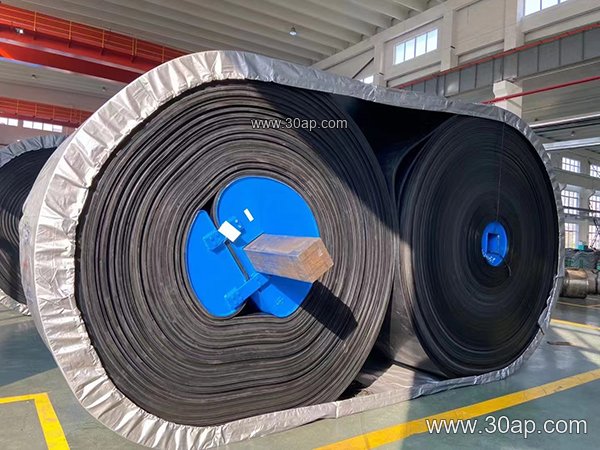
Most thick belts use a multi-ply fabric core or a steel cord core. In a multi-ply fabric core conveyor belt, several layers of EP or NN fabric are bonded under heat and pressure, then covered with top and bottom rubber. A steel cord conveyor belt replaces the fabric with parallel steel wires for very long runs and high tension. Cover compounds are chosen for the duty: abrasion resistant, heat resistant, oil resistant, flame retardant, anti-static or cold resistant grades. Edge construction, skim coats and the bond between plies all affect how long the belt survives under a crusher or at a transfer point.
Typical Specifications
Values below are common reference data. Actual thickness, strength and cover grade are confirmed by design for each conveyor, and different manufacturers offer different ranges.
| Parameter | Common options |
|---|---|
| Belt type | EP, NN, steel cord, PVG, PVC |
| Strength grade | EP200, EP315, EP400, EP500, EP630, EP800, EP1000, EP1250, EP1600, EP2000 |
| Belt width | B500, B650, B800, B1000, B1200, B1400, B1600, B1800, B2000 |
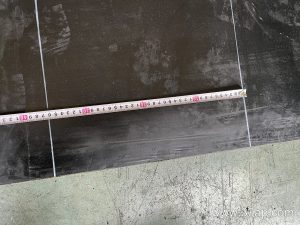
| Cover thickness (top + bottom) | 3+1.5, 4+2, 5+2, 6+2, 8+3 mm |
| Carcass plies | 2 to 6 layers, depending on grade |
A belt described as EP Conveyor Belt, 10mm Thick is a typical example of the category; the same product may also be called a heavy-duty conveyor belt when the cover and carcass are both upgraded.
Where Thick Belts Are Used
Thick covers suit primary crushing, ore transfer, coal handling and clinker transport. A quarry conveyor belt or crusher conveyor belt sees sharp rock and repeated impact, so an abrasion resistant conveyor belt with a thicker top cover reduces gouging. Underground coal mining conveyor belts need flame retardant and anti-static properties, often with a PVG cover. Cement plants and power plants handle hot clinker and ash, where a heat resistant conveyor belt is specified. Ports and ship loading terminals use wide belts, sometimes 1200mm wide conveyor belt or 1800mm wide conveyor belt sizes, to move bulk material at high tonnage.
Matching Belts to Pulleys, Idlers and Brackets
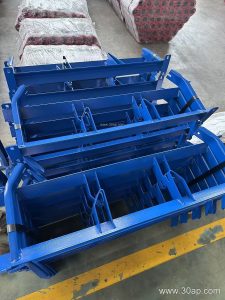
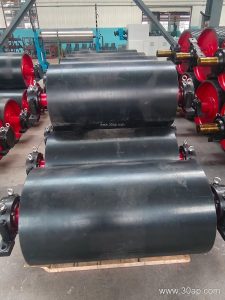
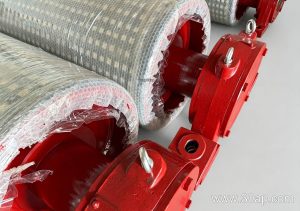
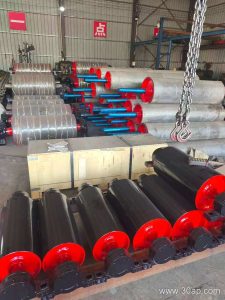
A thick belt is heavier and stiffer, so the conveyor structure must be checked. Drive pulleys, tail pulleys and bend pulleys are not interchangeable; each has its own diameter, lagging and shaft requirement, and the belt width alone does not fix any of them. Idler roller spacing, trough angle and conveyor bracket strength should be reviewed for the extra weight. A belt that is too stiff for small pulleys may not track well, so pulley diameter is confirmed from the belt construction and tension, not from width alone.
Buyer Checklist
- Confirm the duty: abrasion, impact, heat, oil, fire or cold.
- State the required strength grade and number of plies or steel cord class.
- Give the belt width and the pulley diameters on the existing conveyor.
- Check cover thickness against the loading point and material size.
- Ask for the edge and splice details, since a thick belt is often joined on site.
- Review the conveyor pulley, idler roller and bracket arrangement before ordering.
For a reliable quote, describe the material, throughput, belt speed and conveyor layout. A supplier can then propose the right thick conveyor belt grade without over-specifying or under-specifying the cover and carcass.