What a Mining Fire Resistant Conveyor Belt Is
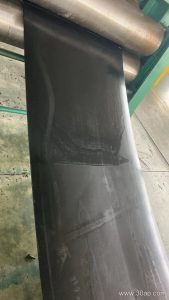
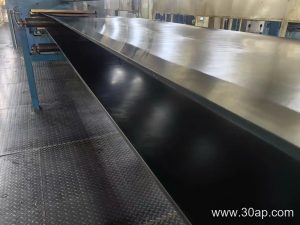
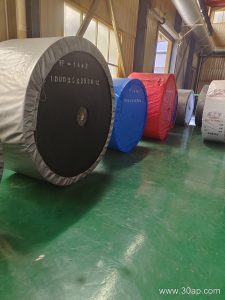
A mining fire resistant conveyor belt is a heavy-duty rubber belt engineered to carry coal, ore, and other bulk materials while resisting ignition and limiting flame spread. In underground coal haulage and in surface plants where combustible dust is present, this flame-retardant conveyor belt is often specified instead of a standard general-purpose belt. The product is also called a fire-resistant rubber conveyor belt or a flame-retardant mine belt, and those names describe the same article.
Fire resistance is not a coating added at the end. It comes from the compound recipe used in the cover and the skim rubber between the carcass plies, plus the choice of carcass. The belt still has to carry load, track over pulleys, and survive impact at the loading point, so flame resistance is balanced against tensile strength, abrasion resistance, and flex fatigue.
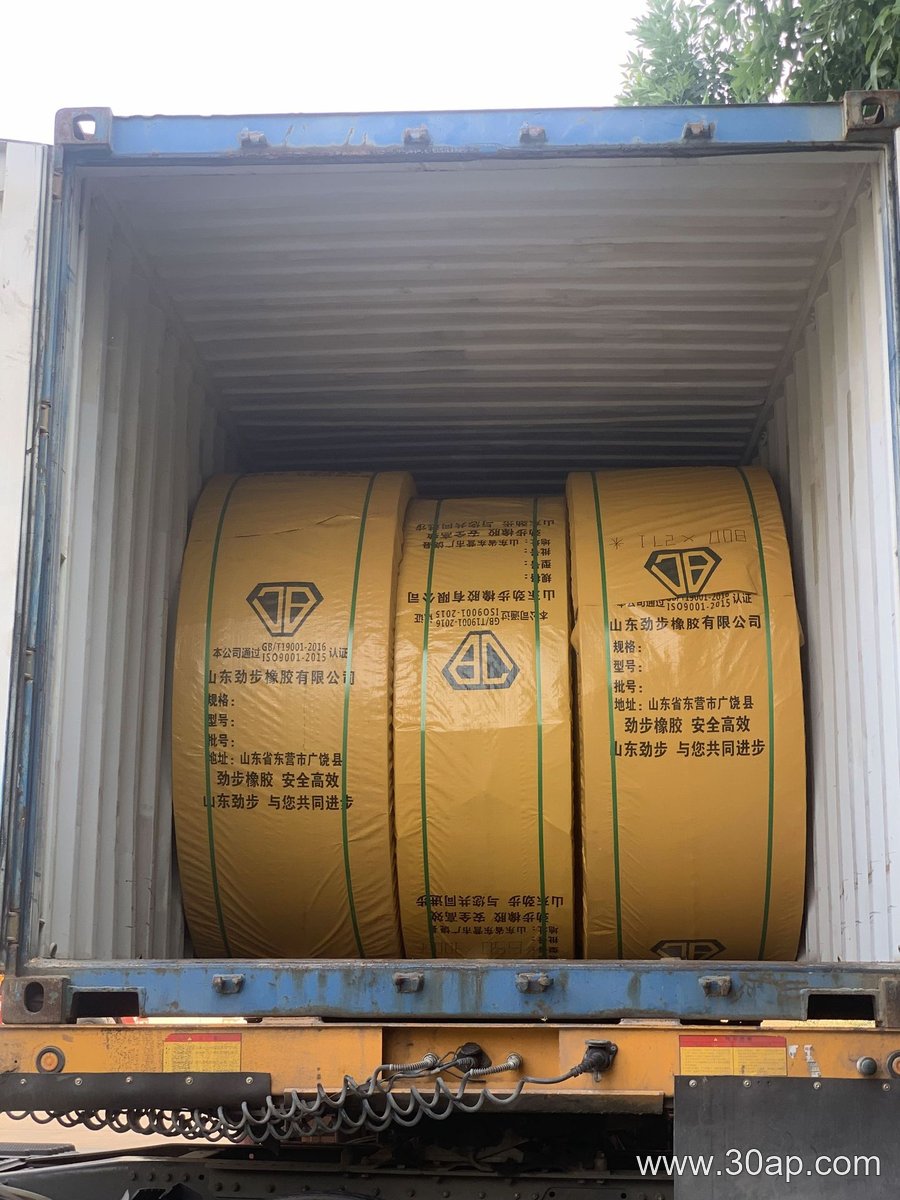
How the Belt Is Built
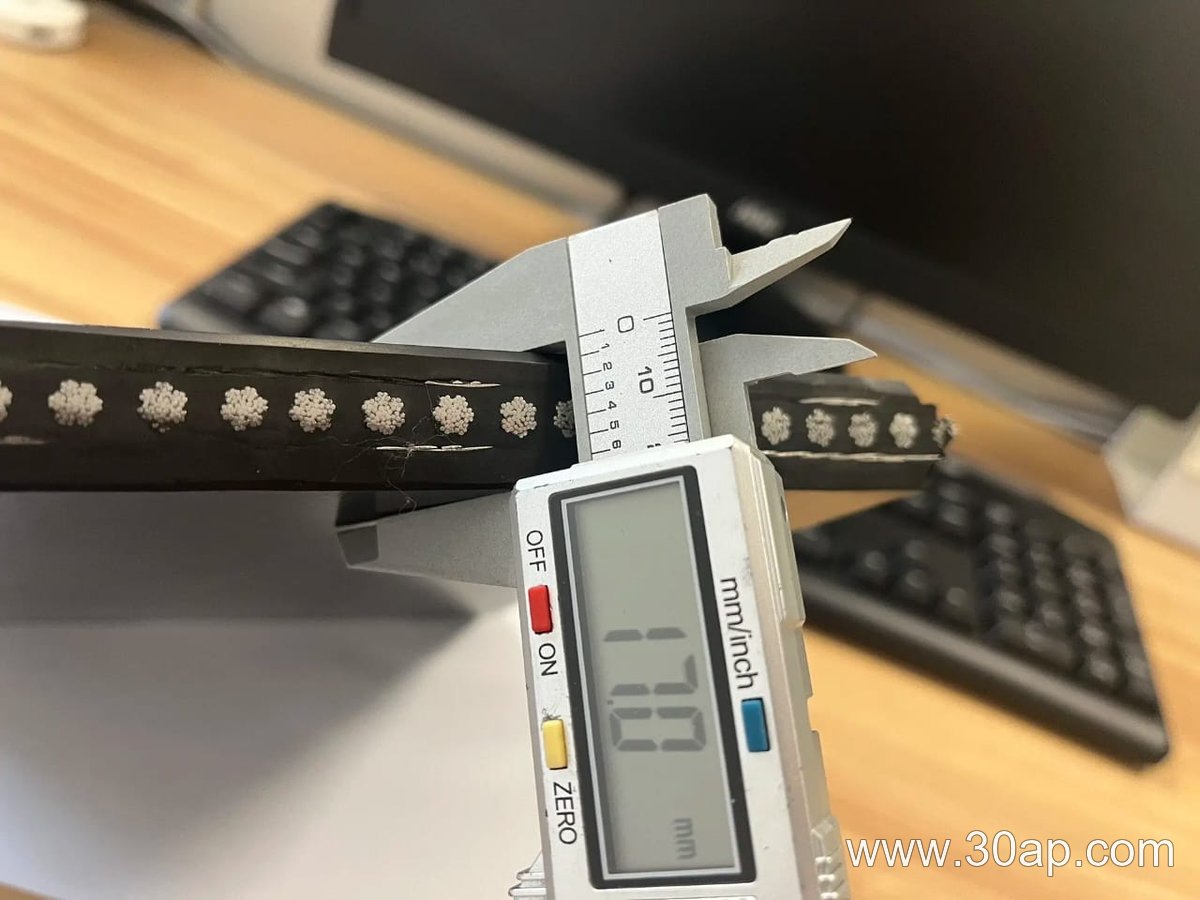
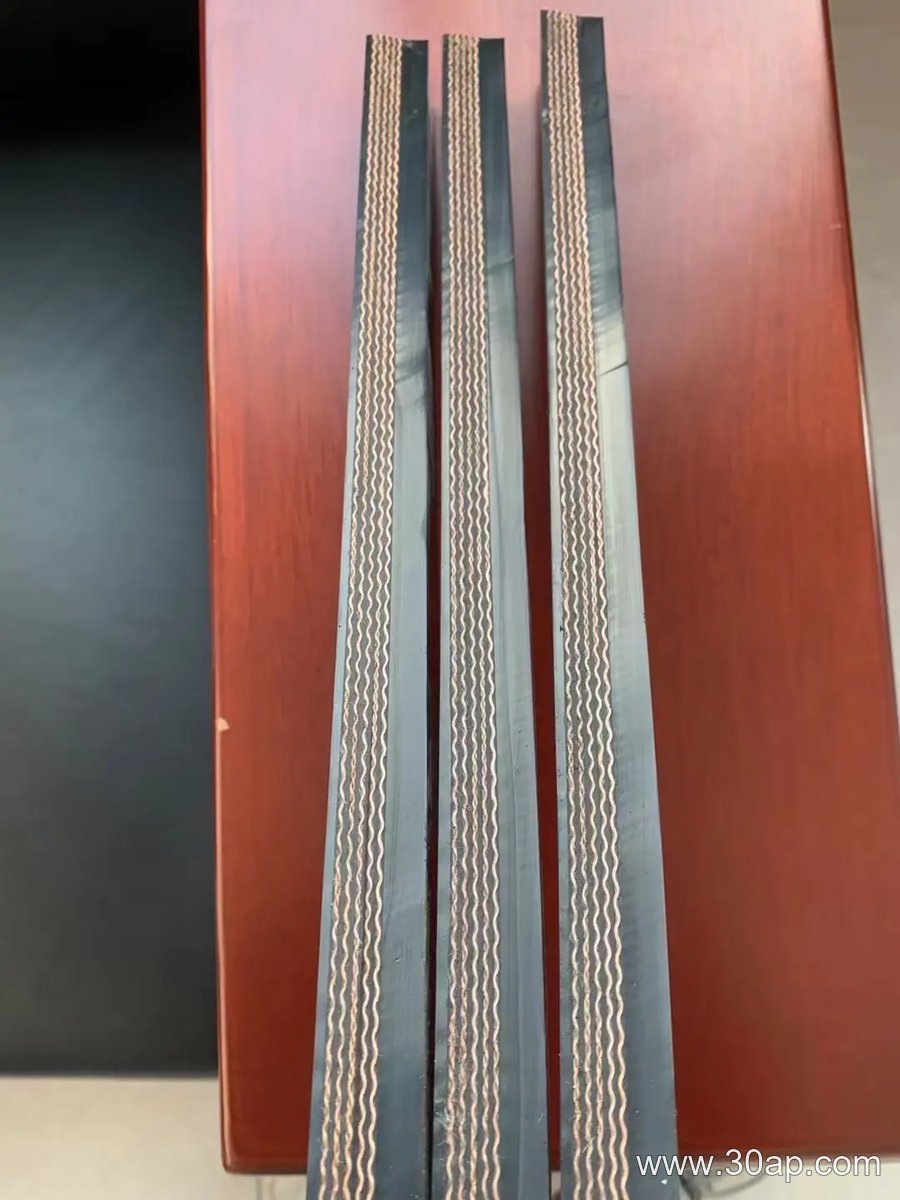
The carcass provides tensile strength. Common constructions include EP (polyester warp, nylon weft) fabric plies and steel cord. EP belts are widely used in mining because they resist impact and trough well. Steel cord belts suit very long, high-tension runs. The number of fabric plies usually ranges from two to six depending on the duty, and typical strength grades such as EP200, EP400, and EP630 are common in this class.
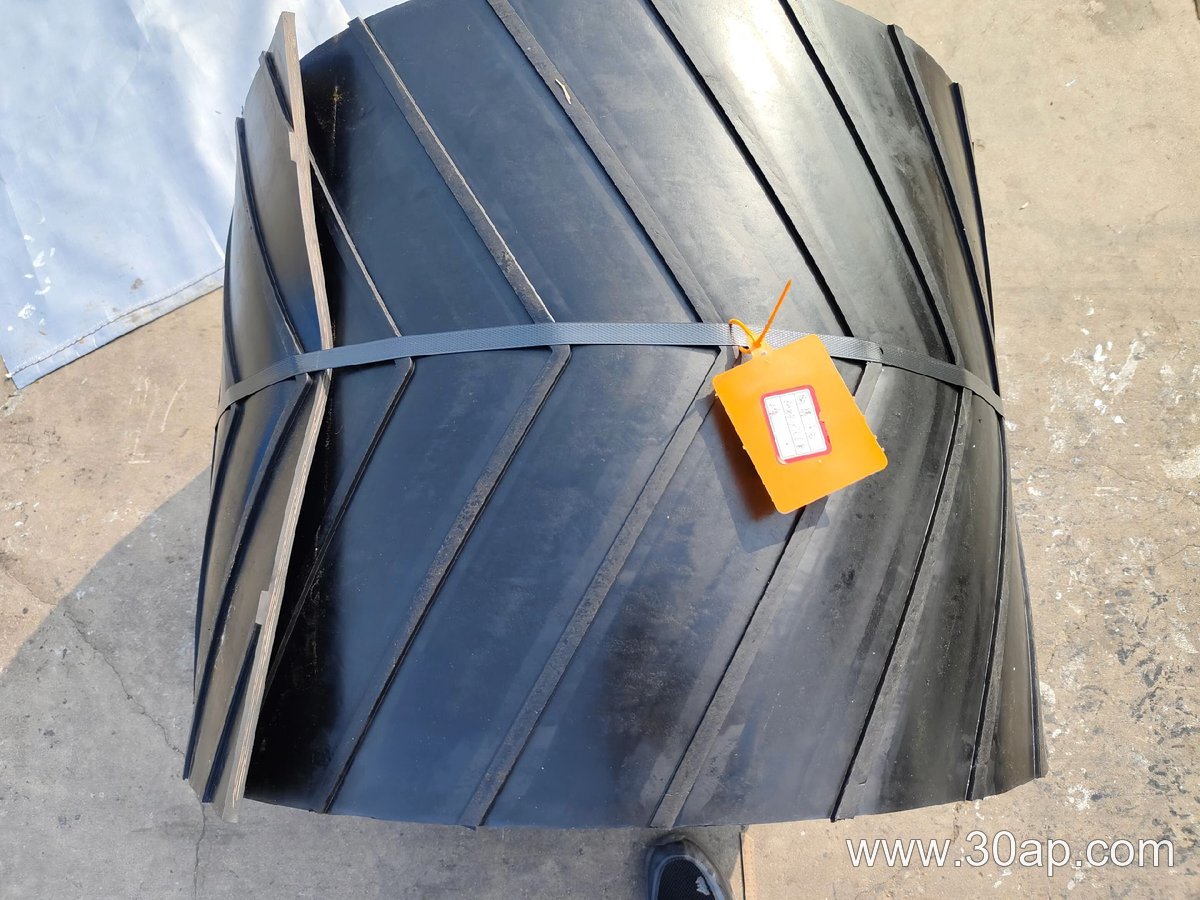
Cover rubber is applied to both faces. A buyer may see specifications like 4+2 mm, 5+2 mm, or 6+2 mm, where the first figure is the top cover and the second is the bottom cover. Thicker top covers help where lumps fall from height. The bottom cover should still be thick enough to run against idler rollers without rapid wear.
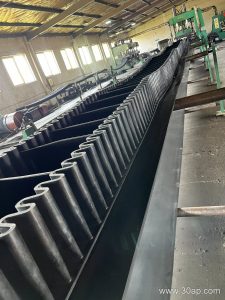
Fire-resistant compounds typically use halogenated polymers or other additives that interrupt combustion. Antistatic properties are often built into the same compound because a moving belt can accumulate static charge. The belt surface may be smooth or carry a pattern such as chevron or a raised profile for inclined haulage; a patterned top cover is a surface form, not a different fire-resistance class.
Where It Is Used
The main applications are underground coal mines, coal preparation plants, coke plants, and bulk terminals handling combustible dust. It also appears in tunnel excavation, power plant coal yards, and some chemical plants where both fire risk and static discharge matter.
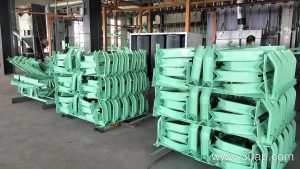
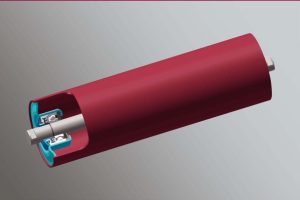
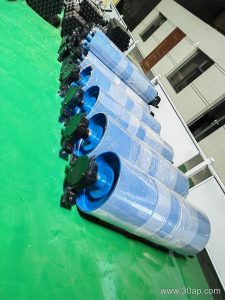
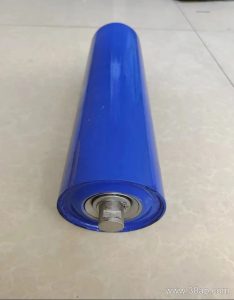
On the conveyor itself, the belt runs over a drive pulley that transmits motion, a tail pulley at the loading end, and bend pulleys that change direction. These three are not interchangeable. A drive pulley is selected for torque and traction, a tail pulley for alignment and cleaning, and a bend pulley mainly for routing. Support along the carrying run comes from idler rollers and, at the loading zone, impact idlers. Conveyor brackets hold the idlers and pulleys in position, and their alignment affects belt tracking.
Selection Points for Buyers
- Confirm the fire-resistance standard required by the site or the local mining authority, and ask for test evidence from the supplier rather than assuming a general flame-retardant label is enough.
- Match tensile grade to the calculated belt tension, not to belt width alone. A wider belt does not automatically mean a stronger carcass.
- Choose cover thickness from impact, abrasion, and material temperature. A 6+2 mm cover is not mandatory for every conveyor; a lighter duty may use 4+2 mm or 5+2 mm.
- Check antistatic performance together with flame resistance, because dust ignition can start from a static spark.
- Review pulley diameters, troughing angle, and transition distances with the belt supplier. Belt width and pulley diameter are separate design choices, and one width can work with more than one pulley size.
Installation and Maintenance Notes
Correct splicing is critical. A poorly made splice can fail before the belt wears out and may reduce fire performance at the joint. Mechanical fasteners are sometimes used for temporary repairs, but a vulcanized splice is generally preferred for permanent mining service.
Keep the belt clean and the idlers turning. Material buildup under the belt can cause mistracking, edge damage, and heat from friction. Inspect the drive pulley lagging, the tail pulley, and the bend pulleys for wear or sticking. Replace damaged idler rollers before they cut the cover. Store spare belt away from direct sunlight, ozone sources, and open flame.
When comparing a fire-resistant belt with a standard abrasion-resistant belt, the difference is mainly in the compound and the documentation that supports its fire behavior. A general-purpose belt may carry loads well but should not be substituted where flame spread and static discharge are controlled requirements.