What a Belt Conveyor Impact Idler Does
In a bulk handling line, the conveyor belt takes a beating wherever material is dropped onto it. That is the job of the belt conveyor impact idler: to absorb the kinetic energy of falling rock, ore, or aggregate before it reaches the belt surface. Positioned directly under the loading zone, this idler acts as a cushion between the belt and the supporting frame, reducing the chance of punctures, edge damage, and splice fatigue. While a standard carrying idler simply supports the belt, an impact idler is built with shock-absorbing elements that make it a different tool for a different task.
You will see these units in quarry conveyor lines, coal mining conveyor systems, cement plant raw material handling, and power plant coal yards. In each case, the loading point is the critical spot, and the belt conveyor impact idler is the first line of defense for the conveyor belt itself.
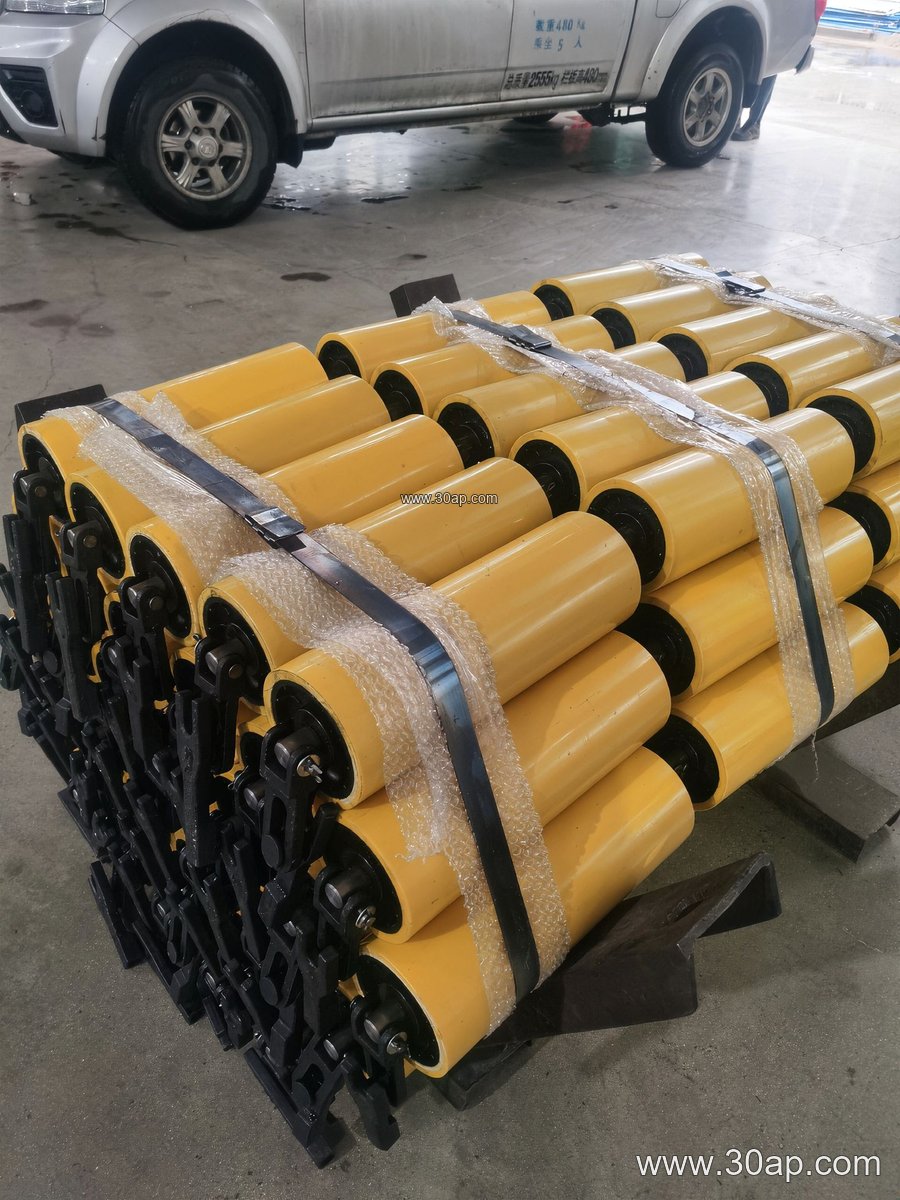
Construction and Key Components
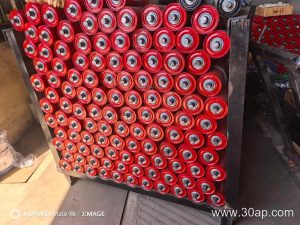
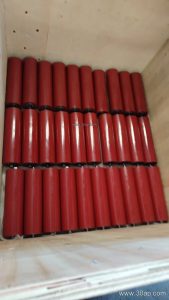
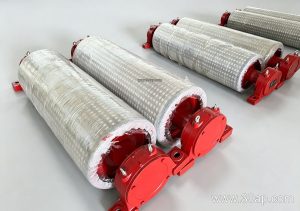
The typical impact idler uses a heavy-duty steel tube or shaft as its base, fitted with a series of rubber rings or discs along the roller body. These rings are the contact surface that the belt rides on, and they flex under impact rather than transferring the force directly to the bearings. The rubber compounds are usually selected for abrasion resistance and resilience, so they can handle repeated strikes from lump material without cracking or flattening.
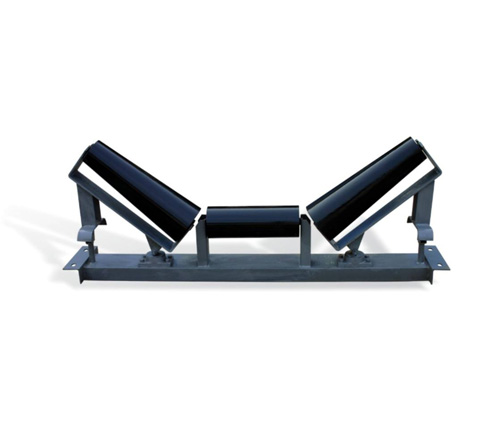
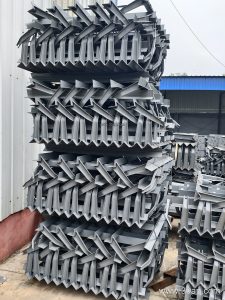
Bearing selection matters here. Common bearing sizes include 6205, 6305, and 6306, depending on the shaft and load rating, but no single bearing is tied to one roller diameter. The housing is sealed to keep out dust and fines, which is especially important in crushing circuits and coal handling. A conveyor bracket holds the idler in place, and the frame is designed to keep the rolls at the correct trough angle. In many installations, the impact idler is part of a three-roll troughing set, with the center roll taking the direct hit and the side rolls helping to contain the load.
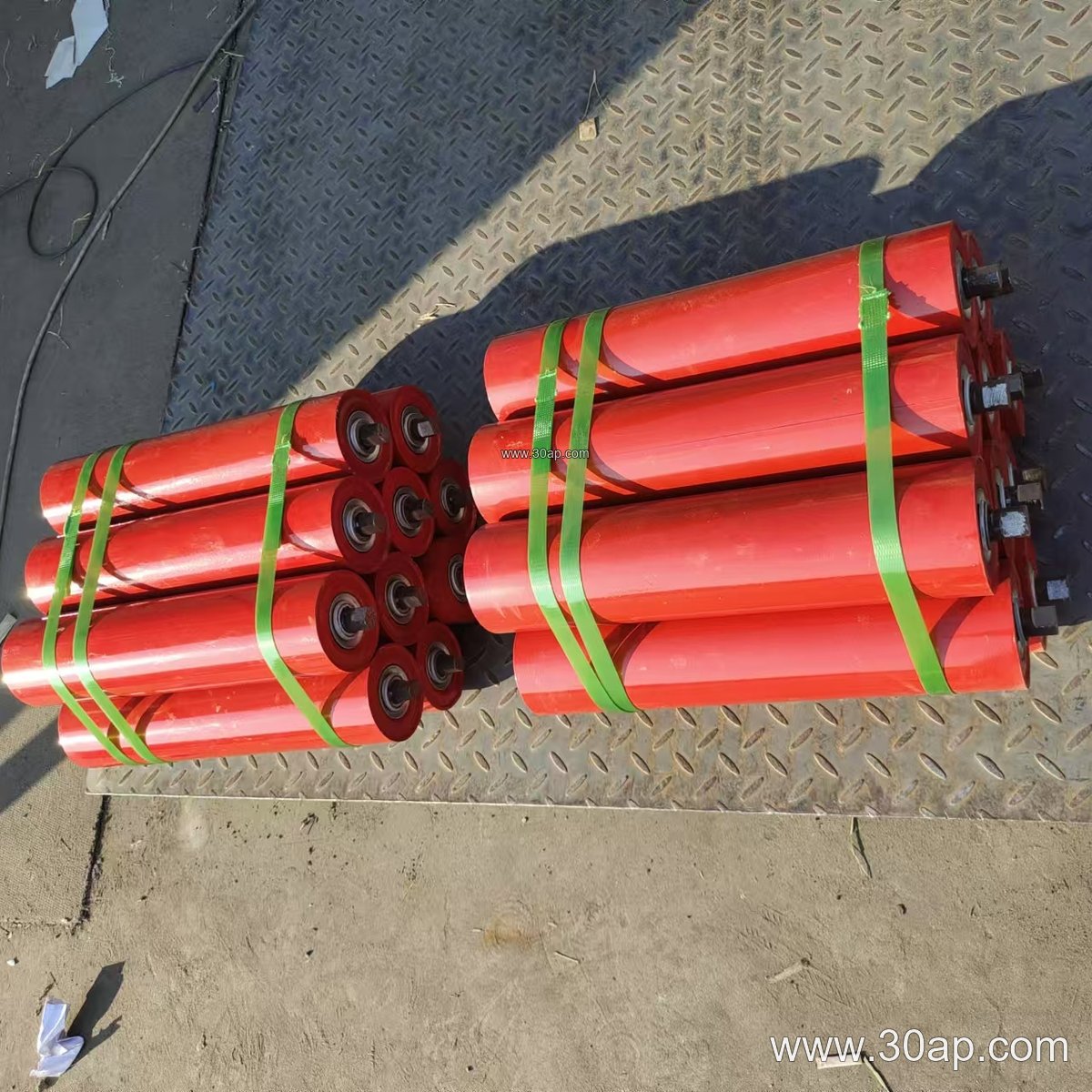
Common Roller Diameters and Belt Widths
Impact idlers are available in a range of roll diameters to suit different belt widths and load conditions. The table below shows common reference values, not a fixed match between one belt width and one diameter.
| Roll Diameter (mm) | Typical Belt Width Range (mm) | Common Bearing Reference |
|---|---|---|
| Ø89 | B500 to B800 | 6204, 6205 |
| Ø102 | B650 to B1000 | 6205, 6305 |
| Ø108 | B800 to B1200 | 6305, 6306 |
| Ø127 | B1000 to B1400 | 6306, 6308 |
| Ø133 | B1200 to B1600 | 6308, 6310 |
| Ø159 | B1400 to B1800 | 6308, 6310 |
| Ø178 | B1600 to B2000 | 6310 |
These figures are for general guidance. Actual selection depends on the conveyor belt speed, lump size, drop height, and the overall design of the conveyor bracket and frame. For a very heavy impact zone, a larger diameter and a thicker rubber ring may be preferred, but the final choice should come from the conveyor designer.
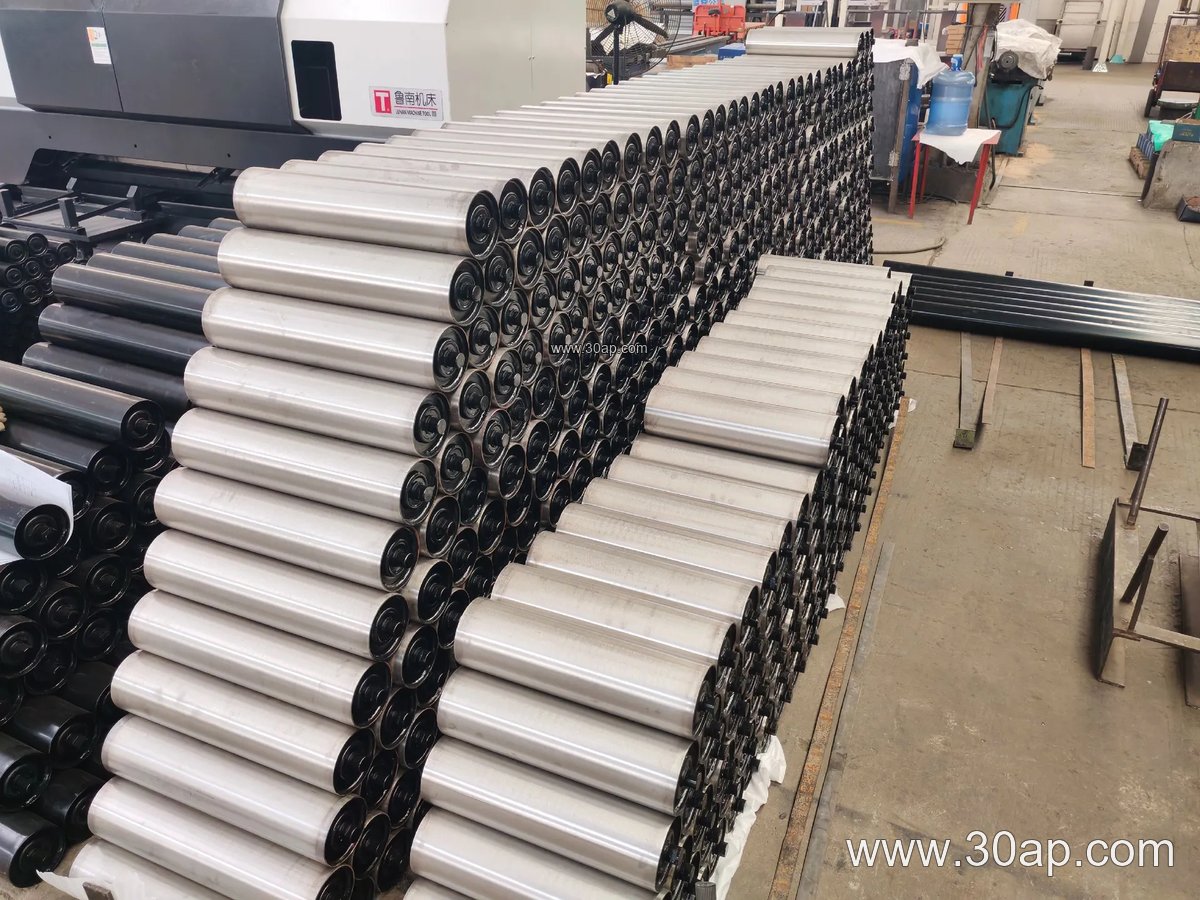
Where Impact Idlers Fit in the Conveyor System
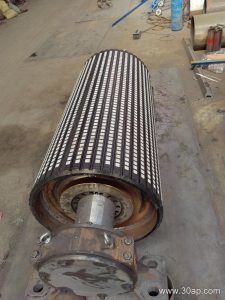
The belt conveyor impact idler is not a replacement for the drive pulley, tail pulley, or bend pulley. Those components transmit power and change belt direction, while the impact idler only supports and cushions the belt at the load point. It is also different from a training idler or a return idler, which serve alignment and support functions elsewhere on the line. In a typical layout, you might find impact idlers spaced closely under the chute, followed by standard troughing idlers further along the carrying run.
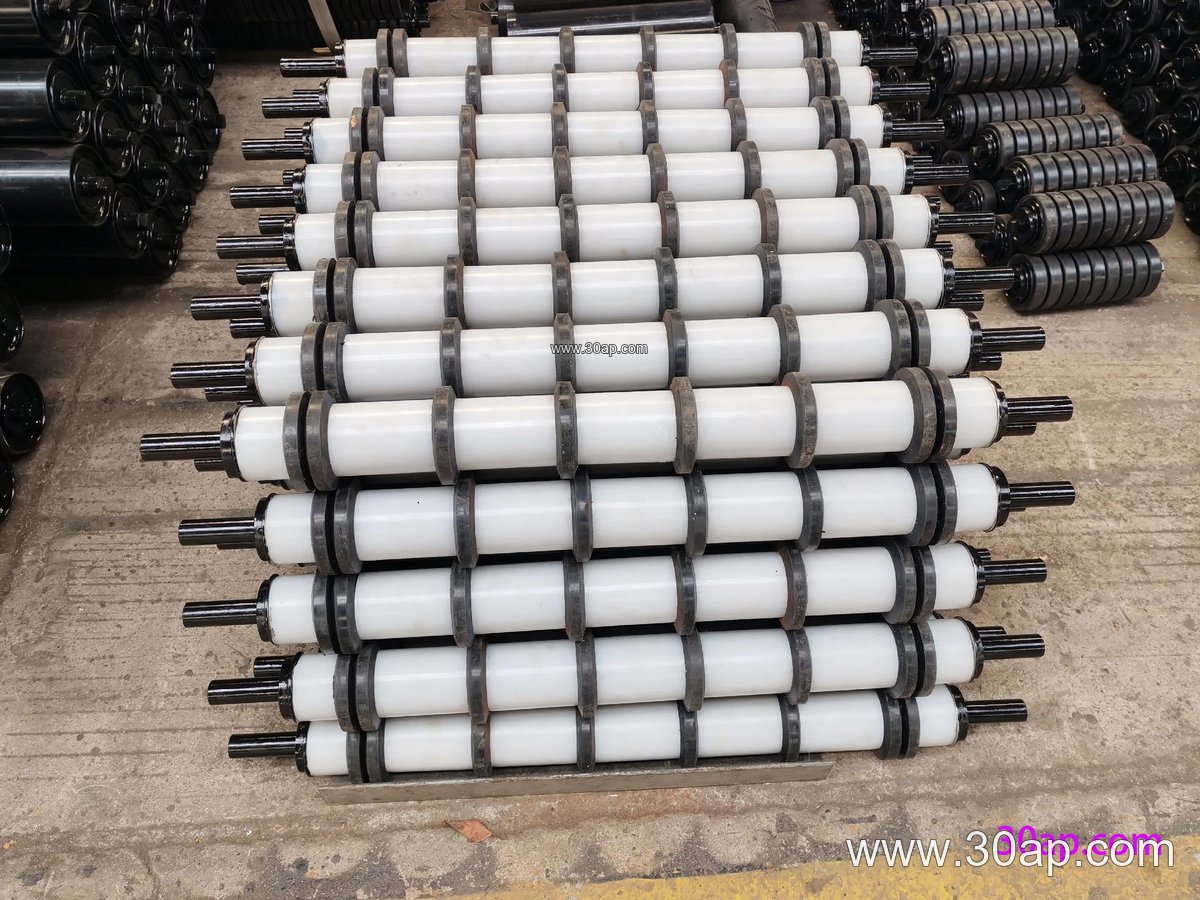
In a limestone quarry or a sand and gravel plant, the primary crusher discharge is a classic location. The belt receives run-of-mine material with sharp edges, and the impact idler helps protect an abrasion resistant conveyor belt from cuts. In a coal preparation plant, the same idler type may be used under transfer points where coal lumps fall from one conveyor to another. The rubber rings also help reduce noise and vibration, which is a practical benefit in enclosed transfer towers.
Selection and Maintenance Notes for Buyers
When specifying a belt conveyor impact idler, start with the belt width and the trough angle. Common trough angles are 20, 30, 35, and 45 degrees, and the idler frame must match the existing conveyor bracket. The roll length is not universal; for a three-roll troughing set, the center roll may differ from the side rolls, and the dimensions change with belt width. For example, a B800 belt might use a different roll length than a B1200 belt, but that does not mean one belt width only works with one pulley diameter or one shaft size.
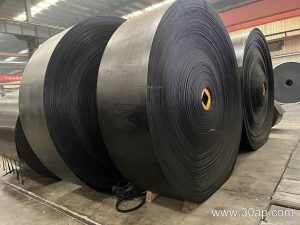
Buyers should also consider the rubber ring hardness and thickness. Softer rings absorb more energy but may wear faster in highly abrasive service; harder rings last longer but transmit more shock to the frame. In a high-abrasion iron ore or copper ore application, a heavy-duty impact idler with reinforced rings is often a better fit than a light-duty version. If the conveyor handles a steel cord conveyor belt or a high strength conveyor belt, the impact idler should be rated for the belt’s load and speed, but the idler itself does not change the belt’s tension rating.
Maintenance is straightforward. Inspect the rubber rings for cracks, flat spots, or missing segments, and check that the rolls turn freely. Seized bearings can cause belt slippage and wear on the conveyor pulley, so lubrication and seal condition should be part of the routine. Keep the loading chute centered so material does not strike one side of the idler excessively. A well-chosen impact idler, matched to the belt width and duty, will extend the service life of the conveyor belt and reduce unplanned stops in mining, cement, and power handling operations.