Analyzing Cost Factors in a Heavy Conveyor Bracket Design
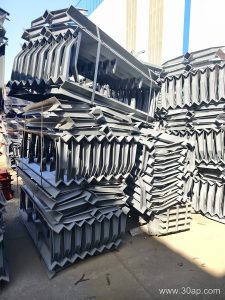
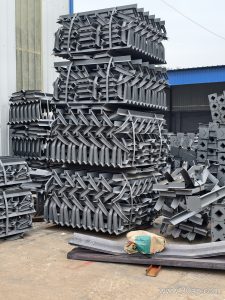
Procuring a conveyor bracket involves balancing structural demands against manufacturing expenditures. Material grade remains a primary cost driver, where carbon steel offers economy while stainless steel or specialized alloy increases raw material expenses.
Dimensional thickness and geometric complexity directly influence processing costs. Laser cutting, precision bending, and extensive welding demand specialized labor and machine time. Furthermore, freight charges fluctuate based on total component weight, dimensional footprint, and logistics distance from the manufacturing facility.
How Raw Materials Dimensions Manufacturing Processes and Freight Logistics Drive Conveyor Belt Procurement Budgets
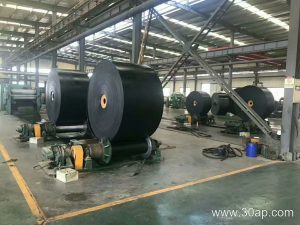
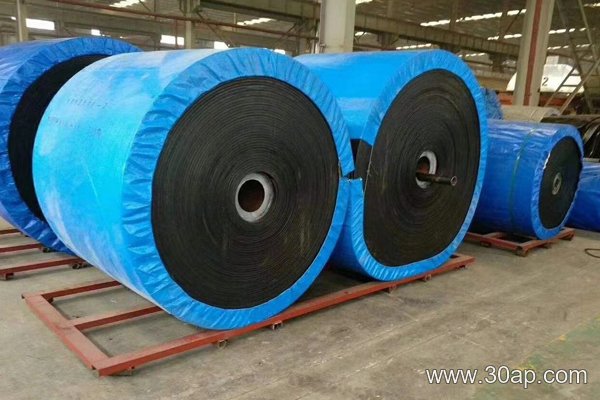
Procuring a conveyor belt involves navigating several structural cost drivers rather than a single fixed price tag. Whether outfitting a high-throughput quarry or a multi-stage cement plant, industrial buyers must evaluate how baseline inputs alter the total financial commitment. Every technical specification carries direct fiscal implications.
Material Composition and Carcass Construction
The choice of elastomer compounds and reinforcement fabrics dictates the primary material cost. Premium polymers resistant to extreme heat or mineral oils require expensive chemical additives. Similarly, high-tensile steel cord cores cost significantly more than standard polyester-nylon plies due to raw steel prices and specialized rubber bonding agents.
Geometric Dimensions and Manufacturing Complexity
Total width, overall thickness, and length scale directly with raw material volume. Wider rolls demand larger calendar presses and greater energy consumption during vulcanization. Custom-engineered widths or specialized edge reinforcements introduce setup downtime, increasing production overhead per linear meter.
Freight Logistics and Transport Logistics
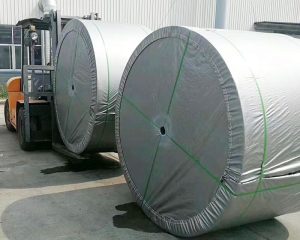
Heavy rubber rolls present unique shipping challenges. Transport costs depend on total weight, volume, and specialized handling equipment required for loading and offloading. Long-distance ocean freight and overland trucking fees fluctuate based on fuel surcharges and routing constraints, often adding a substantial percentage to the final delivery expense.
Constructing an anti-material-buildup idler roller for sticky carryback
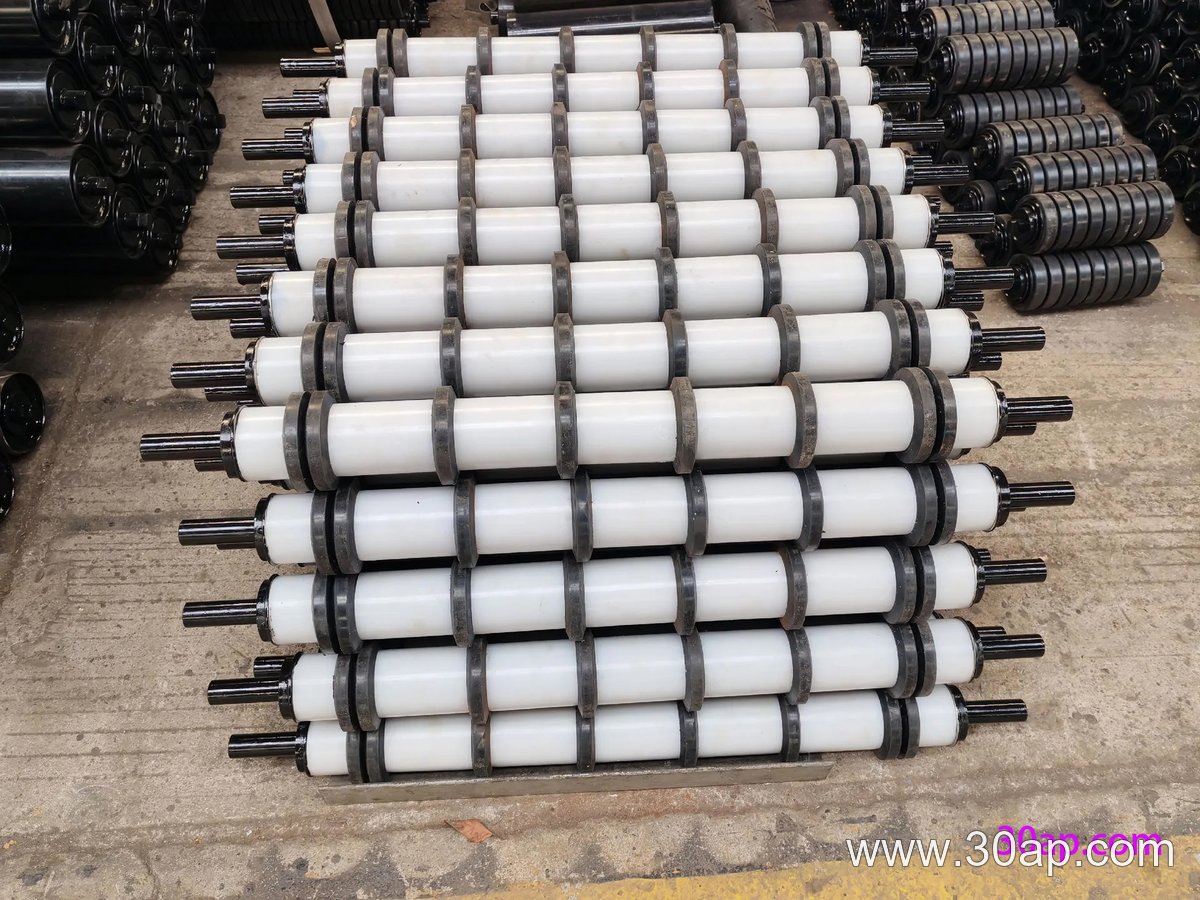
In a dusty quarry processing wet limestone, conventional cylindrical surfaces gather sticky fines that harden into eccentric rings. This asymmetric weight distribution induces severe vibration and belt mistracking.
Key construction features and operational behavior
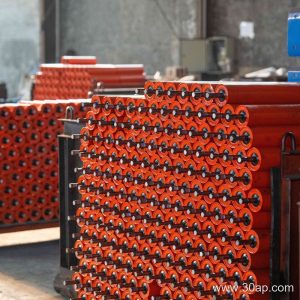
An anti-material-buildup idler roller typically utilizes a segmented, disc-based or spiral steel profile instead of a continuous smooth shell. These gaps or helical ridges prevent cohesive material from binding to the face.
- Self-cleaning disc gaps break up damp accretions before compaction occurs
- Robust labyrinth seals protect internal bearings against abrasive quarry grit
- Dynamic balancing minimizes rotational runout under heavy load variations
Understanding the Building Materials Conveyor Pulley in Cement Plants
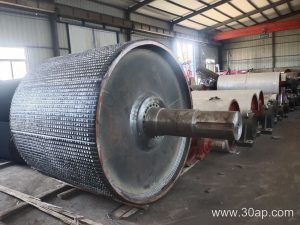
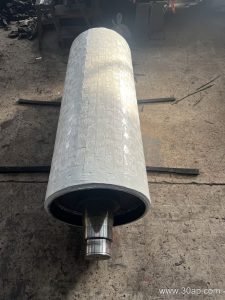
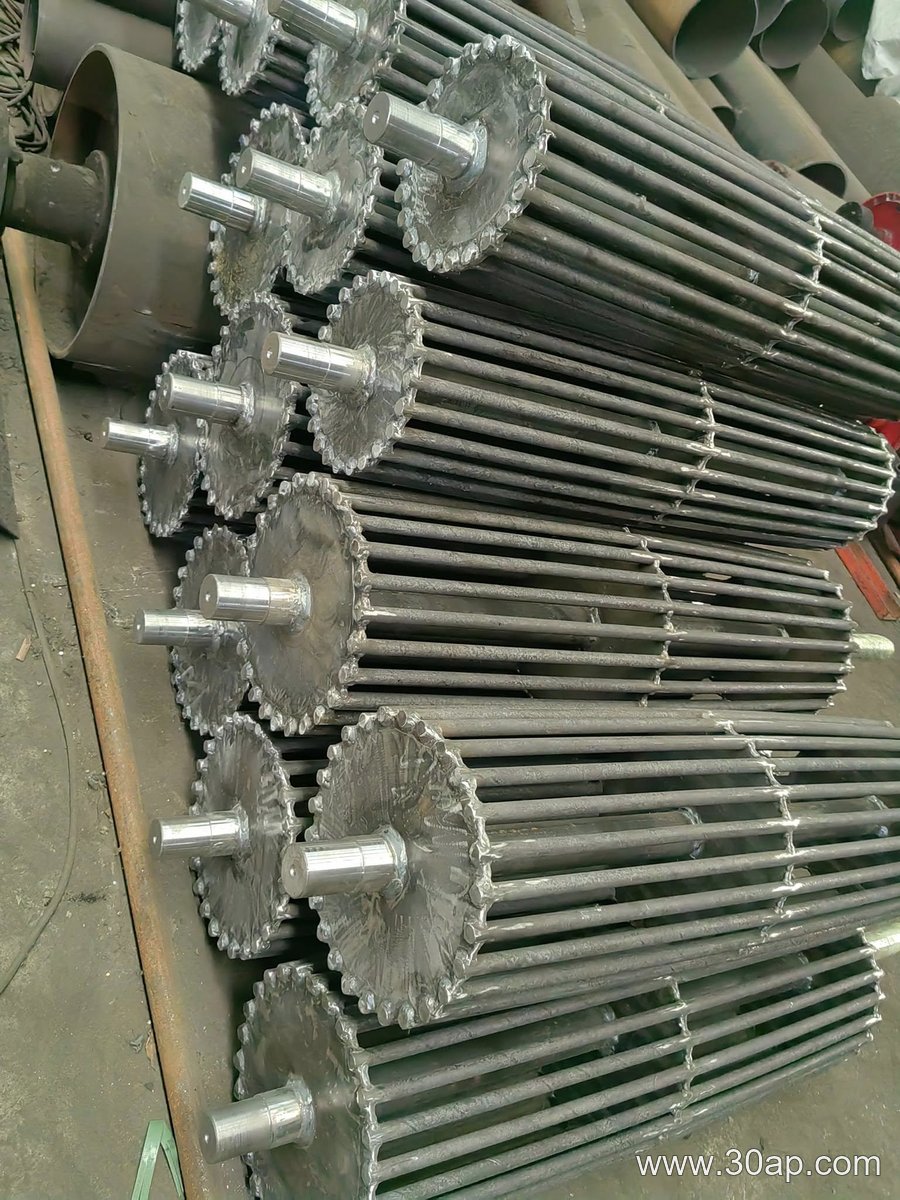
A building materials conveyor pulley serves as the primary rotating drive and redirection component for moving abrasive cement clinker and raw meal. In a typical cement plant, these units endure extreme dust, elevated temperatures, and continuous heavy belt tensions.
Construction and Internal Architecture
The assembly consists of a heavy steel shell, internal diaphragm plates, a high-strength forged steel shaft, and compression locking assemblies. To mitigate wear from sharp clinker fragments, rubber or ceramic lagging is vulcanized directly onto the exterior shell surface, maximizing friction and extending operational service life under severe industrial duties.