How Do You Calculate the Maximum Tension for a 500mm Conveyor Belt in a Quarry
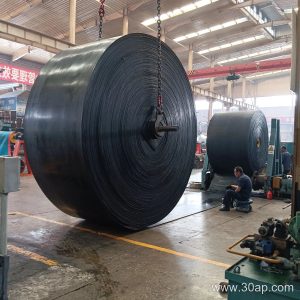
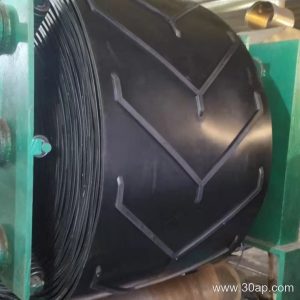
In a hypothetical dusty quarry handling sharp granite, designing a reliable 500mm conveyor belt requires calculating total effective tension.
Stated Assumptions and Calculation Method
Assume a horizontal center distance of 80 meters, a lift of 10 meters, and a design capacity of 250 metric tons per hour. The engineering method sums component resistances:
- Calculate primary resistance from idler friction and moving mass.
- Add grade resistance based on material weight and vertical lift.
- Incorporate accessory drag from skirt boards and cleaners.
Multiply the summed effective tension by a safety factor of 6.5 to determine the maximum breaking strength needed for the carcass.
Purpose and Scope of Conveyor Component Standards
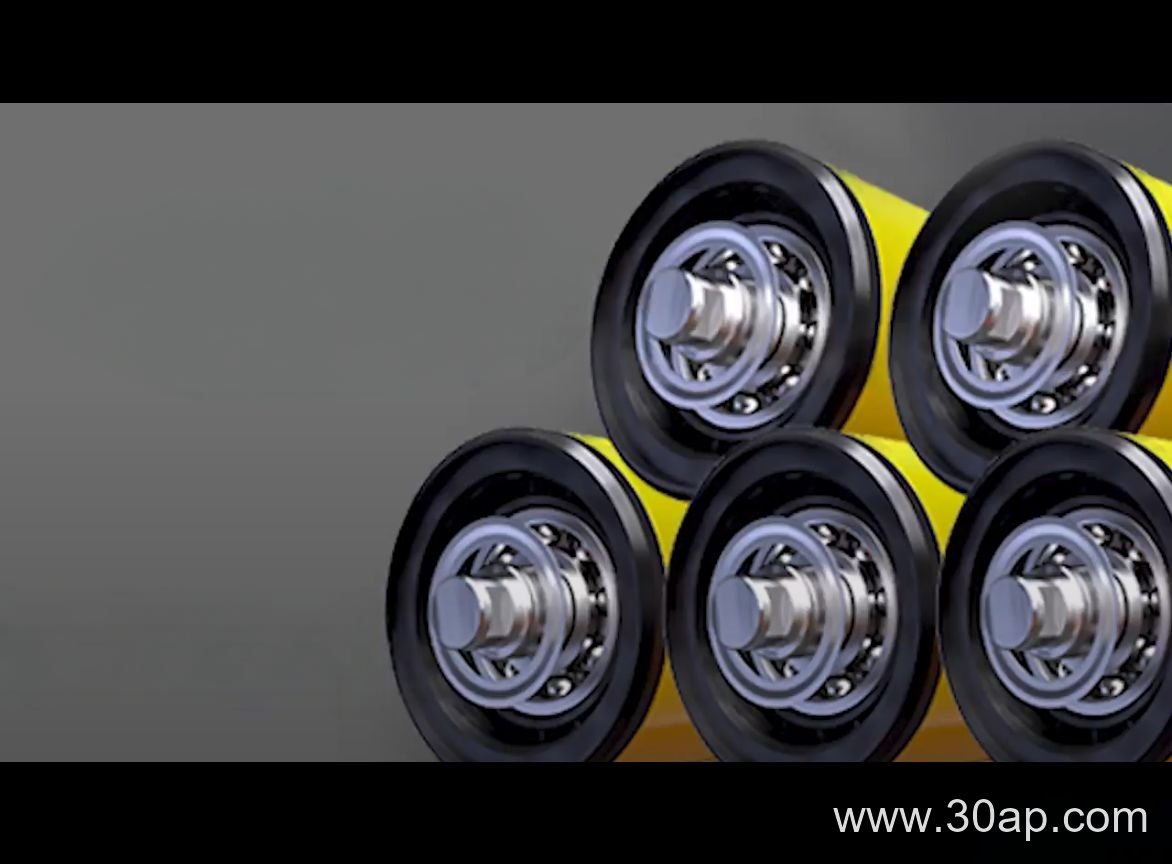
Engineering standards for an industrial idler roller provide a shared language for physical dimensions, load capacities, and material tolerances. Rather than certifying product quality, these frameworks outline standardized testing methods and baseline performance parameters that manufacturers reference during design.
Interpreting Material Grades and Operational Limits
- Standard carbon steel grades establish minimum tensile thresholds for the idler roller shell.
- Dimensional tolerance specifications govern shaft straightness and bearing housing concentricity.
- Environmental protection guidelines help engineers assess suitability for moisture-laden outdoor environments without prescribing specific proprietary coatings.
Reviewing these documented parameters ensures proper compatibility between the idler roller and existing conveyor assemblies.
Why Geometric Shell Profiles Shape Conveyor Pulley Traction Under Heavy Loads
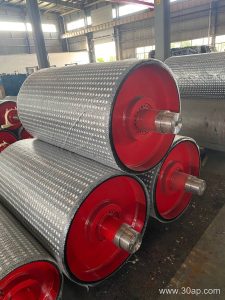
Engineering a conveyor pulley requires balancing shell rigidity and torque transmission under fluctuating tensions. When driven units pull heavy bulk materials, the interaction between the metal drum and the elastomer lagging dictates operational stability. Selecting an appropriate profile prevents premature wear.
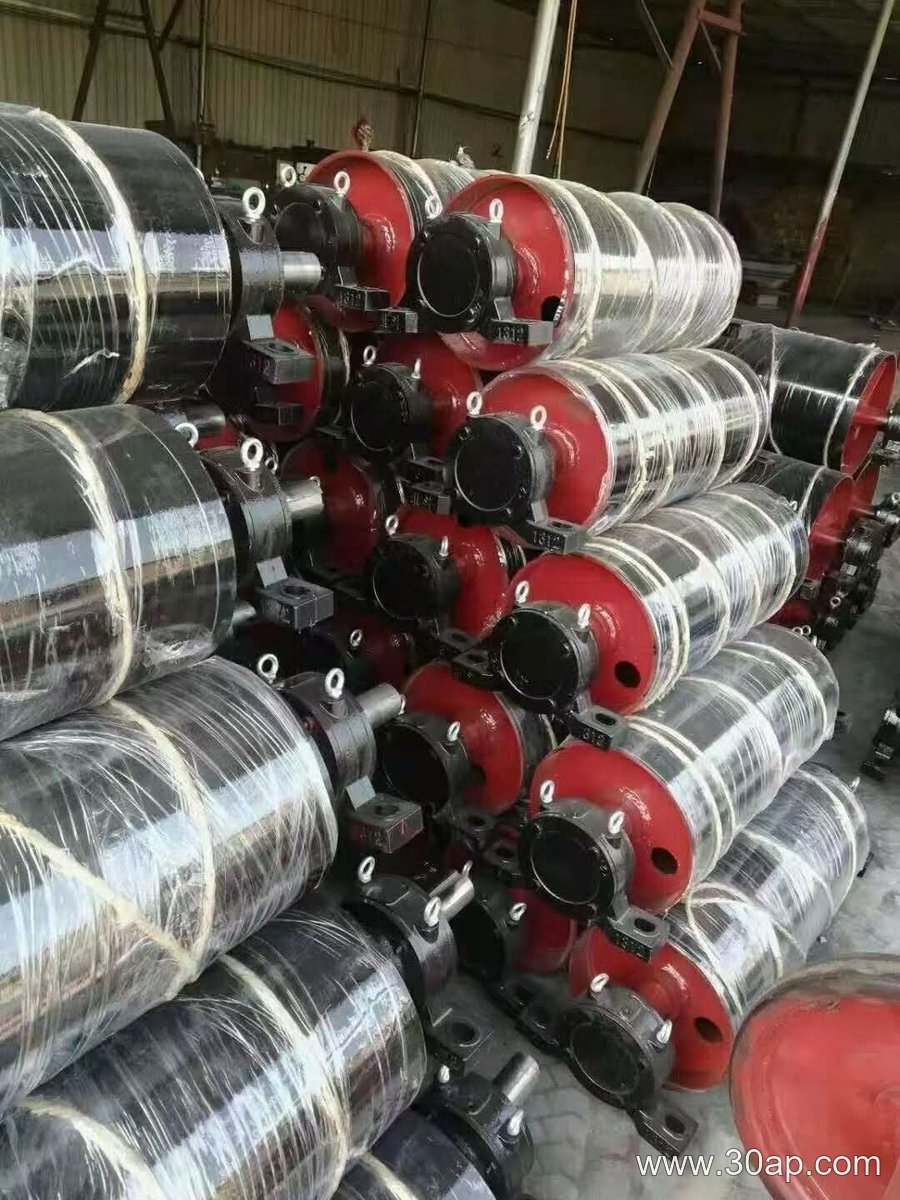
- Crown configurations center the belt automatically.
- Flat profiles distribute high tension evenly across wide faces.
Section Modulus and Conveyor Bracket Flexural Strength
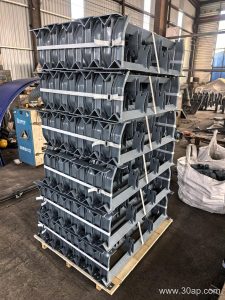
When evaluating a conveyor bracket for a wet outdoor conveyor, engineers must calculate the section modulus ($Z$). This key geometric property dictates how a conveyor bracket resists bending moments caused by off-center idler loads. A higher section modulus lowers maximum tensile stress, preventing plastic deformation.
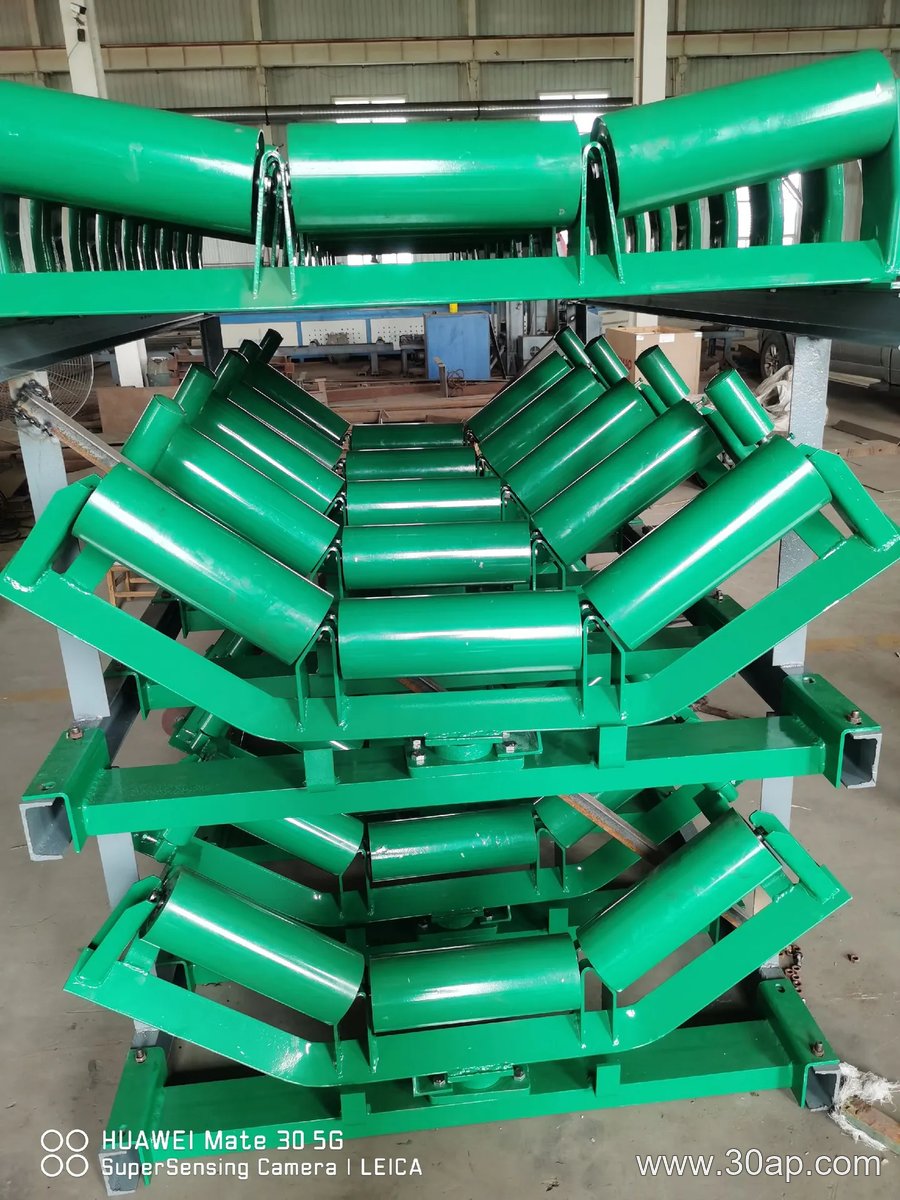
- Defines cross-sectional resistance to bending
- Directly influences material thickness decisions
- Reduces deflection in long-span installations