What the EP800 Conveyor Belt Is
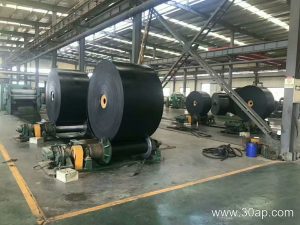
The EP800 Conveyor Belt is a multi-ply fabric core belt built around polyester (EP) warp and polyamide weft cords, with a rated tensile strength of roughly 800 N/mm per ply. Within the EP range it sits above the lighter EP400 and EP630 grades and below the EP1000 and EP1250 classes, which makes it a practical middle-to-heavy duty choice for long runs and steady tonnage. Buyers in mining, cement, quarrying and power generation often treat this fabric core belt as the workhorse where a steel cord conveyor belt is not yet justified.
Because the carcass is polyester and nylon rather than steel, the belt handles troughing well, absorbs shock at loading points and keeps splice work simple. Those traits matter on a line that feeds a crusher or transfers ore between stockpiles.
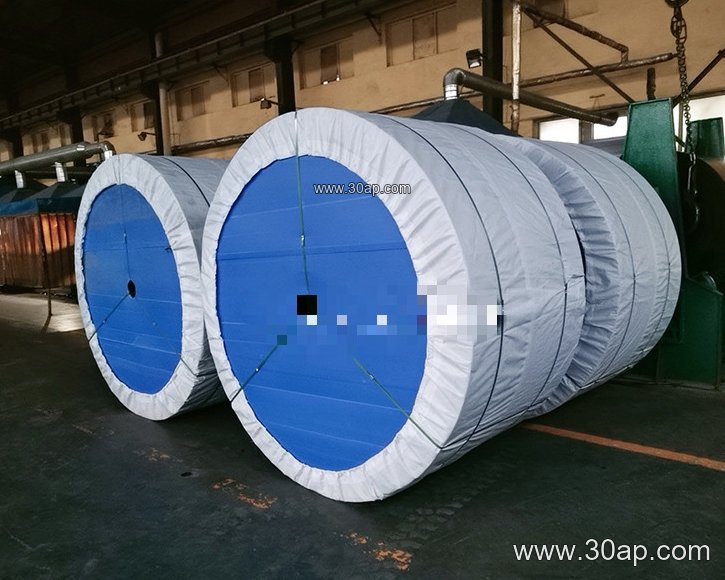
How the Belt Is Constructed
An EP800 belt usually pairs two to six fabric plies with top and bottom rubber covers. The plies carry the tension; the covers protect the carcass from abrasion, impact and moisture. Cover thickness is chosen by duty, and common combinations include 3+1.5 mm, 4+2 mm, 5+2 mm, 6+2 mm and 8+3 mm.
Typical reference data
| Item | Common options |
|---|---|
| Core type | Polyester/nylon fabric (EP) |
| Strength grade | EP800 (about 800 N/mm per ply) |
| Ply count | 2 to 6 plies, by design |
| Belt width | B650, B800, B1000, B1200, B1400, B1600 |
| Cover thickness | 4+2, 5+2, 6+2, 8+3 mm |
| Cover grades | Abrasion resistant, heat resistant, oil resistant, flame retardant, anti-static |
These values are reference points only. Final construction is set by the conveyor design, the material being carried and the ambient conditions on site.
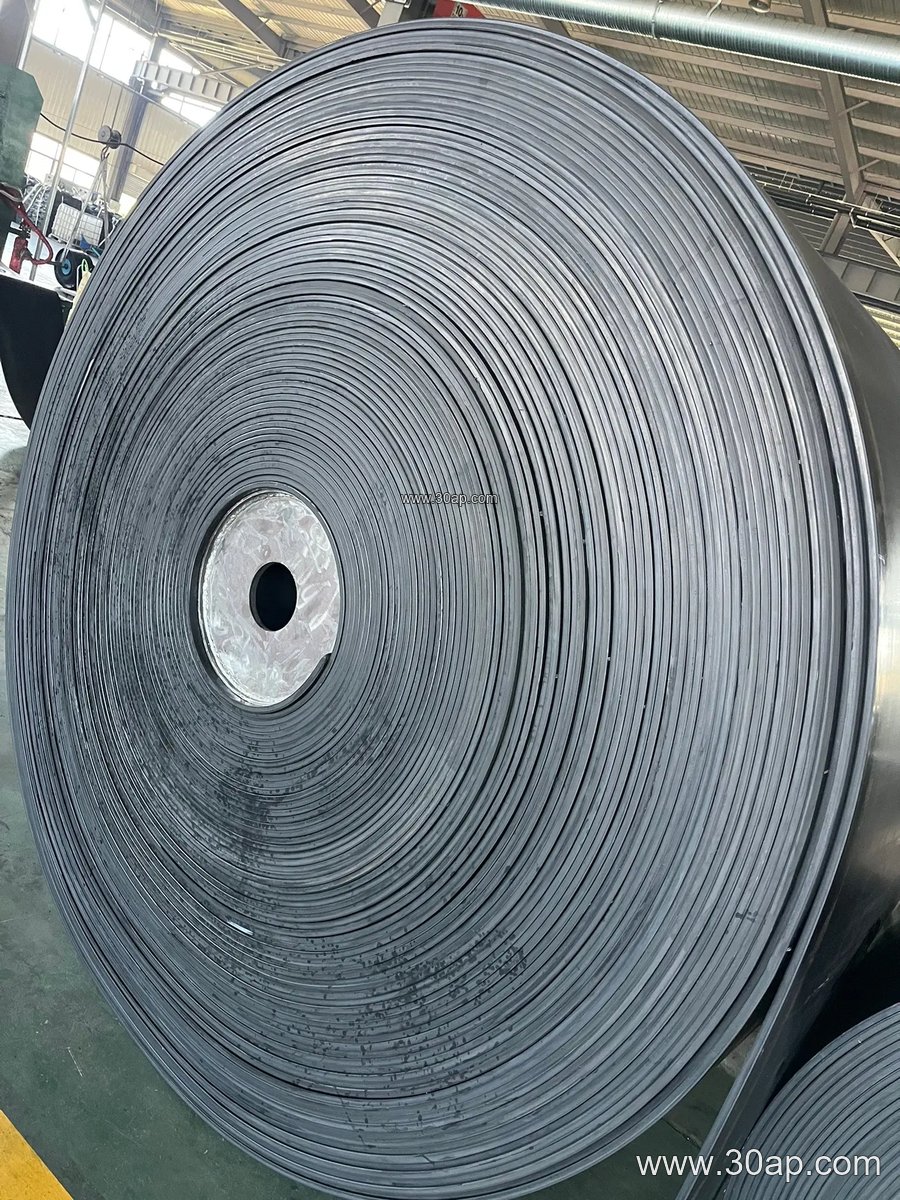
Where It Fits on the Conveyor
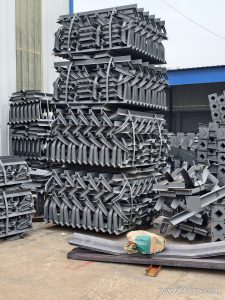
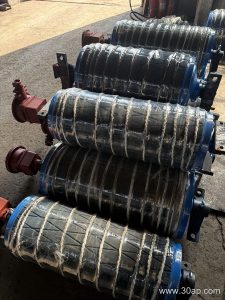
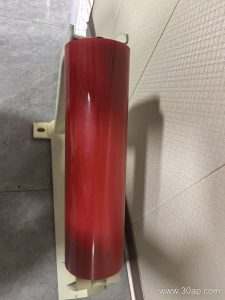
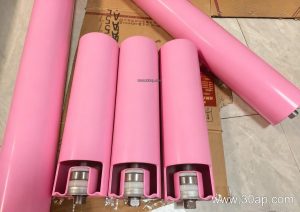
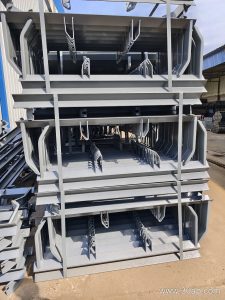
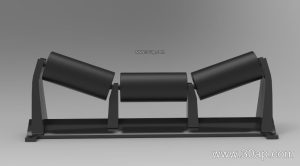
The belt works with the rest of the conveyor line: idler rollers support the loaded strand, a conveyor pulley drives and tensions it, and conveyor brackets hold the frames and rollers in place. On a typical quarry or coal handling circuit, the EP800 belt runs over three-roll troughing idlers on the carrying side and flat return idlers underneath.
Drive, tail and bend pulleys each do a different job, so they are specified separately rather than swapped. A drive pulley transmits torque, a tail pulley closes the loop at the return end, and a bend pulley changes belt direction. Matching pulley diameter to belt thickness and ply count is part of the design check, and no single belt width fixes a shaft size on its own.
Applications Across Industries
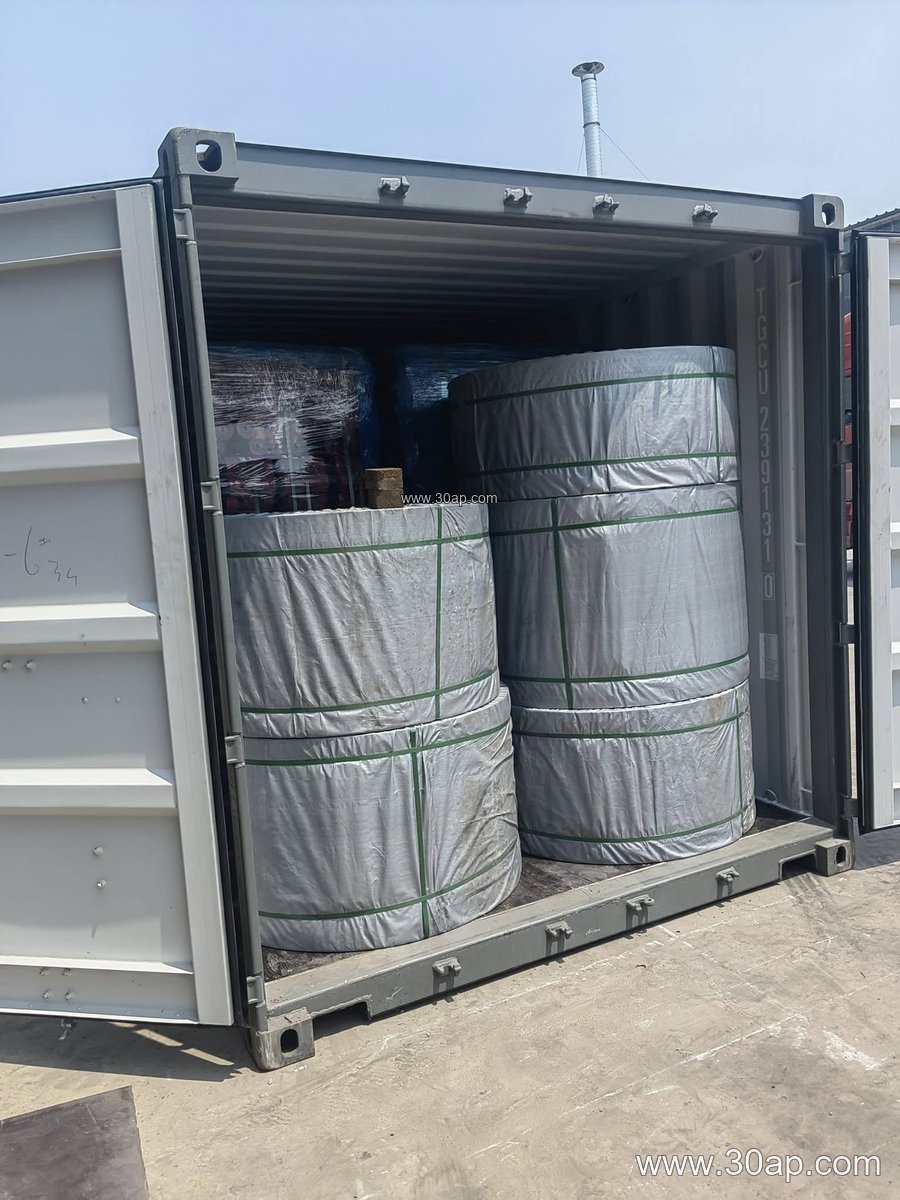
Typical duties include crushed stone and aggregate in a sand making plant, clinker and limestone in a cement plant, coal on a power plant stockyard line, and ore transfer in an iron ore or copper ore operation. The belt also suits port loading, recycling lines and general bulk material handling where moderate tension and good troughability are needed.
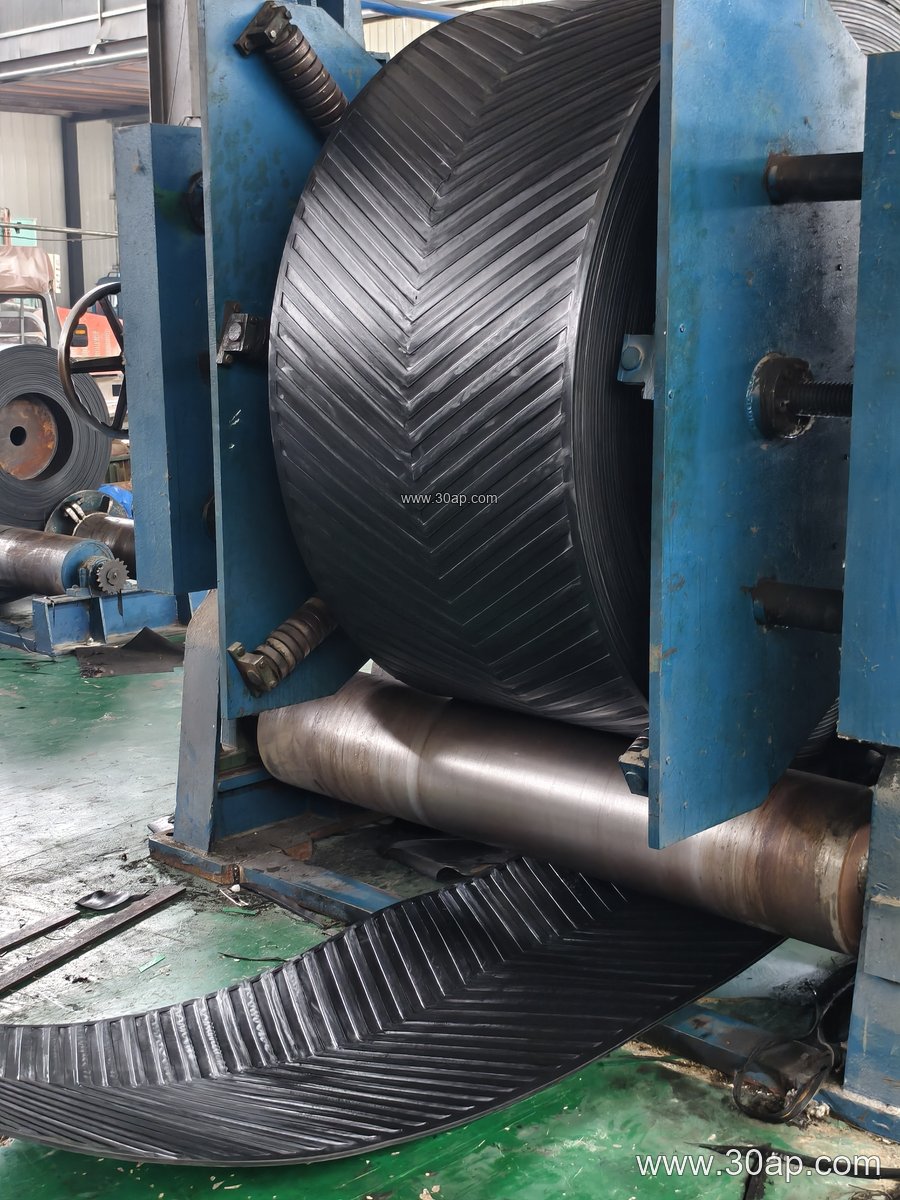
Where conditions become more demanding, buyers may compare it with a steel cord conveyor belt for very long high-tension runs, or with a chevron conveyor belt and corrugated sidewall conveyor belt where incline and material spillage are the main concern. Those are different designs for different problems, not direct replacements.
Cover Grade and Environmental Choices
Selecting the right cover is as important as the strength class. An abrasion resistant conveyor belt grade suits sharp rock and sinter; a heat resistant conveyor belt grade is used for clinker and hot ash; a flame retardant conveyor belt or fire resistant conveyor belt grade is common in underground coal mining conveyor belt service. Oil resistant, cold resistant and anti-static versions are available for other duty conditions.
For underground coal mining, PVG conveyor belt constructions are often specified instead, so the EP800 grade is usually chosen for surface and general industrial circuits.
What Buyers Should Check
- Confirm the required tensile strength against the actual load and slope, not just the belt width.
- State the material, lump size and temperature so the cover grade and thickness can be matched.
- Check pulley diameters and idler spacing with the belt supplier before ordering.
- Ask about splice method and edge condition, since these affect belt life.
- Confirm whether an endless conveyor belt is needed or whether field splicing is acceptable.
For more on matching belts to rollers and pulleys, visit www.example.com/conveyor-belt and www.example.com/conveyor-pulley. A correctly specified EP800 conveyor belt, paired with well-chosen idler rollers and pulleys, keeps a bulk handling line running steadily for years.